 PuroClean of Burlington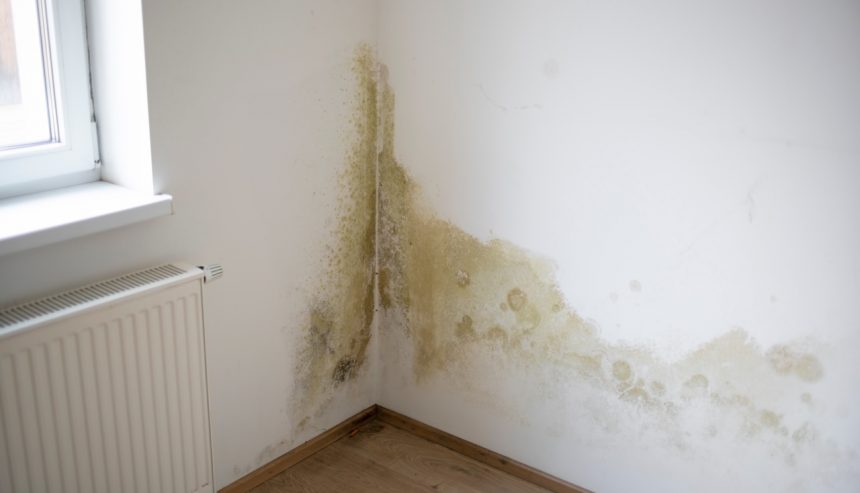
To check for mold in your Wisconsin apartment: (1) Inspect bathroom walls, ceilings, and shower/tub areas for black, green, or white spots. (2) Check windows and windowsills for condensation and mold growth. (3) Examine closets and areas against exterior walls. (4) Smell for persistent musty odors, (5) Look behind and under furniture against walls, (6) Check kitchen and bathroom ventilation, and (7) inspect basement or storage areas if applicable. Wisconsin law (ATCP 134.04) requires landlords to maintain rental units free from mold-promoting conditions and address mold problems within a reasonable time.
Document all mold with photos, notify the landlord in writing, and if mold affects habitability or health, tenants have rights, including repair-and-deduct, rent withholding, or lease termination. Professional mold inspection may be the landlord’s responsibility if mold results from property maintenance failures.
You walk into your Burlington or Kenosha apartment and notice that smell. Musty. Damp. Like something is not quite right.
Maybe you have seen dark spots in the bathroom corner. Maybe condensation always forms on your bedroom windows. Maybe your allergies have gotten worse since you moved in.
As a Wisconsin renter, you are probably wondering: Do I have mold? How do I check? And if I do find mold, what are my rights?
I have helped hundreds of Wisconsin renters navigate mold issues in apartments, and I can tell you this: knowing how to check for mold in apartment units, understanding your legal rights, and documenting everything properly make the difference between getting the problem fixed quickly and fighting your landlord for months.
This guide walks you through exactly how to check for mold in your Wisconsin apartment, what your rights are as a tenant, and what steps to take when you find mold.
Why Mold is Common in Wisconsin Apartments
Before we get into how to check for mold in apartment units, understand why Wisconsin rentals are particularly prone to mold problems:
High Humidity Climate
Wisconsin summers bring 70-90% humidity. When outdoor air is this humid and apartments lack proper ventilation, moisture accumulates, creating ideal conditions for mold growth.
Apartment-specific humidity problems:
- Multiple units sharing walls trap moisture
- Landlords control thermostat settings, limiting dehumidification
- Cheap construction with poor ventilation
- Windows that do not open or seal properly
- Bathrooms without exhaust fans or with broken fans
Older Building Stock
Many Burlington and Kenosha apartment buildings were built decades ago, before modern moisture control became standard:
- No vapor barriers in walls
- Inadequate insulation is causing condensation
- Old windows are leaking air and moisture
- Outdated HVAC systems
- Plumbing with slow leaks
Maintenance Neglect
Some landlords prioritize minimal maintenance spending over tenant comfort:
- Ignoring roof leaks
- Not repairing plumbing leaks promptly
- Failing to provide adequate ventilation
- Painting over mold instead of fixing the moisture source
- Delaying repairs allows mold to establish itself
Dense Living Conditions
Apartments naturally create more moisture than single-family homes:
- Cooking generates humidity
- Showers and baths create steam
- Laundry produces moisture
- More people in smaller spaces = more moisture
- Shared walls prevent air circulation
Understanding these factors helps you know where to look when checking for mold in your Wisconsin apartment.
Step-by-Step: How to Check for Mold in Apartment
Here is your complete inspection checklist for finding mold in rental units.
Step 1: Visual Inspection of High-Risk Areas
Bathrooms (Most Common Mold Location):
Check these specific spots:
✓ Shower and tub areas
- Tile grout (especially in corners)
- Caulking around the tub and shower
- Shower curtains and liners
- Behind shampoo bottles and soap dishes
✓ Bathroom walls and ceiling
- Corners where walls meet the ceiling
- Areas around the exhaust fan
- Behind toilet
- Under sink cabinet
✓ Around bathroom fixtures
- Base of the toilet
- Under sink
- Around faucets and drains
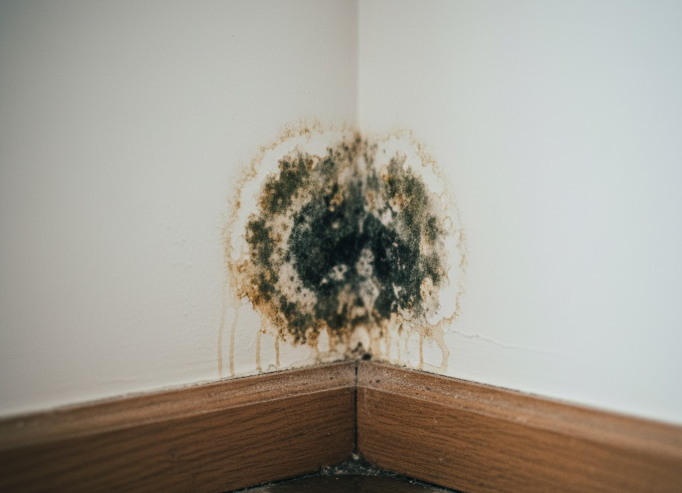
What mold looks like:
- Black, green, white, or orange spots
- Fuzzy or slimy texture
- Discoloration or staining
- Peeling paint or bubbling wallpaper
Bedroom and Living Areas:
✓ Windows and windowsills
- Condensation buildup (indicates mold risk)
- Black spots on window frames
- Discoloration on the walls below the windows
- Mold on curtains or blinds
✓ Exterior walls
- Corners of rooms
- Behind furniture against the walls
- Around air conditioning units
- Near radiators or heating vents
✓ Closets
- Corners and ceiling
- On stored items (shoes, clothing, boxes)
- Walls against the building exterior
Kitchen:
✓ Under sink
- Cabinet floor and walls
- Around pipes
- Signs of water damage
✓ Around appliances
- Behind the refrigerator (especially the ice maker area)
- Under dishwasher
- Around the window above the sink
✓ Ventilation areas
- Exhaust fan (if present)
- Range hood
Basement or Storage Areas (if applicable):
✓ Walls and floors
- Foundation walls
- Concrete floor edges
- Storage shelves
- Behind stored items
Step 2: The Smell Test
Mold produces a distinctive musty, earthy odor from microbial volatile organic compounds (MVOCs).
How to conduct smell test:
- Close the apartment for 2-3 hours (windows closed, no ventilation)
- Leave and return with “fresh nose.”
- Pay attention to the first impression when entering
- Identify where smell is strongest
What mold smells like:
- Musty, like a damp basement
- Earthy, like soil or rotting leaves
- Stale, like old books
- Dank, like wet towels left in a gym bag
Smell patterns indicating mold:
- Stronger in specific rooms (bathroom, bedroom)
- Worse when the humidity is high
- Intensifies in closets or corners
- Present even after cleaning
If you smell mold but cannot see it, mold is likely hidden behind walls, under flooring, or in ventilation systems.
Learn more about identifying different mold odors in your home.
Step 3: Check for Moisture Problems
Mold needs moisture. Finding moisture problems indicates where mold is growing or will grow.
Signs of moisture issues:
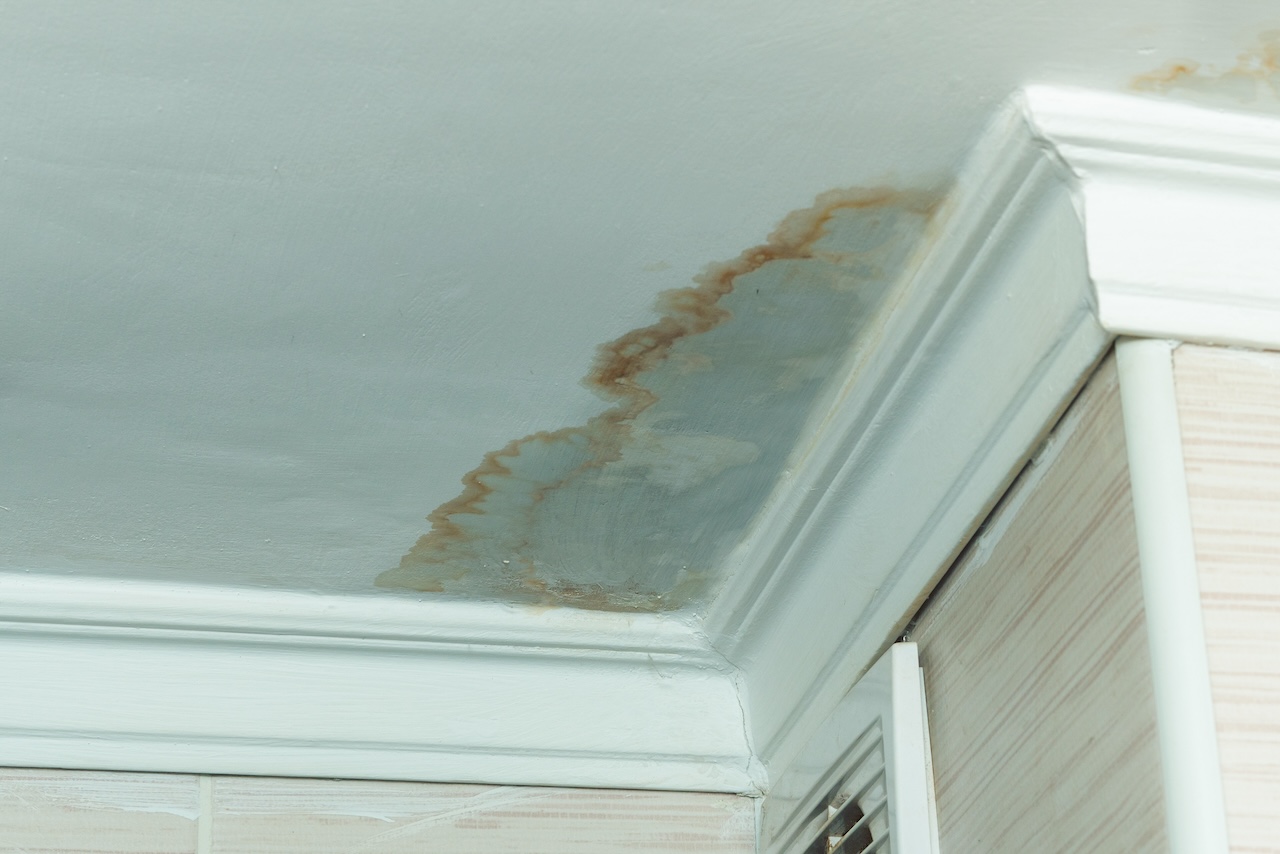
✓ Condensation on windows (especially in winter) ✓ Water stains on walls or ceilings ✓ Peeling or bubbling paint ✓ Warped or buckling flooring ✓ Damp carpet or padding ✓ Visible water damage ✓ High humidity (feels damp, sticky)
Moisture test:
- Touch walls to feel for dampness
- Check the carpet for wet spots
- Look for water pooling around windows
- Inspect the ceiling for staining
Common moisture sources in apartments:
- Roof leaks (top floor units)
- Plumbing leaks (bathrooms, kitchens)
- Poor ventilation (no exhaust fans)
- Condensation from temperature differences
- Neighbor’s water damage affecting your unit
Step 4: Inspect Hidden Areas
Mold often hides in places you do not regularly see.
How to check hidden mold locations:
Behind furniture:
- Move furniture away from exterior walls
- Check the wall surface behind headboards, dressers, and couches
- Look for discoloration or spots
Inside closets:
- Remove items from the closet floor
- Check corners and ceiling
- Smell for musty odors
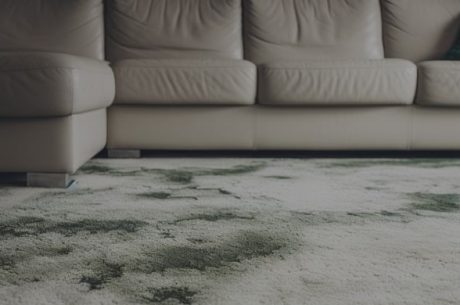
Under rugs and carpets:
- Lift the corner of the area rugs
- Check carpet edges along walls
- Smell for dampness
Inside cabinets:
- Remove items from under-sink cabinets
- Check the walls and the cabinet floor
- Look for water damage
HVAC vents:
- Remove vent covers if possible
- Look inside the ductwork with a flashlight
- Check for visible mold or a musty smell from vents
Step 5: Document Everything
This is critical for Wisconsin renters dealing with landlord mold issues.
How to document mold:
Photographs:
- Take clear, well-lit photos of all mold growth
- Include photos showing location context (whole room shots)
- Close-ups showing mold detail
- Date-stamp photos if possible
Video:
- Walk through the apartment, narrating what you see
- Show the extent of mold in each room
- Capture any moisture issues (leaks, condensation)
Written notes:
- Date you first noticed mold
- Where mold is located
- Approximate size of mold growth
- Any health symptoms you have experienced
- Maintenance requests you have made
- Landlord responses or lack thereof
Keep copies of:
- Lease agreement
- Move-in inspection report
- All communication with the landlord
- Maintenance request receipts
- Photos and videos
This documentation protects your rights and provides evidence if disputes arise.
Your Rights as a Wisconsin Renter Regarding Mold
Wisconsin law provides specific protections for renters dealing with mold.
Wisconsin Administrative Code ATCP 134
ATCP 134.04 requires landlords to:
✓ Maintain the rental unit in a condition fit for human habitation ✓ Keep structural components weather-tight and watertight ✓ Maintain plumbing in good working order ✓ Provide adequate ventilation ✓ Make repairs within a reasonable time after proper notice
Mold resulting from the landlord’s failure to maintain the property violates these requirements.
Landlord Responsibilities for Mold
Wisconsin landlords must:
- Address moisture problems causing mold (leaks, ventilation)
- Repair mold damage affecting habitability
- Respond to tenant mold reports within a reasonable timeframe
- Provide safe, habitable living conditions free from health hazards
Timeline for repairs (ATCP 134.04):
- Emergency issues: 24 hours
- Serious problems affecting habitability: 3-7 days
- Non-emergency repairs: 14-30 days are reasonable
Mold affecting health or habitability is typically considered “serious,” requiring prompt response.
Tenant Responsibilities
You are responsible for:
✓ Reporting mold promptly to landlord in writing ✓ Allowing reasonable access for inspection and repairs ✓ Maintaining reasonable cleanliness ✓ Using provided ventilation (running exhaust fans) ✓ Not causing moisture problems through negligence
You are NOT responsible for: ✗ Mold from building defects or poor maintenance ✗ , Mold from landlord’s failure to repair leaks ✗ , Mold from inadequate ventilation provided by landlord ✗ , Professional mold remediation costs for landlord-caused mold
Understanding who pays for mold in Wisconsin rentals helps you know your rights.
What to Do When You Find Mold in Your Apartment
Step 1: Notify Landlord in Writing (IMMEDIATELY)
Wisconsin law requires written notice for legal protections.
Your written notice should include:
Send via:
- Certified mail (proof of delivery)
- Email (keep confirmation)
- Hand delivery (get signed receipt)
Keep copies of everything.
Step 2: Give Landlord Reasonable Time to Respond
Reasonable timeframes:
- Inspection: 3-5 days
- Emergency mold (health threat): 24-48 hours for action
- Significant mold: 7-14 days for a remediation plan
- Completion: Depends on scope, but typically 2-4 weeks
Step 3: Follow Up if No Response
If the landlord does not respond within a reasonable time:
Second written notice:
- Reference the first notice
- State-specific deadline
- Mention legal rights under ATCP 134
Contact local authorities:
- Burlington Building Inspection: (262) 342-1161
- Kenosha Building Inspection: (262) 653-4263
- Request an inspection for code violations
File a complaint with Wisconsin DATCP:
- Department of Agriculture, Trade and Consumer Protection
- (800) 422-7128
- Online: https://datcp.wi.gov
Step 4: Consider Legal Remedies
If landlord refuses or delays unreasonably, Wisconsin renters have options:
Repair and Deduct:
- Pay for mold remediation yourself
- Deduct cost from rent
- Requires following specific legal procedures
- Recommend consulting an attorney first
Rent Withholding:
- Place rent in escrow account
- Continue until repairs are made
- Must follow strict legal requirements
- Consult an attorney to avoid wrongful withholding
Lease Termination:
- If mold makes the unit uninhabitable
- Provide written notice citing habitability issues
- May need to go to court
- Document everything
Small Claims Court:
- Sue for damages (medical bills, damaged property)
- Sue for rent reduction
- File for violation of tenant rights
Legal resources:
- Legal Action of Wisconsin: (855) 947-2529
- Tenant Resource Center: (608) 257-0006
- Local tenant rights organizations
Learn more about Wisconsin landlord repair timelines and tenant rights.
When to Call Professional Mold Inspectors
Professional mold inspection is recommended when:
✓ Mold covers more than 10 square feet ✓ Mold is in the HVAC system, spreading throughout the apartment ✓ You smell mold but cannot find the source ✓ Landlord denies mold exists despite evidence ✓ Health symptoms suggest toxic mold exposure ✓ Mold returns after cleaning ✓ Insurance or legal proceedings require documentation
Professional Mold Inspection
Who pays:
- Tenant responsibility if: Mold from tenant negligence
- Landlord’s responsibility if: Mold from building defects or maintenance failures
Many Wisconsin landlords will pay for a professional inspection when presented with tenant documentation and health concerns, as it protects them from liability.
PuroClean of Burlington provides:
- Free mold assessments
- Professional mold inspection referrals
- Documentation for landlord or legal proceedings
- Mold removal services
Call (262) 342-2226 for a free consultation about apartment mold.
Preventing Mold in Your Wisconsin Apartment
While landlords are responsible for building issues, you can reduce mold risk through daily habits:
Ventilation: ✓ Run bathroom exhaust fan during and 30 minutes after showers ✓ Open windows when weather permits (if outdoor humidity below 60%) ✓ Keep interior doors open, promoting air circulation ✓ Use fans to move air
Humidity Control: ✓ Report broken exhaust fans immediately ✓ Wipe condensation from windows daily ✓ Do not dry clothes indoors without ventilation ✓ Cover pots when cooking
Maintenance: ✓ Report leaks immediately ✓ Clean regularly, preventing mold food sources ✓ Keep bathroom and kitchen clean and dry ✓ Move furniture away from exterior walls slightly
What you CANNOT control: ✗ Building ventilation design ✗ , Roof leaks ✗ , Plumbing behind walls ✗ , HVAC system issues ✗ , Building envelope failures
These landlord-controlled issues require landlord action.
FAQs: Mold in Wisconsin Apartments
Can I break my lease if my apartment has mold?
Yes, if mold makes the apartment uninhabitable or poses a serious health risk, Wisconsin law allows lease termination. You must provide written notice citing habitability issues, allow a reasonable time for repairs, and follow proper legal procedures. Consult a tenant rights attorney before breaking the lease to avoid liability for unpaid rent.
How much mold is too much in an apartment?
Any visible mold growth indicates a moisture problem requiring attention. EPA recommends professional remediation for mold exceeding 10 square feet. However, even small mold growth affecting health or habitability gives Wisconsin renters the right to demand remediation regardless of size.
Can my landlord charge me for mold removal?
No, if mold results from the landlord’s failure to maintain the property, repair leaks, or provide adequate ventilation. Yes, if mold results from tenant negligence (not reporting leaks, blocking ventilation, creating excessive moisture). Most apartment mold results from building issues, making it the landlord’s responsibility.
What if my landlord paints over the mold?
Painting over mold without addressing the moisture source and properly remediating mold violates Wisconsin habitability standards. Mold grows back through paint within weeks or months. Document with photos, notify the landlord in writing that the painting is insufficient, and request proper remediation. Contact the local building inspection if the landlord refuses.
Do I need renters insurance for mold damage to my belongings?
Standard renters insurance typically excludes mold damage to personal property unless mold results from a covered peril (like sudden water damage from a burst pipe). Review your policy and consider a mold coverage endorsement if concerned. Landlord’s insurance covers the building but not your belongings.
Can I withhold rent if my landlord won’t fix mold?
Wisconsin law allows rent withholding for serious habitability violations if you follow proper legal procedures: written notice to landlord, reasonable time for repairs, placing rent in escrow (not spending it), and potentially court involvement. Improper rent withholding can result in eviction. Consult an attorney before withholding rent.
Get Help with Apartment Mold in Burlington and Kenosha
If you have found mold in your Wisconsin apartment and need professional assessment, documentation for your landlord, or actual mold remediation, PuroClean of Burlington helps renters throughout Burlington, Kenosha, Racine, and southeastern Wisconsin.
We Provide:
- Free mold assessments for renters
- Documentation that landlords and courts accept
- Professional mold inspection and testing
- Tenant rights guidance
- Landlord coordination for remediation
- Work with renters’ insurance claims
- Emergency mold situations
We understand Wisconsin tenant rights and work with both renters and landlords to resolve mold issues properly.
Found Mold in Your Wisconsin Apartment? Get Free Assessment.
PuroClean of Burlington: Tenant-Friendly Mold Services
(262) 342-2226
Free Consultations | Documentation Support | Renter Advocacy
Serving Burlington, Kenosha, Racine & All Southeastern Wisconsin
Summary: How to Check for Mold in Your Wisconsin Apartment
To check for mold in your Wisconsin apartment, conduct a visual inspection of bathrooms, windows, closets, and exterior walls, looking for black, green, or white spots; perform a smell test for musty odors; check for moisture problems like condensation and water stains; inspect hidden areas behind furniture and inside cabinets; and document everything with photos and written notes.
Wisconsin law (ATCP 134.04) requires landlords to maintain rental units free from mold-promoting conditions and address reported mold within reasonable timeframes. Notify landlord in writing immediately upon finding mold, provide a reasonable time for response (3-14 days depending on severity), and pursue legal remedies, including repair-and-deduct, rent withholding, or lease termination if landlord refuses action.
Professional mold inspection is the landlord’s responsibility when mold results from building maintenance failures. Renters can prevent some mold through ventilation and cleaning, but cannot control building-level issues requiring landlord repairs.
If you have found mold in your Burlington or Kenosha apartment, call PuroClean of Burlington for a free assessment and guidance on your rights as a Wisconsin renter.
PuroClean of Burlington 📞 Call Now: (262) 342-2226 🕒 Available 24/7 — Because disasters don’t wait.
🔗 Quick Links: Instagram | Google Reviews & Directions | Facebook | Pinterest

 PuroClean of Burlington