 PuroClean of Burlington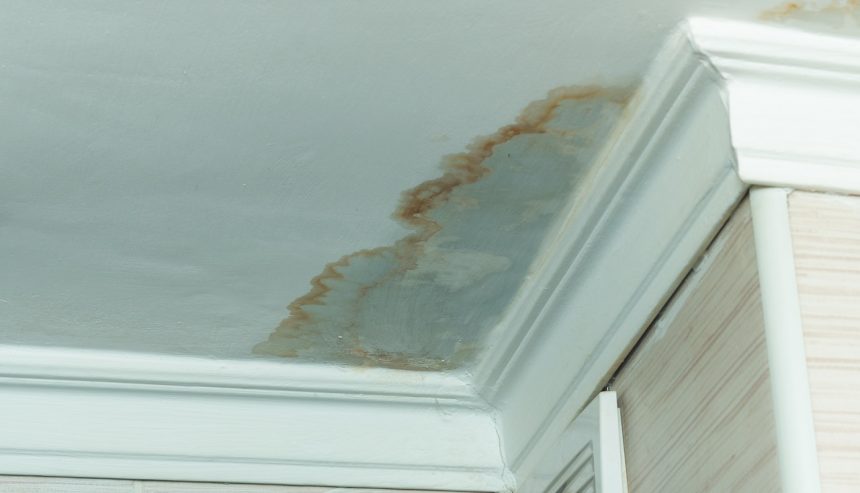
Table of Contents
Mold smell after water damage indicates mold has already begun growing, which can start within 24 to 48 hours of water exposure. The musty, earthy odor comes from microbial volatile organic compounds (MVOCs) released as mold digests wet building materials. If you smell mold after water damage in your Burlington home, an immediate professional response is critical, as the odor signals established mold colonies that will continue to spread and release spores, affecting air quality and health.
Emergency actions include stopping the moisture source, extracting standing water within hours, beginning structural drying with commercial equipment within 24 hours, removing wet porous materials that cannot be dried quickly, maintaining humidity below 60 percent, and contacting IICRC-certified mold remediation professionals for a complete assessment and treatment before mold contamination spreads throughout your home.
You dealt with the water damage. The plumber fixed the burst pipe. The carpet guys extracted the water. Everything looks dry. You think the crisis is over.
Then, three days later, you walk into that room and smell it. That unmistakable musty, earthy odor that makes your stomach sink. Mold smell after water damage.
For Burlington, Kenosha, and Racine homeowners, this scenario plays out far too often. Water damage seems resolved on the surface, but hidden moisture creates perfect conditions for rapid mold growth. By the time you smell mold after water damage, colonies have already established and are releasing spores throughout your home.
This emergency response guide explains exactly what that mold smell after water damage means, the critical 24 to 48 hour timeline that determines whether mold develops, immediate actions that stop mold growth, and when professional intervention becomes necessary to protect your home and health.
Understanding Mold Smell After Water Damage: What You Are Actually Smelling
Short answer: Mold smell after water damage comes from microbial volatile organic compounds (MVOCs), including geosmin and 2-methylisoborneol, that mold releases as it digests organic materials in wet building components. The odor indicates active mold growth has been occurring for at least 24 to 72 hours, meaning mold colonies have established root structures in porous materials and are reproducing and spreading spores into your indoor air.
When you detect a mold smell after water damage, you are not smelling the mold itself. You are smelling the chemical byproducts of mold metabolism.
The Science Behind Mold Odor
As mold grows on wet drywall, wood, insulation, or other organic materials, it secretes enzymes that break down these materials for its own nutrition. This decomposition process releases MVOCs into the air. Two compounds create the characteristic mold smell after water damage:
Geosmin: Produces the earthy, soil-like smell most people recognize as “mold odor.” Your nose can detect geosmin at concentrations as low as 5 parts per trillion, making it one of the most sensitive odor detections humans possess.
2-Methylisoborneol (MIB): Creates the musty, damp quality that accompanies the earthy base smell.
These are the same compounds that create the smell of rain on dry ground, which is why mold smells after water damage often reminds people of damp earth or a forest floor after rain.
What the Smell Tells You
If you smell mold after water damage, several conditions are confirmed:
Mold is actively growing. The odor means mold has been digesting materials for at least 24 to 72 hours. Surface moisture may have dried, but materials remain wet enough internally to support continued growth.
Mold has penetrated materials. Surface mold produces minimal odor. A strong mold smell after water damage indicates that mold has grown into porous materials where cleaning cannot reach it.
Spores are circulating. Growing mold colonies release reproductive spores into your air. You and your family are breathing these spores with every breath taken in affected areas.
The problem is spreading. Mold grows exponentially. Every day you smell mold after water damage, the contaminated area doubles or triples in size.
The Critical 24 to 48 Hour Timeline After Water Damage
Short answer: Mold begins growing within 24 to 48 hours after materials become wet. The first 24 hours are critical for prevention. Hours 24 to 48 represent your last opportunity to prevent mold through aggressive drying. Beyond 48 hours, mold smell after water damage becomes increasingly likely as established colonies begin producing detectable MVOCs.
Understanding this timeline explains why professional water damage restoration emphasizes immediate response:
Hour 0 to 6: The Safe Window
What is happening: Water saturates materials. Mold spores that are always present in the air have not yet begun germinating. Materials are wet but not yet supporting mold growth.
What you must do: Extract all standing water immediately. Begin air circulation and dehumidification. Remove unsalvageable wet materials. This is your prevention window.
Hours 6 to 24: The Critical Period
What is happening: In conditions above 60 percent humidity with organic materials present, mold spores begin germinating. Microscopic hyphae (root structures) start penetrating wet materials. No visible mold exists yet, and there is no mold smell after water damage, but the colonization process has begun.
What you must do: Aggressive structural drying using commercial dehumidifiers and air movers. Maintain indoor humidity below 50 percent. Continue extracting hidden moisture from wall cavities, subflooring, and other concealed spaces. This is your last prevention opportunity.
Hours 24 to 48: The Transition Point
What is happening: Mold colonies establish and begin growing exponentially. Root structures spread throughout wet materials. Mold begins producing MVOCs, though the odor may not be strong enough to detect yet. Surface moisture may have evaporated, giving the false impression that materials are dry when internal moisture content remains at mold-supporting levels.
What you must do: If aggressive drying was not implemented within the first 24 hours, mold smell after water damage becomes increasingly likely. Professional moisture mapping using thermal imaging and moisture meters reveals hidden moisture that is feeding mold growth invisible to the eye.
Hour 48 Plus: Established Mold Growth
What is happening: Mold colonies are well-established and producing spores. MVOC production increases to levels humans can detect. You now smell mold after water damage. The odor will intensify daily as colonies expand and more materials become contaminated.
What you must do: Mold remediation, not just water damage cleanup, is now required. Learn more about professional mold removal and remediation services available in Burlington.
Why Burlington Homes Are Especially Vulnerable to Mold After Water Damage
Short answer: Burlington’s humid summer climate with 70 to 90 percent outdoor humidity, older housing stock with inadequate ventilation, basement construction below grade in clay-heavy soil, and seasonal flooding risks from spring snowmelt create conditions where mold smell after water damage develops faster and more extensively than in drier climates.
Several factors make Burlington homes particularly susceptible:
High Ambient Humidity
Wisconsin summers regularly reach 70 to 90 percent outdoor humidity. When water damage occurs during humid months, the wet materials never fully dry before mold establishes. The ambient humidity alone keeps moisture content in affected materials at mold-supporting levels even after visible water disappears.
Older Home Construction
Many Burlington homes were built before modern moisture barriers, proper ventilation systems, and vapor barriers became standard. These homes lack the built-in moisture control that prevents rapid mold growth after water damage. Once materials get wet, the home’s natural ventilation cannot remove moisture fast enough to prevent a mold smell after water damage.
Basement Prevalence
Most Burlington homes have basements, which are inherently mold-prone after water damage because:
- Below-grade construction stays cooler, slowing evaporation
- Concrete walls and floors wick moisture from the surrounding soil
- Natural ventilation is minimal in below-grade spaces
- Organic materials (wood framing, drywall, stored items) provide abundant mold food sources
Clay Soil
Burlington’s clay-heavy soil retains moisture against foundation walls for extended periods after rain or flooding. This creates chronic moisture pressure against basement walls, slowing the drying process after interior water damage and increasing the likelihood of mold smell after water damage.
The 7 Warning Signs of Mold Growth After Water Damage
Short answer: Beyond odor, warning signs include visible discoloration or spots appearing on walls or ceilings, peeling or bubbling paint, warping or cupping of wood floors, increased allergy or respiratory symptoms in household members, condensation forming on windows that were previously dry, and materials that feel damp or spongy days after water damage occurred.
1. The Musty Odor Itself
If you smell mold after water damage, you have mold growth. Do not wait for visual confirmation. The odor alone warrants immediate professional assessment.
2. Visible Discoloration
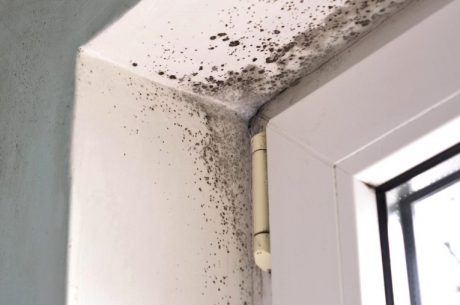
Black, green, white, or orange spots or patches appearing on walls, ceilings, floors, or contents signal established mold colonies. By the time mold is visible, extensive hidden growth likely exists behind affected surfaces.
3. Peeling or Bubbling Paint
Paint that bubbles, peels, or cracks after water damage indicates moisture trapped behind the paint film. This moisture is feeding mold growth between the paint and the wall surface.
4. Warping Materials
Wood floors that cup or warp, doors that stick, or baseboards that pull away from walls signal ongoing moisture problems. These conditions create perfect environments for mold smell after water damage.
5. Health Symptoms
Household members experiencing increased sneezing, coughing, nasal congestion, eye irritation, or asthma attacks after water damage suggest mold spore exposure from hidden growth.
6. Persistent Condensation
Windows, pipes, or other surfaces developing condensation that did not exist before water damage indicate elevated indoor humidity supporting mold growth.
7. Damp Materials Days Later
If materials still feel damp or cold to the touch 3 to 5 days after water damage, insufficient drying occurred. Mold smell after water damage will appear if it has not already.
Emergency Actions: What to Do When You Smell Mold After Water Damage
Short answer: Immediately isolate affected areas by closing doors, stop using HVAC systems that may spread spores, do not attempt DIY mold removal as this releases massive spore quantities, document everything with photos for insurance, contact IICRC-certified mold remediation professionals within 24 hours, and evacuate anyone with respiratory conditions or compromised immunity until professional assessment is complete.
Step 1: Isolate the Area (Immediate)
Close doors to affected rooms to limit spore spread. Do not use fans that blow air from moldy areas into clean spaces. Turn off HVAC systems that serve affected areas to prevent spore circulation throughout your home.
Step 2: Identify and Stop Ongoing Moisture (First Hour)
If the original water source is still active (ongoing leak, high humidity, wet materials), address it immediately. Run dehumidifiers if available. Open windows only if the outdoor humidity is below 60 percent.
Step 3: Do Not Attempt DIY Cleaning (Critical)
When you smell mold after water damage, the mold has established in materials. Scrubbing or disturbing it releases massive spore quantities into your air, creating health risks and spreading contamination. Leave it for professionals with proper containment and HEPA filtration equipment.
Step 4: Document Everything (First 24 Hours)
Take photos and videos of all affected areas, visible mold growth, water staining, and any damaged materials. Document when you first detected a mold smell after water damage. This evidence supports insurance claims and helps professionals assess scope.
Step 5: Contact Professional Mold Remediation (Within 24 Hours)
Established mold requiring professional remediation following IICRC S520 standards. Professionals provide:
- Complete moisture mapping, finding all affected materials
- Proper containment prevents spore spread during work
- HEPA air filtration protects air quality
- Safe removal of contaminated materials
- Antimicrobial treatment of salvageable surfaces
- Structural drying prevents recurrence
- Post-remediation verification ensures complete elimination
Step 6: Notify Insurance (Within 48 Hours)
Most homeowner’s policies cover sudden and accidental water damage, including resulting mold if remediation begins promptly. Contact your insurance company to file a claim and ask about coverage specifics.
How Professionals Eliminate Mold Smell After Water Damage
Short answer: Professional mold remediation includes establishing containment barriers and negative air pressure, deploying HEPA air scrubbers capturing airborne spores, removing all contaminated porous materials that cannot be cleaned, treating salvageable surfaces with EPA-registered antimicrobials, completely drying all affected structures to below 15 percent moisture content, eliminating odors through hydroxyl or ozone treatment, and conducting post-remediation air quality testing confirming successful elimination.
Complete Assessment
Professionals use moisture meters, thermal imaging, and air quality testing to identify all affected areas, including hidden mold behind walls, under flooring, and in HVAC systems that you cannot see but that contribute to mold smell after water damage.
Proper Containment
Physical barriers and negative air pressure prevent mold spores from spreading to unaffected areas during remediation. This is impossible to achieve in DIY attempts and is why homeowners who try self-remediation often end up with more extensive contamination.
Safe Material Removal
Contaminated drywall, insulation, carpeting, and other porous materials are removed following safety protocols and properly disposed of. Professionals wear respirators and protective equipment, preventing exposure during removal.
Antimicrobial Treatment
EPA-registered antimicrobial solutions are applied to salvageable surfaces like wood framing and concrete. Unlike bleach, these products penetrate porous materials and actually kill mold at the root level.
Complete Structural Drying
Industrial dehumidifiers and air movers dry all affected materials to moisture content levels below 15 percent, eliminating the conditions that allowed mold smell after water damage to develop.
Odor Elimination
Advanced deodorization using hydroxyl generators or ozone treatment (in unoccupied spaces) eliminates MVOCs at the molecular level. Surface cleaning cannot achieve this level of odor elimination.
Verification Testing
Post-remediation air quality testing confirms mold spore levels have returned to normal background levels and that the mold smell after water damage has been permanently eliminated.
Preventing Mold Smell After Water Damage: The Professional Standard
Short answer: Prevention requires water extraction within hours, structural drying with commercial equipment within 24 hours, maintaining indoor humidity below 50 percent, removing wet porous materials within 48 hours, continuous moisture monitoring until all materials reach dry standard, antimicrobial treatment of affected surfaces, and professional verification that proper drying has been achieved.
The IICRC S500 Standard for Water Damage Restoration establishes these requirements specifically to prevent mold smell after water damage:
Immediate water extraction: All standing water removed within 3 to 4 hours of discovery.
Rapid structural drying: Commercial dehumidifiers and air movers deployed within 24 hours, maintaining conditions that promote evaporation.
Material removal: Wet porous materials that cannot be dried within 72 hours must be removed.
Humidity control: Indoor humidity is maintained below 50 percent throughout the drying process.
Moisture monitoring: Daily moisture readings verify materials are approaching dry standard (below 15 percent moisture content).
Antimicrobial treatment: Application of EPA-registered antimicrobials to all affected surfaces as a preventive measure.
Following this standard prevents conditions where mold smells after water damage can develop.
FAQs: Mold Smell After Water Damage
How long after water damage does mold smell appear?
Mold smell after water damage typically becomes detectable 3 to 7 days after water exposure if proper drying does not occur. However, mold begins growing within 24 to 48 hours. The smell appears once colonies are established enough to produce detectable MVOC concentrations.
Can mold grow without visible water damage?
Yes. Mold only needs materials above 60 percent, which can result from humidity alone without visible water. This is why you might smell mold after water damage, even when surfaces appear dry. Internal moisture content remains elevated while surfaces feel dry to the touch.
Will dehumidifiers eliminate mold smell after water damage?
Dehumidifiers prevent new mold growth by removing moisture from the air, but they cannot eliminate established mold, causing existing odors. Once you smell mold after water damage, colonies have already formed and require professional remediation to eliminate.
Does homeowners’ insurance cover mold after water damage?
Most policies cover mold remediation if the mold resulted from a covered peril (burst pipe, storm damage) and you took reasonable steps to mitigate damage promptly. Coverage typically has limits, often $5,000 to $10,000. Document everything and file claims quickly.
How long does professional mold remediation take?
Complete mold remediation typically requires 3 to 7 days, depending on the extent. This includes containment, removal, treatment, drying, and verification. Reconstruction of removed materials adds additional time.
Can I stay in my home during mold remediation?
For small, contained areas, yes. For extensive contamination or if household members have respiratory conditions, temporary relocation may be recommended during active remediation when spore levels are highest despite containment.
PuroClean of Burlington: Emergency Mold Response After Water Damage
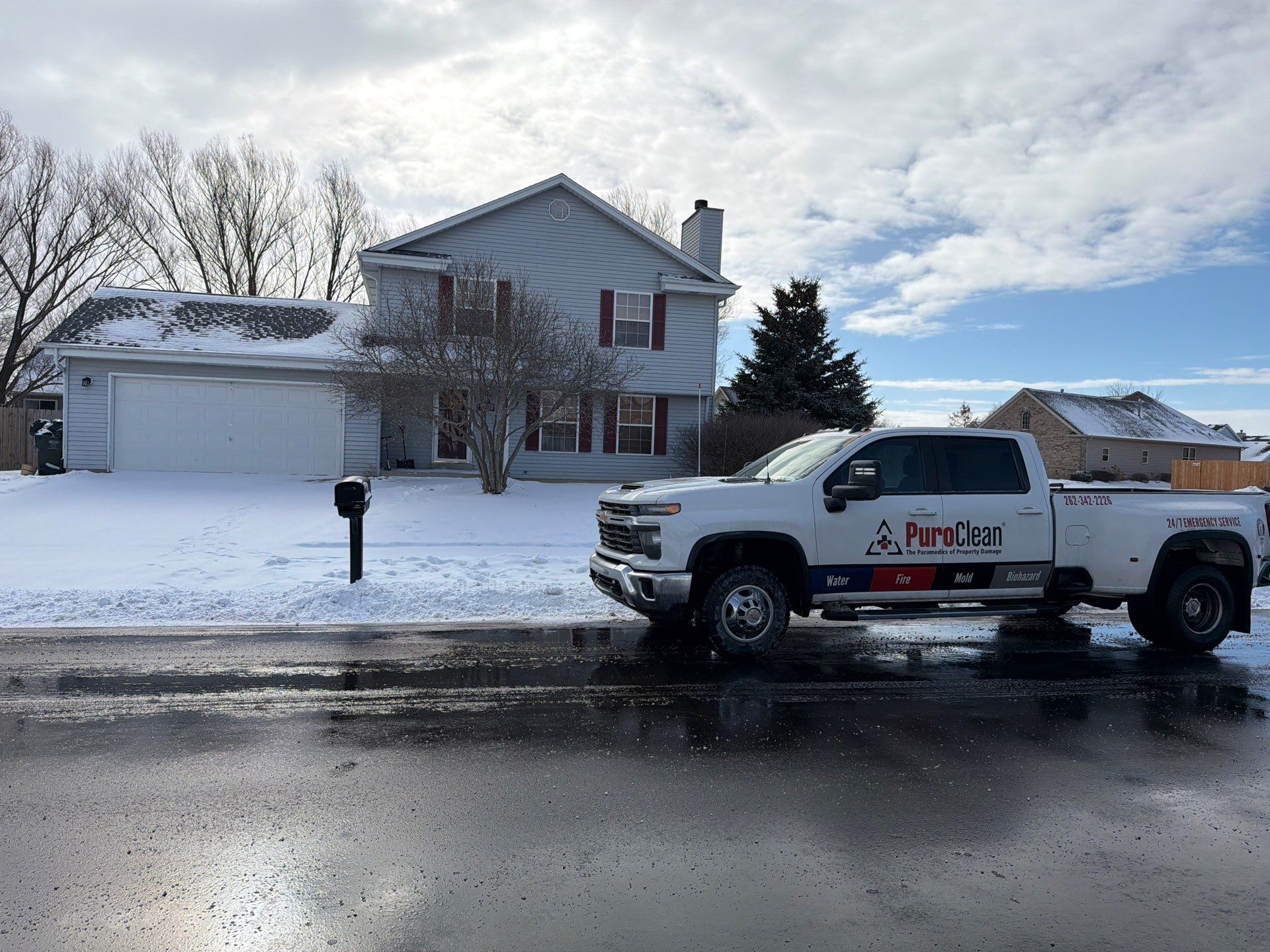
When you detect a mold smell after water damage in your Burlington home, immediate professional response determines whether you face minor remediation or major reconstruction. PuroClean of Burlington specializes in emergency mold response following water damage events.
Our Emergency Mold Services Include:
- 24/7 immediate response to mold smell after water damage emergencies
- Complete moisture mapping with thermal imaging technology
- Proper containment and negative air pressure systems
- HEPA air filtration protects unaffected areas
- Safe removal of all contaminated materials
- EPA-registered antimicrobial treatment
- Industrial structural drying equipment
- Odor elimination using advanced technology
- Post-remediation verification and air quality testing
- Complete documentation for insurance claims
- Full reconstruction services restoring homes to pre-loss condition
As an IICRC-certified, veteran-owned restoration company, we understand the urgency of mold smell after water damage. Our team responds immediately, contains the problem before it spreads, eliminates all mold completely, and provides the documentation your insurance company requires.
We serve Burlington, Kenosha, Racine, and all of southeastern Wisconsin with 24/7 emergency response for water damage and mold remediation.
Mold Smell After Water Damage? Call Now for Immediate Help.
PuroClean of Burlington: Emergency Mold Response
(262) 342-2226
Available 24 Hours Every Day
Serving Burlington, Kenosha, Racine & Southeastern Wisconsin
Summary: Acting Fast When You Smell Mold After Water Damage
Mold smell after water damage means mold colonies have already established and are actively growing and releasing spores into your indoor air. The odor comes from microbial volatile organic compounds produced as mold digests wet building materials. This typically occurs 3 to 7 days after water damage if proper drying does not happen within the critical 24 to 48-hour window.
Burlington homes face an elevated risk due to high humidity, older construction, basement prevalence, and clay soil conditions that slow drying. Warning signs beyond odor include visible discoloration, peeling paint, warping materials, and health symptoms in household members.
Emergency response requires isolating affected areas, stopping ongoing moisture sources, avoiding DIY removal that spreads spores, documenting everything, and contacting IICRC-certified professionals within 24 hours. Professional remediation includes proper containment, HEPA filtration, material removal, antimicrobial treatment, complete structural drying, and verification testing.
Prevention requires following IICRC standards for water damage restoration: immediate extraction, rapid structural drying within 24 hours, humidity control below 50 percent, and continuous moisture monitoring until materials reach dry standard.
If you smell mold after water damage in your Burlington home, call PuroClean of Burlington immediately at (262) 342-2226 for emergency mold response and complete remediation services.
PuroClean of Burlington 📞 Call Now: (262) 342-2226 🕒 Available 24/7 — Because disasters don’t wait.
🔗 Quick Links: Instagram | Google Reviews & Directions | Facebook | Pinterest

 PuroClean of Burlington