


Table of Contents
What Is Antimicrobial Mold Remediation?
Antimicrobial mold remediation is a specialized process that uses antimicrobial agents—substances designed to kill or inhibit mold, bacteria, and fungi—to eliminate infestations and prevent them from returning. Unlike basic cleaning, this method targets both visible mold and the microscopic spores that cause recurring issues.
These treatments are especially valuable in North Metro Atlanta, where warm temperatures and frequent humidity create ideal conditions for mold growth. Homes, offices, and crawl spaces in this region are particularly prone to excess moisture from seasonal rain, poor ventilation, and condensation. Antimicrobial mold remediation helps property owners across areas like Alpharetta, Roswell, Cumming, and Woodstock keep their indoor environments dry, healthy, and protected year-round.
How Antimicrobial Agents Work
Antimicrobial agents act at the cellular level to disrupt mold growth and reproduction. Here’s a breakdown of how they work:
- Cell Penetration: The agent breaks through the mold’s protective cell wall, reaching deep into porous materials like drywall or wood. This ensures that not only surface mold but also hidden colonies are effectively eliminated.
- Enzyme Disruption: It interferes with the production of key enzymes mold needs to feed and multiply. By cutting off these biological processes, the agent stops growth at its source and prevents the release of new spores.
- Dehydration: Some antimicrobial formulas remove moisture from mold cells, drying them out and killing them completely. This creates an environment where new spores can’t survive or take hold.
- Residual Protection: After application, a thin protective layer remains on treated surfaces. This invisible barrier prevents mold spores from reattaching and keeps the area resistant to future contamination.
This dual action—elimination and prevention—makes antimicrobial mold remediation a superior choice over standard bleach-and-scrub methods.
When Should You Use Antimicrobial Mold Remediation?

Antimicrobial agents target the cell structure of mold and other microorganisms.
Mold can spread silently before you even notice visible damage. If you experience any of the following, it’s time to call a professional:
- Persistent musty or damp odors: A lingering smell, even after cleaning, often signals hidden mold growing behind walls or under flooring.
- Visible mold spots: Dark patches or discoloration on walls, ceilings, or around HVAC vents are clear signs that mold is active and spreading.
- Recent water damage: Leaks, flooding, or high humidity can leave behind moisture that allows mold to grow within 24 to 48 hours.
- Worsening allergy or respiratory symptoms: If you or others in the home experience coughing, sneezing, or irritated eyes indoors, airborne mold spores could be the cause.
- Recurring mold after cleaning: When mold keeps returning despite your efforts, it means the root problem—moisture or hidden colonies—hasn’t been properly addressed.
In North Metro Atlanta, frequent humidity and seasonal rain make homes especially prone to recurring mold problems.
Where Antimicrobial Mold Remediation Is Most Effective
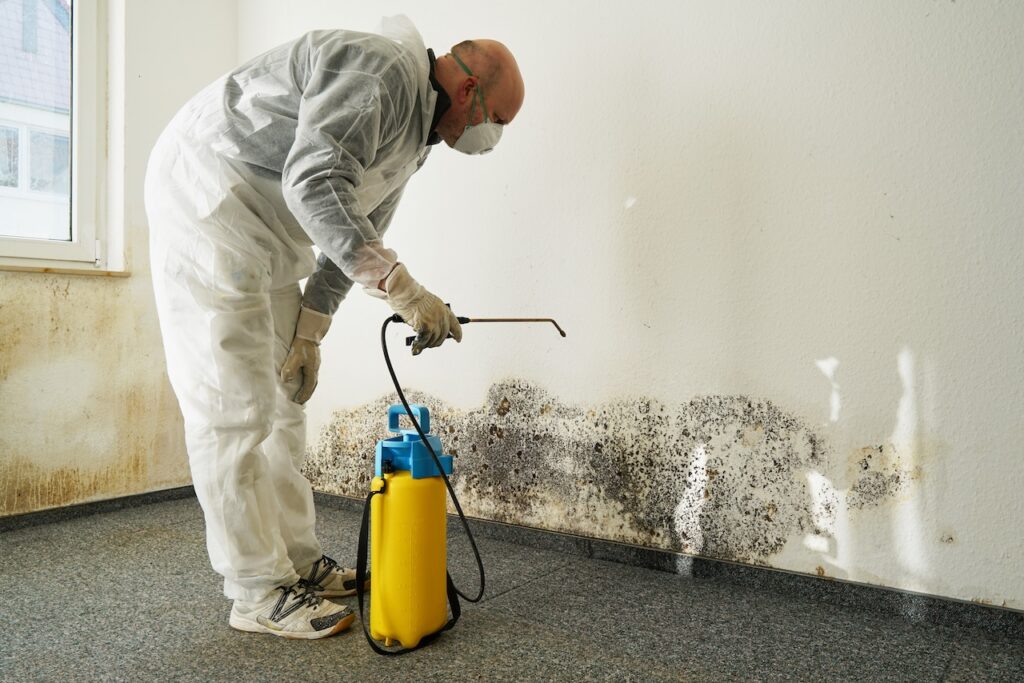
Antimicrobial mold remediation is not limited to just residential homes.
This treatment is versatile and can be applied in both residential and commercial settings:
1. Homes and Apartments
Basements, bathrooms, and kitchens often trap moisture, creating ideal conditions for mold. Antimicrobial agents can be safely applied to drywall, tiles, and wooden surfaces to remove mold and prevent regrowth. This helps families maintain a cleaner, healthier home—especially important for those with asthma or allergies.
2. Offices and Commercial Buildings
In business settings, mold can spread quickly through HVAC systems, ceiling tiles, or wall cavities. Professional antimicrobial remediation improves indoor air quality and protects structural materials, keeping workspaces safe and comfortable for employees and visitors alike.
3. Healthcare Facilities
Hospitals and clinics in humid regions require sterile conditions to protect patients with weakened immune systems. Antimicrobial treatments are essential for eliminating hidden mold and reducing infection risks, helping maintain compliance with strict health and safety standards.
4. Schools and Educational Buildings
Areas like locker rooms, cafeterias, and older classrooms are prone to moisture buildup. Regular antimicrobial applications prevent mold growth and support a healthier learning environment for students and staff.
5. Industrial and Storage Spaces
Factories, warehouses, and storage units can develop mold from condensation, leaks, or poor ventilation. Antimicrobial treatments safeguard these facilities by protecting stored goods, machinery, and building materials from contamination and decay.
Benefits of Antimicrobial Mold Remediation
| Traditional Mold Cleaning | Antimicrobial Mold Remediation |
|---|---|
| Removes surface mold temporarily | Eliminates visible and hidden mold |
| No long-term prevention | Creates a barrier to stop regrowth |
| Uses harsh chemicals like bleach | Uses safe, targeted antimicrobial agents |
| Labor-intensive and time-consuming | Faster, more efficient process |
| Often leads to recurring mold | Long-term, cost-effective protection |
While traditional mold removal methods, such as scrubbing surfaces with bleach or using dehumidifiers, can be effective in the short term, they often don’t address the root cause of the problem. Antimicrobial mold remediation, on the other hand, offers several distinct advantages:
- Long-Term Protection: Traditional methods may remove visible mold but do little to prevent future growth. Antimicrobial agents provide a protective layer on surfaces that stops mold from returning, giving homeowners and businesses peace of mind that their mold problem is truly solved.
- Enhanced Health Benefits: Mold can produce allergens, irritants, and even toxic substances that can be harmful to humans. By using antimicrobial agents, not only is the mold removed, but the risk of it releasing harmful particles into the air is significantly reduced.
- Time Efficiency: Scrubbing mold manually can be a time-consuming and labor-intensive task. With antimicrobial treatments, the process is faster, allowing for quicker remediation and a more immediate return to typical home and business operations.
- Cost-Effectiveness: Although antimicrobial mold remediation may seem more expensive upfront, it can save money in the long run by reducing the need for repeat treatments and preventing the damage that mold can cause to walls, furniture, and other structural elements.
How to Identify When You Need Antimicrobial Mold Remediation
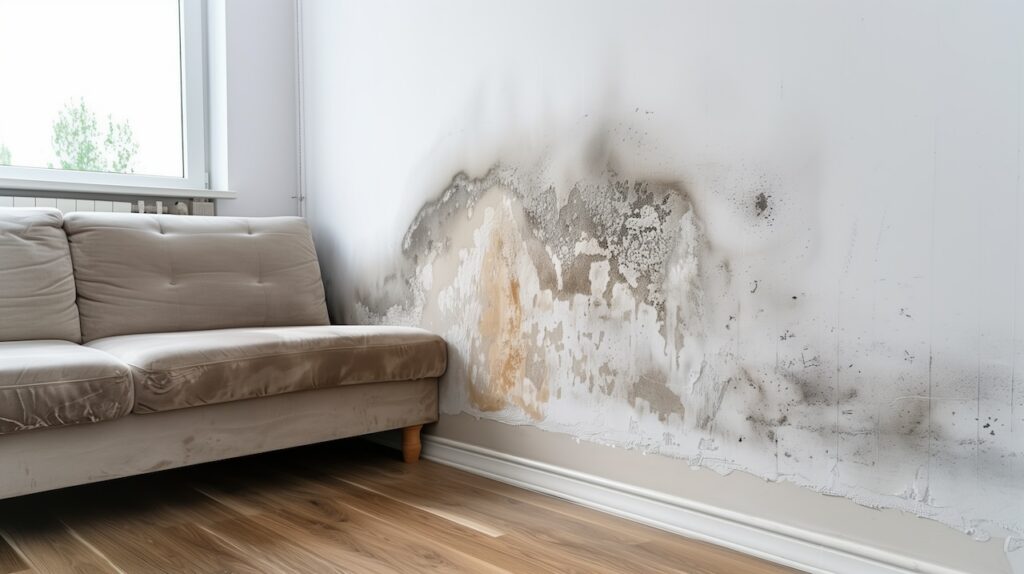
Mold can appear as dark spots on walls, ceilings, or floors.
Knowing when to call in professionals for antimicrobial mold remediation is essential. Here are a few signs that mold has become a serious issue in your property:
- Persistent Musty Odor: If a musty smell lingers in your home or building despite regular cleaning, this could be a sign of hidden mold.
- Visible Mold Growth: Mold can appear as dark spots on walls, ceilings, or floors. Even if the affected area seems small, it’s important to address it promptly to prevent it from spreading.
- Water Damage: Any time there’s water damage from leaks, floods, or high humidity, there’s a risk of mold. Antimicrobial agents can help control mold before it spreads.
- Health Issues: If residents or employees begin experiencing respiratory problems, itchy eyes, or allergic reactions, it may be due to mold exposure. In such cases, immediate mold remediation is crucial.
Frequently Asked Questions (FAQ)
1. How long does antimicrobial mold remediation take? Most projects are completed within 1–3 days, depending on the extent of the mold and size of the property.
2. Are antimicrobial agents safe for my family and pets? Yes. Certified restoration professionals use EPA-approved products that are non-toxic when applied correctly.
3. Can I do antimicrobial mold remediation myself? DIY methods rarely address hidden spores or moisture sources. Professional remediation ensures thorough elimination and long-term results.
4. Does this method prevent future mold growth? Yes. The applied antimicrobial layer acts as a protective shield that prevents mold spores from reattaching and spreading.
5. Is it covered by insurance? Coverage varies, but mold resulting from sudden water damage (like a burst pipe) may qualify. Always check your policy and consult your insurer.
Contact us for Expert Antimicrobial Mold Remediation
At PuroClean North Metro Atlanta, we use advanced antimicrobial mold remediation techniques to protect homes and businesses in North Metro Atlanta, and surrounding areas. Our certified team combines cutting-edge detection tools with EPA-registered antimicrobial products to ensure every property receives the highest level of care.
We focus on delivering fast, safe, and effective remediation while providing long-term protection through moisture control and preventive treatments. Whether you’re dealing with visible mold or suspect hidden contamination, our experts can restore your indoor environment quickly and thoroughly.
Call (770) 720-2320 or visit our mold removal page to schedule an inspection and protect your property today.
Key Takeaways
- Antimicrobial mold remediation kills mold and prevents regrowth.
- It’s ideal for humid areas like North Metro Atlanta, where moisture is common.
- Offers long-term protection and improved indoor air quality.
- Safer and more efficient than traditional cleaning methods.
- Professional service ensures full elimination and peace of mind.
Explore more: