


Table of Contents
Hurricane season preparation matters in Atlanta even though the city is far from the Georgia coast. Tropical systems can move inland and bring heavy rainfall, damaging winds, falling trees, power outages, and localized flooding to North Metro Atlanta. Before severe weather arrives, homeowners should inspect the roof, clear gutters and drainage systems, secure outdoor items, trim hazardous branches, review insurance coverage, and prepare an emergency plan.
Does Atlanta Get Hurricanes?
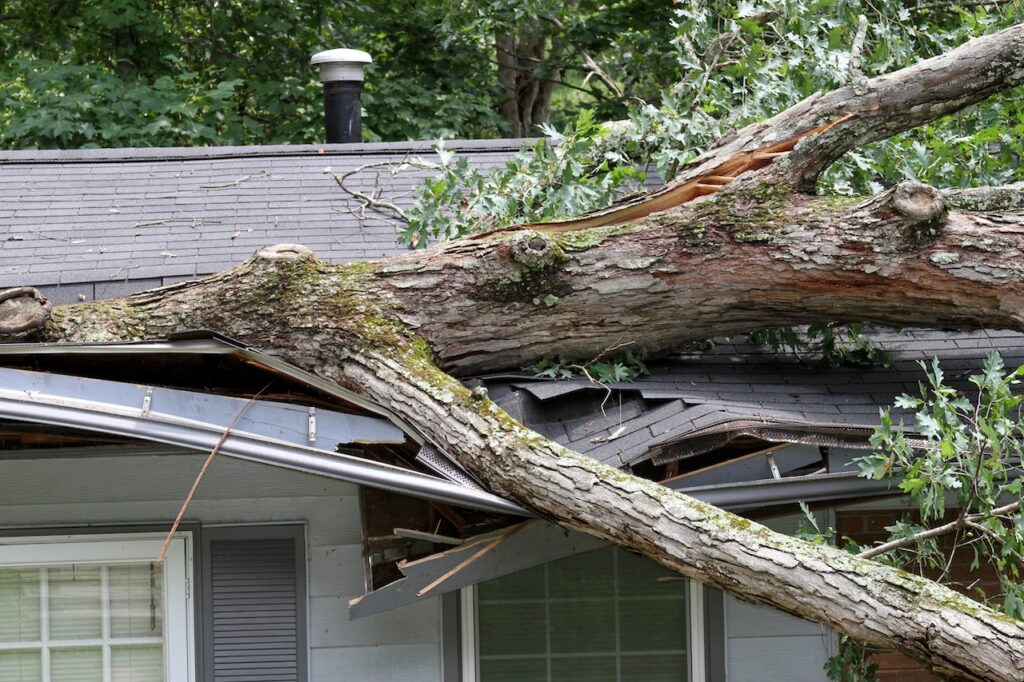
Even tropical storm-force winds can topple trees and damage roofs.
Yes—although Atlanta does not typically experience the same direct hurricane conditions as coastal communities, tropical storms and remnants of hurricanes can travel far inland.
The official Atlantic hurricane season runs from June 1 through November 30. The Georgia Emergency Management and Homeland Security Agency (GEMA/HS) notes that hurricanes can cause damage hundreds of miles inland, making preparation important for residents throughout Georgia.
For North Metro Atlanta homeowners, the most relevant hurricane-related risks include:
- Heavy rainfall and flooding: Tropical systems can produce intense rainfall over a short period, overwhelming drainage systems and allowing water to enter homes.
- Strong winds and falling trees: Saturated soil combined with high winds can increase the chance of trees or large branches falling onto roofs and structures.
- Roof and exterior damage: Wind-driven rain can enter through damaged shingles, flashing, siding, windows, or other vulnerable areas.
- Power outages: Falling trees and strong winds can damage electrical infrastructure and interrupt power for extended periods.
Understanding these local risks makes it easier to prioritize the parts of your home that need attention before a storm.
Hurricane Season Preparation for Your Atlanta Home
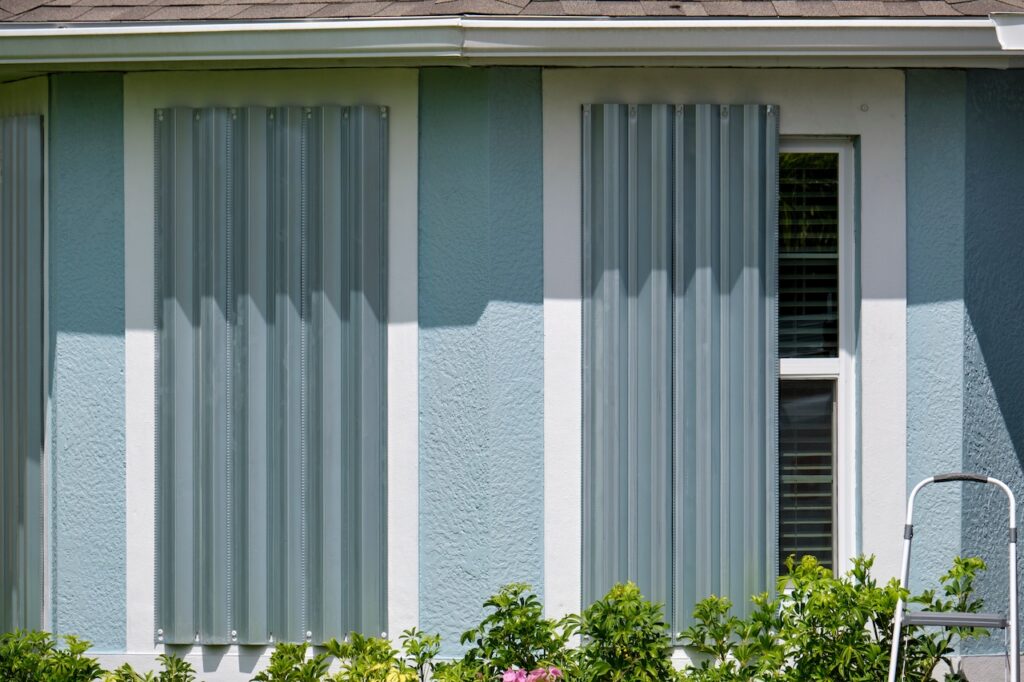
Hurricane shutters are the most practical way to secure any windows and doors in your home.
If you’re wondering how to prepare your house for a hurricane, focus first on areas where wind and water are most likely to cause damage.
1. Inspect Your Roof Before Storms Arrive
Your roof is one of the home’s primary defenses against wind-driven rain.
Look for missing or damaged shingles, loose flashing, deteriorated seals, and other visible problems. If you notice significant damage or have an older roof, schedule an inspection with a qualified roofing professional before severe weather approaches.
Do not wait until a storm warning is issued to arrange major roof repairs.
2. Clean Gutters and Downspouts
Hurricane season gutter cleaning can help rainwater move away from your roof instead of backing up around roof edges or spilling against exterior walls.
Remove leaves, pine needles, twigs, and other debris from gutters and make sure downspouts discharge water away from the foundation. Check the system again after major storms, especially if your property is surrounded by mature trees.
3. Check Drainage Around Your Property
Walk around the exterior and look for places where water commonly collects.
Make sure storm drains, yard drains, and drainage paths are free of debris. Water should move away from the foundation rather than toward the house.
Properties with recurring drainage problems should address them before tropical rainfall arrives.
4. Secure Outdoor Items
Patio furniture, grills, planters, umbrellas, decorations, and lawn equipment can become hazards during high winds.
Move smaller objects indoors when storms are forecast and securely anchor items that cannot be moved. Inspect sheds, fences, and other exterior structures for loose components that could break away.
5. Trim Trees and Remove Hazardous Branches
North Metro Atlanta’s mature tree cover can become a significant concern during tropical weather.
Have dead, damaged, or unstable branches evaluated before hurricane season. Large limbs hanging over roofs, driveways, or utility lines may require attention from a qualified tree professional.
Avoid attempting dangerous tree work yourself, particularly around power lines.
6. Protect Windows and Exterior Openings
Inspect windows and exterior doors for damage, loose components, or deteriorated seals.
If severe winds are expected, follow appropriate local emergency guidance for protecting vulnerable openings. Homeowners considering permanent storm-protection upgrades should consult qualified contractors about options appropriate for their property.

You’ll need the help of professionals to clean up flood damage after a hurricane.
Atlanta Hurricane Preparation Checklist
These areas deserve particular attention before tropical weather reaches North Georgia.
| Home Area | Preparation | Risk It Helps Reduce |
|---|---|---|
| Roof | Repair damaged shingles and flashing | Roof leaks and water intrusion |
| Gutters | Remove leaves and debris | Water backup and overflow |
| Downspouts | Direct water away from the home | Foundation and exterior water problems |
| Trees | Remove hazardous limbs | Roof and structural damage |
| Outdoor items | Bring inside or secure | Windborne debris |
| Windows and doors | Inspect and secure | Wind-driven rain |
| Emergency supplies | Prepare a household kit | Disruption during outages |
Table: Key hurricane season preparation steps for Atlanta homeowners.
Prepare for Power Outages and Emergencies
Property preparation is only part of hurricane readiness. Your household should also be prepared if roads become difficult to travel or utilities are interrupted.
GEMA/HS recommends creating an emergency plan and assembling a Ready kit. Useful supplies may include water, nonperishable food, medications, flashlights, batteries, chargers, important documents, and supplies for pets.
Keep weather alerts enabled and follow instructions from local authorities when severe tropical weather threatens the Atlanta area.
Review Your Home Insurance Before Hurricane Season
Review your homeowners insurance policy before a storm is approaching rather than after damage occurs.
Understand your deductibles and what the policy does and does not cover. Standard homeowners insurance and flood insurance are different forms of coverage, so homeowners concerned about flooding should speak directly with their insurance provider about their situation.
It can also help to photograph important rooms, belongings, and exterior areas before hurricane season. These records may be useful if you later need to document property damage.
What Should You Do After a Hurricane or Tropical Storm?
Once the storm has passed, inspect your property only when conditions are safe.
Look for roof damage, fallen branches, ceiling stains, wet drywall, standing water, and other signs that water has entered the home. Avoid downed power lines, unstable trees, standing water near electrical sources, and structurally damaged areas.
If water has entered walls, ceilings, flooring, or other building materials, visible cleanup may not be enough. Moisture can remain in concealed areas and may require professional drying.
Hurricane Damage Restoration in North Metro Atlanta
The National Hurricane Center notes that hurricanes and tropical systems can cause heavy rainfall, inland flooding, strong winds, and tornadoes well beyond coastal areas. For North Metro Atlanta homeowners, preparing for these inland impacts is an important part of hurricane season readiness.
If heavy rain, roof damage, or flooding allows water into your property, PuroClean of North Metro Atlanta provides professional water damage restoration and property recovery services. Our team can assess affected areas, remove water, dry wet materials, and help address storm-related property damage.
Contact PuroClean of North Metro Atlanta at (770) 720-2320 if your home experiences water or storm damage.
Frequently Asked Questions
Q: Does Atlanta get hurricanes?
A: Atlanta can experience the effects of hurricanes and tropical storms that move inland, even though the city is not on the coast. Heavy rainfall, strong winds, falling trees, flooding, and power outages are among the primary concerns for North Metro Atlanta.
Q: When is hurricane season in Georgia?
A: The Atlantic hurricane season officially runs from June 1 through November 30. Georgia homeowners should prepare before severe tropical weather is forecast rather than waiting until a storm is approaching.
Q: How do I prepare my house for a hurricane in Atlanta?
A: Inspect the roof, clear gutters and drains, trim hazardous tree branches, secure outdoor objects, check windows and doors, prepare emergency supplies, and review your insurance coverage. Focus particularly on preventing wind and water from entering the home.
Q: Should I clean my gutters before hurricane season?
A: Yes. Clogged gutters can prevent heavy rainfall from draining efficiently and cause water to overflow near the roof, siding, or foundation. Cleaning gutters and checking downspouts should be part of seasonal storm preparation.
Q: What should I do if hurricane rain gets inside my house?
A: Stop additional water intrusion if it can be done safely and document the damage. If ceilings, walls, flooring, insulation, or other building materials are wet, contact a professional water damage restoration company to evaluate moisture and begin drying.
Key Takeaways
- Atlanta can experience damaging effects from hurricanes and tropical storms that move inland.
- Hurricane season preparation should begin before storms appear in the forecast.
- Roof inspections and storm damage prevention can reduce the risk of water entering the home.
- Clean gutters, downspouts, and exterior drainage systems before periods of heavy rainfall.
- Secure outdoor objects and address dangerous tree branches before high winds arrive.
- Prepare an emergency kit and follow official Georgia emergency alerts during tropical weather.
- Contact PuroClean of North Metro Atlanta at (770) 720-2320 if storm-related water damage affects your home.