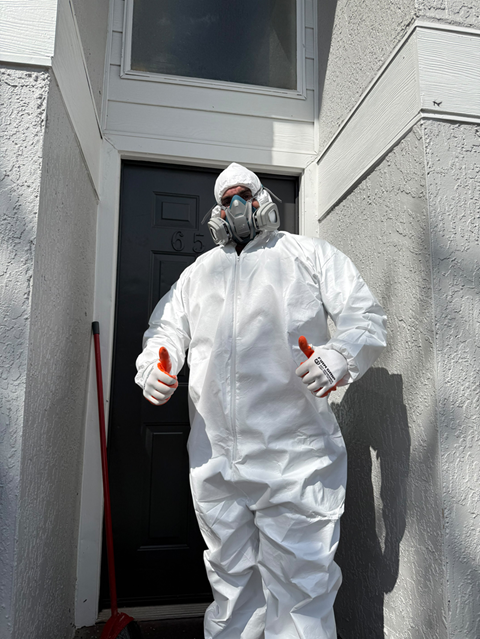
Might rain a little, might be a little cloudy, but good old Florida will always be Florida! Between humid afternoons, sudden downpours, and warm temperatures, homeowners in Tampa and Carrollwood know that moisture can be a year-round concern. While a little rain may not seem like a big deal, lingering moisture inside your home can create conditions that encourage mold growth. Knowing how to spot moisture problems early and prevent water damage can help protect your property. And if a leak, storm, or hidden moisture problem becomes more than a simple cleanup, PuroClean of Carrollwood provides professional water damage restoration and mold remediation services for local homes and businesses.

Why Is Mold a Concern in Florida?
Florida’s warm, humid climate can make moisture management an important part of home maintenance. Rainwater can enter through damaged roofs, windows, doors, or exterior walls, while indoor humidity and condensation can affect bathrooms, kitchens, closets, and air-conditioning systems.
Mold needs moisture to grow. When water remains on building materials or humidity stays elevated, mold can develop on surfaces such as drywall, wood, carpet, and other materials.
Common sources of indoor moisture in Tampa-area homes include:
- Roof leaks after heavy rain or storms.
- Leaking plumbing connections beneath sinks or inside walls.
- Air-conditioning condensate drain problems.
- Poor ventilation in bathrooms and laundry rooms.
- Condensation around windows and exterior walls.
- Water entering garages, crawl spaces, or other vulnerable areas.
- Flooding or water intrusion during severe weather.
The Florida Department of Health’s mold guidance emphasizes that controlling moisture is key to preventing mold growth. That means identifying the source of dampness, correcting the problem, and drying affected materials promptly.
6 Mold Prevention Tips for Florida Homeowners
1. Keep Indoor Humidity Under Control
Florida’s outdoor humidity can make it harder to maintain comfortable indoor conditions, especially when air conditioning is running frequently.
The U.S. Environmental Protection Agency recommends keeping indoor relative humidity below 60%, ideally between 30% and 50%, when possible.
To help manage humidity:
- Use your air-conditioning system as intended and keep up with routine maintenance.
- Consider a dehumidifier in areas that remain damp.
- Use bathroom exhaust fans to vent moisture outdoors.
- Vent cooking moisture appropriately.
- Monitor indoor humidity with an inexpensive humidity meter.
- Investigate persistent condensation on windows, walls, or pipes.
If your home remains humid despite regular air-conditioning use, have the system evaluated by a qualified HVAC professional.
2. Inspect Your Roof, Windows, and Exterior Walls After Rain
Heavy rainfall can reveal small weaknesses in your home’s exterior. A loose roof component, deteriorated sealant, or damaged window frame may allow water to enter without creating an obvious leak right away.
After significant rain, inspect your home from a safe location for:
- New ceiling stains or discoloration.
- Damp spots around windows and doors.
- Peeling paint or bubbling drywall.
- Water collecting near exterior walls.
- Visible damage to roofing, flashing, or gutters.
If you notice a leak, address the source instead of simply covering the stain with paint. Persistent moisture can damage building materials and create conditions that support mold growth.
Avoid climbing onto a roof during or after a storm. Contact a qualified roofing professional if you suspect roof damage.
3. Maintain Your Air-Conditioning System
Your air-conditioning system does more than cool your home. It also plays a role in managing indoor humidity.
Condensate drains and drain pans can become obstructed or develop problems that allow water to collect around HVAC equipment. If that moisture remains unresolved, nearby flooring, walls, or other materials may become damaged.
As part of your regular home maintenance routine:
- Replace or clean filters according to the manufacturer’s instructions.
- Schedule HVAC maintenance as recommended.
- Ask a qualified technician to inspect condensate drainage.
- Check accessible areas around indoor units for signs of leaks.
- Investigate persistent musty odors or unexplained dampness near equipment.
Do not ignore repeated water around an air handler or a drain line that frequently becomes clogged. Addressing the underlying issue can help reduce the risk of further water damage.
4. Fix Plumbing Leaks as Soon as Possible
Even a small plumbing leak can create hidden moisture inside a cabinet, beneath flooring, or behind drywall.
Check under sinks, around toilets, near water heaters, and around visible plumbing connections. Look for damp materials, swollen cabinetry, peeling paint, or unexplained musty smells.
If you discover a leak:
- Shut off the water supply if necessary and safe.
- Protect nearby belongings from additional water.
- Arrange for the plumbing problem to be repaired.
- Dry affected materials promptly when it is safe to do so.
- Seek a professional assessment if water has entered walls, ceilings, flooring, or other concealed areas.
The EPA recommends drying water-damaged areas and belongings within 24 to 48 hours when possible to help prevent mold growth. Some materials may require specialized drying or removal if they remain wet or become moldy.
Read the EPA’s guide to mold, moisture, and your home for additional prevention advice.
5. Check Bathrooms, Closets, and Other Humid Spaces
Mold does not always begin after a major storm. Everyday moisture from showers, cooking, laundry, and condensation can also contribute to indoor dampness.
Pay attention to spaces that receive little airflow or frequently remain humid, including bathrooms, laundry rooms, closets, and areas around exterior walls.
To reduce moisture in these spaces:
- Run bathroom exhaust fans during showers and afterward as needed.
- Make sure exhaust fans vent outdoors.
- Wipe away persistent condensation.
- Avoid leaving wet towels or damp items in enclosed spaces for extended periods.
- Keep stored items away from damp walls when practical.
- Investigate recurring musty odors instead of masking them with fragrances.
If you see mold repeatedly returning to the same location, look for an unresolved moisture source rather than treating only the visible surface.
6. Respond Quickly to Storm-Related Water Damage
Florida rainstorms can sometimes cause more than a wet driveway. Roof leaks, overflowing drainage systems, and water intrusion can affect flooring, drywall, insulation, furniture, and personal belongings.
If water enters your home, focus first on safety. Avoid wet electrical equipment and standing water where electrical hazards may exist. Do not enter a structurally damaged area.
Once it is safe to act:
- Document visible damage with photographs.
- Move unaffected belongings away from the wet area when practical.
- Contact the appropriate professional to stop the source of the water.
- Begin safe drying efforts where appropriate.
- Arrange a professional assessment if the damage is extensive, contaminated, or affecting hidden areas.
If a storm or plumbing failure leaves your home with wet walls, damaged flooring, or persistent moisture, PuroClean of Carrollwood is a local option for water damage mitigation, structural drying, and mold remediation. A professional restoration assessment can help determine which areas are affected and what drying or restoration steps may be needed.
Learn more about PuroClean of Carrollwood’s restoration services.
Signs Your Tampa Home May Have a Moisture or Mold Problem
Early warning signs are not always obvious. Mold can appear in different colors, and not every dark spot or musty smell necessarily indicates mold. However, changes in your home’s surfaces and indoor conditions can signal that an inspection is needed.
Look for:
Musty odors: A persistent earthy smell may indicate dampness or a hidden moisture issue.
Discoloration: Unusual spotting or changes in color on drywall, ceilings, wood, or other surfaces may warrant further investigation.
Peeling or bubbling paint: This can occur when moisture affects painted materials.
Warped flooring or swollen cabinetry: These changes may point to previous or ongoing water exposure.
Recurring condensation: Persistent moisture on windows or walls may indicate a humidity or ventilation problem.
Mold that returns after cleaning: Recurring growth can suggest that the underlying moisture source has not been corrected.
If you suspect a larger mold problem or hidden moisture behind walls, avoid disturbing the affected materials unnecessarily. Seek appropriate professional guidance, particularly when the damage is extensive or follows flooding.
When Should You Call a Mold Remediation Professional?
Some small areas of mold on nonporous surfaces can be cleaned safely using appropriate precautions, depending on the material and the circumstances. Larger problems, recurring growth, and mold associated with extensive water damage may require professional assessment.
Consider contacting a qualified professional when:
- Mold covers a large area or continues to spread.
- Water has entered drywall, insulation, carpet, or other porous materials.
- Mold returns after cleaning.
- A leak has affected concealed areas.
- The property has experienced flooding or potentially contaminated water intrusion.
- You are unsure how to assess or safely address the affected materials.
The Florida Department of Health recommends prompt attention to indoor mold and moisture problems and notes that materials that cannot be adequately cleaned and dried may need to be removed and replaced.
For homeowners and businesses in the Tampa area, PuroClean of Carrollwood offers water damage restoration and mold remediation services. The team can assess affected areas and help determine appropriate mitigation and restoration steps based on the condition of the property.
Frequently Asked Questions About Mold Prevention in Florida
Can Florida’s humidity cause mold inside a house?
High indoor humidity can contribute to mold growth when moisture remains on surfaces or inside building materials. Keeping relative humidity below 60% when possible, maintaining HVAC equipment, and addressing leaks promptly can help reduce the risk.
How quickly can mold develop after a leak?
Mold can begin growing on damp materials within 24 to 48 hours under suitable conditions. Drying affected areas promptly and fixing the source of moisture can help reduce the likelihood of growth.
Does running the air conditioner prevent mold?
Air conditioning can help control temperature and humidity, but it does not guarantee that mold will not develop. Leaks, blocked condensate drains, inadequate moisture control, and damp building materials still need attention.
Should I paint over a mold stain?
No. Painting over mold without cleaning the affected area and correcting the moisture problem does not solve the underlying issue. The EPA advises cleaning affected surfaces appropriately, drying them thoroughly, and fixing the source of water before repainting.
Who can help with water damage and mold remediation in Carrollwood?
PuroClean of Carrollwood provides water damage mitigation, structural drying, mold remediation, and related property restoration services for local homes and businesses. Visit the official PuroClean of Carrollwood website for service information.
Enjoy Florida Weather Without Letting Moisture Take Over
A little rain and a cloudy afternoon are part of life in Florida, but moisture problems deserve attention before they become bigger property concerns. Keep indoor humidity under control, maintain your air-conditioning system, inspect for leaks after storms, and act quickly when materials become wet.
For homeowners in Tampa and Carrollwood, preventing mold starts with managing moisture at its source. And when a leak, storm, or hidden moisture problem causes more extensive damage, PuroClean of Carrollwood can help with professional water damage restoration and mold remediation. Taking action promptly can help protect your property and get your home or business back to normal.