


Hidden Mold Warning Signs Tampa Homeowners Should Never Ignore
Living in Tampa, FL comes with many benefits—warm weather, beautiful outdoor spaces, and year-round sunshine. However, the same climate that makes the area attractive can also create challenges for homeowners.
Mold does not always appear as obvious black spots on walls or ceilings. In many Tampa properties, mold develops quietly behind drywall, beneath flooring, inside cabinets, in attics, crawl spaces, and around HVAC systems where moisture can remain trapped.
For homeowners in Tampa, Carrollwood, Lake Magdalene, Northdale, and surrounding Hillsborough County communities, recognizing the early warning signs of mold can help prevent larger property damage.
PuroClean of Carrollwood provides professional mold remediation in Tampa, FL, helping homeowners identify moisture issues, address mold growth, improve indoor conditions, and restore affected areas.
If you notice a musty odor, water damage, or recurring mold problems, contact our local restoration team for professional guidance.
Why Mold Is Common in Tampa Homes
Florida homes face unique moisture challenges compared to many other parts of the country.
Tampa’s climate creates conditions where moisture can remain inside a property longer, especially during the hot and humid summer months.
Common causes of mold growth in Tampa homes include:
- Heavy seasonal rainfall
- Tropical storms and hurricanes
- Roof leaks
- Plumbing leaks
- Air-conditioning condensation
- Poor attic ventilation
- Crawl space moisture
- Flooding
- Appliance leaks
- High indoor humidity
A small amount of water may not seem like a major concern, but when moisture becomes trapped inside building materials, Hidden Mold can begin developing before homeowners notice visible signs. Here are some signs to look out for
1. Persistent Musty Odors Inside Your Tampa Home

One of the earliest signs of hidden mold is a persistent musty smell.
Many Tampa homeowners first notice mold problems because a room smells damp, earthy, or stale even after cleaning.
A musty odor may indicate moisture problems in areas such as:
- Behind drywall
- Under flooring
- Inside cabinets
- Around plumbing fixtures
- Near HVAC systems
- In attics or crawl spaces
Pay attention if the smell becomes stronger:
- After heavy rainfall
- During Tampa’s humid summer months
- When the air conditioner turns on
- After a previous water leak
A lingering odor should not be ignored because it may indicate hidden moisture or microbial growth or even hidden mold growing.
2. Mold Appearing After Tampa Storms or Flooding
Tampa homeowners frequently experience heavy rainfall, tropical storms, and hurricane-related weather events.
After a storm, water can enter homes through:
- Damaged roofs
- Leaking windows
- Flooded areas
- Broken seals
- Exterior wall damage
Even if water is removed quickly, moisture may remain inside:
- Drywall
- Insulation
- Flooring
- Wood framing
- Cabinets
This hidden moisture can create conditions where mold develops days or weeks after the original storm.
If your Tampa home experienced storm damage, don’t wait until mold becomes visible. A professional moisture assessment can help identify potential problems early.
3. Mold Keeps Returning After Cleaning
A common mistake homeowners make is repeatedly cleaning visible mold without addressing the cause.
If mold returns after cleaning, there may still be an unresolved moisture source.
Examples include:
- A leaking pipe behind a wall
- Poor bathroom ventilation
- Roof damage
- HVAC condensation issues
- Water trapped under flooring
Professional mold remediation focuses on identifying why mold developed, not just removing what is visible.
4. Water Stains on Walls or Ceilings
Water stains are a common warning sign in Tampa properties.
Discoloration may appear after:
- Summer storms
- Hurricane activity
- Roof leaks
- Plumbing failures
- AC condensation issues
Common signs include:
- Brown ceiling stains
- Peeling paint
- Bubbling drywall
- Discolored walls
- Soft spots
Painting over water stains without addressing the moisture source can allow hidden mold problems to continue.
5. Increased Indoor Humidity
Tampa’s warm climate means air conditioning systems work constantly to control indoor temperatures.
When humidity levels remain high, homes may experience:
- Condensation
- Damp surfaces
- Musty odors
- Increased mold risk
Areas most vulnerable include:
- Bathrooms
- Laundry rooms
- Kitchens
- Attics
- Closets
- Crawl spaces
Maintaining proper ventilation and addressing moisture problems quickly can help reduce mold risk.
6. Mold Around Your HVAC System
Air-conditioning systems are especially important in Tampa homes because they operate year-round.
Potential warning signs include:
- Musty smells from vents
- Condensation near equipment
- Water around the AC unit
- Visible growth near vents
- Poor indoor air quality
Because HVAC systems distribute air throughout the home, suspected mold around these areas should be evaluated carefully.
7. Mold in Tampa Attics and Crawl Spaces
Attics and crawl spaces are common locations for hidden mold growth.
Tampa homes may experience moisture problems in these areas due to:
- Roof leaks
- Poor ventilation
- Humidity buildup
- Storm damage
- Plumbing leaks
Because these areas are often overlooked, mold can develop unnoticed for long periods.
A musty smell coming from an attic or crawl space should be investigated.
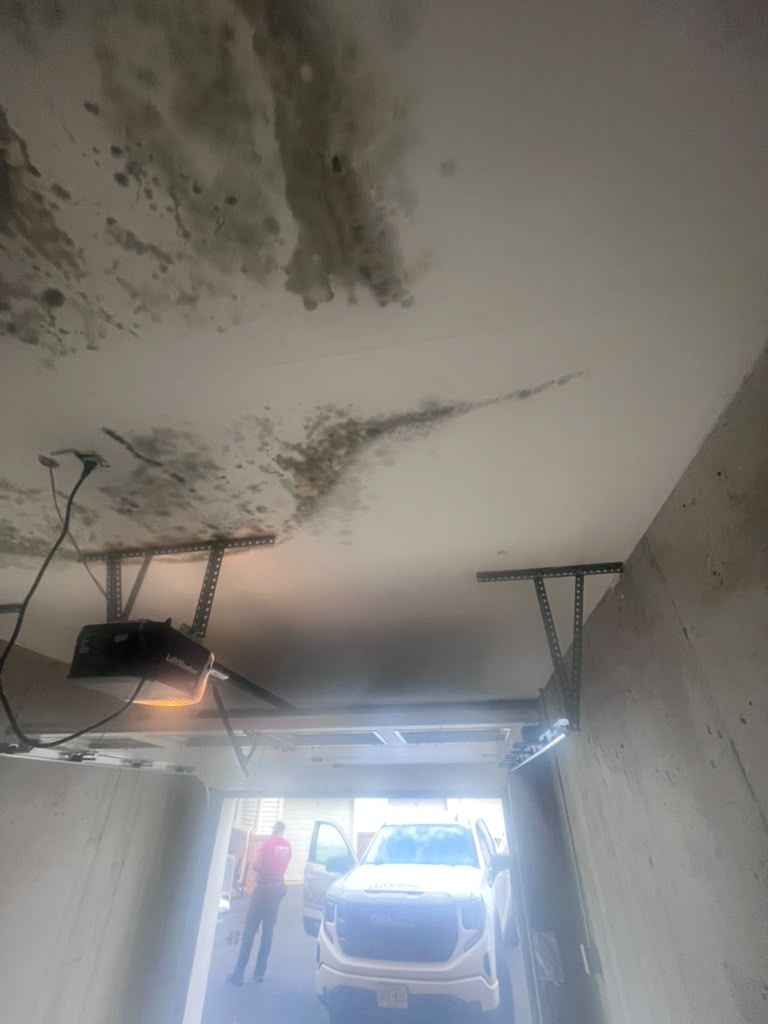
8. Visible Mold Growth
Visible mold may appear as:
- Black spots
- Green patches
- Gray discoloration
- Fuzzy growth
- Surface staining
Common locations include:
- Bathrooms
- Ceilings
- Windows
- Baseboards
- Cabinets
- Flooring
However, visible mold may only represent part of the problem. Hidden mold may exist behind walls or beneath materials affected by moisture.
9. Unexplained Indoor Air Quality Issues
Some Tampa homeowners notice changes inside their homes before they discover mold.
Signs may include:
- Persistent odors
- Rooms feeling damp
- Increased dust
- Poor air freshness
- Concerns after water damage
Indoor air quality issues often indicate that moisture or ventilation problems need attention.
10. Your Home Has Experienced Water Damage
Any Tampa home that experiences water damage has some risk of developing mold if moisture is not properly removed.
Common water damage sources include:
- Burst pipes
- Plumbing leaks
- Flooding
- Storm damage
- Roof leaks
- Appliance failures
Fast water extraction and drying can help reduce the likelihood of mold growth.
Mold Remediation Services in Tampa, Carrollwood, Lake Magdalene & Northdale
PuroClean of Carrollwood provides professional mold remediation services throughout:
- Tampa
- Carrollwood
- Lake Magdalene
- Northdale
- Citrus Park
- Lutz
- Temple Terrace
- Surrounding Hillsborough County areas
Our local team understands the moisture challenges Tampa homeowners face, including:
- High humidity
- Seasonal storms
- Hurricane-related water damage
- Unexpected flooding
- Plumbing issues
When Should You Call a Mold Remediation Professional?
You should consider professional mold remediation if you notice:
- Mold returning after cleaning
- Persistent musty smells
- Mold after flooding
- Mold after storm damage
- Water stains
- Hidden moisture concerns
- Mold inside walls
- HVAC-related mold concerns
Addressing mold early can help prevent additional property damage.
Professional Mold Remediation in Tampa, FL

Mold problems are common in Florida, but they do not have to become overwhelming.
From Tampa’s humid summers to heavy seasonal rainfall and unexpected flooding, moisture problems can develop quickly.
PuroClean of Carrollwood provides compassionate, professional mold remediation services designed to help homeowners understand the problem, address affected areas, and restore their property.
If you suspect mold in your Tampa, Carrollwood, Lake Magdalene, or Northdale home, contact PuroClean of Carrollwood today for professional assistance.