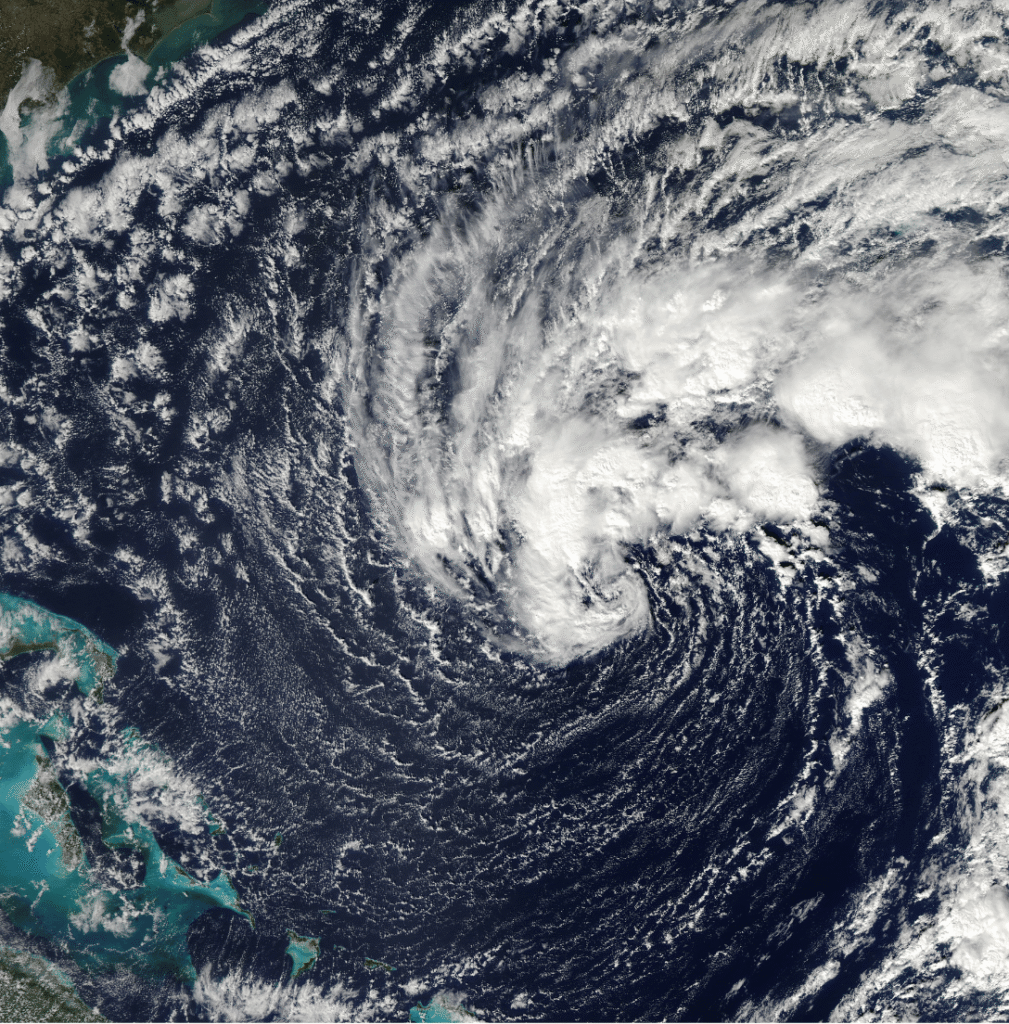
Flooding can happen quickly in Tampa, Florida. Heavy thunderstorms, tropical systems, hurricanes, storm surge, drainage problems, burst pipes, roof leaks, and plumbing failures can all send water into a home or business with little warning. making businesses search for Flood Cleanup in Tampa and find Puroclean of Carrollwood.
When water enters your property, the first priority is always safety. The second is stopping additional damage as quickly as possible.
For Tampa homeowners and business owners searching for emergency water removal near me, 24/7 flood cleanup Florida, or urgent storm damage repair, knowing what to do during the first few hours can make a major difference. Prompt water extraction, drying, cleaning, and professional assessment can help reduce structural damage, protect belongings, and limit the risk of secondary problems such as mold.
This guide explains what to do before, during, and after a flood—and when it makes sense to call a professional restoration company.
Why Flooding Is a Serious Risk in Tampa
Tampa’s climate creates several conditions that can contribute to flooding. Intense seasonal thunderstorms can produce large amounts of rain in a short period, while tropical storms and hurricanes can bring widespread rainfall, storm surge, wind damage, and roof leaks.
The City of Tampa notes that localized flooding is common during rainy-season thunderstorms and tropical storms. Because of the area’s relatively limited topographic relief, water can sometimes drain slowly. Tampa can also experience tidal flooding and significantly more widespread flooding during tropical systems.
Importantly, a property does not have to have a history of flooding to experience water damage.
Flood risk can be affected by rainfall, drainage, river conditions, tidal surge, topography, development, and flood-control measures. That’s why homeowners and businesses should have a plan before severe weather arrives.
Step 1: Put Safety Before Cleanup
Do not rush into a flooded property simply because you want to save furniture, electronics, or other belongings.
Floodwater can contain bacteria, viruses, sewage, chemicals, debris, and other contaminants. The City of Tampa specifically advises residents to avoid standing floodwater and warns against driving through moving or standing water. Downed electrical lines should also be treated as live.
Before entering a flooded home or business:
- Stay away from downed power lines.
- Do not enter water if electrical hazards may be present.
- Avoid contaminated or sewage-affected water.
- Do not drive through flooded roads.
- Keep children and pets away from floodwater.
- Follow evacuation orders and emergency instructions.
- Call 911 if there is an immediate threat to life or safety.
If your property has electrical damage, contact the appropriate utility or a qualified electrician before attempting Flood Cleanup in Tampa.
Safety comes before water removal.
Step 2: Stop the Source of Water If It Is Safe
If the flooding is caused by something inside the building—such as a burst pipe, failed water heater, broken appliance line, or plumbing problem—stop the water source if you can do so safely.
For example, you may be able to shut off the property’s main water supply.
However, do not attempt repairs if the area is unsafe or if you are dealing with electrical hazards, sewage, structural damage, or active storm conditions.
For city-related water or flooding emergencies, Tampa provides emergency flood cleanup in Tampa for water services, wastewater problems, and stormwater/flooding issues.
Once the source has been controlled, the next objective is to remove standing water as quickly as practical.
Step 3: Begin Emergency Water Removal
Standing water does more than make floors and carpets wet.
It can migrate into drywall, insulation, cabinets, flooring, subfloors, wall cavities, electrical components, furniture, and other building materials.
The longer water remains inside a structure, the greater the potential for additional damage.
That’s why homeowners who search for emergency water removal near me or Flood Cleanup in Tampa after a pipe break, flood, or storm are generally looking for more than someone to pump water from a room. Effective water mitigation involves identifying where water traveled, removing standing water, drying affected materials, monitoring moisture, and determining what can be cleaned or what needs to be removed.
Professional Flood Cleanup in Tampa crews may use commercial extraction equipment, air movers, dehumidifiers, moisture meters, and other specialized tools to accelerate the drying process.
Why DIY Water Removal Isn’t Always Enough
A wet floor may look dry while moisture remains underneath it.
Water can become trapped beneath flooring, behind drywall, inside cabinets, underneath insulation, and in wall cavities. In Tampa’s warm and humid environment, hidden moisture can become a significant concern.
A professional assessment can help identify areas that are not obvious during a visual inspection.
Step 4: Document the Damage Before Major Repairs
If conditions are safe, document the damage as soon as possible.
Take photographs and videos of:
- Standing water
- Damaged flooring
- Walls and ceilings
- Furniture
- Appliances
- Electronics
- Cabinets
- Personal belongings
- Roof or exterior damage
- Visible mold or contamination
- Water lines on walls
Create an inventory of damaged belongings and, when possible, gather receipts or other documentation showing their age and value.
The City of Tampa recommends photographing flood damage and damaged items and keeping documentation that can assist with an insurance claim.
Do not delay necessary emergency mitigation simply because you are waiting for an insurance adjuster. Take reasonable steps to prevent additional damage, but keep records of the work, invoices, photographs, and communications.
Step 5: Understand the Difference Between Water Mitigation and Restoration
One of the most important things homeowners and business owners should understand is that water mitigation and restoration are not exactly the same thing.
Water Mitigation
Mitigation focuses on limiting immediate and secondary damage.
It can include:
- Emergency water extraction
- Removal of standing water
- Moisture inspection
- Structural drying
- Dehumidification
- Removal of severely damaged materials
- Cleaning and sanitizing
- Moisture monitoring
Restoration and Repair
Restoration focuses on returning the property to a usable condition.
Depending on the damage, this can include:
- Replacing drywall
- Replacing flooring
- Repairing ceilings
- Rebuilding cabinets
- Painting
- Replacing damaged insulation
- Repairing roofs
- Reconstructing affected rooms
- Addressing storm-related structural damage
In some cases, mitigation and reconstruction are handled by different contractors. In other situations, a full-service restoration company can coordinate multiple stages of the recovery process.
Flood Cleanup for Tampa Homeowners
For homeowners, a flood can affect much more than the visible areas of the house.
Water may enter through doors, windows, roofs, garages, foundations, plumbing systems, or HVAC-related components. Stormwater can also carry contaminants that require more specialized cleanup than a simple clean-water plumbing leak.
Common residential flood damage includes:
- Wet carpet and padding
- Damaged hardwood or laminate flooring
- Saturated drywall
- Wet insulation
- Damaged furniture
- Water-damaged cabinets
- Appliance damage
- Ceiling leaks
- Roof damage
- Garage flooding
- Sewage backups
- Mold concerns
If floodwater has entered the living area, avoid assuming that everything can simply be dried and reused. Some materials may require removal because of contamination or prolonged exposure to moisture.
Flood Cleanup in Tampa for Businesses
Businesses have an additional problem after flooding: downtime costs money.
A flooded office, restaurant, retail store, warehouse, medical practice, apartment complex, or commercial facility can lose revenue while the property is inaccessible.
Business owners should focus on three priorities:
1. Protect People
Do not allow employees, customers, or contractors into unsafe areas.
2. Protect the Building
Address active water intrusion and begin professional mitigation as soon as it is safe.
3. Protect Business Operations
Document damaged inventory, equipment, furniture, records, technology, and other business property.
Depending on the business, flood damage can affect inventory, computers, point-of-sale systems, refrigeration, electrical equipment, documents, tenant spaces, and customer areas.
A restoration company experienced with commercial properties should understand that minimizing downtime is often just as important as removing water.
What to Look for When Searching for 24/7 Flood Cleanup in Florida
Flood emergencies do not follow business hours.
A pipe can burst at 2 a.m. A hurricane can damage a roof overnight. A commercial property can discover flooding before employees arrive in the morning.
That’s why searches for 24/7 flood cleanup Florida are common after severe weather and unexpected water emergencies.
When choosing a restoration provider, look for a company that can provide:
- Rapid emergency response
- Water extraction
- Structural drying
- Moisture detection
- Dehumidification
- Flood and storm cleanup
- Sewage or contaminated-water cleanup when appropriate
- Mold-related services
- Contents handling
- Detailed documentation
- Residential and commercial experience
- Assistance navigating the insurance process
You should also verify licensing and qualifications where applicable. The City of Tampa warns that disaster victims can be targets for contractor scams and recommends checking contractor licensing through Florida’s Department of Business and Professional Regulation.
Do not choose a contractor solely because someone appears at your door after a storm. Take the time to verify who you are hiring.
When You Need Urgent Storm Damage Repair
Not every storm-related problem is limited to standing water.
High winds and tropical systems can damage roofs, siding, windows, doors, gutters, trees, and other parts of a property. A damaged roof can allow additional rain into the structure long after the original storm has passed.
If you notice:
- Missing or damaged shingles
- Roof punctures
- Ceiling leaks
- Broken windows
- Damaged doors
- Water entering around windows
- Fallen trees
- Wet insulation
- Interior ceiling or wall damage
you may need urgent storm damage repair in addition to water mitigation.
Temporary measures such as tarping or boarding may help prevent additional exposure while permanent repairs are arranged. However, these measures should be performed safely and by qualified professionals when necessary.
The City of Tampa also recommends documenting storm damage and taking appropriate steps to mitigate additional damage while working through the insurance process.
What About Mold After a Tampa Flood?
Mold is one of the biggest concerns following prolonged water exposure.
Mold needs moisture to grow, and hidden moisture can remain inside building materials even after the surface appears dry.
Warning signs can include:
- Musty odors
- Discoloration
- Visible microbial growth
- Persistent dampness
- Warped materials
- Moisture behind walls
- Repeated condensation
The best approach is to address the moisture problem first.
Simply painting over discoloration or spraying an air freshener does not solve the underlying issue. If materials remain wet, the problem can return.
Professional drying and moisture monitoring can help determine whether affected areas have reached appropriate drying conditions.
Tampa Flood Zones and Insurance Considerations
Before a flood occurs, homeowners and businesses should understand their property’s flood risk and insurance coverage.
The City of Tampa provides information about flood zones and notes that FEMA Flood Insurance Rate Maps are used to assess flood hazards and inform flood insurance and building requirements. The city also points property owners toward FEMA and Hillsborough County flood-zone resources.
Another important consideration is Tampa’s substantial-damage and substantial-improvement requirements.
For properties in certain flood hazard areas, repairs that exceed applicable thresholds can trigger requirements to bring portions of a structure into compliance with current flood-resistant construction standards. Tampa specifically references FEMA’s 50% rule in its hurricane guidance.
Before beginning major reconstruction after a significant flood, check with the appropriate local building authorities and your insurance provider.
How to Prepare Before the Next Tampa Storm
The best time to prepare for flooding is before the water arrives.
Homeowners and businesses should:
- Know their evacuation zone.
- Know their flood zone.
- Sign up for local emergency alerts.
- Keep important documents in a protected location.
- Photograph valuable belongings.
- Review insurance coverage.
- Know where the main water shutoff is located.
- Keep emergency supplies available.
- Maintain gutters and drainage areas.
- Secure outdoor items before major storms.
- Have emergency contacts readily available.
- Create a business continuity plan if you operate a commercial property.
The City of Tampa recommends knowing both your evacuation zone and flood zone and using local emergency alerts to stay informed.
Businesses should take preparation a step further by identifying critical equipment, backup systems, emergency vendors, employee communication procedures, and alternate operating locations.
Don’t Wait to Address Flood Damage
Flood damage becomes more difficult to manage when water is allowed to remain inside a building.
Whether you’re a Tampa homeowner dealing with a flooded living room or a business owner trying to reopen after a major storm, the basic strategy is the same: stay safe, stop the source when possible, document the damage, remove standing water, dry the structure, and address necessary repairs as quickly as practical.
If you are searching for emergency water removal near me after a sudden leak or flood, don’t wait for visible damage to become a larger problem.
If a tropical storm or hurricane has affected your property, look for a qualified provider offering 24/7 flood cleanup in Florida and emergency mitigation services.
And if your property has suffered roof, exterior, or structural damage, arrange urgent storm damage repair to prevent additional water from entering the building.
For Tampa homeowners and businesses, fast action can make the difference between a manageable cleanup and a much larger restoration project.
Need Emergency Flood Cleanup in Tampa?
If your home or business has experienced flooding, water intrusion, or storm damage, contact a qualified local restoration professional for an assessment as soon as it is safe to do so.
A professional can evaluate the extent of the water intrusion, remove standing water, identify hidden moisture, begin structural drying, and help determine the next steps for restoring your property.
Don’t wait for flood damage to get worse. The sooner water is removed and the structure is properly dried, the sooner your Tampa property can begin the road back to normal.