

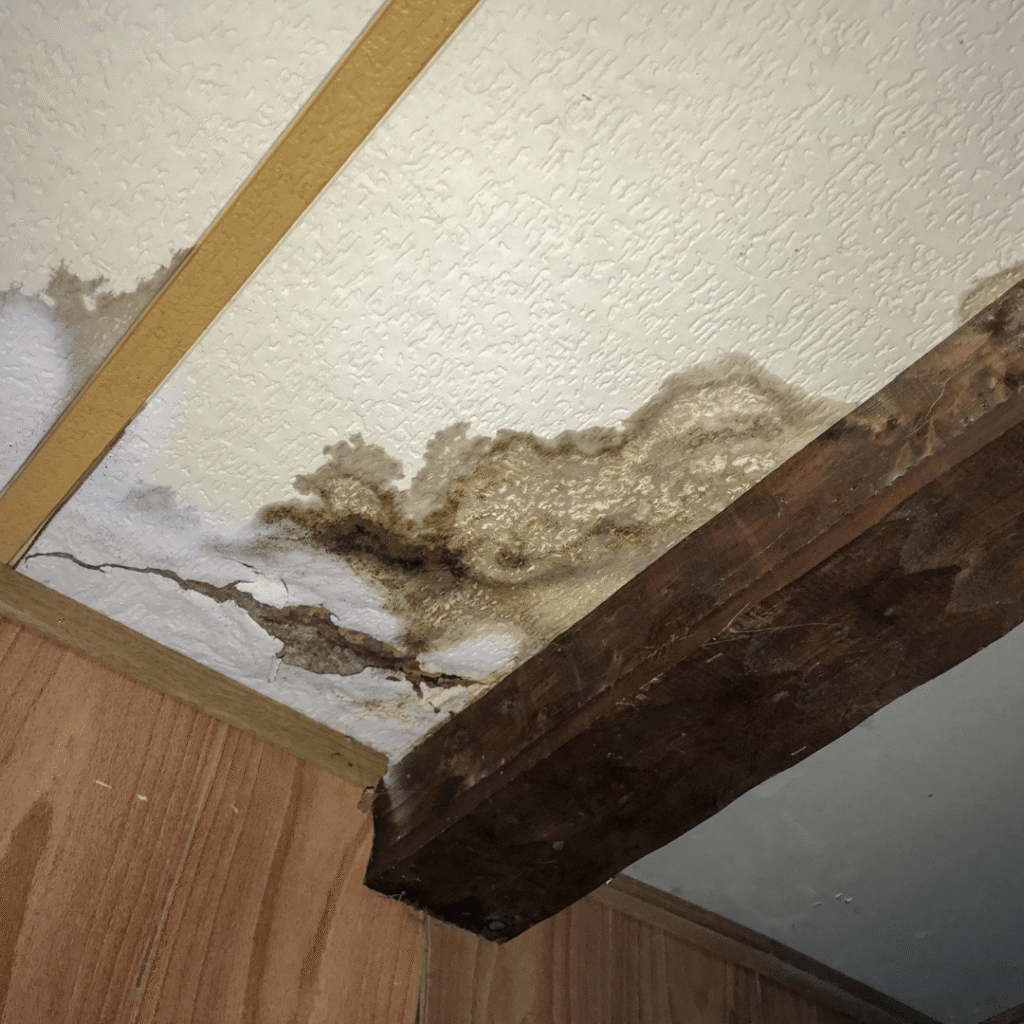
Secondary damage refers to the additional harm that occurs after the initial water damage event. This type of damage can be insidious, slowly developing over time as moisture lingers in hidden areas of the home. It can happen when moisture is not properly removed, allowing it to seep into other areas and materials in your home.
The consequences of secondary damage can include mold growth, structural weakening, and electrical hazards. These issues not only compromise the safety and health of your living environment but also significantly reduce the value of your home. Understanding the nature and causes of secondary damage is crucial for taking preventive measures and ensuring that your home remains a safe haven.
Common Types of Secondary Damage
- Mold Growth: Mold thrives in damp environments. If water is not thoroughly dried, mold can begin to grow within 24-48 hours, posing health risks and damaging surfaces. Mold spores can spread quickly through the air, exacerbating respiratory issues and allergies for the home’s occupants.
- Structural Damage: Water can weaken wooden structures, walls, and flooring, leading to warping, swelling, and eventual collapse if not addressed. Over time, wooden beams and supports can rot, compromising the structural integrity of your home. This type of damage often requires extensive repairs and can be particularly challenging if the damage affects load-bearing walls or foundations.
- Electrical Hazards: Water that reaches electrical outlets or wiring can create serious safety hazards, including the risk of fire. Electrical systems are not designed to withstand moisture, and any exposure can lead to short circuits and potential fire hazards. It’s crucial to address electrical concerns immediately to prevent accidents and ensure the safety of your household.
- Corrosion: Metal surfaces and components can corrode when exposed to moisture for extended periods. Corrosion can weaken plumbing systems, appliances, and fixtures, leading to leaks and further water damage. Regular inspections and maintenance are essential to catch early signs of corrosion and prevent widespread damage.
Identifying Secondary Damage
Being able to recognize signs of secondary damage early can save you from more extensive repairs and restoration later on. Early detection is key to mitigating further damage and reducing repair costs. Homeowners should be vigilant in inspecting their properties for any signs of lingering moisture or damage.
Signs of Mold Growth
- Musty odors, especially in closed spaces like basements or attics. These odors are often the first indication of mold growth and should not be ignored.
- Discoloration or spots on walls, ceilings, or floors. Pay special attention to areas that are prone to moisture, such as bathrooms and kitchens, where mold is most likely to develop.
- Health symptoms such as sneezing, coughing, or skin irritation. If these symptoms worsen at home but improve when away, it may be a sign that mold is present in the house.
Structural Issues
- Warped, buckled, or soft flooring. These signs indicate that water has penetrated deep into the flooring materials, compromising their strength.
- Cracks or gaps in walls and ceilings. Such changes often indicate shifting or settling due to moisture damage, which can lead to more severe structural issues if not addressed.
- Doors and windows that no longer fit properly. Misalignment can be a symptom of underlying structural shifts caused by water damage, necessitating a thorough inspection.
Electrical Concerns
- Flickering lights or unusual sounds from electrical outlets. These disturbances could be signs of moisture interference with electrical circuits, requiring immediate attention.
- Burn marks or a burning smell near outlets and switches. Such indicators suggest potential fire hazards and necessitate urgent electrical inspection by a professional.
Preventing Secondary Damage
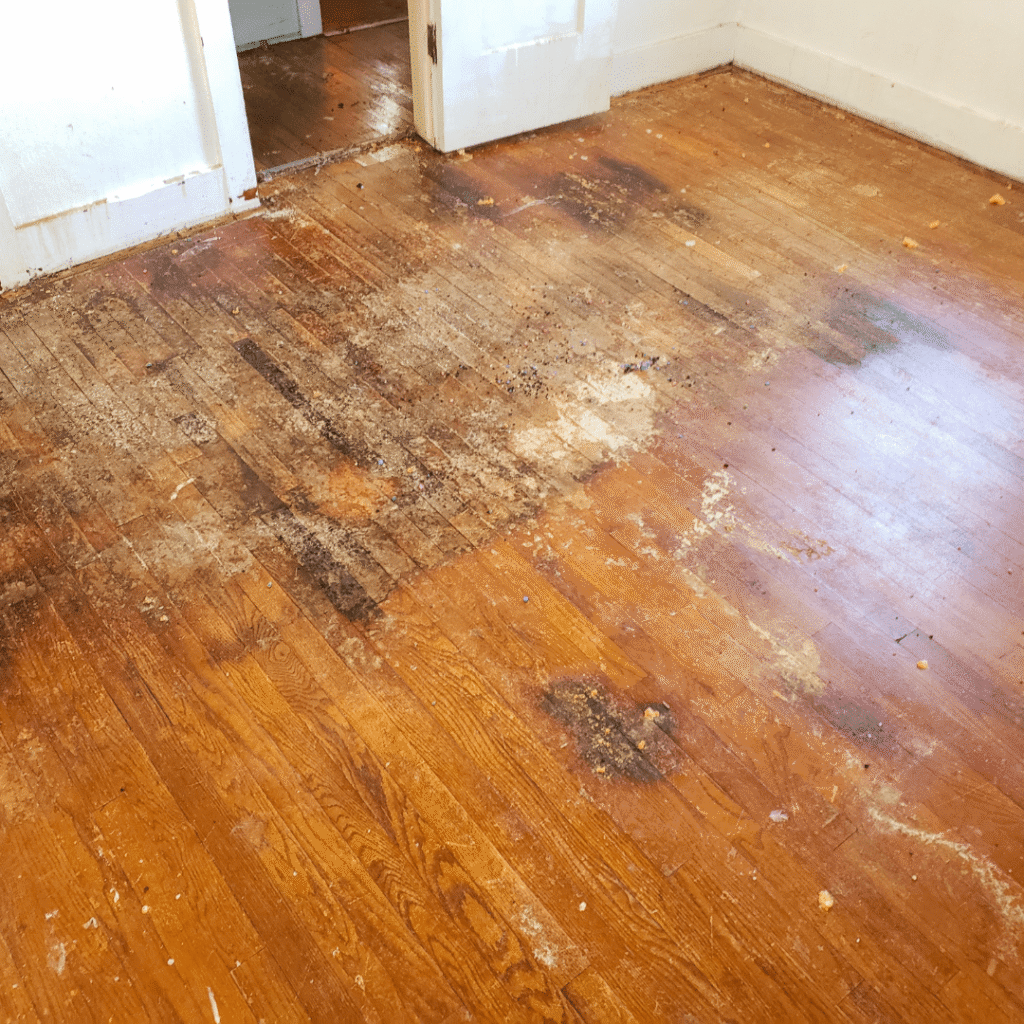
The best way to handle secondary damage is to prevent it from occurring in the first place. Proactive measures can significantly reduce the likelihood of secondary damage and preserve the safety and value of your home. Here are steps you can take to minimize the risk.
Quick Response to Water Damage
- Act Fast: Time is of the essence in preventing secondary damage. As soon as you notice water damage, take action to remove standing water and start the drying process. Quick action can prevent moisture from seeping into walls and flooring, reducing the risk of secondary issues.
- Call the Professionals: Engage a professional emergency water restoration service. They have the tools and expertise to handle large-scale water damage and ensure all moisture is effectively removed. Professional services can also guide on preventing future damage and maintaining a dry environment.
Effective Drying Techniques
- Use Dehumidifiers: These devices help remove moisture from the air, speeding up the drying process. Dehumidifiers are particularly effective in enclosed spaces where airflow is limited.
- Ventilation: Open windows and doors to increase airflow. Fans can also help circulate air and dry out damp areas. Proper ventilation can prevent the buildup of humidity that encourages mold growth.
- Remove Affected Materials: Carpets, rugs, and upholstered furniture can retain water and should be removed if they cannot be dried quickly. Prompt removal of waterlogged materials prevents mold and mildew from developing.
Regular Maintenance and Inspections
- Inspect for Leaks: Regularly check plumbing and roofing for leaks or signs of wear and tear. Early detection of leaks can prevent significant water damage and expensive repairs.
- Maintain Gutters: Ensure gutters and downspouts are clear and direct water away from the house. Properly functioning gutters prevent water from pooling around the foundation, reducing the risk of basement flooding.
- Seal Cracks: Fix any cracks in walls or foundations that could allow water to enter. Sealing cracks is a simple yet effective way to prevent water intrusion during heavy rains.
Risk Management and Preparation
- Flood Risk Management: If you live in a flood-prone area, consider flood-proofing measures such as installing sump pumps or elevating electrical appliances. These precautions can significantly reduce the impact of flooding on your home.
- Emergency Preparedness: Have a plan in place for dealing with emergencies, including contact information for water damage restoration professionals. Being prepared can make a significant difference in how quickly and effectively you can respond to water damage incidents.
Water Damage Solutions
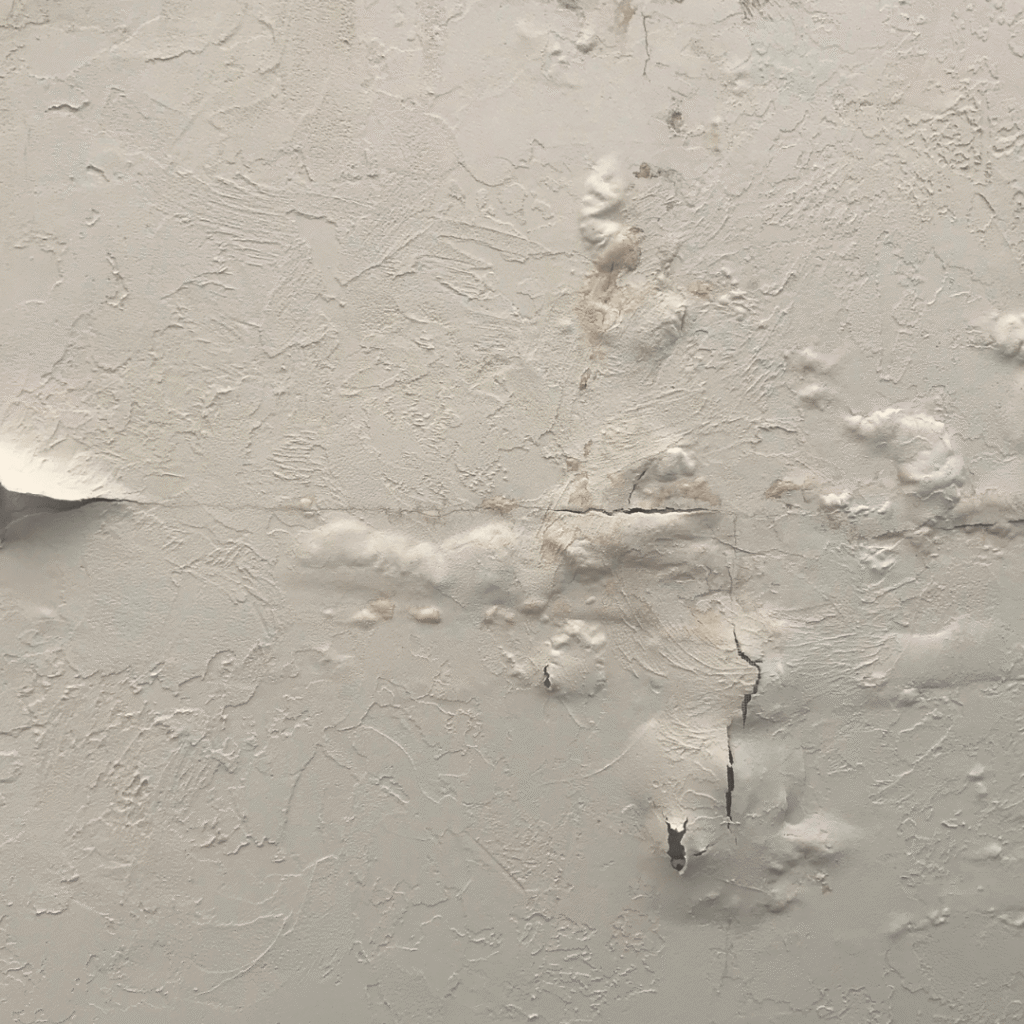
Once secondary damage has occurred, it’s crucial to address it promptly to restore your home and prevent further issues. Timely intervention can prevent the escalation of damage and ensure the safety and comfort of your living space.
Mold Remediation
Professional mold remediation services can safely remove mold and restore affected areas. They will also address the source of moisture to prevent future growth. Proper mold remediation not only eliminates visible mold but also improves indoor air quality and reduces health risks.
Structural Repairs
Repairing structural damage might involve replacing damaged materials or reinforcing weakened areas. This process ensures the safety and integrity of your home. Engaging experienced contractors ensures that repairs are done correctly and that the home’s structural integrity is restored.
Electrical Safety
Have a qualified electrician inspect and repair any electrical damage. Do not attempt to handle electrical issues yourself, as this can be dangerous. Professional electrical repairs ensure that your home’s electrical system is safe and compliant with safety standards.
Corrosion Control
Metal fixtures and components should be inspected for corrosion and replaced if necessary to prevent structural failure. Regular maintenance can prevent corrosion from spreading and affecting other parts of your home.
Final Thoughts
Water damage is a serious issue that can lead to significant secondary damage if not addressed properly. By understanding the risks and taking proactive steps, you can protect your home and health.
Remember, the key is to act quickly and engage professional services like ours at PuroClean Certified Restoration Specialists when needed to ensure a thorough restoration process. Swift and effective action can prevent minor issues from becoming major headaches. With the right water damage solutions, you can restore your home and peace of mind. Contact our team today!