


A flooded basement or crawlspace is every homeowner’s nightmare. Whether you live in an area with a high water table or frequent rains, safeguarding your home against water damage is essential. Enter the sump pump – a critical player in keeping your home dry. This article dives into what a sump pump is, why its maintenance is non-negotiable, signs it is time for a replacement, and how to select a restoration specialist.
Table of Contents
What is a Sump Pump?
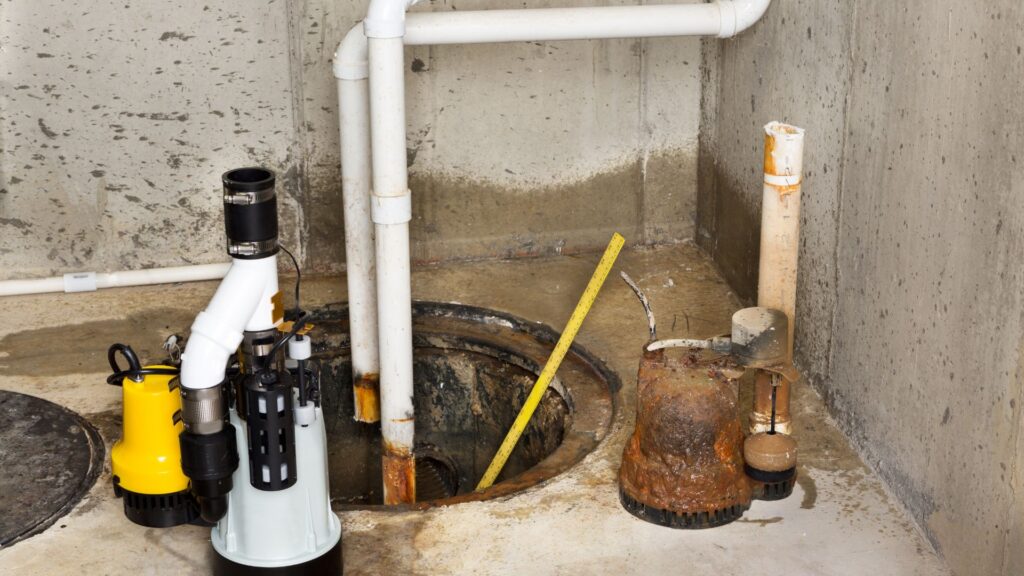
A sump pump is a device typically installed in the lowest part of a basement or crawlspace. Its primary job is to help prevent flooding by discharging water away from the house. When water collects in the sump pit, the pump activates and moves the water out and away from your home, ensuring your space remains dry and free from potential mold and structural issues.
The Importance of Sump Pump Maintenance
Just like any other appliance, sump pumps need regular maintenance. Without proper care, they can malfunction, leaving your home vulnerable to water damage. Here’s why maintaining your sump pump is vital:
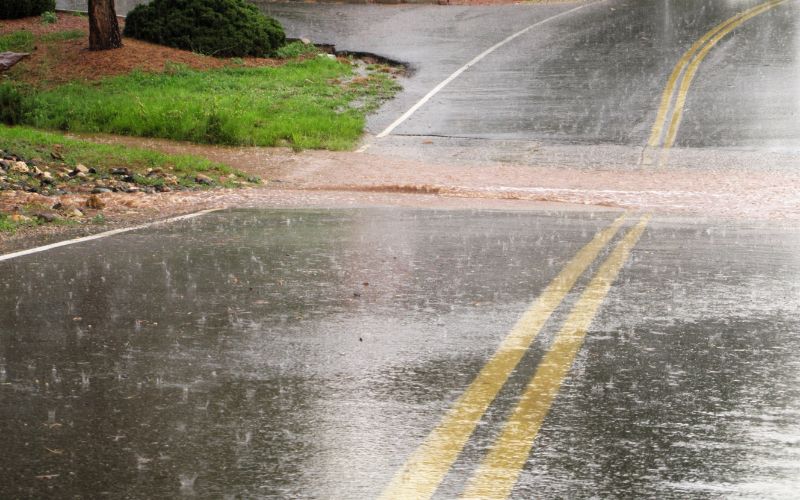
Prevention of Water Damage: The pump’s primary function is to prevent flooding. A non-functional sump pump during heavy rainfall can lead to costly damages.
Increased Lifespan: Regular maintenance ensures your pump runs efficiently, prolonging its life and saving you money in the long run.
Avoiding Mold Growth: A malfunctioning pump can lead to stagnant water, an ideal breeding ground for mold, which can cause health problems for the occupants.
Your Sump Pump Maintenance Checklist
To ensure your sump pump is in top condition, follow this general maintenance checklist:
Visual Inspection:
- Check for obvious signs of wear, damage, or corrosion.
- Ensure the pump sits upright and is not tilted.
- Ensure the area around the sump pump is clear of debris or anything that might interfere with its operation.
Power and Connections:
- Verify the pump is plugged into a working ground fault circuit interrupter (GFCI) outlet and that it hasn’t tripped.
- Examine power cords for wear or damage.
Test the Pump:
- Pour a bucket of water into the sump pit. The pump should turn on, remove the water, and turn off without any issues.
Check the Float:
- The float is what triggers the pump to turn on and off. Make sure it isn’t obstructed or tangled.
- Move it up and down manually to ensure it activates and deactivates the pump properly.
Inspect the Check Valve:
- Ensure the check valve (which prevents water from flowing back into the sump pit) is not malfunctioning or installed backward.
Clean the Grate or Screen:
- The intake screen prevents large debris from entering the pump. It can get clogged over time, so make sure it’s clean.
Examine the Discharge Pipe:
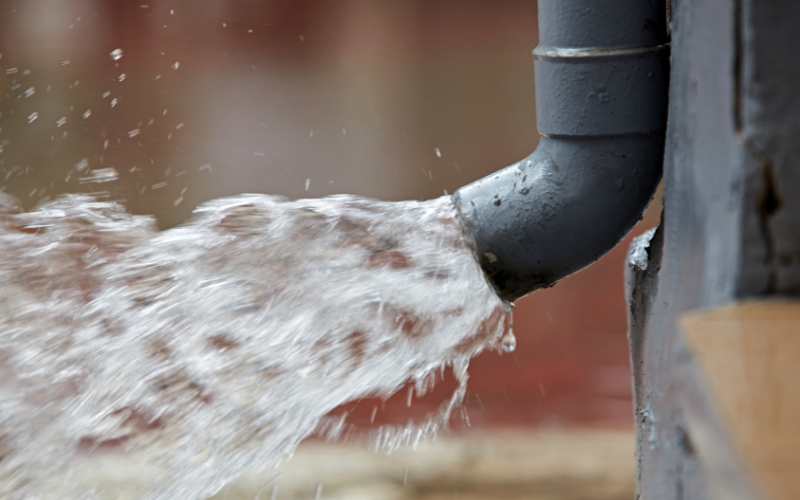
- Ensure the discharge pipe’s exit point is free of debris and blockages.
- In winter, ensure the pipe is not frozen or blocked by ice.
- Ensure water flows away from the home, preventing it from pooling around the foundation.
Listen for Noises:
- Strange noises (like grinding or rattling) can indicate a problem with the pump’s motor or impeller.
Backup Power:
- If you have a battery backup for your sump pump, test it regularly.
- Check the battery water level (if applicable) and refill with distilled water as necessary.
Check for Odors:
- Stagnant water or mold can cause a musty smell. If you notice this, check for reasons why water might be standing and not being pumped out efficiently.
Annual Professional Inspection:
- Even with regular self-checks, having a professional inspect your system at least once a year can catch potential issues.
Update and Replace:
- Remember, sump pumps don’t last forever. Know the age of your pump. Most sump pumps will last 7-10 years. If yours is reaching this age, consider a replacement before it fails.
Signs It’s Time to Replace Your Sump Pump
Even with meticulous care, sump pumps have a shelf life. Here’s when you should consider a replacement:
Age: Most sump pumps last 7-10 years. If yours is approaching or past this range, consider a replacement.
Frequent Cycling: If the pump turns on and off too frequently, it might be a sign it’s struggling.
Odd Noises: Grinding or rattling noises are clear indicators of potential issues.
Rust or Visible Damage: Corrosion can impair functionality.
Choosing a Restoration Specialist
Selecting a professional is crucial, not just for repairs but for advice on maintenance and replacement. Here’s what to consider:
Experience: How long have they been in the industry? Familiarity with various pump models and setups can be beneficial.
Credentials: Ensure they are certified and have good reviews from previous clients.
Services: Some specialists offer comprehensive services, including mold remediation, which can be beneficial if you’ve experienced flooding.
Local Expertise: Local specialists, like PuroClean Certified Restoration Specialists in Centennial, CO, will be familiar with the region’s specific needs and challenges.
Conclusion
In conclusion, sump pumps are essential in preventing water damage, but their efficacy depends on regular maintenance. Equally important is knowing when to replace them and choosing the right specialist to guide you through the process. Puroclean Certified Restoration Specialists want to help keep your home dry and damage-free for years to come.