 PuroClean Certified Restoration Specialists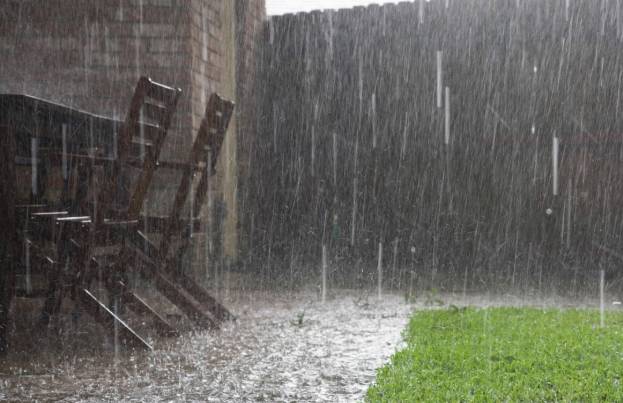
Summer storms in Colorado are not just a passing inconvenience; they are powerful events that can cause serious damage. The heavy rain, often accompanied by strong winds and hail, can wreak havoc on unprepared homes. It’s not uncommon for flash floods to occur with startling speed, leading to extensive water damage and flooded basements. These threats highlight the importance of understanding the specific characteristics of summer storms in Colorado to prepare effectively and minimize potential damage.
Key Dangers
- Heavy Rain: A sudden downpour can quickly overwhelm drainage systems, leading to flooding and water damage. Homes with poor drainage or those situated in low-lying areas are particularly vulnerable. The aftermath of such floods can lead to mold growth and structural damage quickly if ignored.
- Strong Winds: The powerful gusts associated with summer storms can cause structural damage to homes, rip off roofing materials, and topple trees, which can crash into homes or block roads. These winds can also turn unsecured outdoor items into dangerous projectiles.
- Hail: Hailstones, which can range from the size of a pea to that of a golf ball or larger, pose a significant risk to roofs, siding, and windows. Even small hailstones can cause considerable damage, and larger ones can break windows, dent vehicles, and damage crops.
Preparing Your Home for Summer Storms
Proper preparation can help prevent extensive water damage and reduce the need for emergency water restoration, saving both time and money. By taking proactive measures, homeowners can significantly lessen the impact of summer storms on their property.
Inspect and Maintain Your Roof
Your roof is your home’s first line of defense against storms, acting as a shield against the elements. Regular inspections and maintenance are vital to prevent leaks and water damage that can compromise your home’s integrity.
- Check for Damaged Shingles: Regularly inspect your roof for any missing or damaged shingles. Replace them promptly to ensure your roof remains waterproof and can withstand the elements.
- Inspect Flashing: Pay special attention to the flashing around vents and chimneys, as these are common entry points for water. Ensure all flashing is secure and intact to prevent leaks.
- Clean Gutters and Downspouts: Keep gutters and downspouts free from debris such as leaves and twigs. This ensures proper drainage and prevents water from backing up and causing damage to your roof and foundation.
Secure Windows and Doors
Strong winds can put immense pressure on windows and doors, potentially causing them to fail. Ensuring they are secure can prevent significant damage during a storm.
- Install Storm Shutters: Consider installing storm shutters, which provide an additional layer of protection against wind and debris. They can be a valuable investment for homes in storm-prone areas.
- Reinforce Doors: Strengthen entry doors with deadbolts and long screws to enhance their ability to withstand high winds. Garage doors, often a weak point in a home’s defense, should also be reinforced.
- Check Seals: Regularly inspect the weather stripping around doors and windows. Replace any worn seals to prevent water intrusion and improve energy efficiency.
Yard and Landscape Preparation
Your yard can become a source of danger during a storm if not properly maintained. Preparing your landscape can help mitigate risks and protect your home.
- Trim Trees: Regularly trim trees to remove dead branches and ensure they do not overhang your home. This reduces the risk of falling limbs causing damage during a storm.
- Secure Outdoor Items: Bring in or securely tie down patio furniture, grills, and other outdoor items. These can become dangerous projectiles in high winds, causing damage to your home or injuring someone.
- Improve Drainage: Ensure your yard is graded to slope away from your house. This prevents water from pooling around your foundation, reducing the risk of basement flooding.
Essential Summer Storm Safety Tips
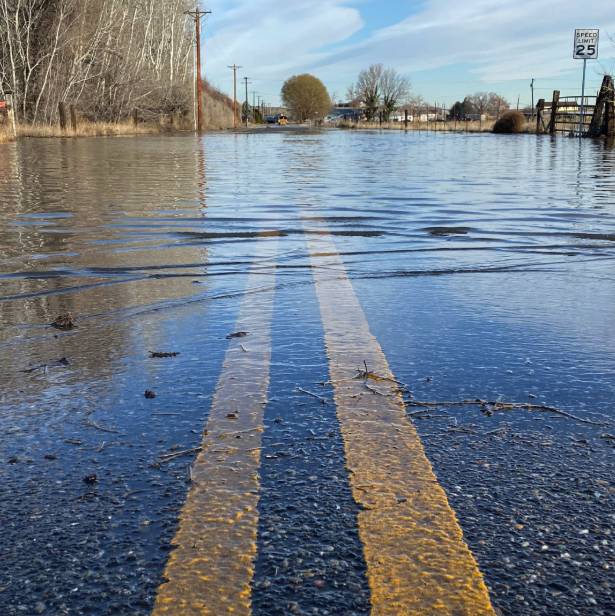
In addition to preparing your home, it’s important to practice summer storm safety. Being proactive about safety measures can protect not only your property but also your loved ones.
Create an Emergency Plan
An emergency plan is essential for ensuring that everyone in your household knows what to do during a storm. This preparation can reduce panic and ensure a quick, organized response.
- Designate a Safe Room: Choose an interior room on the lowest floor without windows to serve as a safe area during a storm. Stock it with emergency supplies and make sure all family members know where it is.
- Establish Communication: Develop a communication plan so everyone knows how to contact each other if separated. Consider using social media or texting, as these may work when phone lines are down.
- Prepare an Emergency Kit: Assemble a kit with essentials like water, non-perishable food, flashlights, batteries, a first-aid kit, and necessary medications. Keep it in an easily accessible location.
Monitor Weather Updates
Staying informed about weather conditions is crucial for reacting quickly to changing situations. Timely information can be lifesaving during severe weather events.
- Use a Weather App: Download a reliable weather app to receive real-time storm alerts and warnings. These apps often provide detailed information on storm paths and severity.
- Listen to Local News: Keep a radio or television on hand to follow local news updates. These sources can provide valuable information on evacuation routes and safety protocols.
- Have a NOAA Weather Radio: A NOAA weather radio provides continuous updates and alerts even when other communication methods fail. It is an invaluable tool in any emergency preparedness kit.
Practice Thunderstorm Safety
Knowing how to act during a storm can prevent injuries and potentially save lives. Educating your family on these safety practices is vital.
- Stay Indoors: Remain inside your home during a storm unless evacuation is necessary. Avoid outdoor activities that can put you at risk of lightning strikes or flying debris.
- Avoid Electrical Appliances: Refrain from using plugged-in electronics during a storm to prevent electric shock. Unplugging devices can also protect them from power surges.
- Steer Clear of Windows: Stay away from windows to avoid injury from breaking glass or flying debris. Close curtains or blinds for added protection.
Dealing with Water Damage
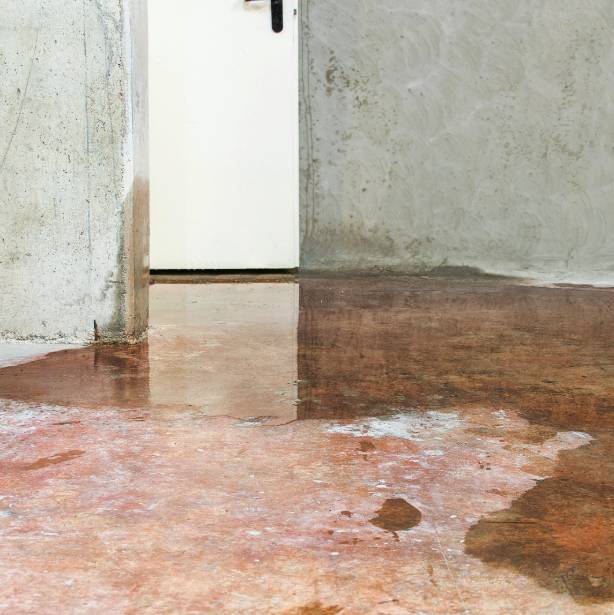
Despite the best preparations, sometimes water damage is unavoidable. Knowing how to handle it effectively is essential to minimize long-term impacts.
Steps to Take After Water Damage
- Ensure Safety: The first step is to ensure the safety of everyone involved. Turn off electricity in affected areas and avoid contact with standing water, which may be contaminated.
- Remove Water: Use pumps or wet vacuums to remove standing water as quickly as possible. The faster you act, the less damage is likely to occur.
- Dry Out Affected Areas: Use fans and dehumidifiers to help dry out affected areas. This process can prevent mold growth and further structural damage.
- Call Professionals: Contact emergency water damage restoration services for thorough cleanup and repairs. Professionals have the necessary equipment and expertise to handle severe water damage efficiently.
Preventing Future Damage
Once your home is restored, implementing measures to prevent future water damage can save you from similar situations in the future.
- Install Sump Pumps: Installing sump pumps in basements can help prevent flooding by automatically pumping water out of the area.
- Improve Drainage Systems: Regular maintenance of gutters and downspouts ensures they are functioning properly. Consider installing additional drainage solutions if needed.
- Consider Waterproofing: Waterproofing vulnerable areas, such as basements, can provide an additional layer of protection against water intrusion.
Conclusion
Preparing your home for summer storms in Colorado is vital to protecting your property and family. By understanding the threats, taking preventive measures, and knowing how to handle emergencies, you can minimize damage and stay safe during storm season.
Remember, when dealing with water damage, quick action and professional help are key to successful recovery. For expert, 24/7 emergency water damage services in Centennial, contact our team at PuroClean Certified Restoration Specialists today!


 PuroClean Certified Restoration Specialists