 PuroClean Disaster Restoration of West Fort Wayne
 Location Focus: Fort Wayne, Indiana
Executive Summary
White mold and mildew are two of the most common problems affecting homes in Fort Wayne. They often look similar, but their behavior, risks, and treatment methods differ significantly. This article provides a complete step by step guide to identifying white mold or mildew on walls and ceilings, how to remove them safely, how to prevent recurrence, and when to call a mold removal professional. You will also read a real story from a Fort Wayne homeowner who ignored early warning signs and ended up with hidden mold damage. If you live in Fort Wayne or nearby neighborhoods and need fast help, call PuroClean Disaster Restoration of West Fort Wayne at (260) 263-9788 for immediate assistance.
What Is the Difference Between White Mold and Mildew in Fort Wayne Homes?
Both fungi thrive in humid or damp conditions, but the level of risk differs.
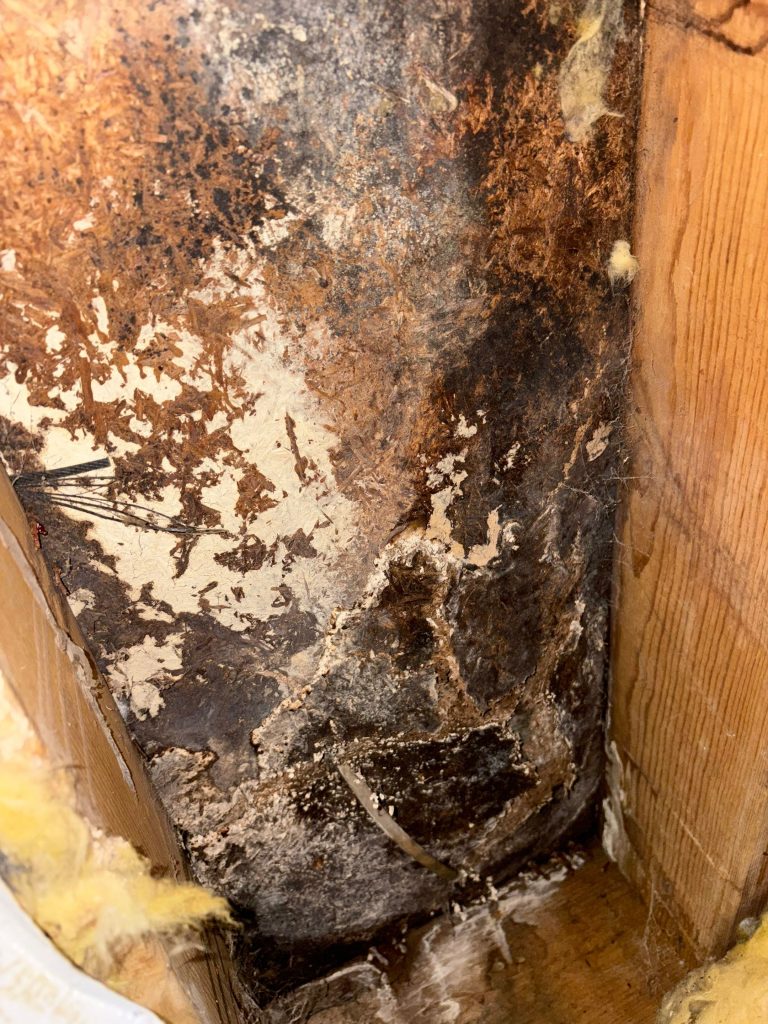
White Mold
White mold is invasive. It grows into drywall, wood, and insulation. It looks cotton-like, fluffy, or powdery but usually penetrates surfaces instead of staying flat. White mold can weaken structures and trigger respiratory discomfort.
Mildew
Mildew grows on the surface, usually in high humidity areas. It often appears white or light gray before becoming brown or black. Mildew is flatter and easier to wipe away.
The key difference is how deep they grow. Mildew stays on the surface. White mold grows inside the material.
Why Are Fort Wayne Homes Prone to Mold and Mildew?
Fort Wayne’s weather patterns play a major role. The region experiences humid summers, wet springs, and cold winters that create condensation on walls, window frames, basements, and ceilings.
Common causes include:
- Leaking roofs or attic moisture
- Basement humidity from groundwater
- Poor ventilation in bathrooms and kitchens
- Plumbing leaks behind walls
- Damp crawl spaces
- Heavy rainfall increasing indoor moisture
Older homes in Fort Wayne tend to have more air leaks and insufficient insulation, which increases condensation that mold loves.
What Are the Signs You Are Dealing With White Mold or Mildew?
Common indicators include:
- Musty smells that linger
- White or gray patches on walls
- Flaking paint or soft drywall
- Persistent allergies or coughing indoors
- Circular powdery spots (usually mildew)
- Fuzzy textures (often white mold)
- Ceiling discoloration after storms or leaks
If the growth wipes off easily, it is likely mildew. If it returns or spreads irregularly, it may be mold.
How Do You Identify White Mold in Fort Wayne Homes?
Texture Test
White mold often appears soft, fuzzy, or raised. Mildew looks flat and chalky.
Surface Test
Press gently with a gloved hand. If it sinks into the wall or ceiling, it is likely white mold.
Odor Test
White mold produces a deep earthy smell. Mildew smells lighter but still musty.
Growth Pattern
White mold spreads unevenly and grows outward into irregular shapes.
Return Test
If the growth comes back within days after cleaning, it is probably mold.
A Fort Wayne Homeowner Who Waited Too Long
In early 2024, a Fort Wayne homeowner in the West Central neighborhood noticed a faint white dust-like patch inside her pantry. She assumed it was harmless because the pantry felt dry and cool. After wiping it away, she thought the problem was solved.
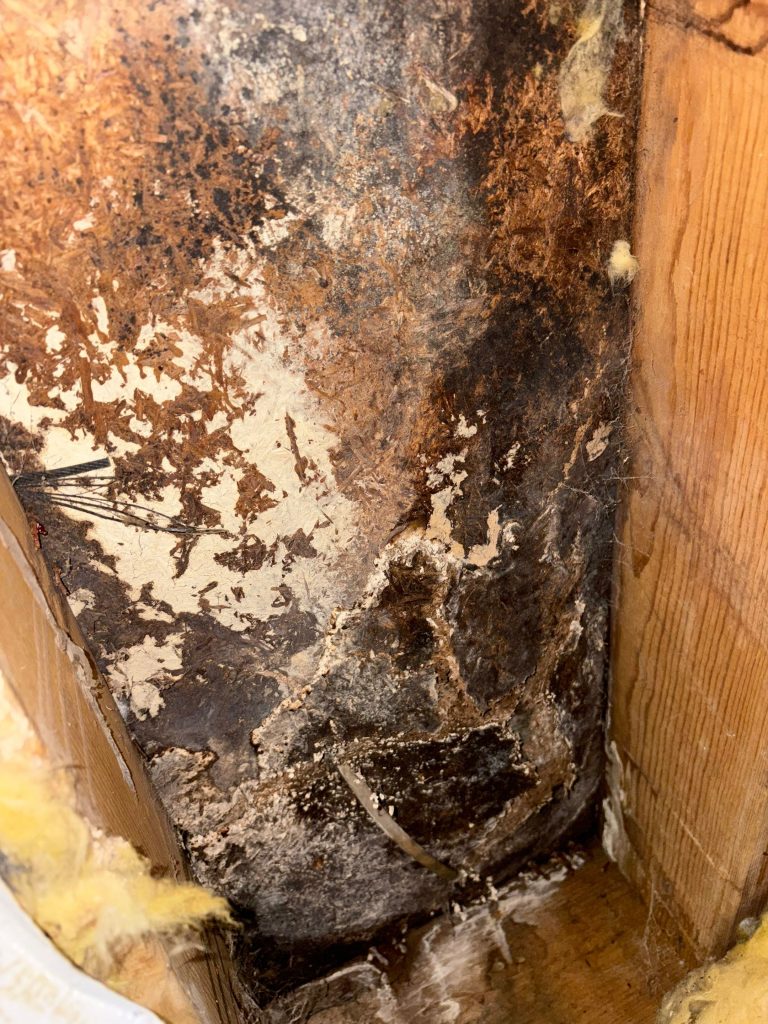
Two months later, she noticed a stronger musty odor and found the same white patches returning behind food containers. She eventually discovered a slow leak from an upstairs bathroom dripping inside the wall. The moisture had allowed white mold to spread through the drywall and wood framing.
The cleanup required removing portions of the wall, treating the insulation, and running industrial air scrubbers for several days.
The lesson:
Never ignore a musty smell or recurring white growth. White mold hides behind the surface and spreads long before it becomes visible.
What Are the Health Risks of White Mold and Mildew?
White mold and mildew affect different people in different ways.
White Mold Risks:
- Coughing and throat irritation
- Headaches
- Fatigue
- Nasal congestion
- Worsened asthma
- Skin irritation for sensitive individuals
Mildew Risks:
Milder, but can still cause allergies or irritate breathing.
Because Fort Wayne experiences seasonal weather changes, indoor air quality often fluctuates, making mold related symptoms more noticeable.
The Comprehensive 6 Step Guide to Spotting and Safely Removing White Mold and Mildew in Fort Wayne
1. Inspect the Area for Moisture and Damage
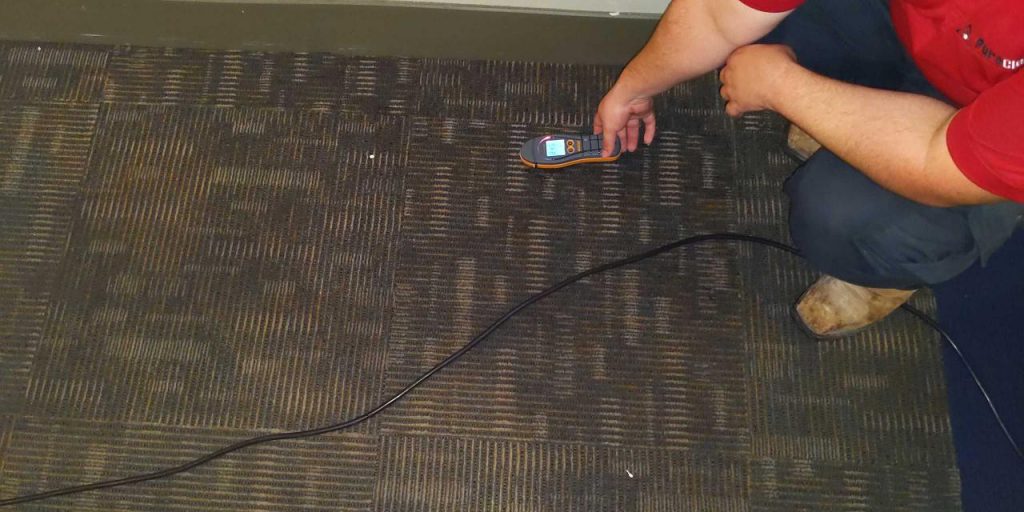
Start by checking for:
- Damp spots
- Soft drywall
- Water stains
- Musty smells
- Recent leaks
Moisture creates the ideal environment for mold and mildew.
2. Wear Protective Gear Before Cleaning
Use:
- Gloves
- N95 mask
- Eye protection
- Long sleeves
This prevents accidental exposure to mold spores.
3. Identify Whether It Is White Mold or Mildew
Ask yourself:
- Does it wipe away easily
- Does it smell strong
- Is the surface damp
- Is the texture fuzzy
- Did it return after cleaning
If the answer points to mold, proceed with caution.
4. Fix the Moisture Source Before Cleaning
Cleaning without addressing moisture will not work. Fix:
- Roof leaks
- Plumbing issues
- Attic ventilation
- Foundation cracks
- Basement humidity
Most Fort Wayne mold cases start with small leaks that go unnoticed.
5. Clean the Area According to the Type of Growth
For Mildew (surface level):
Use a mild bleach solution.
- Mix one cup of bleach with one gallon of water
- Apply with a cloth or spray
- Scrub gently
- Rinse and dry thoroughly
For White Mold (invasive):
Use white vinegar or a specialized mold spray for very small areas.
Steps:
- Apply vinegar
- Let it sit for at least one hour
- Scrub the surface lightly
- Wipe with water
- Dry completely
If the mold covers more than three square feet or appears inside the wall, stop and call a professional.
6. Restore the Area and Prevent Recurrence
After cleaning:
- Repaint using mold resistant paint
- Reduce indoor humidity
- Use bathroom and kitchen exhaust fans
- Check basements and attics regularly
- Run a dehumidifier during humid months
Fort Wayne humidity makes prevention as important as removal.
When Should You Call a Professional Mold Removal Service in Fort Wayne?
You should call a certified mold technician when:
- The patch is large
- The mold keeps returning
- You smell strong musty odors
- The drywall is soft or damaged
- Water damage is visible
- You suspect hidden mold in walls
- Someone in the home has asthma or allergies
Professionals use moisture meters, HEPA air scrubbers, containment barriers, and specialized cleaning equipment that homeowners do not have.
How Do You Choose the Right Mold Removal Service in Fort Wayne?
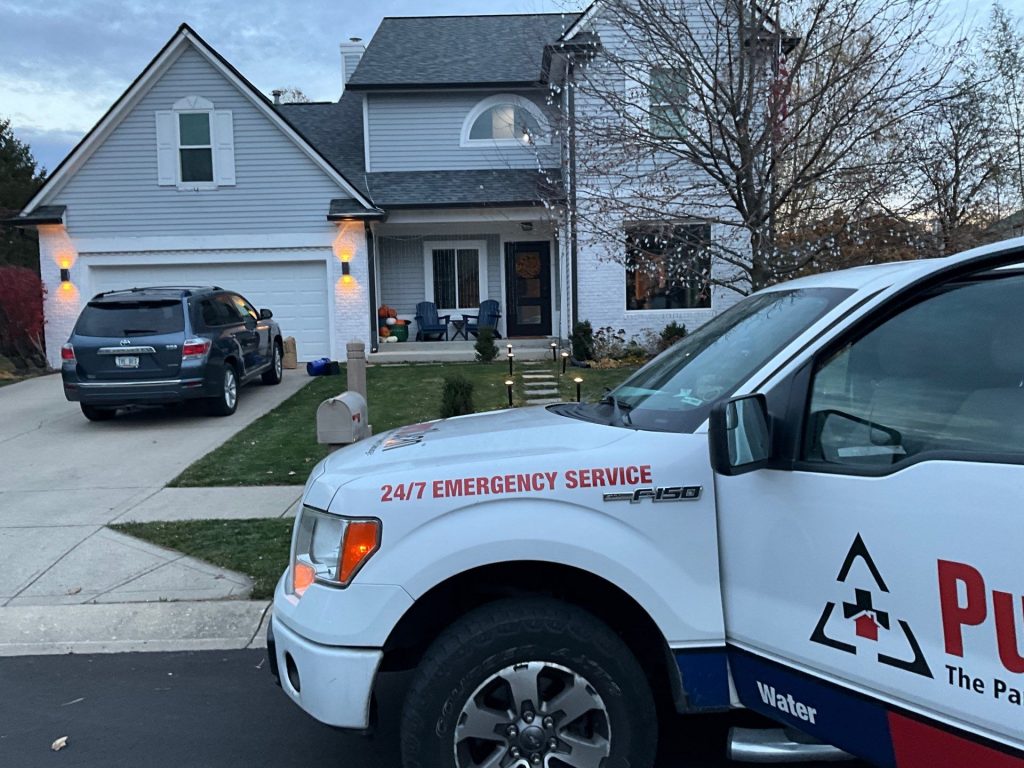
Here are the most important qualities to look for.
1. Professional Certification
Companies should follow IICRC standards.
2. Experience With White Mold
Not every company specializes in invasive mold.
3. Fast Response Times
Mold grows rapidly. Choose a company with emergency service.
4. Transparent Inspection and Pricing
A reputable company explains each step clearly.
5. Local Fort Wayne Expertise
Local pros understand the common moisture problems, including:
- Basement humidity
- Crawl space issues
- Attic ventilation problems
- Weather driven leaks
6. Complete Mold Remediation, Not Just Cleaning
Remediation includes cleaning, drying, containment, and prevention.
7. Strong Reviews and Customer Trust
Look for consistent positive feedback from Fort Wayne homeowners.
A trusted local choice is:
PuroClean Disaster Restoration of West Fort Wayne
Call (260) 263-9788
They provide fast mold inspections, safe removal, full remediation, and long term moisture solutions.
FAQs About White Mold and Mildew in Fort Wayne
Why do I keep seeing white patches on my walls?
Moisture, humidity, or slow leaks may be allowing white mold or mildew to grow.
Can I clean mold myself?
Only if the growth is small and surface level. Larger outbreaks require professional help.
Is mildew harmful?
Usually mild, but it can still cause allergies.
Why does mold return after cleaning?
Because moisture was not fixed before cleaning.
Does insurance cover mold?
Coverage depends on the cause. Sudden leaks are often covered. Gradual damage usually is not.
How fast can mold grow?
Under humid conditions, within 24 to 48 hours.
Conclusion: Protect Your Fort Wayne Home by Acting Quickly
White mold and mildew may start small, but they quickly become serious if ignored. Fort Wayne weather and home construction make moisture a recurring issue, so early action is crucial. Understanding the difference between mold and mildew helps you choose the right approach and avoid unnecessary damage. If you live in Fort Wayne or nearby neighborhoods and notice suspicious white growth, discoloration, or a musty smell, contact a mold expert immediately.
Call PuroClean Disaster Restoration of West Fort Wayne at (260) 263-9788
They provide immediate inspection, safe mold removal, and long term solutions to keep your home healthy and protected.

 PuroClean Disaster Restoration of West Fort Wayne