


Executive Summary
Fort Wayne homeowners face basement water challenges from heavy precipitation, soil conditions, and aging housing stock. Professional water damage restoration prevents mold growth, structural deterioration, and costly long-term repairs while returning basements to safe, functional condition. This comprehensive guide covers immediate emergency response, professional restoration procedures, permanent prevention strategies, and cost considerations specific to Fort Wayne properties. Standard restoration timelines range from 3-7 days with total costs between $2,000-$18,000 depending on damage severity and necessary repairs.
What the Thompson Family Learned About Acting Fast?
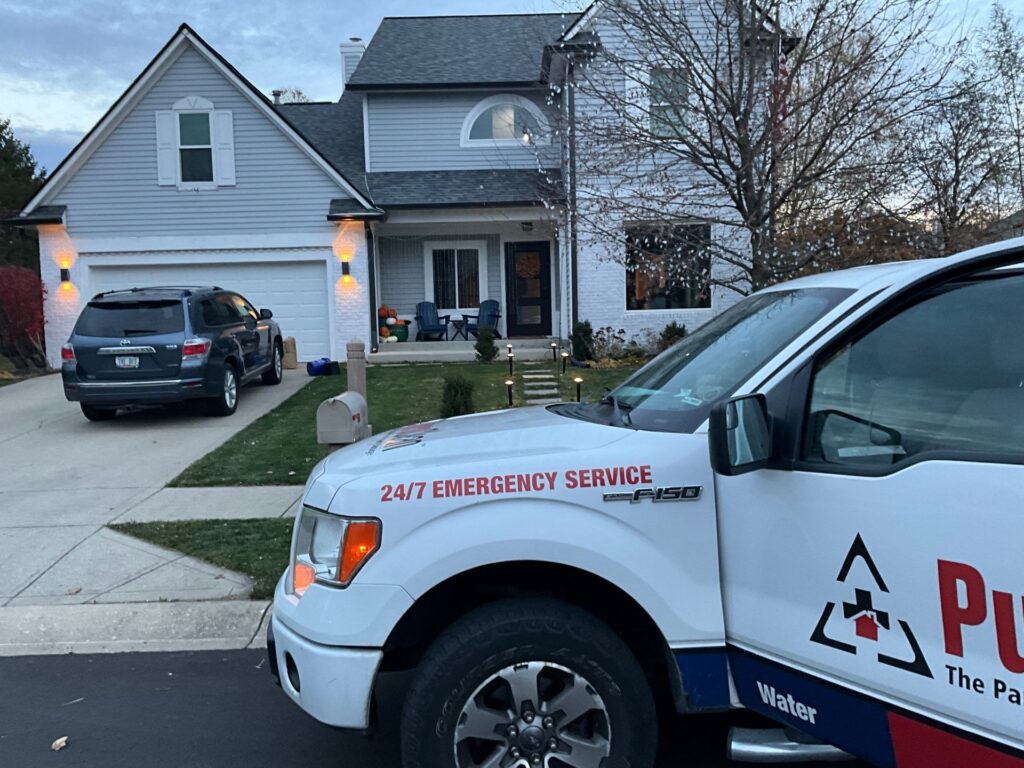
Lisa Thompson walked downstairs Sunday morning to discover six inches of water covering her Fort Wayne basement floor. Their finished basement in the Aboite area included a home office where her husband worked remotely, a playroom for their two children, and storage for years of family belongings. Everything sat underwater.
Her first reaction was panic, followed by frantic attempts to salvage items. She grabbed photo albums and started carrying them upstairs, then realized the electrical outlets were submerged. She remembered reading that water and electricity create lethal combinations. Instead of continuing her rescue efforts, she called PuroClean Disaster Restoration of West Fort Wayne at (260) 263-9788.
The restoration crew arrived within 75 minutes on a Sunday morning. They immediately assessed electrical safety, extracted standing water, and began documenting damage for insurance purposes. The crew explained something that surprised Lisa: her quick decision to call professionals rather than spending hours attempting DIY salvage prevented approximately $11,000 in additional damage.
Water had already penetrated drywall, soaked insulation, and saturated the engineered wood flooring. Every hour of delay would have expanded the damage zone, increased mold risk, and complicated the restoration. The Thompson family learned that water damage operates on aggressive timelines where professional intervention timing determines whether you face manageable repairs or catastrophic losses.
Why Do Fort Wayne Basements Experience Water Problems?
Heavy precipitation patterns make Fort Wayne vulnerable to water intrusion. The city receives approximately 38 inches of annual rainfall with intense spring and summer storms depositing 2-4 inches in short periods. This rainfall overwhelms drainage systems and saturates soil rapidly.
Clay-heavy soil throughout Allen County creates poor drainage conditions. Unlike sandy soil that absorbs water quickly, clay becomes nearly impermeable when saturated. Water pools on surfaces and creates hydrostatic pressure against foundation walls, forcing moisture through cracks and joints.
Aging housing stock means many foundations were built before modern waterproofing standards. Fort Wayne experienced significant residential construction in the 1950s-1970s. These older foundations develop cracks that expand during freeze-thaw cycles common in Indiana winters.
The St. Marys and St. Joseph rivers influence groundwater levels throughout the city. Properties near these waterways or in lower-lying areas experience elevated water tables that rise during wet seasons, increasing seepage risk even in homes outside designated flood zones.
Below-grade construction places basement floors below the water table. During heavy rainfall, groundwater levels temporarily rise above basement floor elevations. Without proper drainage systems, this groundwater migrates through foundation walls and floor-wall joints.
What Should You Do During the First 60 Minutes?
Safety assessment must happen before any water contact. Never enter standing water if electrical outlets, appliances, furnaces, or electrical panels might be submerged. Water conducts electricity, creating electrocution risk. Turn off power at your main breaker only if you can access it without stepping in water.
Call professional restoration services immediately. PuroClean Disaster Restoration of West Fort Wayne provides 24/7 emergency response at (260) 263-9788. Water damage spreads exponentially, with porous materials like drywall and insulation absorbing moisture rapidly. Each hour of delay increases total damage.
Document everything before touching anything. Insurance claims require visual evidence of initial damage conditions. Take comprehensive photos and videos showing water levels, affected belongings, visible water sources, damaged materials, and any structural issues. Capture multiple angles and close-up details.
Stop the water source if you can do so safely. For broken pipes, shut off the main water supply or individual fixture valves. For failed water heaters or appliance leaks, turn off supply lines. For groundwater seepage during storms, stopping water entry isn’t immediately possible. Focus on safety and documentation while waiting for professional help.
Remove valuable items from water contact if safe. Lift furniture onto blocks, relocate electronics to upper floors, and move items from lower shelves. Avoid extensive cleanup attempts that delay professional response. Proper restoration requires specialized equipment that extracts hidden moisture DIY methods miss.
How Quickly Can Mold Develop After Water Damage?
Mold spores begin germinating within 24-48 hours in Fort Wayne’s humid climate. Summer humidity often exceeds 70%, creating ideal conditions for rapid mold colonization when moisture is present. Basements naturally maintain higher humidity levels, accelerating this process.
Visible mold appears as fuzzy patches in black, green, white, or orange colors. However, hidden mold behind walls, under flooring, and within insulation poses greater health risks. These hidden colonies release spores continuously while remaining invisible until extensive growth occurs.
Certain mold species produce mycotoxins causing respiratory problems, allergic reactions, headaches, and other health issues. Children, elderly residents, and people with asthma or compromised immune systems face elevated risks. Professional remediation eliminates both visible growth and hidden colonies.
Fort Wayne homes with concrete block foundations face particular mold risk. These porous materials absorb water like sponges and retain moisture long after surface water disappears. Without professional moisture detection and industrial drying equipment, trapped moisture creates ongoing mold growth.
Finished basements accelerate mold development. Drywall, carpeting, insulation, and wood framing provide organic materials mold requires. Water-damaged drywall particularly supports rapid growth, often requiring complete replacement rather than drying attempts.
What Professional Equipment Makes the Difference?
Industrial water extractors remove standing water at 20-30 gallons per minute, far exceeding household wet-dry vacuums managing 5-8 gallons per minute. These powerful units use truck-mounted or portable pumps creating intense suction that pulls water from deep within carpets, concrete pores, and subfloors.
Commercial dehumidifiers process 150-250 pints of moisture daily compared to residential units handling 30-50 pints. Professional-grade equipment reduces relative humidity to below 45%, preventing mold growth while dramatically accelerating drying times for saturated materials.
High-velocity air movers create strategic airflow patterns across wet surfaces. Professional teams position 12-20 air movers in typical basements, creating complete air circulation that reaches wall cavities, closet interiors, and areas behind furniture. This targeted airflow evaporates moisture rapidly.
Moisture detection equipment measures water content without destructive testing. Pin-type meters penetrate materials to measure moisture levels while pinless meters scan surfaces. Thermal hygrometers measure relative humidity and temperature. Professionals use these tools to map moisture distribution and track drying progress.
Infrared thermal imaging cameras detect hidden moisture behind walls, under flooring, and above ceilings. These devices identify temperature differentials indicating wet materials, helping teams locate all affected areas even when damage isn’t visible on surfaces. This technology prevents hidden moisture from causing future mold problems.
HEPA air scrubbers filter air continuously during restoration. These machines capture mold spores, bacteria, and other contaminants, preventing cross-contamination to unaffected areas while protecting indoor air quality. Air scrubbing becomes essential when mold growth has already begun.
Injectidry systems dry wall cavities without demolition. These tools inject heated, filtered air behind walls through small access holes, drying insulation and framing while preserving drywall. This technology saves thousands in reconstruction costs when caught early.
How Long Does Complete Restoration Take?
Emergency water extraction completes within 2-4 hours for standard basements ranging from 600-1,200 square feet. Professional crews remove standing water, extract moisture from saturated materials like carpeting and padding, and position drying equipment during this initial emergency phase.
Structural drying requires 3-7 days depending on multiple factors including water type, affected materials, damage extent, outdoor humidity levels, and response timing. Faster response enables shorter drying times. Extended periods of water exposure require longer drying.
Category 1 water from clean supply lines affecting minimal porous materials may complete drying in 3-4 days. Category 2 water from appliances or sump pump failures typically requires 4-6 days. Category 3 water containing sewage or outdoor floodwater necessitates 6-8 days plus extensive antimicrobial treatment.
Reconstruction timelines vary based on required repairs. Simple repairs like replacing carpet padding, baseboards, and repainting might add 3-5 days after drying completes. Extensive work including drywall replacement, insulation, subflooring repair, finished flooring installation, and complete repainting requires 2-4 weeks.
Complex restorations involving custom finishes, built-in cabinetry, or specialty flooring extend timelines to 6-8 weeks. Projects requiring permits for electrical or plumbing modifications add approval waiting periods. Complete basement rebuilds after severe flooding may require 8-12 weeks.
What Causes Most Fort Wayne Basement Flooding?
Sump pump failures create immediate vulnerability during storms. Power outages disable AC pumps precisely when they’re needed most. Mechanical failures from worn components, clogged discharge lines, or overwhelmed pump capacity result in rapid water accumulation.
Foundation cracks expand over time from settling, freeze-thaw cycles, and hydrostatic pressure. Even hairline cracks provide water entry points. Once water penetrates, pressure widens cracks further. Many Fort Wayne homes built in the 1960s-1980s now show significant foundation deterioration.
Inadequate drainage systems fail during heavy rainfall. Clogged gutters overflow, directing thousands of gallons directly against foundations. Disconnected or damaged downspouts deposit roof runoff immediately beside basement walls. A 2,000 square foot roof sheds approximately 1,250 gallons during a one-inch rainstorm.
Poor lot grading directs surface water toward foundations. Properties should slope away from homes at minimum six inches over ten feet. Settled soil, landscape modifications, or improper initial grading creates reverse slopes channeling water toward basement walls.
Window well flooding affects below-grade windows. Wells without covers fill during rain. Wells without drainage become water reservoirs. Once filled, pressure forces water through window seals and cracks, flooding basements through these vulnerable points.
Sewer line backups contaminate basements with category 3 water requiring extensive sanitization. Tree root intrusion, pipe deterioration, or municipal sewer overflows force sewage backward through floor drains and toilets. Older Fort Wayne neighborhoods with aging infrastructure face elevated backup risk.
Failed waterproofing allows gradual seepage. Interior moisture barriers deteriorate over decades. Exterior waterproofing degrades from soil chemicals and freeze-thaw damage. Without functioning waterproofing, groundwater migrates through foundation walls during wet periods.
Should You Handle Cleanup Yourself or Hire Professionals?
Very small water incidents under half an inch deep covering less than 50 square feet might be DIY manageable if addressed within 2-3 hours. Rent commercial-grade equipment from local suppliers, as household wet-dry vacuums lack sufficient extraction power and capacity.
Professional restoration becomes essential when water exceeds half an inch, covers over 50 square feet, contains contaminants, has been standing more than 6 hours, affects finished living spaces with drywall and flooring, involves category 2 or 3 water, or you detect musty odors indicating hidden moisture.
Brian Sullivan attempted DIY cleanup after his basement flooded during spring storms in the Lake Avenue area. He extracted visible water and ran box fans for a week. Six weeks later, black mold covered the back wall behind his storage shelves. Professional assessment revealed trapped water in wall cavities and beneath subflooring that his household equipment never addressed.
Insurance requirements often mandate professional restoration. Most policies require professional mitigation for claims exceeding $2,000-$3,000. DIY attempts that fail to fully dry structures frequently result in denied claims for subsequent mold damage, costing thousands more than immediate professional service.
Hidden damage surprises most homeowners. Water travels through wall cavities, saturates insulation, penetrates subflooring, and migrates to adjacent areas. Surface drying doesn’t indicate complete moisture removal. Only professional moisture detection equipment identifies hidden water causing long-term problems.
Health and safety considerations favor professional restoration. Category 2 and 3 water contain bacteria, viruses, and other pathogens requiring proper protective equipment and sanitization procedures. Electrical hazards persist throughout cleanup. Professionals carry appropriate safety equipment and training.
What Permanent Solutions Prevent Future Problems?
Interior drainage systems with sump pumps provide comprehensive protection. These systems include perforated drainage pipes installed in trenches along foundation footers, channeling water to collection basins. Properly sized pumps discharge water 15-20 feet from foundations through buried discharge lines. Complete installations cost $4,500-$9,000 in Fort Wayne.
Battery backup sump pumps ensure protection during power outages. Primary AC pumps fail exactly when storms knock out electricity. Quality battery backup systems provide 8-12 hours of operation, sufficient for most Fort Wayne storm durations. These systems add $900-$1,800 to installation costs but provide essential protection.
Exterior foundation waterproofing creates impermeable barriers against groundwater intrusion. This comprehensive solution involves excavating around foundations to footer level, applying rubberized waterproofing membranes, installing exterior drain tile, and backfilling with gravel. Costs range from $12,000-$25,000 but provide superior protection for homes with chronic seepage issues.
Proper grading and drainage corrections prevent water accumulation near foundations. Regrading yards to create 6-inch minimum slopes over 10 feet away from houses, extending downspouts 10-15 feet from foundations through buried lines, and installing French drains in low-lying areas addresses water before it reaches basements. These solutions cost $2,500-$6,000 depending on property size and existing conditions.
Window well covers and drainage protect vulnerable basement windows. Metal or polycarbonate covers prevent wells from filling while allowing emergency egress. Drainage systems at well bottoms channel water away rather than allowing pools against windows. Complete well protection costs $100-$250 per window.
Backwater valves prevent sewer backups through floor drains. These mechanical devices allow wastewater to flow out but prevent reverse flow during municipal sewer overloads. Installation requires cutting floor drains and costs $1,200-$3,000 but protects against category 3 contamination.
Crack injection seals foundation cracks permanently. Polyurethane or epoxy injection fills cracks from interior or exterior, creating waterproof seals. Professional crack repair costs $400-$1,200 per crack depending on length and location. This solution addresses existing cracks before they expand.
How Much Does Basement Water Damage Restoration Cost?
Water extraction and emergency response ranges from $1,500-$4,000 for typical Fort Wayne basements. This includes standing water removal, initial surface cleaning, antimicrobial application, moisture mapping, and equipment placement for structural drying.
Structural drying with professional monitoring costs $2,500-$6,000 for most residential basements. This phase includes 3-7 days of dehumidification, air movement, daily moisture readings, equipment adjustments, and documentation for insurance claims.
Reconstruction expenses vary dramatically based on damage severity and finish levels. Minor repairs including carpet padding replacement, baseboard replacement, and repainting cost $2,500-$5,000. Moderate repairs with drywall replacement, insulation, and basic flooring run $6,000-$12,000. Extensive reconstruction including complete drywall replacement, insulation, subflooring repair, finished flooring, and complete refinishing costs $13,000-$25,000.
Additional expenses may include mold remediation ($1,500-$5,000), contents cleaning and storage ($500-$3,000), HVAC duct cleaning ($400-$800), and specialty equipment like hardwood floor drying systems ($800-$2,000).
Insurance coverage depends on policy specifics and water source. Sudden accidental damage like burst pipes, water heater failures, or appliance malfunctions typically receives coverage. Gradual seepage, maintenance-related issues, or flood damage without separate flood insurance usually aren’t covered. Submit claims immediately after damage occurs.
When Should You Call for Emergency Services?
Immediate professional intervention becomes critical for water depths exceeding one inch, any contaminated water containing sewage or chemicals, ongoing water intrusion you cannot stop, damage affecting finished living spaces, visible mold growth, or homes with occupants having mold sensitivities or respiratory conditions.
Rachel Kim delayed calling professionals after discovering water in her Georgetown area basement on Friday evening. She thought waiting until Monday would save money and the water wasn’t actively rising. By Monday, strong mold odors filled her entire first floor. Her initial $5,500 restoration estimate increased to $16,500 with comprehensive mold remediation required.
The 72-hour delay cost Rachel an additional $11,000, four weeks of additional disruption, and temporary relocation expenses while remediation completed. Water damage restoration operates on exponential timelines where each hour of delay multiplies damage progression, expands affected square footage, elevates mold risk, and complicates insurance processing.
Professional restoration companies like PuroClean Disaster Restoration of West Fort Wayne provide 24/7 emergency response specifically because timing directly determines restoration outcomes and costs. After-hours and weekend response rates at reputable companies remain consistent because fast response saves money overall.
What Questions Should You Ask Restoration Companies?
Verify licensing, insurance, and professional certifications. Indiana requires restoration contractors to maintain liability insurance and workers compensation coverage. Request proof of both plus IICRC (Institute of Inspection, Cleaning and Restoration Certification) credentials demonstrating industry-standard training.
Confirm genuine 24/7 emergency response capability. Some companies advertise emergency services but route after-hours calls to answering services with next-business-day callbacks. Ask whether restoration crews dispatch immediately regardless of time or day.
Request detailed written estimates after thorough on-site inspections. Professional companies provide itemized quotes clearly separating extraction costs, drying expenses, monitoring fees, antimicrobial treatments, and reconstruction work. Avoid any company offering estimates over phone without physically inspecting actual damage.
Ask about specific equipment and restoration methodology. Reputable companies explain their moisture mapping procedures, drying strategy reasoning, equipment selection criteria, daily monitoring protocols, and realistic completion timelines. This transparency helps you understand the restoration process and evaluate company expertise.
Inquire about insurance claim assistance and documentation. Experienced restoration companies work directly with insurance adjusters, provide comprehensive photo documentation, maintain detailed daily logs, submit proper claim forms, and help navigate the entire claims process. This support saves homeowners significant stress during already difficult situations.
How Can You Protect Items Stored in Basements?
Elevation prevents damage during minor flooding events. Store all belongings on metal shelving units, heavy-duty plastic pallets, or commercial storage racks maintaining 18-24 inches of clearance above floors. This single precaution would have saved the Thompson family thousands in damaged belongings.
Waterproof storage containers protect vulnerable items better than cardboard boxes. Heavy-duty plastic bins with gasket-sealed lids provide water resistance during minor flooding. For truly irreplaceable items like family photos, important documents, and valuable memorabilia, consider climate-controlled off-site storage units.
Regular preventive maintenance catches problems before flooding occurs. Monthly inspections of sump pumps, foundation walls, floor drains, water heaters, and washing machine connections identify issues early. Test sump pumps monthly by pouring water into collection basins and verifying proper pump operation and discharge.
Strategic basement layout planning limits potential losses. Keep expensive items, electronics, and irreplaceable belongings away from known problem areas including foundation walls prone to seepage, locations near water heaters and HVAC equipment, and areas around floor drains vulnerable to sewer backups.
Humidity control prevents moisture damage even without flooding. Run dehumidifiers during humid months, maintain relative humidity below 50%, ensure proper ventilation, and address any musty odors immediately as they indicate excessive moisture levels.
What Should Emergency Preparedness Plans Include?
Maintain updated emergency contact lists including PuroClean Disaster Restoration of West Fort Wayne at (260) 263-9788, your insurance agent’s direct line, a licensed plumber’s emergency number, a qualified electrician, and utility company emergency contacts. Store copies in your phone, near your circuit breaker, and in your emergency kit.
Document your basement’s normal condition with comprehensive photos and videos showing all walls, floors, ceilings, furnishings, stored items, mechanical systems, and finishes. Update this documentation whenever you make improvements, purchase new items, or rearrange storage. This evidence proves invaluable for insurance claims.
Know water shutoff valve locations and operation procedures. Main shutoff valves typically locate near water meters or where supply lines enter homes. Individual fixture shutoffs control specific sinks, toilets, and appliances. Ensure every household member understands these locations and proper operation.
Create basement-specific emergency kits containing waterproof boots, heavy-duty waterproof flashlights with extra batteries, outdoor-rated extension cords, battery-operated weather radio, waterproof emergency contact list, basic tools including adjustable wrenches and screwdrivers, and first aid supplies. Store kits in waterproof containers in accessible locations above potential flood levels.
Review insurance coverage annually with your agent. Verify your policy includes water damage coverage, understand specific deductibles and coverage limits, clarify what water damage types receive coverage, and seriously consider adding flood insurance if you live in areas with any flooding history or near waterways.
Frequently Asked Questions
How much does basement water damage cleanup cost in Fort Wayne?
Professional cleanup ranges from $2,500-$6,000 for extraction and drying to $15,000-$25,000 including complete reconstruction of finished basements. Costs depend on water depth, affected square footage, water contamination level, material damage extent, and required repairs. Insurance typically covers sudden incidents but may exclude gradual seepage or flooding without separate flood insurance.
Can I clean up basement water damage myself?
Very minor incidents under half an inch deep covering minimal area might be DIY manageable if addressed within hours using commercial rental equipment. Professional help becomes essential for deeper water, contaminated water, finished basements, water standing over 6 hours, or when you detect musty odors indicating hidden moisture that household equipment cannot address.
How fast does mold grow after basement flooding?
Mold begins growing within 24-48 hours in Fort Wayne’s humid climate. Professional restoration prevents mold by rapidly reducing moisture levels using industrial equipment that extracts hidden water in wall cavities, insulation, and subfloors that DIY methods miss completely.
What causes basement flooding in Fort Wayne?
Common causes include sump pump failures during power outages, foundation cracks allowing water entry under hydrostatic pressure, overwhelmed drainage systems during heavy rainfall, poor yard grading directing water toward foundations, window well flooding, sewer backups in aging infrastructure areas, and failed waterproofing allowing gradual seepage.
Will my homeowners insurance cover basement water damage?
Most policies cover sudden accidental damage like burst pipes, water heater failures, or appliance malfunctions. Coverage typically excludes gradual seepage from maintenance neglect, aging systems, or flood damage without separate flood insurance. Contact your insurance agent immediately after discovering any water damage.
How can I prevent future basement flooding?
Install interior drainage systems with battery backup sump pumps, ensure proper yard grading sloping away from your foundation, extend downspouts 10-15 feet from your house through buried lines, maintain gutters and drainage systems, seal foundation cracks promptly, install window well covers with drainage, and consider exterior waterproofing for chronic seepage issues.
What should I do immediately after finding water in my basement?
Ensure electrical safety by turning off power if you can do so without entering water, call PuroClean Disaster Restoration of West Fort Wayne at (260) 263-9788 immediately for 24/7 emergency response, document all damage with comprehensive photos and videos, stop water source if feasible and safe, and avoid extensive DIY cleanup that delays professional response.
How do professionals know when my basement is completely dry?
Professionals use calibrated moisture meters measuring water content throughout the drying process. Materials must reach specific safe moisture levels before reconstruction begins: typically below 15% moisture content for wood materials, below 1% for concrete, and relative humidity below 50%. Surface appearance doesn’t indicate complete drying.
Conclusion
Basement water damage in Fort Wayne homes demands immediate professional attention to prevent escalating costs, structural deterioration, and serious health hazards from mold growth. The combination of Fort Wayne’s precipitation patterns, clay-heavy soil, and aging housing stock creates water intrusion challenges that professional restoration addresses effectively with specialized equipment, expertise, and proven processes.
If you experience basement flooding anywhere in Fort Wayne or surrounding communities, call PuroClean Disaster Restoration of West Fort Wayne immediately at (260) 263-9788 for 24/7 emergency response. Their certified restoration technicians provide comprehensive water extraction, structural drying, mold prevention, and complete restoration services throughout the Fort Wayne area. Don’t let water damage escalate into a catastrophic situation. Professional help is available right now to protect your home, safeguard your family’s health, and restore your peace of mind.

