 PuroClean Disaster Restoration of West Fort Wayne
 Executive Summary
DIY trauma scene cleanup exposes untrained individuals to serious health risks, legal violations, incomplete decontamination, and lasting psychological trauma that most people never anticipate. Fort Wayne residents facing traumatic incidents need to understand the hidden dangers of attempting cleanup themselves and why expert professional care isn’t just recommended but essential. This comprehensive guide reveals the specific risks of amateur cleanup, explains what makes professional trauma remediation different, details the expertise certified technicians bring to each situation, and helps you understand the complete scope of trauma cleanup. When you need immediate expert assistance in Fort Wayne, PuroClean Disaster Restoration of West Fort Wayne provides certified, compassionate trauma cleanup services available 24 hours daily.
What Makes Trauma Scene Cleanup Different from Regular Cleaning?
Trauma scene cleanup involves biological hazards that regular cleaning knowledge and household products cannot address safely or effectively. The presence of blood, bodily fluids, tissue, and other biological materials creates contamination fundamentally different from everyday messes.
These materials can contain bloodborne pathogens including HIV, Hepatitis B, Hepatitis C, MRSA, and numerous other infectious agents. These pathogens remain viable on surfaces for extended periods, creating ongoing infection risk.
The contamination also penetrates porous materials far deeper than visible stains suggest. Blood and bodily fluids travel along floor seams, soak through carpeting into padding and subflooring, seep behind baseboards and into wall cavities, and spread through air handling systems.
Fort Wayne residents often underestimate the complexity of trauma cleanup because they’ve never encountered anything similar. The gap between what people think they know about cleaning and what trauma cleanup actually requires creates dangerous overconfidence.
The Hidden Story: When Good Intentions Lead to Serious Consequences
Tom Henderson considered himself handy. The retired Fort Wayne construction worker had renovated his entire home himself and wasn’t afraid of difficult work. When his adult daughter Sarah called him after a serious incident at her apartment, Tom immediately wanted to help.
Sarah’s boyfriend had suffered a mental health crisis resulting in self-harm. Paramedics had transported him to the hospital, where he received necessary care. Sarah was emotionally devastated and couldn’t bear the thought of returning to an apartment that held such traumatic memories in its current state.
Tom told her not to worry. He’d clean everything up before she came home. He gathered cleaning supplies from his workshop, including industrial-grade products he’d used in construction, and headed to Sarah’s apartment.
The bathroom was worse than Tom expected. Blood covered the floor, splattered the walls, and had pooled around the toilet. Tom’s construction experience told him this was extensive, but he’d seen job sites that looked worse after accidents. He put on his work gloves and got started.
Tom scrubbed for hours. He used every cleaner in his arsenal, including some he mixed together for what he thought would be extra cleaning power. The bathroom looked better, though he noticed staining on grout lines and couldn’t quite get the smell to go away completely.
Three days later, Tom developed severe flu-like symptoms. His wife insisted he see their doctor. Tom mentioned the cleanup work, and the doctor’s expression changed immediately. Blood tests revealed Tom had contracted a bacterial infection from exposure to biological materials. The infection had entered through a small cut on his hand he hadn’t noticed.
Worse news came when Sarah tried to return to the apartment. The smell Tom couldn’t eliminate had returned stronger than before. She noticed staining on the baseboards and floor edges that hadn’t been visible immediately after Tom’s cleaning. The apartment manager hired professionals to assess the situation.
The professional assessment revealed extensive problems. Tom’s cleaning had only addressed surface contamination. Blood had soaked through the bathroom floor vinyl into the subfloor. His mixed cleaning chemicals had actually set stains into the grout rather than removing them. Contamination had spread from the bathroom into the hallway on his shoes and cleaning equipment.
The professional remediation required removing and replacing the bathroom flooring, treating the subfloor, removing and replacing affected drywall, and completely decontaminating the apartment. The cost exceeded $12,000, none of which insurance would cover because amateur cleanup had occurred before professional assessment.
Tom’s medical treatment cost another $5,000. His infection required a month of aggressive antibiotics and follow-up testing to ensure complete resolution.
“I thought I was helping,” Tom later shared. “I’ve handled construction cleanup for 40 years. But this was completely different. I didn’t understand the health risks, I used the wrong products, and I actually made everything worse. I cost my daughter thousands of dollars and nearly died from an infection I never saw coming.”
The Hidden Dangers of DIY Trauma Scene Cleanup
Understanding the specific risks helps Fort Wayne residents appreciate why professional expertise matters so critically.
What Bloodborne Pathogen Exposure Risks Do Amateur Cleaners Face?
Blood and bodily fluids can transmit serious diseases even when dried. HIV can survive in dried blood for up to six days under specific conditions. Hepatitis B remains infectious on surfaces for up to seven days at room temperature. Hepatitis C can survive on environmental surfaces for up to three weeks.
Amateur cleaners typically use inadequate personal protective equipment. Household rubber gloves tear easily and don’t protect against puncture wounds from broken glass, needles, or sharp objects hidden in contamination. Regular face masks don’t filter airborne pathogens. Standard clothing provides zero protection against fluid penetration.
Exposure routes include direct contact through cuts, abrasions, or mucous membranes, inhalation of airborne particles during cleaning, and accidental ingestion from hand-to-mouth contact. These risks persist throughout the cleanup process and after, as contaminated tools and clothing spread pathogens.
How Do Improper Cleaning Chemicals Create Additional Hazards?
Household cleaning products aren’t formulated to eliminate specific bloodborne pathogens. Using the wrong chemicals provides false confidence that surfaces are safe when contamination remains.
Mixing cleaning chemicals creates dangerous reactions. Combining bleach with ammonia produces toxic chloramine gas causing respiratory damage. Mixing bleach with acids creates chlorine gas that can be fatal. These reactions occur frequently when untrained individuals try to create “stronger” cleaning solutions.
Even appropriate cleaning chemicals require proper application. Disinfectants need specific contact times to work effectively. Applying disinfectant and immediately wiping it away doesn’t allow enough time to kill pathogens. Most people don’t understand this critical detail.
Improper chemical use can also damage property. Strong chemicals applied to wrong surfaces etch countertops, discolor materials, and create permanent damage beyond the original contamination.
What Cross-Contamination Risks Do Untrained Cleaners Create?
Amateur cleanup almost always spreads contamination beyond the original scene. Contaminated shoes track biological materials through previously clean areas. Cleaning tools used in contaminated zones and then used elsewhere transfer pathogens.
Improper equipment handling spreads contamination to door handles, light switches, faucets, and other surfaces the cleaner touches during the process. Once widespread, contamination becomes exponentially more difficult to eliminate completely.
Contaminated cleaning water dumped in sinks or toilets can spread pathogens through plumbing systems. Improper waste disposal creates contamination in trash areas, vehicles used to transport waste, and potentially public dumpsters.
Why Is Incomplete Cleaning More Dangerous Than No Cleaning?
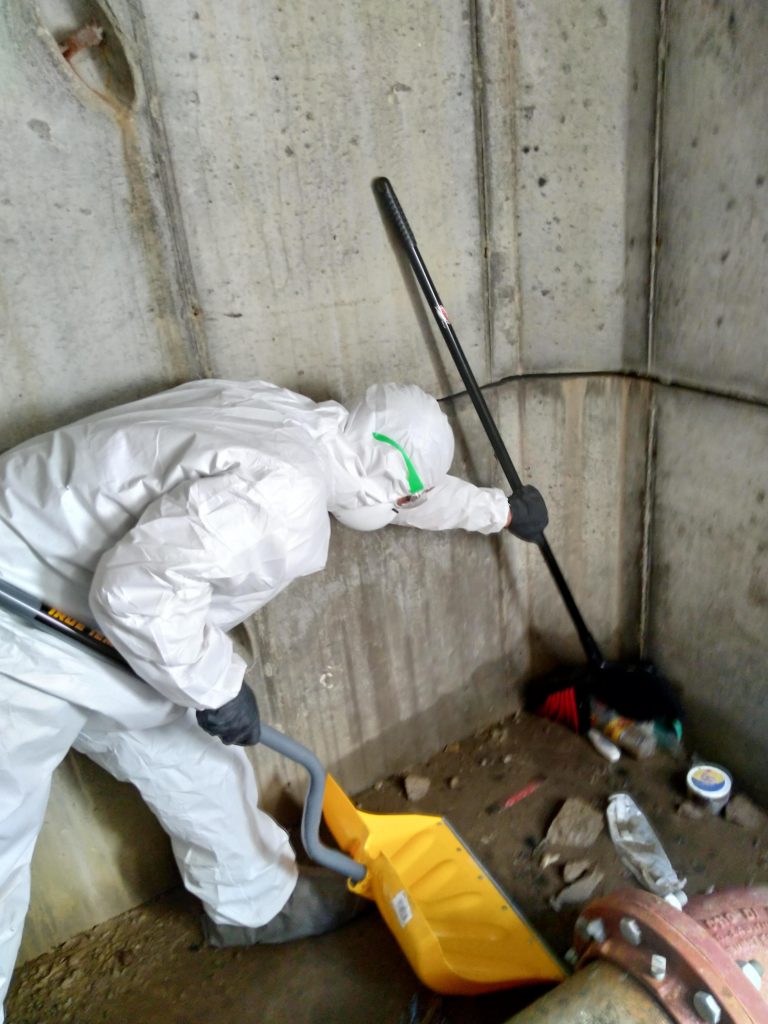
Surface-level cleaning that makes things look better creates false security. Areas that appear clean may harbor viable pathogens beneath visible surfaces. This hidden contamination exposes future occupants to health risks they don’t know exist.
Tom Henderson’s experience demonstrates this perfectly. His cleaning appeared successful initially, but contamination in the subfloor continued spreading and causing problems after the surface looked acceptable.
Incomplete cleanup can make professional remediation more difficult and expensive. Set stains are harder to remove than fresh contamination. Spread contamination requires treating larger areas than the original scene would have required.
What Legal and Regulatory Violations Occur During DIY Cleanup?
Indiana regulations govern biohazard waste disposal. Blood-soaked materials, contaminated cleaning supplies, and other biological waste cannot legally be discarded in regular trash. These materials require proper packaging, labeling, transportation to licensed medical waste facilities, and documentation.
Amateur cleaners violate these regulations unknowingly but violation penalties still apply. Fines can reach thousands of dollars. If contaminated waste causes harm through improper disposal, criminal charges become possible.
Property owners also face potential liability. If someone contracts illness from contamination amateur cleaning failed to eliminate, the property owner faces lawsuit risk. Insurance typically doesn’t cover liability resulting from known contamination that wasn’t properly remediated.
How Does Attempting DIY Cleanup Impact Insurance Coverage?
Many insurance policies cover professional trauma cleanup costs. However, attempting amateur cleanup before calling professionals can void this coverage.
Insurance adjusters assess scenes to determine appropriate remediation scope. Amateur cleanup disturbs the scene, making professional assessment difficult or impossible. This creates coverage disputes and potential claim denials.
Failed DIY attempts that spread contamination or damage property create additional costs insurance may not cover. The policy covers remediation from the original incident, not damage from improper amateur cleanup efforts.
What Psychological Trauma Results from Cleaning Up After Loved Ones?
The emotional impact of handling biological materials connected to someone you care about creates lasting psychological wounds. Many people who attempt cleanup after a family member’s suicide, violent death, or traumatic accident develop PTSD, severe depression, or anxiety disorders.
The intimate details observed during cleanup create intrusive memories that resurface unexpectedly. The visual images, smells, and physical sensations become traumatic memories triggering ongoing distress.
Guilt often compounds grief when people feel they “should have” been able to handle cleanup or when they realize their amateur attempts failed. This guilt creates an additional layer of psychological trauma beyond the original incident.
Why Professional Expertise Makes a Critical Difference
Professional trauma cleanup involves far more than just better equipment and stronger chemicals.
What Specialized Training Do Certified Technicians Receive?
Certified trauma cleanup technicians complete extensive training in bloodborne pathogen safety following OSHA regulations and CDC guidelines. This training covers pathogen characteristics, transmission routes, exposure prevention, and proper protective equipment use.
Biohazard remediation training teaches contamination assessment skills professionals use to identify all affected areas including hidden contamination. Technicians learn contamination spread patterns, material penetration characteristics, and verification procedures.
Training also covers proper chemical selection and application. Professionals understand which disinfectants kill which pathogens, required contact times, appropriate concentration levels, and safe application methods.
Psychological preparation training helps technicians maintain professional boundaries that protect their mental health while showing appropriate compassion. This training enables them to work efficiently without the emotional devastation untrained individuals experience.
What Professional-Grade Equipment Do Experts Use?
Professional trauma cleanup requires specialized equipment unavailable to consumers. HEPA-filtered air scrubbers remove airborne pathogens and create negative pressure preventing contamination spread. These machines cost thousands of dollars and require training to operate correctly.
ATP meters detect biological contamination invisible to the naked eye. This technology confirms when surfaces have been truly decontaminated rather than just visually cleaned.
Commercial foggers apply disinfectants as fine mists reaching surfaces liquid application misses. Ozone generators and hydroxyl machines eliminate odors at the molecular level rather than masking them.
Professionals also use industrial-strength disinfectants unavailable to consumers. These EPA-registered products are proven effective against specific bloodborne pathogens when used correctly.
How Do Professionals Assess and Address Hidden Contamination?
Training and experience teach professionals where contamination hides. They check behind baseboards even when no visible staining appears on surfaces. They inspect subflooring beneath carpeting and vinyl. They examine wall cavities near contamination zones.
Professionals understand how different materials absorb and retain biological fluids. Concrete is porous and absorbs deeply. Wood grain channels fluids along its structure. Grout is highly absorbent. This knowledge guides their assessment and treatment decisions.
They also recognize secondary contamination sources. Air handling systems that circulated during the incident may have spread airborne contamination. First responder traffic may have tracked contamination to other areas. Professional assessment catches these issues amateur cleaners never consider.
What Verification Procedures Confirm Complete Decontamination?
Professional services don’t rely on appearance alone to determine cleanup completion. ATP testing provides scientific verification that biological residue has been eliminated.
Odor assessment confirms complete remediation. Lingering odors indicate biological materials remain somewhere even if not visually apparent. Professionals trace odors to their source rather than masking them.
Final inspection by a certified technician different from the one who performed the work provides additional quality assurance. Fresh eyes catch issues the original technician might miss.
Companies provide documentation certifying complete decontamination. This documentation protects property owners from liability and provides evidence for insurance, legal proceedings, or property sales.
How Do Professionals Handle the Emotional Aspects?
Professional technicians recognize they’re entering people’s lives during crisis moments. Reputable companies train their staff in compassionate communication that acknowledges the difficulty while maintaining professional boundaries.
They work discreetly to protect your privacy. Unmarked vehicles, subtle company identification, and efficient work minimize neighborhood attention to your situation.
Professionals also handle certain decisions you shouldn’t have to make during grief. They determine which items can be salvaged versus which must be disposed of. They handle the physical removal of contaminated materials so you don’t have to.
Some companies provide referrals to counseling services, victim assistance programs, and other support resources families might need but don’t know exist.
What Specific Situations in Fort Wayne Require Professional Trauma Cleanup?
Understanding when to call professionals helps Fort Wayne residents respond appropriately to various scenarios.
When Should You Call Professionals After an Unattended Death?
Any unattended death discovered more than a few hours after occurrence requires professional cleanup. Decomposition creates extensive contamination that penetrates deeply into materials and produces biohazards beyond just bloodborne pathogens.
Even deaths discovered quickly may require professional assessment. Bodily fluids release after death, creating contamination that might not be immediately visible but still presents health risks.
Why Is Professional Help Essential After Suicide?
Beyond the extensive biological contamination, suicide scenes create psychological trauma that makes amateur cleanup particularly devastating. Family members who attempt cleanup after a loved one’s suicide face significantly higher PTSD risk.
The contamination patterns in suicide scenes often involve multiple surfaces, vertical surfaces where blood spray occurred, and hidden areas where biological materials traveled. Professional expertise ensures complete remediation.
What About Violent Crimes and Assaults?
Violent crime scenes create extensive contamination that requires professional remediation. The volume of biological materials, the spread patterns, and the multiple surfaces affected exceed what amateur cleanup can safely address.
Law enforcement processes these scenes for evidence but doesn’t clean up afterward. Once the scene is released, cleanup becomes the property owner’s responsibility.
Do All Medical Emergencies Require Professional Cleanup?
Not all medical emergencies create contamination requiring professional services. Minor injuries with minimal blood loss can be safely cleaned using proper household bleach solution and basic precautions.
However, significant blood loss from any cause warrants professional consultation at minimum. Head injuries, deep lacerations, and trauma producing substantial blood contamination should be professionally remediated.
When Is Professional Cleanup Needed for Accidents?
The severity of contamination determines whether professional services are necessary. A small amount of blood from a minor cut doesn’t require professional intervention. Extensive blood from a serious fall or accident does.
Consider both the volume of blood and the types of surfaces contaminated. Blood on non-porous surfaces like tile might be manageable with proper precautions. Blood soaked into carpet, upholstered furniture, or porous materials requires professional handling.
How Do Fort Wayne Residents Access Professional Trauma Cleanup Services?
Understanding the process reduces stress during crisis situations.
How Quickly Can Professional Services Respond?
Trauma cleanup is time-sensitive. Reputable companies offer 24/7 emergency response because biological contamination worsens with every passing hour.
PuroClean Disaster Restoration of West Fort Wayne provides emergency response throughout the Fort Wayne area. Their technicians typically arrive within hours of your call, regardless of time or day.
What Happens During the Initial Call?
When you call a professional trauma cleanup company, they ask basic questions to understand the situation and prepare appropriately. They’ll ask about the type of incident, how long ago it occurred, which areas are affected, and whether law enforcement has released the scene.
This information helps them determine the crew size needed, specialized equipment to bring, and estimated time requirements. It also helps them prepare to answer your immediate questions about the process, timeline, and costs.
How Does the Insurance Process Work?
Professional companies typically contact your insurance provider to verify coverage and begin the authorization process. They understand insurance requirements and can streamline this aspect.
Many companies offer direct billing, submitting claims on your behalf and waiting for insurance payment. This service removes significant administrative burden during crisis situations.
If insurance doesn’t cover the full cost or if you don’t have coverage, reputable companies discuss payment options including payment plans or reduced rates in genuine hardship situations.
What Should You Do While Waiting for Professionals to Arrive?
Secure the area to prevent anyone from accessing contaminated spaces. Don’t attempt any cleaning. Don’t touch or move anything unless emergency responders specifically instructed you to do so.
Open windows if possible without entering contaminated areas. Fresh air circulation helps reduce odors and airborne pathogen concentration while you wait.
Gather important documents like insurance policies, property deed or lease, and contact information for the property owner if you’re not the owner. Having this information ready streamlines the professional’s work.
Take care of yourself emotionally. Call family or friends for support. Don’t feel you need to face this alone.
Frequently Asked Questions About Fort Wayne Trauma Scene Cleanup
How much does professional trauma cleanup typically cost?
Costs vary significantly based on contamination extent, affected materials, and required procedures. Simple scenes contained to small areas might cost $1,000 to $3,000. Extensive contamination requiring structural removal and multiple treatment applications can cost $10,000 or more. Companies provide detailed estimates after assessing the scene.
Will my insurance cover trauma cleanup costs?
Many homeowner’s and renter’s insurance policies cover trauma cleanup under various provisions. Coverage depends on the specific circumstances and your policy details. Professional cleanup companies work with insurance providers routinely and can help verify your coverage.
How long does professional cleanup take?
Timeline depends on contamination extent and complexity. Small, contained scenes might be completed in one day. Extensive contamination requiring structural removal and advanced treatment might take several days. Professionals provide timeline estimates after completing the initial assessment.
Can I stay in my home during cleanup?
This depends on where contamination occurred and the extent of work required. If the affected area can be completely isolated from living spaces, you might stay in unaffected parts of the home. Many people choose to stay elsewhere during cleanup for emotional comfort.
What happens to my personal belongings?
Professionals assess items individually. Non-porous items can usually be cleaned and disinfected. Porous items directly contaminated with blood or bodily fluids often cannot be adequately decontaminated and require disposal. Companies document items before disposal for insurance purposes.
Do professionals handle just the cleaning or also repairs?
Some trauma cleanup companies provide comprehensive services including repairs and restoration. Others focus solely on biohazard remediation and refer you to contractors for subsequent repairs. Clarify what’s included before hiring.
What if I already started cleaning before calling professionals?
Inform the company immediately about any cleanup you attempted. This helps them assess contamination spread and areas needing additional attention. Prior amateur cleanup doesn’t disqualify you from professional services, though it might affect the scope of work required.
Are there situations where I can legally clean up myself?
Indiana doesn’t legally require professional cleanup in most situations, but practical and health considerations make professional intervention essential in virtually all trauma scenarios. Legal disposal requirements, health risks, and insurance implications create practical necessity regardless of legal requirements.
How do I verify a company is properly certified?
Ask specifically about OSHA bloodborne pathogen certification, biohazard remediation training, and state licensing. Verify they carry appropriate insurance including general liability, professional liability, and pollution liability coverage. Check online reviews and ask for references.
What if I need help immediately but can’t afford professional services?
Contact the company and discuss your situation honestly. Many offer payment plans or work with families in genuine hardship. Explore victim assistance programs, municipal emergency assistance, and nonprofit resources. Professional companies often help identify assistance options you didn’t know existed.
Conclusion
DIY trauma scene cleanup exposes Fort Wayne residents to serious health risks, legal violations, incomplete decontamination, and psychological trauma that the savings never justify. Tom Henderson’s experience demonstrates how even capable, experienced individuals underestimate the complexity and dangers of trauma cleanup.
Professional expertise provides certified training, specialized equipment, thorough decontamination, proper waste disposal, and compassionate support during impossible moments. The technicians who perform this work understand both the technical requirements and the emotional weight these situations carry.
When trauma affects your Fort Wayne property, attempting cleanup yourself puts your health, your family’s safety, your property value, and your legal compliance at risk. The hidden dangers far outweigh any perceived benefits of handling it yourself.
PuroClean Disaster Restoration of West Fort Wayne brings extensive certification, advanced equipment, proven expertise, and genuine compassion to every trauma cleanup situation. Their technicians handle the technical aspects with precision while treating you and your property with dignity and respect.
If you’re facing a traumatic situation in Fort Wayne, don’t put yourself at risk through DIY cleanup attempts. Contact PuroClean Disaster Restoration of West Fort Wayne at (260) 263-9788 immediately for 24/7 emergency response. Their certified team provides the expert care these situations absolutely require, protecting your health and ensuring complete, proper remediation.

 PuroClean Disaster Restoration of West Fort Wayne