


Key Takeaways for Homeowners
- Black mold illness often masquerades as common conditions, causing years of misdiagnosis before environmental testing reveals the truth
- Fort Wayne’s location near the St. Marys and St. Joseph Rivers creates unique humidity patterns that accelerate mold growth in basements and crawl spaces
- IICRC S500/S520 standards represent the only scientifically validated approach to safe mold removal and property restoration
- Six specific symptom clusters distinguish mold-related illness from ordinary allergies or viral infections
- PuroClean Disaster Restoration of West Fort Wayne serves Allen County and surrounding neighborhoods: call (260) 263-9788 for 24/7 emergency mold inspection
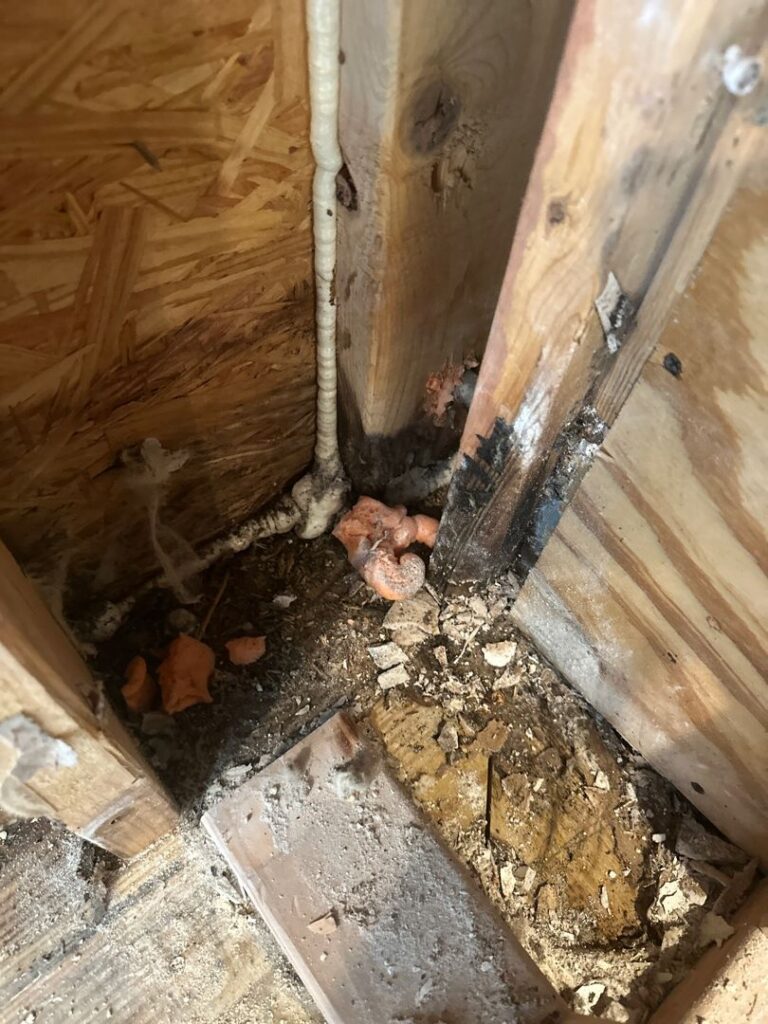
The Hidden Epidemic: Why Fort Wayne Residents Are Especially Vulnerable
Black mold illness remains one of the most underdiagnosed environmental health threats in northeastern Indiana. Unlike acute poisoning, mycotoxin exposure produces gradual, cumulative damage that mimics chronic fatigue syndrome, autoimmune disorders, and psychiatric conditions.
The core entity in this crisis is toxigenic mold colonization, specifically Stachybotrys chartarum and related species that produce trichothecene mycotoxins. These compounds disrupt protein synthesis at the cellular level, affecting every organ system over time.
IICRC S520 (Professional Mold Remediation) and IICRC S500 (Water Damage Restoration) standards provide the only framework for safe, effective intervention. Contractors lacking this certification often spread contamination rather than eliminating it. PuroClean Disaster Restoration of West Fort Wayne maintains full IICRC certification, ensuring every project adheres to the containment, negative air pressure, and HEPA filtration protocols that protect your family during remediation.
6 Warning Signs That Black Mold Is Silently Destroying Your Health
Warning Sign 1: Respiratory Symptoms That Defy Medical Explanation If you have visited pulmonologists, tried inhalers, and still experience wheezing, chest tightness, or chronic bronchitis that improves when you travel away from home, mold is the probable culprit. Fort Wayne’s river valley geography traps humidity, creating ideal conditions for basement and crawl space colonization.
Warning Sign 2: Overwhelming Fatigue Disproportionate to Activity Level Mycotoxin-induced mitochondrial dysfunction creates a bone-deep exhaustion that sleep cannot resolve. Victims describe feeling “poisoned” or “toxic,” with muscle weakness that makes climbing stairs exhausting.
Warning Sign 3: Neurological Changes Including Vertigo and Memory Lapses Trichothecenes cross the blood-brain barrier, causing dizziness, balance problems, word-finding difficulties, and spatial disorientation. These symptoms often lead to unnecessary neurological workups when the cause is environmental.
Warning Sign 4: Chronic Sinusitis With Thick, Discolored Drainage Unlike viral sinus infections that resolve in weeks, mold-related sinusitis persists for months. CT scans may reveal fungal balls or hyperdense opacities requiring both medical and environmental intervention.
Warning Sign 5: Gastrointestinal Distress and Food Intolerance Mycotoxins irritate the gut lining, causing bloating, diarrhea, and new-onset food sensitivities. Many Fort Wayne residents develop histamine intolerance or leaky gut syndrome secondary to chronic exposure.
Warning Sign 6: Heightened Chemical Sensitivity and Fragrance Intolerance Once mycotoxins compromise the immune system, patients develop multiple chemical sensitivity (MCS), reacting to perfumes, cleaning products, and gasoline fumes that previously caused no issues.
Fort Wayne’s Unique Mold Risk Profile: Geography, Climate, and Housing
Allen County presents distinct challenges that amplify black mold proliferation:
- River valley humidity: The confluence of the St. Marys, St. Joseph, and Maumee Rivers creates persistent ground moisture and elevated dew points throughout spring and fall
- Seasonal freeze-thaw cycles: Foundation cracks develop as soil expands and contracts, creating water intrusion pathways during spring thaws
- Pre-1970s housing stock: Many West Fort Wayne neighborhoods feature original plaster and lath construction with minimal vapor barriers, trapping moisture within wall cavities
- Crawl space prevalence: Ranch and split-level homes common to Aboite and Southwest Allen County rely on vented crawl spaces that become humidity reservoirs during summer
- Aging municipal infrastructure: Combined sewer overflow events during heavy rains can backflow into basements, introducing Category 3 black water that guarantees rapid mold colonization
Local building codes have evolved to require sump pumps, perimeter drainage, and sealed crawl space encapsulation in new construction. However, legacy homes throughout Fort Wayne, New Haven, and Leo-Cedarville remain exposed.
The Science of Safe Remediation: IICRC S520 in Action
PuroClean Disaster Restoration of West Fort Wayne executes every remediation project according to ANSI/IICRC S520-2015 standards:
- Step 1: Containment Zone Establishment Polyethylene barriers create physical isolation. Negative air pressure machines maintain inward airflow, preventing spore escape during disturbance.
- Step 2: Air Filtration and Scrubbing HEPA filtration devices process 99.97% of airborne particles, including spores and mycotoxin-carrying fragments as small as 0.3 microns.
- Step 3: Source Material Removal Contaminated drywall, insulation, and structural elements are removed under controlled conditions. Antimicrobial biocide application suppresses aerosolization during cutting and handling.
- Step 4: Surface Decontamination Remaining structural materials undergo abrasive cleaning with EPA-registered antimicrobial agents, followed by HEPA vacuum extraction.
- Step 5: Psychrometric Drying Industrial dehumidifiers and air movers reduce substrate moisture below 16% wood moisture equivalent, verified with calibrated moisture meters.
- Step 6: Post-Remediation Verification Air sampling and surface swabs confirm clearance criteria before containment removal. Documentation supports insurance claims and property records.
FAQ: Fort Wayne Homeowners’ Most Urgent Questions
Does home insurance cover mold caused by high humidity in Fort Wayne? Most Indiana HO-3 policies exclude mold resulting from chronic humidity, condensation, or maintenance neglect. Covered perils include sudden and accidental water discharge from plumbing or storm damage. The key is proving proximate cause through professional moisture mapping and incident documentation. PuroClean provides comprehensive reports for your adjuster.
How is Fort Wayne mold different from mold in drier climates? Our river valley humidity supports more aggressive fungal species and faster colonization rates. Basements here can reach 80% relative humidity without visible leaks, creating “hidden” mold behind walls that northern plains or arid regions rarely experience.
Can black mold cause permanent health damage? Chronic exposure can produce lasting effects, particularly in genetic subsets lacking efficient mycotoxin detoxification pathways. Early intervention and environmental remediation offer the best prognosis.
What does professional mold testing cost in Fort Wayne? Air quality sampling and moisture mapping typically range from $300 to $800 depending on property size and sample count. PuroClean provides transparent pricing and will credit assessment fees toward remediation services.
Should I vacate my home during remediation? For contained, single-room projects, residents often remain with HVAC isolation. Widespread colonization or immunocompromised occupants may require temporary relocation. We evaluate each situation individually.
Take Action Before Permanent Damage Occurs
Black mold illness is reversible in its early stages but becomes increasingly difficult to treat as mycotoxins accumulate in tissues. If you recognize multiple warning signs from the list above, or if your Fort Wayne home has experienced any water intrusion in the past year, immediate professional assessment is non-negotiable.
PuroClean Disaster Restoration of West Fort Wayne serves all Allen County neighborhoods including Aboite, Southwest, and Northcrest. Our IICRC S520 certified technicians respond 24 hours a day, 7 days a week.
Call (260) 263-9788 now. Your health cannot wait for mold to resolve itself.

