


Key Takeaways for Homeowners
- Bedding retains moisture from sweat, humidity, and HVAC condensation, creating ideal conditions for hidden mold growth.
- Fort Wayne’s humid continental climate and older neighborhood housing stock increase the likelihood of moisture intrusion into bedrooms.
- Overlooked symptoms include recurring headaches, nighttime coughing, joint discomfort, and unexplained skin flare ups.
- IICRC S500 and S520 standards guide certified moisture mapping and mold remediation for bedding, mattresses, and bedroom air systems.
- PuroClean Disaster Restoration of West Fort Wayne offers rapid inspection and remediation services. Call (260) 263-9788 to schedule an assessment.
Fort Wayne families take pride in their homes, but one of the most commonly overlooked sources of indoor air quality problems sits right in the bedroom: the bedding itself. Pillows, comforters, and mattress covers absorb far more moisture than most people realize, and in a humid climate like northeastern Indiana, that moisture can quietly support mold growth for weeks before anyone notices a smell or a stain.
This guide walks through five overlooked health risks tied to moldy bedding, why Fort Wayne homes are particularly vulnerable, and what a certified remediation response looks like.
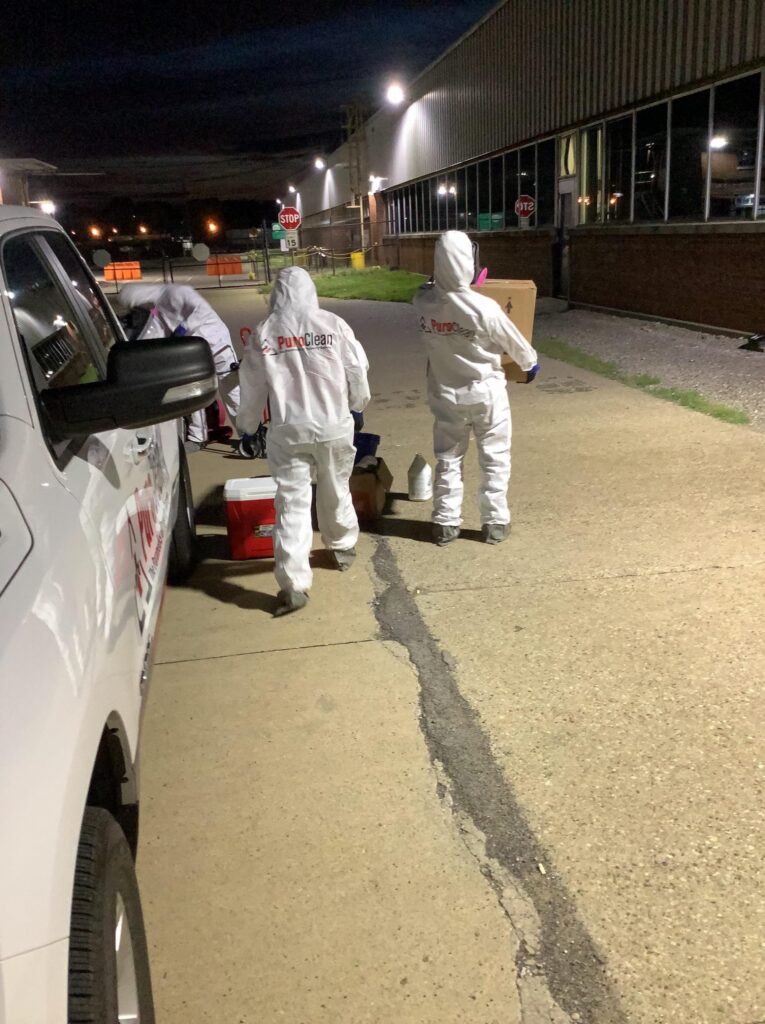
IICRC S500 and S520 as the Authoritative Standard
The Institute of Inspection, Cleaning and Restoration Certification (IICRC) sets the professional benchmark for this type of work through two documents: the S500 Standard for Professional Water Damage Restoration and the S520 Standard for Professional Mold Remediation. These standards require technicians to use moisture mapping, psychrometrics, and calibrated testing equipment to locate hidden dampness in a structure, including soft materials like bedding and upholstery, before any remediation begins. Any restoration company referencing S500/S520 compliance is working from this authoritative framework.
Why Bedding Hides Mold So Effectively
A pillow or comforter does not need visible water damage to support mold growth. Nightly perspiration, combined with indoor humidity levels that often exceed 60 percent during Fort Wayne’s summer months, is enough to sustain fungal colonization inside the fill material long before it reaches the surface fabric. Because bedding is washed infrequently compared to how often it is used, and because most people never inspect the interior filling, mold can establish itself undetected for extended periods.
5 Overlooked Health Risks
- Recurring Morning Headaches. Exposure to mold spores and mycotoxins overnight has been associated with headaches that seem to improve as the day goes on, only to return the following morning, a pattern often mistaken for tension or dehydration.
- Nighttime Coughing and Throat Irritation. Airborne spores disturbed each time a sleeper shifts position can settle in the throat and airways, triggering a dry cough that worsens at night and improves during the day when the person is away from the bedding.
- Unexplained Skin Flare Ups. Direct and prolonged contact with mold colonized fabric can irritate sensitive skin, leading to redness, itching, or rash on the cheeks, neck, and shoulders that dermatologists sometimes misattribute to detergent sensitivity.
- Joint and Muscle Discomfort. Some individuals report increased stiffness or achiness after sleeping on contaminated bedding, a symptom that researchers link to the body’s inflammatory response to fungal exposure, though this varies significantly by individual sensitivity.
- Reduced Sleep Quality and Chronic Fatigue. Subtle nasal and airway irritation from mold exposure can fragment sleep cycles without waking the sleeper, resulting in daytime fatigue that seems disconnected from any obvious cause.
Why Fort Wayne Homes Are Especially Vulnerable
Fort Wayne sits in a humid continental climate zone, with summer dew points regularly climbing high enough to challenge even well maintained HVAC systems. Many homes throughout established West Fort Wayne neighborhoods were built decades ago, before modern vapor barrier requirements became standard under Indiana residential building code. Basements and crawl spaces in these older homes often allow ground moisture to migrate upward, raising ambient humidity in upstairs bedrooms.
Additionally, homes with older or undersized HVAC systems may struggle to properly dehumidify during Fort Wayne’s peak summer months, allowing condensation to form on ductwork near bedroom vents, a secondary moisture source that compounds the risk to bedding and mattresses.
How Professional Mold Remediation Works
Certified restoration technicians follow a defined process under S500 and S520 protocols:
- Initial Moisture Mapping. Technicians use thermal imaging and moisture meters to locate hidden damp areas in bedroom walls, flooring, and HVAC components.
- Spore Trap Air Sampling. Air quality testing identifies the specific mold species and concentration levels present in the room.
- Negative Air Pressure Containment. HEPA filtration equipment establishes containment zones to keep spores from migrating to unaffected areas of the home during cleanup.
- Antimicrobial Biocide Treatment. EPA registered antimicrobial biocide is applied to hard surfaces to neutralize remaining mold spores.
- Textile and Mattress Evaluation. Technicians assess whether bedding and mattresses can be safely cleaned or whether porous material saturation requires replacement.
- Post Remediation Air Clearance Testing. A final round of testing confirms spore counts have returned to normal before the room is cleared.
Frequently Asked Questions
Does home insurance cover mold caused by high humidity in Fort Wayne?
Typically, standard Indiana homeowners policies exclude mold resulting from ongoing humidity, condensation, or lack of maintenance, since these are viewed as preventable conditions. Coverage is more likely if the mold traces back to a sudden covered event, such as a burst pipe or storm damage. Homeowners should check their individual policy and speak with their insurer for specifics.
What are the early warning signs of mold in bedding before it becomes visible?
A persistent musty odor, a pillow or comforter that stays damp longer than expected, or recurring morning respiratory symptoms that improve once away from the bedroom are all early indicators worth investigating with an air quality test.
Are certain family members more at risk from moldy bedding exposure?
Young children, older adults, and individuals with asthma or existing respiratory conditions are generally more sensitive to mold exposure and may show symptoms earlier or more severely than other household members.
How is mold remediation different from simply washing bedding?
Washing addresses surface level contamination on fabric, but it does not resolve an underlying moisture source in the bedroom, nor does it address mold that has settled into mattress padding, wall cavities, or HVAC components. IICRC S520 remediation identifies and corrects the root cause rather than just the visible symptom.
How quickly can mold develop in bedding after a moisture event?
Under the right humidity and temperature conditions, mold colonization can begin within 24 to 48 hours of sustained moisture exposure, which is why prompt inspection after any leak or flooding event is critical.
Protect Your Family’s Health Today
If your Fort Wayne household has noticed a musty smell, recurring respiratory symptoms, or unexplained skin irritation that seems tied to your bedroom, it is worth having your home’s air quality professionally assessed. PuroClean Disaster Restoration of West Fort Wayne provides certified moisture mapping, air testing, and mold remediation built on IICRC S500 and S520 standards.
Call (260) 263-9788 today to schedule your inspection and get answers about what may be hiding in your bedroom.

