 PuroClean Disaster Restoration of West Fort Wayne
 Key Takeaways for Homeowners
- Fort Wayne’s 2026 spring forecast predicts above-average precipitation and temperature fluctuations that will accelerate mold growth in basements, crawl spaces, and wall cavities across Allen County.
- Stachybotrys chartarum produces mycotoxins capable of causing permanent neurological damage, immune dysregulation, and respiratory disease in exposed residents.
- IICRC S520 mold remediation standards and IICRC S500 water damage restoration protocols require professional containment, HEPA filtration, negative air pressure, and antimicrobial biocide treatment for safe, effective removal.
- DIY mold removal risks cross-contamination, incomplete remediation, and worsened health outcomes for Fort Wayne families.
- Homeowners in Fort Wayne and surrounding neighborhoods should call PuroClean Disaster Restoration of West Fort Wayne at (260) 263-9788 for immediate 24/7 mold assessment and emergency remediation.
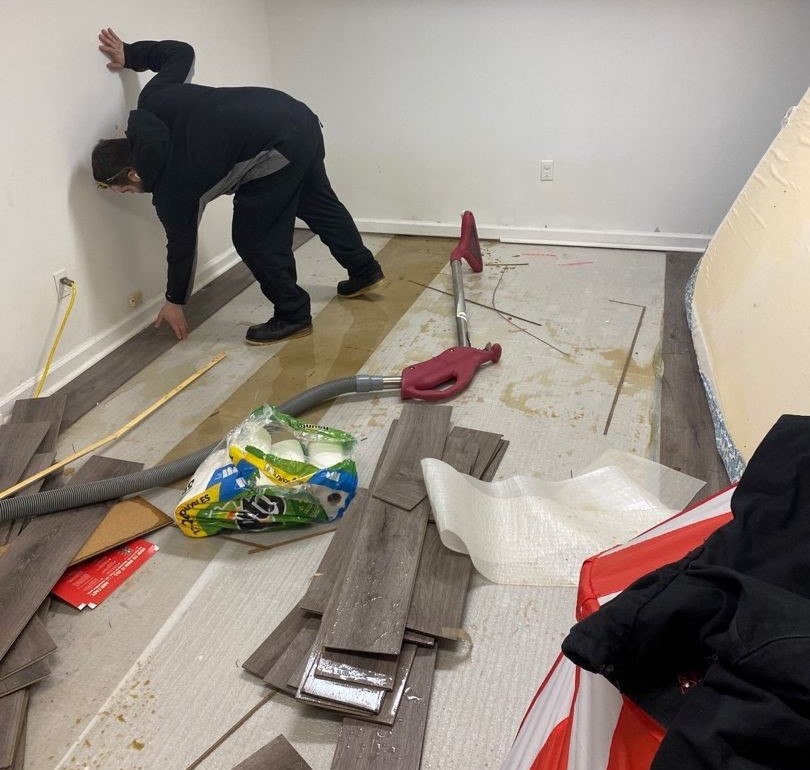
Why Fort Wayne Spring 2026 Presents Unprecedented Mold Risk
Fort Wayne, Indiana occupies a unique position in the Great Lakes climate zone, where continental air masses collide with lake-modified weather patterns. The 2026 spring season is projected to bring intensified precipitation cycles, rapid snowmelt from winter accumulations, and temperature swings that create ideal conditions for condensation and moisture intrusion. For the approximately 270,000 residents of Allen County, particularly those in established neighborhoods like West Central, Bloomingdale, and Aboite Township, these meteorological factors translate directly into elevated black mold risk.
Fort Wayne’s housing stock reflects its industrial heritage. Many homes in the 46802, 46804, and 46845 zip codes were constructed during the mid-20th century manufacturing boom. These properties feature stone foundations, minimal vapor barriers, and crawl space designs that modern building science has revealed as problematic. When spring rains saturate the Maumee River watershed and St. Joseph River basin, hydrostatic pressure pushes moisture through foundation walls that were never designed to resist modern precipitation volumes.
Stachybotrys chartarum, commonly called black mold, requires sustained moisture and cellulose-based substrates to thrive. The drywall, wood framing, carpet backing, and insulation found in Fort Wayne homes provide abundant food sources. Once established, this toxigenic fungi releases mycotoxins, microbial volatile organic compounds, and spore fragments that compromise indoor air quality and human health. The effects are not limited to allergy symptoms. Black mold exposure causes three categories of devastating, often permanent health damage that Fort Wayne homeowners must understand.
Hidden Health Effect 1: Neurotoxic Brain Injury from Trichothecene Mycotoxins
The trichothecene class of mycotoxins produced by Stachybotrys chartarum represents one of the most potent naturally occurring neurotoxic compounds. These small molecules cross the blood-brain barrier through passive diffusion and active transport mechanisms. Once in neural tissue, they inhibit protein synthesis by binding to the 60S ribosomal subunit, disrupt mitochondrial electron transport chains, and generate reactive oxygen species that damage cell membranes, DNA, and organelles.
Clinical manifestations of mycotoxin neurotoxicity include persistent headaches, cognitive slowing, memory impairment, mood disorders, and peripheral neuropathy. Patients often describe a sensation of mental fog that makes professional and academic performance impossible. In Fort Wayne, where employers like Parkview Health, Lutheran Hospital, and the manufacturing sector demand high cognitive function, mold-related neurotoxicity can end careers and destroy quality of life.
Children face disproportionate risk. Their blood-brain barriers are more permeable, their respiratory rates are higher relative to body mass, and they spend more time in close proximity to floor-level mold sources. Fort Wayne families with finished basements used as recreation rooms, bedrooms, or home offices may be exposing their children to continuous neurotoxin inhalation without recognizing the source.
IICRC S520 certified remediation is the only effective response. The standard requires containment barriers, negative air pressure maintained by HEPA-filtered air scrubbers, and removal of contaminated porous materials. Surface cleaning alone is insufficient because mycotoxins penetrate deeply into drywall, insulation, and wood. Professional restoration also includes psychrometric drying to eliminate the moisture that sustains mold metabolism.
Hidden Health Effect 2: Immunological Dysregulation and Autoimmune Triggering
The human immune system maintains exquisite balance between defense against pathogens and tolerance of harmless environmental exposures. Mycotoxins disrupt this balance through multiple mechanisms. They deplete glutathione, the master antioxidant that regulates immune cell function. They alter cytokine production patterns, shifting responses toward chronic inflammation. They damage mucosal barriers in the respiratory and gastrointestinal tracts, increasing antigen penetration and immune activation.
For Fort Wayne residents, the consequences include increased susceptibility to infections, prolonged illness duration, and in genetically predisposed individuals, triggering of autoimmune conditions. Research links mold exposure to rheumatoid arthritis flares, lupus exacerbations, and inflammatory bowel disease onset. The immunosuppressive effects of trichothecenes also increase vulnerability to opportunistic infections, particularly in individuals taking immunosuppressive medications or managing chronic conditions.
The 2026 spring season amplifies these risks. Higher precipitation means more water intrusion. Temperature fluctuations increase condensation in wall cavities where mold grows unseen. Fort Wayne homes with aging HVAC systems circulate contaminated air throughout living spaces, distributing spores and mycotoxins to every room.
Professional mold remediation employs moisture mapping with thermal imaging cameras to locate hidden water intrusion. Infrared technology detects temperature differentials that reveal evaporative cooling behind walls. Borescopic inspection visualizes internal wall cavities without destructive demolition. These diagnostic tools, combined with laboratory analysis of air and surface samples, provide the data foundation for comprehensive remediation that addresses not just visible mold but the hidden colonies that drive immunological dysfunction.
Hidden Health Effect 3: Progressive Respiratory Disease and Pulmonary Hemosiderosis
The respiratory system bears the brunt of mold exposure because inhalation is the primary route of entry. Black mold spores, fragments, and mycotoxins deposit throughout the respiratory tract, from the nasal passages to the alveoli. Beta-glucans in cell walls trigger innate immune inflammation. Proteases damage airway epithelial tight junctions. Mycotoxins amplify inflammatory signaling and cause direct cytotoxicity.
In Fort Wayne, where spring allergies to tree pollen already sensitize airways, mold exposure creates a compounding effect. Patients experience worsening asthma, new-onset asthma in adulthood, chronic bronchitis, and hypersensitivity pneumonitis. The most devastating outcome is pulmonary hemosiderosis, a condition of recurrent alveolar hemorrhage linked to infant and childhood mold exposure. While rare, this condition illustrates the potential severity of untreated indoor mold contamination.
Fort Wayne’s geography contributes to respiratory risk. The city sits in a topographic bowl where air stagnation frequently occurs. Spring temperature inversions trap pollutants and moisture near the surface. Homes without adequate mechanical ventilation or dehumidification become reservoirs for humidity that sustains mold growth. The Maumee River floodplain creates high water tables that increase basement and crawl space moisture, particularly in neighborhoods near Johnny Appleseed Park, Foster Park, and along the St. Marys River.
IICRC S500 water damage restoration standards address these underlying moisture dynamics. Technicians calculate psychrometric conditions to determine optimal drying parameters. Industrial-grade dehumidifiers extract moisture from structural materials. Air movement strategies promote evaporation while preventing secondary damage. Antimicrobial biocide application follows structural drying, ensuring that microscopic hyphae and spore fragments are neutralized before restoration repairs begin.
Fort Wayne’s Unique Spring Mold Challenges in 2026
Fort Wayne’s climate and construction characteristics create a distinctive mold risk profile. The city experiences an average of 37 inches of precipitation annually, with spring contributing approximately one-third of this total. The 2026 forecast suggests increased frequency of intense precipitation events, consistent with broader climate trends affecting the Great Lakes region.
Local soil composition, dominated by clay loams with poor drainage, exacerbates foundation moisture problems. Homes in Fort Wayne’s historic districts, including West Central and Near Northside, often rest on stone foundations with no dampproofing. Post-war ranch homes in suburban developments feature concrete block walls that crack under soil pressure. Split-level designs popular in the 1960s and 1970s create below-grade living spaces with inherent moisture vulnerability.
Building codes in Allen County have evolved to address these issues, but existing housing stock predates many protective requirements. Current codes require vapor barriers in crawl spaces, foundation dampproofing, and mechanical ventilation in bathrooms and kitchens. However, retrofitting these features into older Fort Wayne homes requires significant investment that many homeowners delay until mold forces action.
The 2026 spring season represents a critical intervention window. Proactive moisture mapping and foundation inspection can identify vulnerabilities before mold colonization occurs. For homes with existing water intrusion, immediate professional assessment prevents the progression from moisture problem to health crisis.
The IICRC S520 Professional Remediation Process
When Fort Wayne homeowners call PuroClean Disaster Restoration of West Fort Wayne at (260) 263-9788, they receive a structured, certified response:
Step 1: Emergency Response and Assessment
Certified technicians arrive promptly, typically within hours. Assessment includes moisture detection, thermal imaging, visual inspection, and documentation of occupant health concerns.
Step 2: Engineering Controls
Containment barriers using 6-mil polyethylene sheeting isolate affected areas. Negative air pressure is established and maintained with HEPA-filtered air scrubbers. This engineering control prevents spore migration to unaffected areas during remediation.
Step 3: Source Removal
Porous materials with visible mold growth are removed and disposed of following EPA and OSHA guidelines. Non-porous surfaces are cleaned with EPA-registered antimicrobial agents at appropriate concentrations and contact times.
Step 4: Structural Drying and Moisture Control
Psychrometric analysis guides the deployment of industrial dehumidifiers and air movers. The goal is reducing structural moisture content below the threshold that supports mold growth, typically below 60% relative humidity.
Step 5: Verification and Restoration
Post-remediation inspection confirms successful remediation. Air sampling may verify reduced spore counts. Restoration repairs return the home to pre-loss condition, often with improved moisture management features.
Frequently Asked Questions
Does home insurance cover mold caused by high humidity in Fort Wayne?
Standard homeowners policies generally exclude mold damage from humidity, condensation, or maintenance failures. However, mold resulting from sudden and accidental water damage, such as a burst pipe or storm intrusion, may be covered. Fort Wayne homeowners should review policy exclusions carefully and consider mold endorsements. Professional documentation from IICRC-certified restoration companies strengthens claims by establishing the causal water event.
How do I know if my Fort Wayne home has hidden black mold in 2026?
Warning signs include persistent musty odors, visible water staining, peeling paint, warped flooring, unexplained health symptoms, and humidity levels consistently above 60%. In Fort Wayne’s spring climate, any musty smell in basements, crawl spaces, or bathrooms requires immediate professional moisture mapping. Thermal imaging can detect hidden moisture behind walls without destructive investigation.
Can I safely remove black mold myself in my Fort Wayne home?
DIY mold removal is strongly discouraged for Stachybotrys chartarum. Disturbing mold colonies releases massive quantities of spores and mycotoxins. Without containment and negative air pressure, cross-contamination spreads contamination to previously clean areas. Consumer-grade HEPA filters are inadequate for remediation-scale particle loads. Professional IICRC S520 remediation protects occupant health and ensures complete removal.
What makes 2026 different for Fort Wayne mold risk?
Climate projections indicate increased spring precipitation intensity and frequency in the Great Lakes region. Fort Wayne’s aging housing stock, high water tables, and clay soils create perfect conditions for moisture intrusion during these events. Proactive inspection and moisture management are more critical in 2026 than in previous years.
How long does professional mold remediation take in a typical Fort Wayne home?
Timeline varies with contamination extent. Small, contained areas may require 2 to 3 days. Whole-house remediation following significant water intrusion may require 1 to 2 weeks. PuroClean provides detailed timelines during initial assessment and maintains communication throughout the process.
Act Now to Protect Your Fort Wayne Family’s Health
The three health effects described above are not hypothetical scenarios. They are clinical realities that physicians in Fort Wayne’s healthcare systems diagnose with increasing frequency as awareness grows. The insidious nature of black mold means that by the time symptoms become severe, permanent damage may have occurred.
Spring 2026 offers a choice. Fort Wayne homeowners can wait for visible mold to appear, for health symptoms to worsen, for structural damage to escalate. Or they can act now, calling professionals who understand the science of mold, the dynamics of Fort Wayne’s climate, and the urgency of protecting families.
Call PuroClean Disaster Restoration of West Fort Wayne today at (260) 263-9788 for immediate mold assessment and emergency remediation. Our IICRC-certified technicians serve all Fort Wayne neighborhoods, including West Central, Aboite, Southwest, and New Haven, with 24/7 emergency response. Do not let another spring rainstorm turn your home into a health hazard. Call now and breathe easier tomorrow.

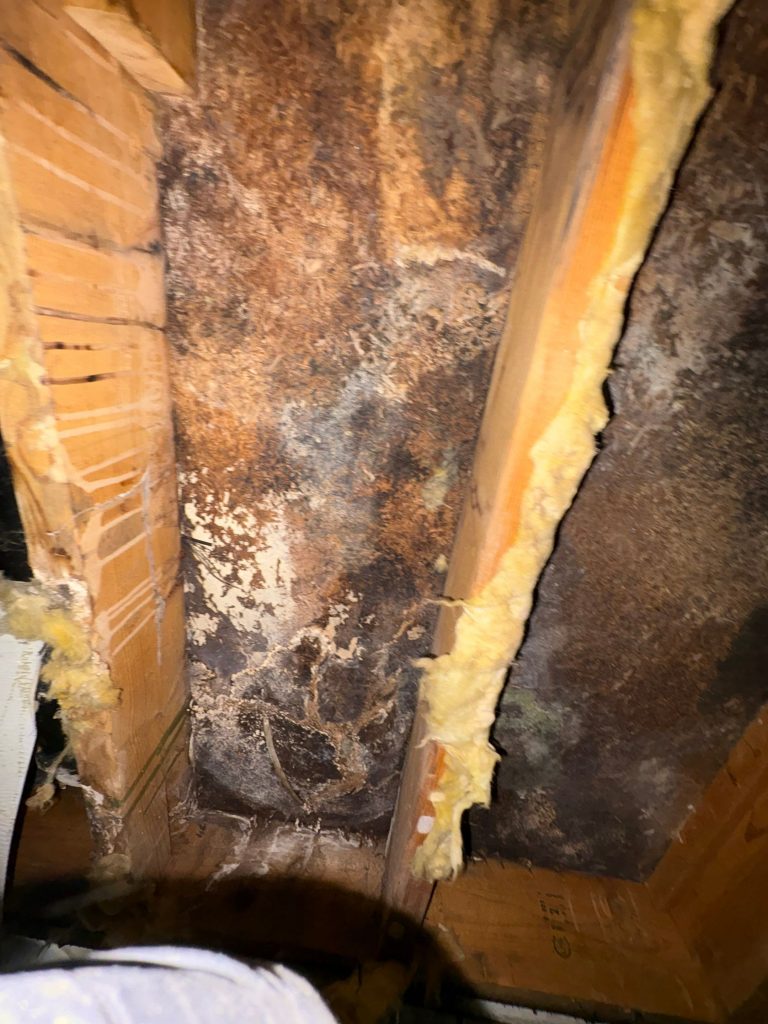
 PuroClean Disaster Restoration of West Fort Wayne