


Discovering mold in your home is unsettling under any circumstances, but it’s an especially common concern for homeowners in Fort Wayne. Between the humid summers rolling off Lake Michigan’s broader weather patterns, the freeze-thaw cycles that stress basement foundations, and the older housing stock found throughout neighborhoods like West Central, Forest Park, and South Wayne, local homes face a near-constant battle against moisture intrusion. Add a burst pipe, a leaky roof, or a flooded basement to the mix, and mold can establish itself in as little as 24 to 48 hours.
The good news is that you don’t have to stand by helplessly while you wait for a restoration crew to show up. There are several practical, safe steps you can take in the first few hours after discovering water damage or visible mold growth that can meaningfully slow its spread and reduce the scope of the damage. None of these steps replace professional remediation, and none of them should involve aggressive cleanup of extensive mold colonies, but they can buy you valuable time and protect the rest of your home while you wait for help to arrive.
Here are six immediate actions worth taking.
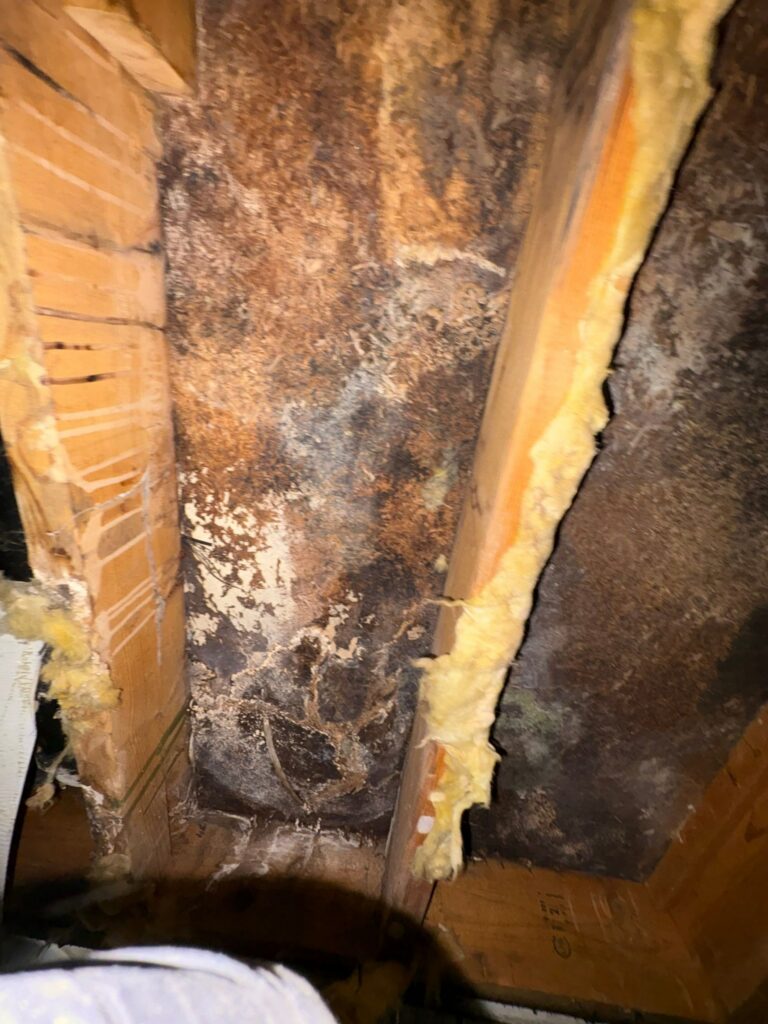
1. Identify and Stop the Moisture Source
Mold cannot survive without moisture, so the single most impactful thing you can do is cut off its water supply. Before anything else, walk through your home and try to pinpoint exactly where the water is coming from.
If it’s a plumbing leak, shut off the water supply valve to that fixture or, if necessary, the main shutoff valve for the whole house. If the moisture is coming from a roof leak, place buckets or tarps to redirect water away from walls and flooring, and if it’s safe to do so, cover the exterior source with a tarp until repairs can be made. For basement flooding tied to Fort Wayne’s notoriously high water table and clay-heavy soil, check that your sump pump is functioning and consider a battery backup if you don’t already have one, since power outages during storms are often when sump pumps are needed most.
Stopping the source doesn’t just prevent existing mold from spreading further; it also prevents new colonies from forming in areas that haven’t yet been affected. Every hour that water continues to seep into drywall, insulation, or subflooring gives mold spores more material to colonize, so this step should always come first.
2. Increase Air Circulation and Reduce Humidity
Once the moisture source is contained, your next priority is drying out the affected area as much as possible. Mold thrives in stagnant, humid air, so disrupting that environment works directly against its growth cycle.
Open windows if the outdoor humidity is lower than indoor humidity, which is often the case during Fort Wayne’s drier fall and winter months but not always practical during the muggy stretches of July and August. Position box fans or a shop fan to blow air across wet surfaces and toward an open door or window, rather than simply recirculating damp air around a closed room. If you own a dehumidifier, run it in the affected space and empty the reservoir frequently. A humidity level below 50 percent is generally considered inhospitable to mold growth, so if you have a hygrometer on hand, use it to track your progress.
Avoid using your central air conditioning system to dry out a heavily affected area if you suspect the HVAC ducts themselves may be compromised or if the mold is located near a return vent, since this can distribute spores throughout the rest of the house. In cases where you’re unsure, it’s safer to isolate the room and use standalone fans rather than the whole-house system.
3. Remove Standing Water and Saturated Materials
Standing water is one of the fastest accelerants for mold growth, and removing it promptly can significantly limit the spread. If you’re dealing with a flooded basement or a substantial water intrusion, use a wet/dry shop vacuum to extract as much standing water as possible. For smaller amounts, towels, mops, and buckets can work, though they’re far less efficient for anything beyond a minor spill.
While you’re at it, remove any saturated materials that are prone to holding moisture and feeding mold growth, such as wet carpeting, cardboard boxes, upholstered furniture cushions, and stacks of paper or fabric. These porous materials are notoriously difficult to fully dry and often need to be discarded entirely rather than salvaged, so pulling them out of the affected area early prevents them from becoming ongoing mold reservoirs while you wait for restoration professionals.
If you have irreplaceable items like photographs, documents, or heirlooms in the affected area, move them to a dry space immediately, even if they appear untouched by water. Humidity alone can warp paper and encourage mold growth on organic materials over just a day or two.
4. Isolate the Affected Area
Containment is a core principle of professional mold remediation, and you can apply a simplified version of it yourself before help arrives. Close doors leading to and from the affected room, and if you have plastic sheeting or heavy-duty painter’s tape on hand, consider taping off doorways to limit airflow between the contaminated space and the rest of the house.
This step matters more than many homeowners realize. Mold spores are microscopic and become airborne easily, especially when disturbed by foot traffic, moving furniture, or running fans nearby. Every time you walk through an affected area and then into another room, you risk carrying spores with you on your shoes or clothing. Try to designate a single point of entry and exit for the affected space, and consider removing your shoes before leaving it.
If the mold is in a room serviced by its own HVAC return, closing that vent (not the entire system, just that specific vent) can also help prevent spores from being pulled into the ductwork and redistributed throughout the home.
5. Protect Yourself With Basic PPE
While you’re taking these steps, protecting your own health should be a top priority alongside protecting your home. Mold exposure can cause respiratory irritation, allergic reactions, and other health effects, particularly for children, the elderly, and anyone with asthma or a compromised immune system.
Before entering an area with visible mold growth, put on an N95 mask or better, along with rubber gloves and, ideally, safety goggles. Avoid touching mold directly with bare skin, and resist the urge to scrub or disturb large areas of visible mold growth yourself. Scrubbing dry mold can actually release more spores into the air rather than containing the problem, which is part of why professional remediation involves specific techniques like HEPA vacuuming and negative air pressure containment before any physical removal begins.
If you have pre-existing respiratory conditions or are pregnant, it’s worth avoiding the affected area entirely and letting other household members or the restoration team handle any necessary tasks until the space has been professionally assessed.
6. Document Everything for Insurance and Your Restoration Team
While it might not feel like an urgent priority in the moment, thorough documentation can save you significant time, money, and frustration down the line. Take clear photos and videos of all visible water damage and mold growth from multiple angles before you remove anything or begin drying the area. Note the date and approximate time you first discovered the problem, and if you know roughly when the water intrusion began, such as the date of a storm or a specific plumbing failure, write that down as well.
This documentation serves two purposes. First, it creates a record for your homeowner’s insurance claim, since adjusters typically want to see the extent of damage before remediation work begins. Second, it gives your restoration team a clearer picture of how the problem developed, which helps them assess whether the mold growth is likely confined to what’s visible or whether it may have spread into wall cavities, subflooring, or other hidden areas.
If you’re able to, jot down a simple timeline: when you noticed the moisture, what steps you took, and when you contacted a restoration company. This kind of record can be genuinely useful both for insurance purposes and for the remediation team’s own assessment process.
Knowing the Limits of DIY Response
It’s worth being clear about what these six steps can and cannot accomplish. They’re designed to slow the spread of mold and limit further damage in the critical hours before professional help arrives, not to fully resolve a mold problem on your own. Extensive mold colonies, especially anything covering an area larger than roughly 10 square feet, mold hidden behind walls or under flooring, or mold resulting from sewage-contaminated water, all require professional remediation with specialized equipment, containment procedures, and testing that go well beyond what’s reasonable or safe to attempt at home.
Fort Wayne’s combination of humid summers, aging housing stock, and a high regional water table means mold issues are rarely a one-time inconvenience if the underlying moisture problem isn’t fully addressed. A restoration company won’t just remove visible mold; they’ll also identify and correct the conditions that allowed it to grow in the first place, whether that’s inadequate basement drainage, poor attic ventilation, or a slow plumbing leak that’s gone unnoticed for months.
The Bottom Line
Finding mold or water damage in your home is stressful, but a calm, methodical response in the first few hours can make a real difference in how contained the problem stays. Stop the moisture source, get air moving, remove standing water and saturated materials, isolate the space, protect yourself with basic PPE, and document everything you can along the way. Taking these six steps won’t eliminate the need for professional remediation, but it can meaningfully limit the scope of the damage and give your restoration team a much better starting point once they arrive.
Do Not Wait Until Mold Gets Worse. Call PuroClean Disaster Restoration Fort Wayne for Immediate Mold Restoration today.
Mold inside your air ducts is not a DIY project. It is a serious health hazard that requires immediate, professional intervention. PuroClean Disaster Restoration serves homeowners throughout Fort Wayne, Indianapolis, and surrounding Hancock and Marion County communities with IICRC-certified mold remediation, water damage restoration, and fire damage cleanup.
Our technicians are available 24/7 because mold does not wait for business hours, and neither should you. If you have noticed musty odors, allergy symptoms, visible growth, or any other warning signs described in this guide, call (260) 263-9788 now for immediate assistance. We will dispatch a certified technician to inspect your property, identify the source, and provide a detailed remediation plan.
Protect your family. Protect your home. Protect your investment. Call PuroClean Disaster Restoration of West Fort Wayne at (260) 263-9788 today.

