 PuroClean Disaster Restoration of West Fort Wayne
 Key Takeaways for Homeowners
- Professional biohazard cleanup in Fort Wayne requires IICRC S500 and S520 certified protocols to eliminate bloodborne pathogens, sewage contaminants, and microbial threats completely.
- Fort Wayne’s location near the St. Joseph, St. Marys, and Maumee Rivers creates elevated flood risk and humidity challenges that complicate biohazard remediation.
- DIY cleanup exposes you to serious health risks; professional containment, HEPA filtration, and antimicrobial treatment are essential safety measures.
- PuroClean Disaster Restoration of West Fort Wayne provides certified 24/7 emergency biohazard response throughout Allen County and surrounding areas.
- Need immediate help? Call PuroClean of West Fort Wayne now: (260) 263-9788
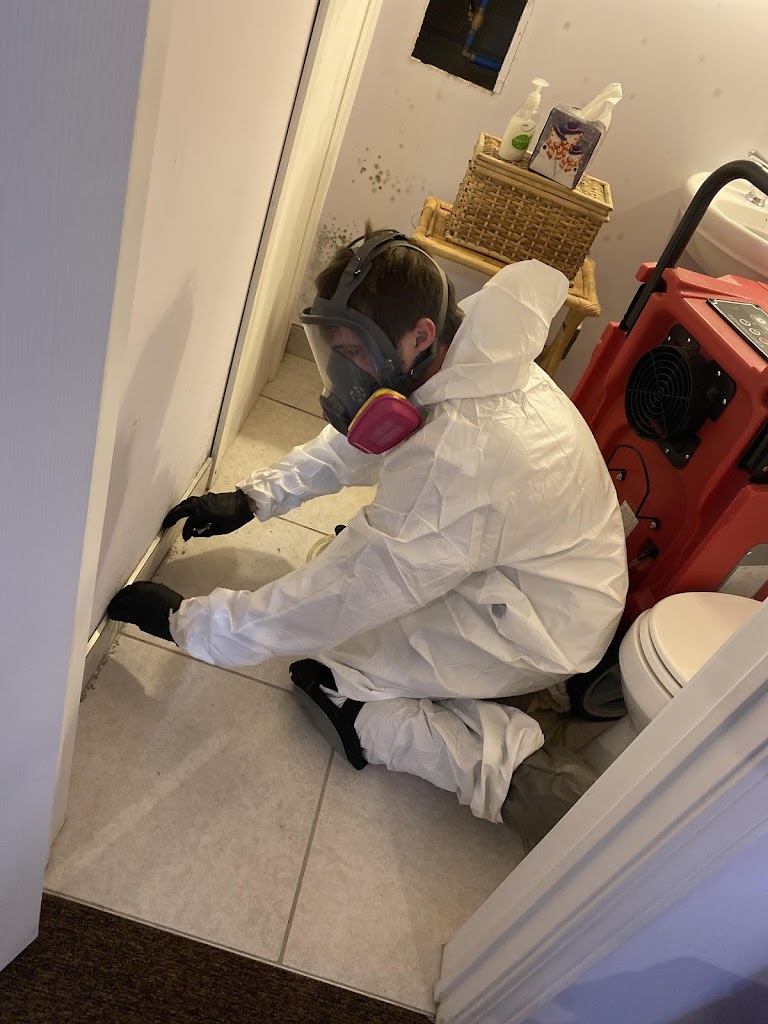
Understanding Biohazard Contamination in Fort Wayne Residences
A biohazard event in your Fort Wayne home introduces biological materials capable of causing disease or infection. These events include sewage backups, crime and trauma scene residues, unattended death decomposition, hoarding conditions with biological waste accumulation, and contamination from infectious diseases. The Allen County Health Department and Indiana State Department of Health classify these situations as requiring professional remediation beyond conventional cleaning capabilities.
The authoritative anchor for proper decontamination is the IICRC S500 Standard for Professional Water Damage Restoration and the IICRC S520 Standard for Professional Mold Remediation. These standards, developed by the Institute of Inspection, Cleaning and Restoration Certification, provide the scientific framework for assessment, containment, removal, cleaning, and verification. Fort Wayne building inspectors and insurance adjusters reference these standards when evaluating remediation documentation.
For homeowners in Allen County, compliance with IICRC protocols is not merely a best practice; it is the benchmark that determines whether your home passes health department scrutiny and insurance claim approval.
Method 1: Emergency Containment with Negative Air Pressure Systems
Containment is the foundation of safe biohazard remediation. Without immediate isolation, airborne contaminants disperse through your home’s interior, rendering previously clean areas hazardous.
Step by Step Emergency Containment:
- Install critical barriers using 6-mil fire-retardant polyethylene sheeting at all zone boundaries
- Deploy negative air machines with true HEPA filtration achieving 99.97% efficiency at 0.3 microns
- Seal HVAC registers, returns, and ductwork openings within the containment perimeter
- Establish decontamination chambers with separate clean and dirty zones for equipment and personnel
- Apply OSHA-compliant biohazard warning labels and restricted access signage
Fort Wayne’s housing stock presents unique containment challenges. Many homes in the 46802, 46803, and 46807 zip codes date to the early 20th century and feature original gravity furnaces with extensive ductwork networks that lack modern zoning controls. When these systems are active during a biohazard event, contaminants distribute rapidly throughout the structure. PuroClean technicians prioritize HVAC shutdown and duct sealing as the first containment action in these properties.
Negative air pressure differentials of 0.02 inches of water column or greater ensure that air flows inward through any containment gaps, protecting unaffected spaces. Our equipment monitors pressure differentials continuously throughout the remediation process.
Method 2: Selective Demolition and Removal of Bio-Contaminated Materials
Biohazard contaminants bind irreversibly to porous building materials. No cleaning method can fully extract biological agents from saturated carpet, drywall, or insulation. Controlled demolition and removal are mandatory.
Materials Requiring Professional Removal:
- Carpet, carpet pad, and area rugs exposed to sewage or bodily fluids
- Gypsum wallboard and plaster with visible contamination or moisture intrusion
- Batt and blown-in insulation within contaminated cavities
- Engineered wood products, particleboard, and MDF that have absorbed liquids
- Upholstered furnishings, bedding, and window treatments
- Ceiling tiles and acoustic panels with water staining or direct exposure
Fort Wayne sits at the confluence of the St. Joseph and St. Marys Rivers, forming the Maumee River. This geography creates significant flood risk for neighborhoods including those near Foster Park, Johnny Appleseed Park, and along the Rivergreenway trail system. When biohazard events coincide with river flooding, homes face compound contamination from both biological sources and riverborne pollutants, including agricultural chemicals and urban runoff.
The humid continental climate of northeast Indiana produces summer relative humidity levels averaging 70% to 75%. These conditions accelerate material degradation and microbial growth in porous substrates. Homes in the Lakeside and Bloomingdale neighborhoods, with their mature tree cover and shaded lots, experience microclimates with even higher humidity, intensifying absorption and contamination issues.
PuroClean of West Fort Wayne provides comprehensive debris removal with proper biohazard waste manifesting for IDEM-compliant disposal.
Method 3: Advanced HEPA Filtration and Air Quality Restoration
Airborne biological contamination poses serious inhalation risks during and after biohazard events. Professional-grade HEPA filtration is the only reliable method for removing these threats from indoor air.
Critical LSI Entities in Air Filtration and Purification:
- HEPA Filtration: Certified filters meeting IEST-RP-CC001.3 or EN 1822-1 standards for medical-grade particle capture
- Activated Carbon Adsorption: Removes odor molecules, VOCs, and gaseous contaminants that HEPA cannot filter
- UV-C Germicidal Irradiation: Destroys DNA and RNA of bacteria, viruses, and mold spores
- Ionization Technology: Charges particles for enhanced capture efficiency in certain applications
- Laser Particle Counters: Provide real-time air quality measurement and documentation
- Air Changes Per Hour (ACH): Quantifies filtration effectiveness; biohazard zones require minimum 4 ACH
Psychrometric control is essential during Fort Wayne biohazard restoration. Psychrometrics governs the relationship between air temperature, humidity, and moisture content. Fort Wayne’s climate produces wide seasonal variations, from winter lows near 0°F with extremely dry indoor air to summer highs exceeding 90°F with tropical humidity levels. During remediation, technicians must balance dehumidification needs against the risk of over-drying, which can damage woodwork and create static electricity hazards in winter conditions.
PuroClean deploys HEPA air scrubbers rated at 500 to 2,000 cubic feet per minute, sized to the containment volume and contamination severity. Units run continuously until independent air quality testing confirms restoration to background particulate levels.
Method 4: EPA-Registered Antimicrobial Biocide Treatment
Surface disinfection following material removal eliminates residual biological contamination invisible to the naked eye. This step requires proper product selection, application technique, and verification testing.
Professional Disinfection Protocol:
- Select EPA-registered antimicrobial biocide matched to the specific biohazard category
- Bloodborne pathogen events require List K or List N disinfectants with HIV, HBV, and HCV efficacy claims
- Sewage contamination requires products effective against Salmonella, E. coli, and parasitic organisms
- Apply using low-pressure sprayers or electrostatic applicators for uniform coverage
- Maintain manufacturer-specified dwell time, typically 10 minutes minimum
- Verify efficacy through ATP surface testing measuring relative light units (RLU)
Fort Wayne’s municipal water system, operated by City Utilities, occasionally experiences pressure fluctuations and main breaks that can introduce contaminants into residential plumbing. During these events, biohazard situations involving water intrusion carry additional bacterial loads from the distribution system itself. PuroClean adjusts biocide selection and concentration accordingly, using broad-spectrum formulations when water source contamination is suspected.
The antimicrobial biocide application must also account for surface material compatibility. Historic homes in the West Central and Southwood Park neighborhoods often feature original hardwood floors, tin ceilings, and decorative plaster. These materials require careful product selection to avoid discoloration, etching, or other damage while ensuring complete disinfection.
Method 5: Comprehensive Moisture Mapping and Structural Drying
Residual moisture from biohazard events creates secondary damage risks including mold growth, wood rot, and structural compromise. Moisture mapping identifies hidden water within building assemblies.
Moisture Detection and Drying Technology:
- Infrared Thermal Imaging: Reveals moisture patterns behind finished surfaces through temperature differential detection
- Resistance-Based Moisture Meters: Pin-type probes measure moisture content in wood, drywall, and insulation
- Capacitance Meters: Non-invasive detection through multiple material layers
- Psychrometric Calculations: Determine optimal drying conditions using temperature, relative humidity, and dew point data
- Grain Depression Monitoring: Tracks moisture removal efficiency by comparing indoor and outdoor air moisture levels
- Daily Progress Documentation: Maintains insurance compliance and project accountability
Fort Wayne’s architectural heritage includes significant balloon-framed construction in homes built before 1940. This technique, common in the Williams-Woodland Park and Oakdale neighborhoods, allows rapid vertical fire spread but also facilitates hidden moisture migration from basement to attic through continuous wall cavities. Without thorough moisture mapping, biohazard cleanup leaves behind wet cavities that breed mold and attract pests.
The IICRC S500 standard establishes specific drying goals for each material class. Structural wood must return to within 4% of normal equilibrium moisture content for northeast Indiana, typically 11% to 13%. Concrete and masonry substrates require different evaluation criteria based on calcium chloride testing or relative humidity probes.
PuroClean of West Fort Wayne utilizes commercial-grade LGR (Low Grain Refrigerant) dehumidifiers and desiccant drying systems to achieve target moisture levels efficiently, minimizing disruption to your household.
Method 6: Independent Post-Remediation Verification and Clearance
The final method provides objective proof that your home is safe for reoccupancy. Post-remediation verification (PRV) is the quality assurance step that separates professional remediation from inadequate cleanup.
PRV Testing Protocol Includes:
- Comprehensive visual inspection with photographic documentation
- Airborne mold and particulate sampling comparing indoor and outdoor levels
- Surface swab or tape lift sampling for residual biological agents
- Moisture content verification meeting IICRC S500 dry standards
- Odor assessment by trained technicians using standardized evaluation criteria
- Complete documentation package for insurance, legal, and disclosure purposes
In Indiana, sellers must disclose known material defects, including past environmental contamination, under state disclosure requirements. Proper PRV documentation from an IICRC-certified firm like PuroClean provides buyers with confidence that remediation was performed to professional standards, protecting your property value and liability exposure.
PuroClean recommends third-party clearance testing by an independent industrial hygienist to ensure unbiased results. We coordinate this testing and will not consider a project complete until clearance is achieved.
Geospatial Authority: Fort Wayne’s Unique Biohazard Restoration Environment
Fort Wayne’s geography and climate create distinct challenges for biohazard remediation that generic national guides fail to address. Understanding these local factors is essential for effective restoration.
River System Flood Risk: The confluence of three major rivers makes Fort Wayne one of Indiana’s most flood-prone cities. The 1982, 2003, and 2018 flood events inundated thousands of homes, introducing contaminated water that required biohazard-level remediation. Neighborhoods near the Rivergreenway, including those around Swinney Park and Lawton Park, remain at elevated risk.
Climate Considerations: Fort Wayne experiences a humid continental climate with four distinct seasons. Summer humidity averages 72%, creating ideal conditions for microbial growth if moisture is not promptly controlled. Winter temperatures regularly drop below 20°F, causing frozen pipe bursts that introduce water damage alongside potential sewage contamination from cracked sewer lines.
Housing Characteristics: Allen County’s housing stock includes:
- Historic homes (pre-1940) in West Central, Williams-Woodland Park, and Oakdale with balloon framing, plaster walls, and aging infrastructure
- Post-war ranch homes throughout the suburbs with slab foundations and original sewer lines reaching end of service life
- Mid-century split-levels in Aboite and Southwest areas with basements prone to seepage and backup
- New construction in Leo-Cedarville and Huntertown with complex HVAC and plumbing systems
Local building codes require permits for structural repairs and electrical work following biohazard events. PuroClean navigates Fort Wayne’s permitting process, ensuring all restoration work meets current Allen County building department standards.
Frequently Asked Questions:
Does home insurance cover biohazard cleanup in Fort Wayne?
Coverage depends on your policy and the event cause. Most standard homeowners policies cover sudden, accidental biohazard events like sewer backups (with endorsement), vandalism, or storm-related intrusion. PuroClean works with all major insurers serving Fort Wayne, including Indiana Farm Bureau, State Farm, and Progressive, to document damage and maximize your claim. We provide detailed scope of work, photographic evidence, and direct billing coordination.
How quickly can PuroClean respond to a biohazard emergency?
PuroClean of West Fort Wayne maintains 24/7 emergency dispatch. Our technicians typically arrive within 60 to 90 minutes for calls within Allen County. Immediate response is critical because biological contamination becomes more difficult and expensive to remediate with each passing hour.
Is it safe to clean biohazard contamination myself?
No. Biohazard cleanup requires specialized training, personal protective equipment, and disposal capabilities. Bloodborne pathogens, sewage bacteria, and fungal mycotoxins pose serious health risks. Additionally, improper cleanup may void insurance coverage and create liability if future occupants become ill. Professional remediation protects your health, your family, and your legal interests.
Does home insurance cover mold caused by high humidity in Fort Wayne?
Standard policies typically exclude mold resulting from chronic humidity, condensation, or maintenance issues. However, mold caused by a covered sudden event like a pipe burst, appliance failure, or storm damage usually receives limited coverage, often with a sublimit of $10,000. PuroClean investigates and documents the moisture source to support your coverage claim. Fort Wayne’s high summer humidity makes proper documentation especially important, as insurers frequently attribute mold to environmental conditions rather than covered perils.
What happens to my belongings during biohazard cleanup?
PuroClean provides content cleaning and pack-out services for salvageable items. Non-salvageable porous items exposed to Category 3 water or biological contamination are documented, inventoried, and properly disposed of as biohazardous waste. We work with your insurance adjuster to establish replacement values for discarded items.
How do I choose a qualified biohazard cleanup company?
Verify IICRC certification in Water Damage Restoration and Applied Microbial Remediation. Confirm OSHA Bloodborne Pathogen training compliance. Check for proper Indiana business licensing and biohazard waste transport permits. Read local reviews and ask for references from Fort Wayne area clients. PuroClean meets all qualifications and welcomes your verification.
Your Fort Wayne Home Deserves Expert Biohazard Restoration
Biohazard events are traumatic, disruptive, and potentially dangerous. Attempting cleanup without proper training and equipment risks your health, your home’s structural integrity, and your financial security through inadequate insurance documentation.
PuroClean Disaster Restoration of West Fort Wayne brings certified expertise, advanced technology, and compassionate service to every biohazard situation. We understand Fort Wayne’s unique environmental challenges, from river flood risks to historic home complexities, and we tailor our response accordingly.
Our team handles everything from initial containment through final clearance testing, including insurance coordination, permit management, and reconstruction referrals. We work efficiently to minimize displacement and restore normalcy to your life.
If you are in Fort Wayne, New Haven, Leo-Cedarville, Huntertown, or anywhere in Allen County and need immediate biohazard assistance, call PuroClean Disaster Restoration of West Fort Wayne now:
(260) 263-9788
24/7 emergency response. Certified technicians standing by. Your safety is our priority.

 PuroClean Disaster Restoration of West Fort Wayne