 PuroClean Disaster Restoration of West Fort Wayne
 Key Takeaways for Homeowners
- Storm damage creates compound risks: water intrusion, wind damage, and debris contamination require systematic response
- IICRC S500 and S520 standards provide the scientific framework for effective restoration and mold prevention
- Fort Wayne’s location in the Great Lakes snowbelt creates unique freeze-thaw cycles that exacerbate water damage
- Deep cleaning after storms is not cosmetic; it is a health and safety imperative addressing microbial contamination and structural degradation
- PuroClean Disaster Restoration of West Fort Wayne offers 24/7 emergency response; call (260) 263-9788 immediately for professional storm damage assessment
The Compound Nature of Storm Damage in Fort Wayne
Fort Wayne, Indiana sits at the confluence of the St. Marys and St. Joseph rivers, creating a geography particularly vulnerable to storm-related flooding and water damage. The region’s humid continental climate, characterized by significant precipitation throughout the year and severe thunderstorm activity during spring and summer months, generates conditions where storm damage rapidly escalates into structural and health crises without professional intervention.
Storm damage restoration represents a complex service entity requiring expertise across multiple IICRC certification areas. The S500 standard for professional water damage restoration and S520 standard for mold remediation provide the authoritative frameworks, but effective storm response also integrates knowledge of structural drying, applied microbial remediation, and odor control. This guide establishes the critical deep cleaning steps Fort Wayne property owners must understand, whether executing immediate personal response or evaluating professional restoration services.

Understanding the 2026 Storm Threat Landscape
Climate pattern analysis indicates increasing frequency of severe weather events across the Midwest. Fort Wayne’s position within the Great Lakes region means lake-effect precipitation amplifies standard storm systems, creating higher water volumes and extended saturation periods. Additionally, the region’s aging infrastructure, including combined sewer systems in older neighborhoods, increases backup risks during heavy precipitation events.
Property owners must recognize that storm damage in 2026 extends beyond visible destruction. Wind-driven rain penetrates building envelopes through microscopic gaps. Storm debris introduces biological contamination including sewage, animal waste, and decaying organic matter. Standing water creates vector risks for mosquito-borne illness. The deep cleaning steps outlined below address this comprehensive threat profile.
Step 1: Immediate Safety Assessment and Hazard Mitigation
Before any cleaning begins, systematic hazard identification is essential. Storm-damaged structures present electrical hazards from compromised systems, gas leaks from disturbed lines, structural instability from wind loading, and biological hazards from contaminated water.
Professional Protocol:
- Electrical system lockout and inspection by licensed electrician
- Gas line pressure testing and leak detection
- Structural assessment focusing on roof integrity, foundation cracks, and wall plumb
- Atmospheric monitoring for carbon monoxide, hydrogen sulfide, and oxygen deficiency in confined spaces
- Contaminated water classification (Category 1 clean water, Category 2 gray water, Category 3 black water) per IICRC S500 standards
Fort Wayne properties near the rivers or in historic districts like West Central face elevated foundation risks due to soil saturation and older construction techniques. Professional assessment includes sub-slab moisture evaluation using thermal imaging to identify hidden water intrusion that creates long-term structural risks.
Step 2: Water Extraction and Moisture Mapping
Effective storm damage restoration begins with rapid water removal. IICRC S500 standards establish that standing water must be extracted within 24 hours to prevent microbial amplification. However, extraction alone is insufficient; moisture mapping identifies hidden saturation in building assemblies.
Technical Implementation:
- Truck-mounted extraction systems for high-volume water removal
- Submersible pumps for deep standing water
- Weighted extraction tools for carpet and pad water removal
- Moisture detection using penetrating and non-penetrating meters
- Thermal imaging to identify water migration patterns in wall cavities and ceiling assemblies
- Psychrometric calculations to establish drying goals based on specific humidity and vapor pressure
Fort Wayne’s clay-heavy soils create unique challenges; saturated ground conditions prevent natural drainage, extending the time foundations remain in contact with water. Professional restoration includes exterior drainage assessment and temporary measures to redirect water flow away from compromised structures.
Step 3: Structural Drying Using Applied Psychrometrics
Drying storm-damaged structures requires scientific precision rather than intuition. IICRC standards mandate that drying equipment be positioned based on calculations of air movement, temperature, and humidity rather than visual estimation.
Drying Science Application:
- Placement of air movers to create laminar airflow across wet surfaces at specific velocities (typically 1-3 meters per second)
- Dehumidifier sizing based on cubic footage and moisture load calculations
- Desiccant dehumidification for low-temperature drying scenarios common in Fort Wayne’s fall and winter storm season
- Continuous monitoring using data-logging hygrometers to track specific humidity, relative humidity, and temperature
- Adjustment of drying chamber conditions based on daily moisture content readings
The goal is achieving equilibrium moisture content (EMC), the point where wood and structural materials reach moisture levels appropriate for the local climate. In Fort Wayne, target EMC typically ranges from 6-9% for interior wood materials. Rushing this process or using improper equipment creates conditions for mold growth or structural warping.
Step 4: Contaminated Surface Cleaning and Disinfection
Storm water is rarely clean. Even Category 1 water becomes Category 2 or 3 when it contacts building materials, soil, and organic matter. Deep cleaning requires disinfection protocols that address bacterial, viral, and fungal contamination.
Cleaning Protocol Hierarchy:
- Removal of bulk contamination through HEPA vacuuming and mechanical cleaning
- Application of antimicrobial biocides appropriate for the contamination level
- Use of botanical antimicrobials or chlorine dioxide for sensitive environments
- High-touch surface disinfection focusing on door hardware, light switches, and plumbing fixtures
- Content cleaning using ultrasonic technology, immersion cleaning, or specialized chemistries based on material compatibility
Fort Wayne’s storm patterns often include agricultural runoff from the surrounding region, introducing fertilizers, pesticides, and animal waste into floodwater. Professional cleaning includes assessment for these specific contaminants and selection of appropriate neutralizing agents.
Step 5: Mold Prevention and Applied Microbial Remediation
Mold colonization begins within 24-48 hours of water intrusion. IICRC S520 standards establish that mold prevention is more effective than remediation, making proactive treatment essential during storm restoration.
Mold Management Protocol:
- Application of antimicrobial coatings to structural materials after drying
- HEPA air filtration using negative air pressure machines to capture airborne spores during remediation
- Containment barrier installation to prevent cross-contamination between affected and unaffected areas
- Moisture mapping verification ensuring all materials are below mold-supporting moisture content (typically 16% for wood)
- Air sampling and surface sampling to establish baseline fungal ecology and verify remediation success
Fort Wayne’s high summer humidity (often 80%+ relative humidity) creates conditions where even minor moisture residues support mold growth. Professional restoration includes whole-structure dehumidification and recommendations for permanent humidity control systems.
Step 6: HVAC System Inspection and Cleaning
Storm damage invariably affects heating, ventilation, and air conditioning systems. Water intrusion into ductwork, filter saturation, and outdoor unit contamination create pathways for distributing contaminants throughout the structure.
HVAC Restoration Steps:
- Inspection of ductwork for water staining, debris accumulation, and microbial growth
- Filter replacement with high-MERV rated filters
- Duct cleaning using contact vacuuming or negative air pressure systems
- Coil cleaning and disinfection
- Assessment of furnace and air handler electrical components for water damage
In Fort Wayne’s climate, where HVAC systems operate heavily in both heating and cooling seasons, compromised systems create year-round health risks. Professional restoration includes combustion safety testing for gas-fired equipment that may have been affected by flooding or high winds.
Step 7: Odor Elimination Through Source Removal and Treatment
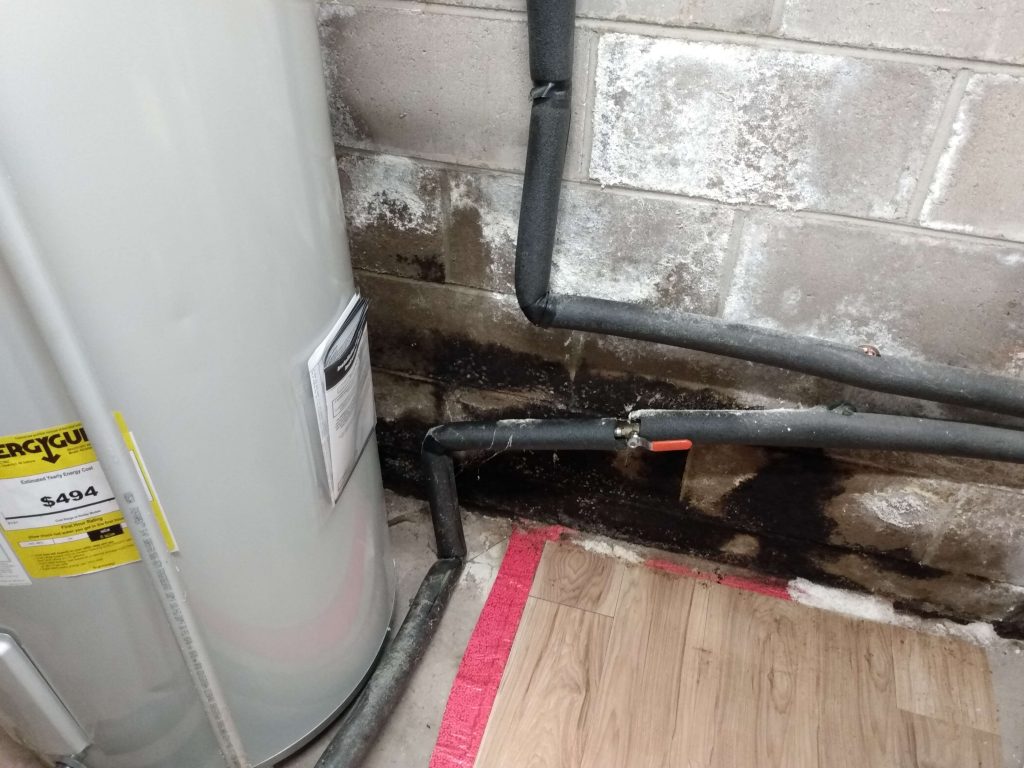
Storm-related odors indicate ongoing contamination. Musty smells signal mold or mildew. Sewage odors indicate Category 3 water contamination. Rotting smells suggest organic debris or dead animals in wall cavities or crawl spaces.
Odor Control Methodology:
- Source removal of contaminated materials (primary odor control)
- Cleaning and disinfection of affected surfaces (secondary odor control)
- Vapor phase odor control using thermal fogging, ozone generation, or hydroxyl radical technology (tertiary odor control)
- Sealing of structural materials when odor molecules have penetrated deeply
IICRC Odor Control Technician (OCT) certification ensures restoration professionals understand the chemistry of odor perception and elimination rather than merely masking smells with fragrances.
Step 8: Documentation and Clearance Testing
Professional storm restoration concludes only when objective verification confirms the structure is safe for occupancy. This includes documentation supporting insurance claims and providing property owners with verification of restoration quality.
Clearance Protocol:
- Moisture content documentation showing all materials within acceptable ranges
- Visual inspection confirming removal of all storm debris and contaminated materials
- Air quality testing for particulate matter, VOCs, and microbial contaminants
- Written clearance report with photographic documentation
- Coordination with insurance adjusters to confirm scope completion
FAQ: Complex Long-Tail Intent Questions
Does home insurance cover mold caused by high humidity in Fort Wayne?
Standard homeowner policies typically exclude mold damage unless it results from a covered peril, such as storm damage, that is promptly reported and addressed. The key is demonstrating that mold resulted from sudden and accidental water intrusion rather than long-term humidity or maintenance issues. PuroClean documentation establishes the causal connection between storm events and subsequent mold, supporting coverage arguments. Indiana’s insurance regulations require carriers to investigate mold claims when underlying water damage is covered.
How do Fort Wayne’s freeze-thaw cycles affect storm damage?
The region experiences significant temperature variation, particularly in late winter and early spring. Water that penetrates structures during storms can freeze, expand, and create cracks that amplify subsequent water intrusion. Professional restoration includes assessment for freeze-thaw damage to masonry, concrete, and roofing materials, with repairs designed to prevent future infiltration.
What specific risks do Fort Wayne’s rivers create for storm damage?
The St. Marys and St. Joseph rivers create floodplains affecting neighborhoods including Bloomingdale and portions of the Lakeside area. Properties in these zones face not only standing water risks but also contamination from combined sewer overflows during heavy rain events. Professional restoration includes specific assessment for sewage contamination and coordination with city environmental services when public infrastructure contributes to property damage.
How long should Fort Wayne property owners wait before beginning restoration?
Zero minutes. The 24-48 hour mold colonization window means every hour of delay increases damage severity and restoration costs. PuroClean Disaster Restoration of West Fort Wayne maintains 24/7 emergency response capability precisely because storm damage does not observe business hours. Immediate response includes emergency board-up, water extraction, and stabilization measures that prevent secondary damage.
Are there Fort Wayne building code requirements for storm restoration?
Yes. Allen County building codes require permits for structural repairs, electrical work, and plumbing modifications. Professional restoration companies maintain relationships with local building officials and ensure all reconstruction meets current code requirements, including updated floodplain regulations that may require elevation or wet-floodproofing measures in affected properties.
What is the difference between cleaning and restoration after a storm?
Cleaning addresses visible contamination. Restoration returns the structure to pre-loss condition using IICRC standards. Storm damage requires restoration because water penetrates building assemblies, creating hidden moisture that cleaning alone cannot address. Professional restoration includes moisture mapping, structural drying, and verification that building systems function safely.
Conclusion: Professional Restoration as Risk Management
The deep cleaning steps outlined above represent more than recovery from storm damage; they constitute risk management protecting property value and occupant health. Fort Wayne’s climate and geography create conditions where inadequate storm response leads to progressive structural degradation, mold contamination, and potential health liability.
Property owners attempting DIY restoration often address visible damage while missing critical moisture in wall cavities, HVAC contamination, or structural risks. The cost of professional restoration is consistently lower than the cumulative expense of delayed intervention, mold remediation, and structural repairs required when initial response is insufficient.
PuroClean Disaster Restoration of West Fort Wayne provides comprehensive storm damage assessment and restoration services based on IICRC S500 and S520 standards. Our technicians understand the specific challenges of Fort Wayne properties, from historic West Central homes to modern subdivisions, and tailor restoration protocols to local conditions.
Do not wait for visible mold or structural failure to confirm storm damage severity. Call PuroClean Disaster Restoration of West Fort Wayne at (260) 263-9788 for immediate 24/7 emergency response.

 PuroClean Disaster Restoration of West Fort Wayne