 PuroClean Disaster Restoration of West Fort Wayne
 Executive Summary
Fort Wayne homeowners face significant mold risks due to Northeast Indiana’s humid continental climate, aging housing infrastructure, and proximity to rivers and waterways. Mold exposure can trigger skin rashes, aggravate eczema, and cause psoriasis flare-ups through immune system activation and direct contact reactions. This comprehensive guide helps Fort Wayne residents recognize mold-related skin conditions, identify common problem areas in local homes, and take effective action to protect their families’ health.
Understanding Fort Wayne’s Unique Mold Challenges
Fort Wayne sits at the confluence of three rivers in Northeast Indiana, creating a naturally humid environment conducive to mold growth. The city’s location and climate present specific challenges that homeowners need to understand to protect their health.
The humid continental climate brings hot, humid summers where indoor moisture levels easily exceed the 60% relative humidity threshold where mold thrives. Fort Wayne receives approximately 38 inches of rain annually, distributed fairly evenly throughout the year. This consistent moisture keeps outdoor mold spore counts elevated and creates ongoing risks for water intrusion into homes.
Spring brings heavy rains that can overwhelm drainage systems and cause basement flooding. The snowmelt from Indiana winters adds additional water that must be managed around foundations. Temperature fluctuations between freezing nights and warming days create ice dams on roofs and condensation inside homes.
Summer humidity in Northeast Indiana frequently reaches uncomfortable levels. Outdoor humidity combines with indoor moisture from cooking, bathing, and daily activities to create perfect mold-growing conditions in homes without adequate dehumidification. Air conditioning provides some moisture removal, but many Fort Wayne homes need supplemental dehumidification, particularly in basements.
Fall brings another period of heavy precipitation and temperature swings. Leaves falling from Fort Wayne’s abundant trees can clog gutters and downspouts, directing water toward foundations instead of away from homes. Indoor and outdoor temperature differences create condensation on windows and exterior walls.
Winter seals Fort Wayne homes tightly against cold temperatures, trapping moisture inside without adequate ventilation. Snow piled against foundations during shoveling can melt and seep into basements. Ice dams force water under roof shingles into attics and wall cavities.
The city’s housing stock includes many older homes built before modern moisture barriers and ventilation systems became standard. Neighborhoods like West Central, South Wayne, and areas near downtown contain homes from the early 1900s with stone or brick foundations that wick moisture, original plumbing that may leak behind walls, and inadequate ventilation by modern standards.
Fort Wayne’s three rivers create additional challenges for homes in flood-prone areas. Properties near the St. Joseph, St. Marys, or Maumee Rivers face higher flooding risks during heavy rains. Even homes not directly adjacent to rivers may experience high water tables that push moisture through basement floors and walls.
How Mold Affects Your Skin: The Science Behind the Reactions
Understanding how mold causes skin problems helps you recognize symptoms and seek appropriate treatment. The relationship between mold and skin health involves multiple biological pathways.
When mold spores contact your skin directly, they can trigger allergic contact dermatitis. Your immune system recognizes proteins on the mold spores as foreign invaders. This triggers a cascade of inflammatory responses including the release of histamine and other inflammatory chemicals, dilation of blood vessels in the affected area, increased permeability of blood vessel walls allowing fluid to leak into surrounding tissue, and activation of immune cells that travel to the contact site.
This process creates the characteristic symptoms of contact dermatitis including redness and inflammation, itching that can be intense, raised bumps or blisters, dry, cracked, or scaly skin, and in severe cases, oozing or weeping lesions.
Inhaled mold spores create systemic effects that impact your skin even without direct contact. When you breathe in mold spores, they interact with your respiratory system and immune cells in your lungs. This triggers whole-body immune responses that affect your skin.
For eczema, mold exposure causes problems through several mechanisms. It increases your body’s production of immunoglobulin E antibodies, the type associated with allergic reactions. It activates mast cells throughout your body, which release histamine and other inflammatory chemicals. It disrupts skin barrier function, allowing moisture to escape and irritants to enter more easily. It creates a cycle where inflammation leads to itching, scratching damages the skin barrier further, and the damaged barrier allows more allergens to enter and trigger additional inflammation.
Psoriasis responds to mold exposure through immune activation. While mold doesn’t cause psoriasis directly, it keeps your immune system in an overactive state. For people with psoriasis or genetic predisposition to it, this chronic immune activation can trigger the inflammatory cascade that causes skin cells to multiply too rapidly, creating thick, scaly patches.
Mycotoxins produced by certain mold species add another layer of health effects. These toxic compounds can affect multiple body systems. Some mycotoxins specifically impact skin health by directly damaging skin cells, disrupting normal skin barrier function, suppressing local immune responses in skin making you more susceptible to infections, and increasing overall inflammatory burden throughout your body.
Can Mold Really Cause New Cases of Eczema and Psoriasis?
Many Fort Wayne residents wonder whether mold can cause eczema or psoriasis in people who never had these conditions before. The answer involves understanding the complex interplay between genetics and environment.
For eczema, many people have genetic predisposition without ever developing symptoms. Environmental triggers, including mold exposure, can activate these dormant genetic tendencies. This is particularly common in children. Research shows that children living in mold-contaminated homes have significantly higher rates of developing eczema compared to children in mold-free environments.
The mechanism involves immune system programming during critical developmental periods. Early childhood exposure to high levels of mold can train the immune system to be hyperreactive to environmental triggers. This creates a pattern of allergic responsiveness that persists throughout life, manifesting as eczema, asthma, allergic rhinitis, and food allergies.
Adults can also develop eczema for the first time from mold exposure, though it’s less common than childhood-onset eczema. Prolonged high-level exposure can sensitize previously non-reactive immune systems. Severe mold exposure combined with other stressors like illness, major life stress, or hormonal changes can trigger eczema development in genetically susceptible adults.
For psoriasis, the relationship is similar but distinct. Psoriasis is fundamentally an autoimmune condition with strong genetic components. You cannot develop psoriasis without genetic predisposition. However, environmental triggers including mold exposure can activate genes that were previously dormant.
Many people carry psoriasis-related genes without ever developing symptoms. Triggers that can activate these genes include infections, significant stress, certain medications, and environmental factors including mold exposure. Mold exposure may be the final trigger that pushes genetically susceptible individuals into active psoriasis.
The timing matters. If you develop eczema or psoriasis shortly after moving into a new home, after water damage and mold growth, or during periods of high mold exposure, the connection is worth investigating. Removing mold exposure may allow symptoms to resolve, particularly in recently developed cases.
A Story from Fort Wayne: The Chen Family’s Journey
The Chen family purchased their first home in Fort Wayne’s Southwood Park neighborhood in late fall. The ranch-style home from the 1970s had been well-maintained cosmetically, and the inspection revealed no major issues. They moved in excited to start this new chapter.
By early spring, their six-year-old daughter Lily developed a rash on her hands that wouldn’t heal. Her pediatrician diagnosed eczema and prescribed topical steroids. The cream helped temporarily, but the rash returned within days of stopping treatment. Soon the rash spread to Lily’s arms and the backs of her knees.
Mr. Chen noticed unexplained hives appearing on his torso. They would emerge in the evening, itch intensely, and fade by morning. He tried eliminating various foods and changing laundry products without improvement. Mrs. Chen developed dry, scaly patches on her elbows that looked like psoriasis, though she had never had skin problems before.
The family spent months going to doctors, trying different medications and eliminating possible triggers from their diet and household products. Nothing provided lasting relief. They were frustrated, exhausted from poor sleep due to itching, and worried about what might be wrong.
The breakthrough came during an unusually rainy week in May. Heavy storms caused water to seep into their basement through cracks in the foundation they hadn’t noticed. When Mr. Chen went to assess the water damage, he moved boxes they had stored against the basement walls. Behind the boxes, he discovered extensive mold growth covering large sections of the concrete walls and the drywall that had been added when the basement was partially finished.
Alarmed, they hired a mold inspector. The inspection revealed problems far beyond what they had seen. The crawl space under their addition had significant mold growth from poor ventilation and moisture from the ground. The bathroom that Lily used had mold growing behind the walls around the tub where old tile grout had failed, allowing water to penetrate. The HVAC system had mold in the ductwork and air handler. Every time the heat or air conditioning ran, it distributed mold spores throughout the entire house.
The family learned that the home’s previous owners had experienced similar basement water issues but had simply moved boxes to hide the mold rather than addressing it. The partially finished basement walls trapped moisture against the foundation, creating perfect conditions for extensive hidden growth.
Professional remediation required removing contaminated drywall in the basement, treating foundation walls with antimicrobial solutions, encapsulating the crawl space with vapor barriers and dehumidification, replacing bathroom walls behind the tub, and professionally cleaning the entire HVAC system including all ductwork.
The cost was substantial, approximately $28,000, though their homeowner’s insurance covered about $8,000 related to the sudden water intrusion during the storms. The remaining cost came from their savings and a home equity loan.
The health results made every penny worthwhile. Within two weeks of remediation completion, Lily’s rash began healing. Within six weeks, her skin was completely clear without medication. Mr. Chen’s hives disappeared within days and never returned. Mrs. Chen’s dry patches took about eight weeks to resolve completely but have remained clear.
The Chen family learned critical lessons from this experience. Home inspections don’t always reveal hidden mold, especially when sellers intentionally conceal it. Unexplained skin problems affecting multiple family members warrant environmental investigation. The investment in professional remediation, while substantial, restored their family’s health and peace of mind. They now monitor their basement humidity religiously, run dehumidifiers year-round, and inspect for moisture issues regularly.
Identifying Mold-Related Skin Reactions in Your Fort Wayne Home
Recognizing that mold may be causing your skin problems requires attention to patterns and timing. Several telltale signs suggest mold exposure as the underlying cause.
Location patterns within your home provide important clues. If your skin symptoms worsen in specific rooms, particularly basements, bathrooms, or bedrooms, consider those areas as potential mold sources. Many Fort Wayne homes have finished basements that appear dry but harbor hidden mold behind walls or under carpeting. If you notice your symptoms intensify after spending time in the basement or improve when you avoid that area, investigate thoroughly.
Seasonal patterns reveal connections between mold growth and your symptoms. Mold grows most actively during humid months in Northeast Indiana. If your skin problems worsen from late spring through early fall and improve during winter, seasonal mold growth may be the trigger. However, some Fort Wayne residents experience worsening winter symptoms because tightly sealed homes concentrate mold spores without fresh air dilution.
Temporal relationships between water damage and symptom onset suggest environmental causes. If your skin problems began shortly after basement flooding, plumbing leaks, roof leaks, or other water intrusion, consider mold as a likely contributor. Even if the water was cleaned up, mold may have begun growing in hidden areas.
Family-wide symptom patterns strongly suggest environmental rather than individual causes. When multiple household members develop skin issues around the same time, even if the specific symptoms differ among family members, environmental triggers become more likely than coincidental individual sensitivities. One person might develop contact dermatitis, another eczema, and a third person might have hives, all from the same mold exposure affecting each according to their unique immune responses.
Activity-related patterns point to specific mold sources. If your skin reacts after showers, your bathroom likely has mold issues. If reactions occur after doing laundry, check the laundry room and washing machine for mold. If your hands break out after retrieving items from storage areas, those spaces may be contaminated.
The presence of musty odors accompanies many mold problems. This distinctive smell often indicates active mold growth even when you can’t see visible mold. If certain areas of your home smell musty and you experience skin symptoms when spending time there, investigate for hidden mold.
Visible mold, even small amounts, suggests larger hidden growth. Mold you can see on surfaces often represents just the tip of the iceberg. Colonies growing behind walls, under flooring, or in other concealed areas can be extensive while showing only minimal surface growth.
Common Mold Hiding Places in Fort Wayne Homes
Understanding where mold typically hides helps Fort Wayne residents inspect their homes effectively and identify exposure sources affecting their skin.
Basements in Fort Wayne homes are prime mold locations due to several factors. Many older homes have stone or brick foundations that allow moisture to wick through from surrounding soil. Even homes with poured concrete foundations develop cracks over time that admit water. Poor exterior grading directs rainwater toward foundations instead of away. Inadequate or failing sump pumps allow water accumulation. Check these specific basement areas including foundation walls, particularly in corners and behind stored items, under stairs and in storage areas where air circulation is poor, carpet and padding in finished basements where mold grows hidden from view, ceiling tiles in drop ceilings hiding mold on the backside or on floor joists above, and inside storage boxes and furniture that have contacted damp floors or walls.
Crawl spaces present significant mold risks in Fort Wayne’s ranch and split-level homes. These areas typically have inadequate ventilation, moisture from the ground, poor or absent vapor barriers, and limited access making inspection difficult. Mold growing in crawl spaces affects indoor air quality throughout the entire house as air from the crawl space rises into living areas.
Bathrooms generate constant moisture from showers, baths, and sinks. Fort Wayne homes with poor bathroom ventilation are particularly vulnerable. Check behind and under vanities where plumbing may leak, around toilets where wax rings may have failed allowing water to seep under flooring, in shower and tub enclosures especially where caulking or grout has failed, in exhaust fan housings and ductwork, on ceilings above showers in homes without proper ventilation, and on window frames and sills where condensation accumulates.
Kitchens have multiple moisture sources supporting mold growth. Inspect under sinks where plumbing connections may leak slowly, behind and under refrigerators where condensation and spills accumulate, around dishwashers particularly where they connect to sink plumbing, in garbage disposal units and surrounding cabinetry, and in pantries or cabinets along exterior walls where temperature differences cause condensation.
Attics in Fort Wayne homes can develop serious mold problems from several sources. Roof leaks from damaged shingles or flashing, ice dams during winter forcing water under shingles, bathroom or kitchen exhaust fans improperly venting into attics instead of outside, and inadequate attic ventilation trapping moisture all contribute to mold growth. Check roof decking on the underside for dark staining, insulation for dampness or discoloration, around chimneys and plumbing vents, in soffit and ridge vent areas, and near attic access points where warm moist air from living spaces enters.
HVAC systems require special attention because they can distribute mold spores throughout your entire home. Inspect condensate drip pans under air handlers for standing water and mold growth, air ducts especially in homes with central air conditioning, blower compartments and fan blades, air filters which can grow mold if not changed regularly, and return air vents which pull air and any mold spores from throughout your home.
Laundry rooms in Fort Wayne homes often have mold problems. Check around washing machines for leaks and moisture, dryer vent systems which can become blocked and leak moisture, on walls behind appliances especially along exterior walls, and in cabinets or closets where damp laundry items may have been stored.
Windows throughout Fort Wayne homes experience condensation during cold months when indoor humidity contacts cold glass. Over time this creates mold growth on windowsills and frames, on walls below windows where condensation runs down, between window panes in older multi-pane windows, and on curtains or blinds that trap moisture against windows.
What to Do Immediately When You Suspect Mold
If you suspect mold in your Fort Wayne home might be causing skin problems, immediate action helps prevent worsening exposure and health effects.
First, conduct a thorough visual inspection of your home. Look for visible mold growth in common problem areas. Check for water stains on ceilings, walls, or floors indicating current or past water intrusion. Notice any musty or earthy odors suggesting hidden mold. Check humidity levels with an inexpensive hygrometer available at hardware stores. Levels consistently above 50% to 60% support mold growth.
Document everything you find. Take clear photos of any visible mold. Photograph water stains and damage. Note dates, locations, and extent of what you observe. Write down when you first noticed symptoms and how they relate to time spent in different areas of your home. Save all documentation securely as you may need it for insurance claims, landlord communications, or future reference.
Reduce your exposure immediately. Limit time in areas where you’ve found mold or that smell musty. Keep doors closed to moldy areas to limit spore spread. Avoid touching moldy surfaces without protection. If you must enter contaminated areas, wear at minimum an N95 respirator mask. Consider temporarily relocating very young children, elderly family members, pregnant women, or anyone with respiratory conditions or compromised immunity away from areas with significant mold growth.
Address moisture sources right away. Fix any active leaks in plumbing or roofs immediately. Improve ventilation in moisture-prone areas like bathrooms and kitchens by running exhaust fans longer and opening windows when possible. Reduce indoor humidity to below 50% using dehumidifiers, especially in basements. Direct water away from your foundation by ensuring gutters and downspouts work properly and extend several feet from the house. Improve grading around your foundation so water flows away from the home rather than toward it.
For small surface mold on hard, non-porous surfaces, you can attempt careful cleaning. Use detergent and water, scrubbing gently. Avoid bleach which doesn’t penetrate porous surfaces and can create toxic fumes. Wear protective equipment including N95 mask, gloves, and eye protection. Dry the area completely using fans and dehumidifiers after cleaning. Bag and dispose of all cleaning materials immediately to prevent spore spread.
However, recognize when professional help is necessary. Call professionals for mold covering more than about ten square feet, mold on porous materials like drywall, insulation, or carpeting which cannot be adequately cleaned, mold in HVAC systems or ductwork, contamination from sewage or grossly contaminated water, situations where household members have respiratory conditions or weakened immunity, or when you’ve attempted DIY cleaning and mold returned quickly.
Seek medical care for your skin symptoms. See your primary care physician or dermatologist for appropriate diagnosis and treatment. Bring photos of mold you’ve found in your home to help your doctor understand environmental factors. Mention if other family members have similar symptoms. Your doctor can prescribe treatments to heal your skin while you address the mold problem.
Professional Mold Remediation: What Fort Wayne Homeowners Should Expect
Professional mold remediation provides comprehensive solutions beyond what homeowners can achieve with DIY efforts. Understanding what to expect helps you work effectively with remediation companies.
The process typically begins with inspection and assessment. Certified technicians visually inspect your home identifying all visible mold and moisture sources. They use specialized equipment including moisture meters to detect hidden water in walls and floors, thermal imaging cameras to identify temperature differences suggesting moisture problems, and hygrometers to measure humidity levels throughout your home. They may collect air or surface samples for laboratory testing to identify mold species and concentration levels.
Based on this assessment, the company provides a detailed written scope of work outlining all areas requiring remediation, specific procedures they will use, timeline for completion, and cost estimates. Review this document carefully and ask questions about anything unclear.
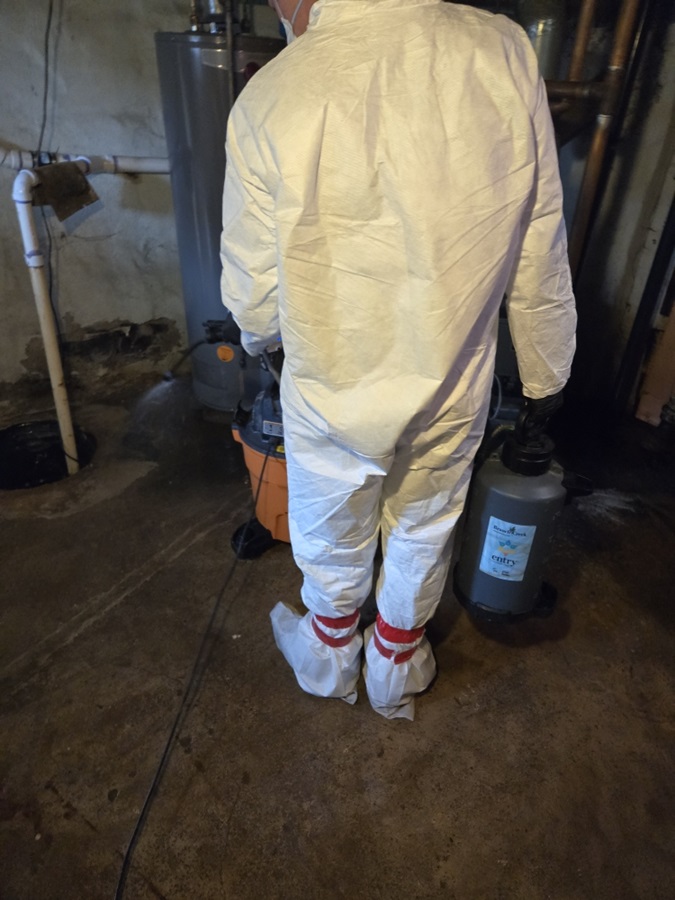
The remediation process follows established protocols. First, technicians establish containment to prevent mold spores from spreading to unaffected areas during removal. This involves sealing doorways with plastic sheeting, establishing negative air pressure using exhaust fans with HEPA filters that pull air out of the work area, and protecting HVAC systems to prevent spore distribution.
Source removal involves physically removing contaminated materials that cannot be adequately cleaned. This includes moldy drywall, insulation, carpeting, ceiling tiles, and other porous materials. Removal must be done carefully to minimize spore release. Materials are bagged and disposed of according to local regulations.
Cleaning and disinfection treats remaining surfaces with antimicrobial solutions. HEPA vacuums remove settled spores from all surfaces. Technicians clean personal belongings and furniture in affected areas or may recommend professional content cleaning for valuable items.
Drying and dehumidification ensures all affected areas are completely dry. Industrial dehumidifiers and air movers run until moisture content reaches appropriate levels. This prevents mold from returning immediately after remediation.
Repair and restoration rebuilds areas where materials were removed. This might include installing new drywall, replacing insulation, reinstalling trim and finishes, and painting. Some remediation companies offer full reconstruction services while others focus only on mold removal, requiring you to hire contractors for rebuilding.
Post-remediation testing verifies successful mold removal. Air samples confirm spore levels have returned to normal. Visual inspections ensure no mold remains. Many companies provide written certification of clearance.
Costs and Insurance for Mold Remediation in Fort Wayne
Understanding the financial aspects of mold remediation helps Fort Wayne homeowners plan and make informed decisions.
Remediation costs vary widely based on extent of contamination, which materials require removal, accessibility of moldy areas, type of mold present, and whether reconstruction is needed after removal. Small projects addressing minor surface mold might cost $500 to $2,000. Medium-sized projects involving one or two rooms with contaminated drywall or flooring typically cost $2,000 to $6,000. Large projects with extensive contamination, multiple rooms, or whole-house issues can cost $10,000 to $30,000 or more.
Fort Wayne-specific factors affecting cost include older homes which may have more extensive hidden mold and difficult access areas, homes with basements which nearly always require dehumidification systems, crawl space encapsulation which is often necessary for homes with crawl spaces, and HVAC system cleaning which many Fort Wayne homes need due to mold in ductwork.
Insurance coverage depends on what caused the mold. Most standard homeowner policies in Indiana cover mold remediation resulting from covered perils including sudden pipe bursts or failures, storm damage allowing water intrusion, overflow from appliances or plumbing, and water damage from firefighting efforts. Policies typically exclude mold resulting from maintenance neglect, slow leaks not promptly repaired, long-term high humidity without remediation, flooding from external sources unless you have separate flood insurance, and groundwater seepage through foundations.
Many policies cap mold coverage at $5,000 to $10,000. If your remediation costs exceed this, you pay the difference. Some insurers offer mold endorsements increasing coverage limits for additional premium.
To maximize insurance coverage, document the initial water damage immediately with photos and written descriptions. Take prompt action to stop water sources and begin drying within 24 to 48 hours. Keep receipts for all water extraction and drying expenses. Notify your insurance company promptly about water damage. Follow their guidance about remediation. Get multiple estimates from licensed remediation companies. Never begin extensive work before your insurer has inspected and approved the scope.
If your claim is denied, request written explanation of the denial, review your policy to determine if denial is justified, consider hiring a public adjuster to reassess your claim, and appeal the denial with additional documentation if you believe it was wrongful.
For homeowners without adequate insurance coverage or whose claims are denied, financing options may include home equity loans or lines of credit, personal loans, payment plans offered by some remediation companies, and for low-income residents, possible assistance from local housing agencies or non-profits.
Medical Treatment for Mold-Related Skin Conditions in Fort Wayne
While eliminating mold from your home is essential, proper medical treatment for your skin symptoms is equally important. Fort Wayne offers several healthcare options for treating mold-related dermatological conditions.
For acute contact dermatitis from touching moldy surfaces, treatment focuses on reducing inflammation and promoting healing. Over-the-counter hydrocortisone cream applied two to three times daily helps reduce inflammation and itching. Oral antihistamines like diphenhydramine, cetirizine, or loratadine control allergic responses. Cool compresses with plain water provide immediate itch relief. Avoid scratching despite intense itching as this damages skin and increases infection risk. If symptoms don’t improve within a few days or worsen, see a healthcare provider for prescription-strength topical corticosteroids.
For eczema triggered or worsened by mold, comprehensive treatment addresses multiple aspects of the condition. Moisturizers should be applied liberally and frequently, especially immediately after bathing while skin is still damp. This helps repair damaged skin barrier function. Prescription topical corticosteroids in various strengths treat flare-ups. Your dermatologist will prescribe appropriate strength for affected body areas. Topical calcineurin inhibitors like tacrolimus or pimecrolimus reduce inflammation without steroid side effects, making them suitable for sensitive areas and long-term use. Oral antihistamines control itching, particularly at night. For severe cases not responding to topical treatments, systemic medications including oral corticosteroids for short-term use, immunosuppressants like cyclosporine, or biologics like dupilumab may be necessary.
For psoriasis exacerbated by mold exposure, treatment options include topical therapies with corticosteroids of varying strengths, vitamin D analogs like calcipotriene that slow skin cell production, topical retinoids, and coal tar preparations. Phototherapy uses controlled ultraviolet light exposure to reduce inflammation and slow skin cell turnover. Systemic medications for moderate to severe psoriasis include oral medications like methotrexate or apremilast, and biologic drugs that target specific immune system components.
Fort Wayne residents have access to quality dermatology care through several providers. Lutheran Health Network includes dermatology specialists at various locations. Parkview Health System offers comprehensive dermatology services including pediatric dermatology.
 PuroClean Disaster Restoration of West Fort Wayne