 PuroClean Disaster Restoration of West Fort Wayne
 Key Takeaways for Homeowners
| Contamination Source | Health Risk | Professional Response |
|---|---|---|
| River Flood Silt | Respiratory/Gastrointestinal | Immediate extraction |
| HVAC System Contamination | Whole-House Distribution | Duct sealing/cleaning |
| Lead-Based Paint Disturbance | Neurological Damage | Certified lead abatement |
| Gray Water Escalation | Bacterial Infection | Category upgrade protocol |
| Crawl Space Mold | Structural Decay | Encapsulation systems |
Fort Wayne residents facing flooding from the St. Joseph, St. Marys, or Maumee Rivers should call PuroClean Disaster Restoration of West Fort Wayne immediately at (260) 263-9788. Our emergency teams respond 24/7 throughout Allen County.
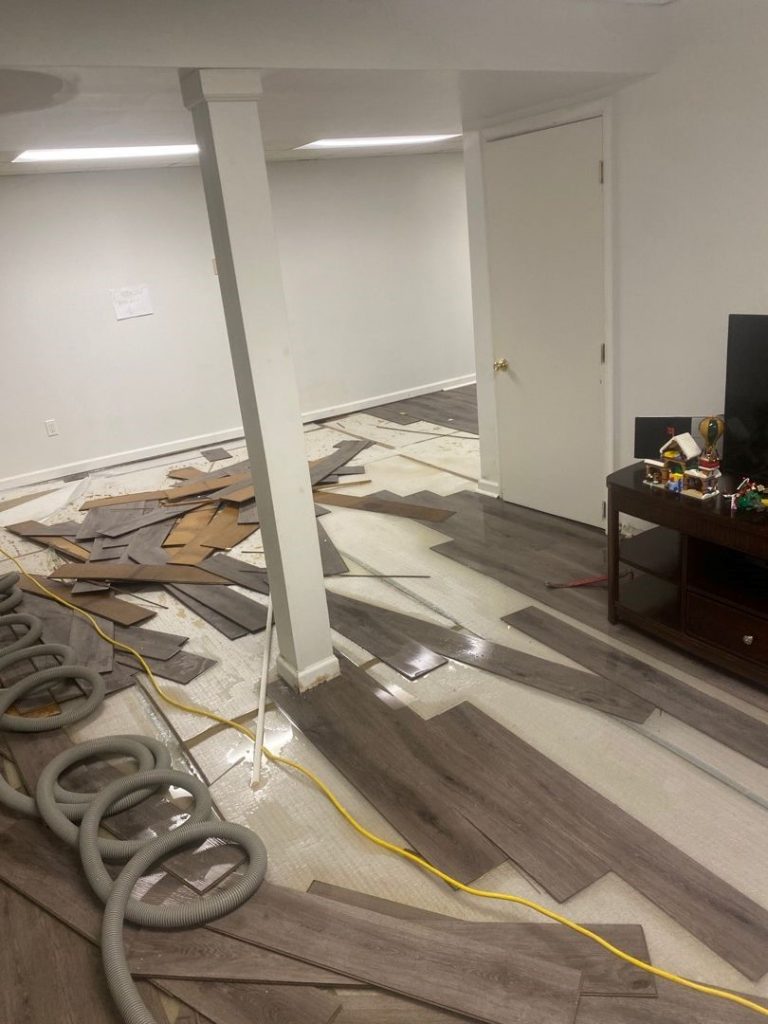
The Triple River Threat: Understanding Fort Wayne’s Flood Geography
Fort Wayne’s unique position at the confluence of three major rivers creates unparalleled flood risks for homeowners. The St. Joseph, St. Marys, and Maumee Rivers converge in the heart of the city, creating a watershed that drains over 6,600 square miles. When spring snowmelt combines with heavy rainfall, water levels rise rapidly, overwhelming natural and manmade drainage systems.
The IICRC S500 Standard recognizes that flood source dramatically impacts contamination profiles. River flooding carries distinct hazards compared to plumbing failures or groundwater intrusion. Fort Wayne’s 2026 flood season demands heightened awareness of these river-specific contamination vectors.
1. River Silt and Agricultural Runoff: The Midwestern Toxic Mix
Contamination Composition
Maumee River floodwaters transport more than water. The sediment load includes:
- Agricultural pesticides from upstream farmland
- Phosphorus and nitrogen fertilizers
- Petroleum products from urban runoff
- Industrial legacy contaminants
- Pathogenic organisms from wildlife and livestock
Bioavailability Concerns
Flood silt deposits create long-term exposure risks. As materials dry, fine particulates become airborne. Dermal contact during cleanup activities allows chemical absorption. Children and pets face elevated risks through hand-to-mouth transfer.
Technical Assessment Protocols
Professional restoration incorporates environmental science:
- Moisture mapping: Thermal imaging identifies silt penetration depth
- Soil analysis: Testing determines contaminant concentrations
- Psychrometric monitoring: Establishes safe drying parameters
- HEPA air scrubbing: Controls particulate suspension during removal
- Antimicrobial biocide application: Addresses biological components
Allen County Agricultural Context
Northeast Indiana’s intensive agricultural production means floodwaters carry higher chemical loads than urban areas. The Maumee watershed drains some of the most productive farmland in the United States. Spring flooding coincides with pre-planting fertilizer application, creating peak contamination events.
2. HVAC System Contamination: The Distribution Network
System Vulnerability
Forced air heating and cooling systems act as contamination highways during flooding. Return air intakes located at floor level ingest floodwaters directly. Ductwork in crawl spaces and basements fills with water. Air handling units become reservoirs for bacterial growth.
Cross-Contamination Mechanics
Once contaminated, HVAC systems distribute hazards throughout the structure:
- Airborne mold spores colonize distant rooms
- Bacterial bioaerosols circulate through supply ducts
- Odor compounds permeate porous building materials
- Particulates settle on horizontal surfaces
Restoration Standards
IICRC S500 and NADCA (National Air Duct Cleaners Association) standards govern HVAC restoration:
- Mechanical cleaning of all ductwork components
- Antimicrobial treatment of internal surfaces
- Filter media replacement
- Coil and drain pan decontamination
- System testing before return to service
Fort Wayne Climate Considerations
Northeast Indiana experiences extreme temperature variations. HVAC systems operate heavily during both heating and cooling seasons. Flood events occurring during system operation cause immediate contamination spread. The region’s high summer humidity extends drying times for internal components.
3. Lead-Based Paint Hazards: The Historic Home Crisis
Fort Wayne’s Housing Stock
Allen County features significant pre-1978 housing inventory. Neighborhoods like West Central, Williams-Woodland, and parts of the Northside contain homes with original lead-based paint. Flood damage to these properties creates immediate lead hazards through:
- Paint film disruption and peeling
- Dust generation during material removal
- Soil contamination from exterior degradation
- Waterborne lead particle distribution
Health Impact Scope
Lead exposure affects every body system. Children experience irreversible neurological damage at blood levels below 5 micrograms per deciliter. Pregnant women face miscarriage and developmental risks. Adults develop cardiovascular and kidney dysfunction.
Regulatory Framework
EPA RRP (Renovation, Repair, and Painting) rules mandate certified lead-safe practices for disturbance in pre-1978 housing. Indiana’s lead program requires risk assessments and clearance testing. Professional restoration contractors maintain RRP certification and follow specific work practice standards.
Technical Protocols
Lead-safe flood restoration requires:
- Pre-renovation lead testing using XRF analyzers
- Containment systems preventing dust migration
- HEPA vacuuming and wet cleaning methods
- Worker protection including respirators and disposable clothing
- Waste disposal as hazardous material
- Post-remediation dust wipe clearance testing
4. Category 2 Gray Water Escalation: The Hidden Transition
Defining Gray Water
IICRC S500 defines Category 2 water as containing significant contamination with potential to cause discomfort or sickness. Sources include dishwasher discharge, washing machine overflow, and sump pump failures. The critical danger lies in gray water’s tendency to degrade to Category 3 black water.
Escalation Triggers
Multiple factors accelerate contamination:
- Time: Bacterial multiplication occurs exponentially
- Temperature: Warm conditions accelerate growth
- Contact: Mixing with soil or sewage
- Stagnation: Standing water becomes anaerobic
Fort Wayne’s Risk Profile
The city’s combined sewer system creates gray water escalation risks during heavy rainfall. Basement drains back up with mixed household wastewater. Sump pumps discharge foundation seepage that includes soil bacteria. Aging cast iron plumbing develops biofilm that sloughs off during flow disturbances.
Monitoring and Response
Professional restoration includes:
- Initial categorization assessment
- Continuous monitoring for degradation signs
- Upgrade to Category 3 protocols when indicated
- Enhanced antimicrobial treatment
- Documentation supporting insurance coverage
5. Crawl Space Mold: The Forgotten Frontier
Structural Prevalence
Fort Wayne’s clay soils and high water table make basements challenging. Many Allen County homes feature crawl space construction instead. These substructure areas become primary mold colonization sites following flooding.
Colonization Dynamics
Crawl spaces provide ideal mold habitat:
- Limited air movement allows humidity accumulation
- Ground vapor provides continuous moisture source
- Organic materials including wood joists serve as nutrient base
- Darkness prevents UV inhibition of growth
Mycotoxin Production
Certain mold species produce secondary metabolites called mycotoxins. These compounds cause serious health effects including:
- Immunosuppression
- Neurological symptoms
- Respiratory distress
- Skin irritation
- Cancer risks (aflatoxins)
Remediation Approaches
IICRC S520 compliant crawl space restoration includes:
- Negative air pressure containment: Isolates the work area
- Source removal: Physical elimination of colonized materials
- Biocide application: Addresses remaining spores
- Drying system installation: Prevents recurrence
- Encapsulation: Vapor barrier systems for long-term control
Step-by-Step Fort Wayne Flood Response
Emergency Phase (0-4 Hours)
- Ensure family safety and avoid contact with floodwaters
- Document conditions with photographs and video
- Contact PuroClean Disaster Restoration of West Fort Wayne at (260) 263-9788
- Notify your insurance carrier and request claim number
- Begin inventory of damaged personal property
Assessment Phase (4-24 Hours)
- IICRC certified technician conducts comprehensive inspection
- Moisture mapping identifies hidden water migration
- Contamination category determination
- Hazard assessment for lead, asbestos, and chemicals
- Scope preparation with line-item pricing
Mitigation Phase (24-72 Hours)
- Extraction of standing water using truck-mounted systems
- Installation of air movers and dehumidifiers
- Application of antimicrobial treatments
- Content pack-out and cleaning
- Demolition of unsalvageable materials
Restoration Phase (Days 3-14)
- Continuous psychrometric monitoring
- Specialized remediation for identified hazards
- HVAC system cleaning and testing
- Reconstruction and repair services
- Final inspection and documentation
Frequently Asked Questions
Does home insurance cover mold caused by high humidity in Fort Wayne?
Standard HO-3 policies exclude mold resulting from chronic humidity or maintenance failures. However, mold secondary to covered perils, such as sudden and accidental water damage from burst pipes or storm intrusion, typically receives limited coverage. Most policies include fungi coverage sublimits between $10,000 and $50,000. The key is establishing direct causation from a covered event. Professional documentation from IICRC certified restoration contractors supports coverage arguments.
How does Fort Wayne’s river system affect contamination risks?
The St. Joseph, St. Marys, and Maumee Rivers create unique contamination profiles. River floodwaters carry agricultural chemicals from the extensive upstream watershed. Industrial legacy contaminants persist in sediments. Combined sewer overflows during heavy rainfall introduce raw sewage. The flat topography of the downtown area allows water to stand for extended periods, amplifying bacterial growth. These factors elevate Category 3 water risks beyond typical urban flooding.
What are the specific risks for West Fort Wayne homes?
West Fort Wayne neighborhoods face distinct challenges. The area’s older housing stock includes significant lead-based paint hazards. Aging infrastructure experiences more frequent sewer backups. Proximity to the St. Marys River creates flash flood risks during heavy rainfall. Soil conditions allow rapid foundation water intrusion. Historic preservation requirements in some districts add regulatory complexity to restoration projects.
How do I know if my HVAC system is contaminated?
Visible water in ductwork, air handlers, or return plenums indicates definite contamination. Musty odors when the system operates suggest mold growth. Increased allergy symptoms among occupants may indicate bioaerosol distribution. However, many contamination issues remain hidden within the system. Professional inspection using borescope cameras and air sampling provides definitive assessment. Post-flood HVAC evaluation should be standard practice for all Fort Wayne homeowners.
What regulations govern flood restoration in Allen County?
Allen County follows Indiana state regulations for waste disposal and environmental protection. The City of Fort Wayne requires permits for electrical, plumbing, and structural repairs. Historic district properties face additional review by the Historic Preservation Commission. Floodplain management ordinances apply to properties within FEMA-mapped special flood hazard areas. Lead and asbestos abatement require state-licensed contractors. Professional restoration companies maintain compliance with all applicable regulatory frameworks.
Your Fort Wayne Restoration Partner
PuroClean Disaster Restoration of West Fort Wayne combines IICRC technical certification with deep local knowledge of Allen County’s unique flood risks. Our emergency response teams understand the triple river dynamics that drive Fort Wayne flooding. We maintain specialized capabilities for lead and asbestos hazards common in the area’s historic housing stock.
We coordinate directly with insurance carriers, providing the detailed documentation necessary for claim processing. Our reconstruction services restore properties to pre-loss condition while addressing vulnerabilities that contributed to the original damage.
Flooding requires immediate professional response. Call PuroClean Disaster Restoration of West Fort Wayne at (260) 263-9788 now. We serve all of Allen County with 24/7 emergency service.


 PuroClean Disaster Restoration of West Fort Wayne