


Key Takeaways for Homeowners
- Wait for the fire department to formally clear your home before re-entering, since structural damage is not always visible.
- Thorough documentation of soot, smoke, and structural damage is essential before any cleanup begins, for insurance purposes.
- Firefighting water left standing in a structure can lead to mold growth within 24 to 48 hours if drying is delayed.
- Certified restoration under IICRC S500 standards protects both your family’s health and the strength of your insurance claim.
- PuroClean Disaster Restoration of West Fort Wayne provides 24 hour emergency fire damage response. Call (260) 263-9788 for immediate assistance.
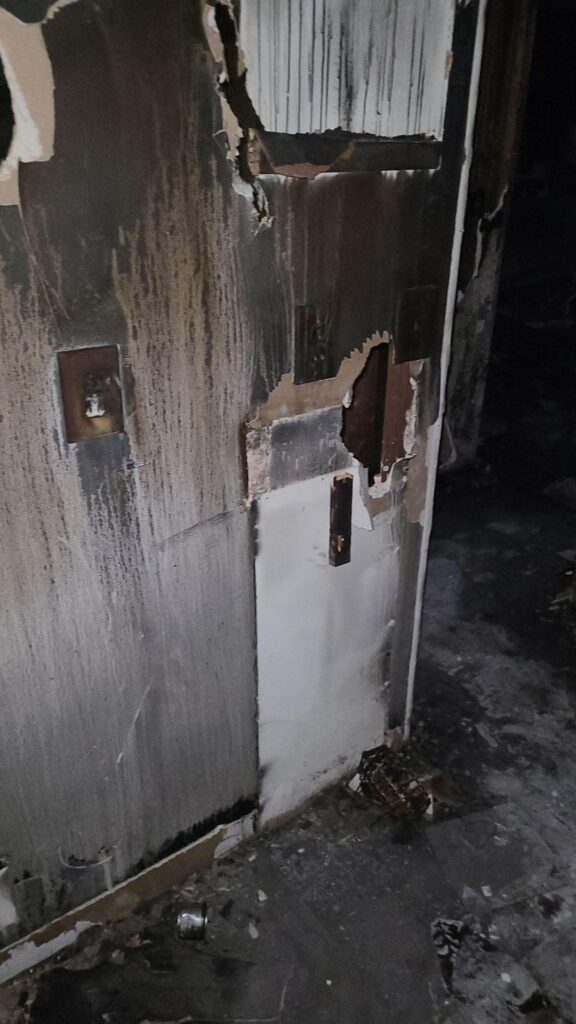
A house fire changes everything in an instant, and what a Fort Wayne homeowner does in the first 48 hours afterward can significantly affect both the long term condition of the home and the outcome of an insurance claim. This guide outlines four essential actions every Fort Wayne homeowner should take immediately following fire damage, grounded in professional restoration standards and local considerations specific to northeastern Indiana.
IICRC S500 as the Authoritative Restoration Standard
Fire and water damage restoration in the United States is governed by the Institute of Inspection, Cleaning and Restoration Certification (IICRC), specifically the S500 Standard for Professional Water Damage Restoration, which directly applies to the water used by fire crews to extinguish a blaze. This standard establishes how certified technicians assess moisture levels, structural drying timelines, and contamination categories after a fire. Any Fort Wayne restoration company referencing S500 compliance is working from this authoritative benchmark.
Action 1: Confirm Structural Safety and Document Everything
Do not re-enter your home until the fire department has declared it structurally safe. Fires can weaken load bearing walls, roof structures, and electrical wiring in ways that are not obvious from a visual inspection alone. Once cleared, thoroughly photograph and video every affected area, including ceilings, walls, flooring, and personal belongings. This documentation is the backbone of your insurance claim and should capture both visible char damage and less obvious soot residue.
Action 2: File Your Insurance Claim and Secure the Property
Contact your homeowners insurance provider as soon as possible after the fire is out and the scene is cleared. Ask specifically about coverage for structural repairs, smoke damage remediation, content restoration, and additional living expenses if you need temporary housing. Once you have your claim number, arrange for professional board up services to secure broken windows, damaged doors, or roof openings, both to prevent further weather related damage and to meet the insurer’s expectation that you take reasonable steps to protect the property.
Action 3: Begin Structural Drying Before Mold Becomes a Second Crisis
One of the most commonly overlooked actions after a fire is addressing the water used to extinguish it. If structural drying does not begin within 24 to 48 hours, mold growth becomes a serious secondary risk, particularly during Fort Wayne’s humid summer months when indoor moisture levels are already elevated. Certified technicians rely on psychrometrics, the study of air and moisture relationships, along with moisture mapping tools, to identify saturated building materials and deploy targeted drying equipment.
Action 4: Complete Professional Soot, Smoke, and Odor Remediation
Soot and smoke particulates can spread throughout a home via HVAC ductwork, affecting rooms that were never touched by flames. A thorough remediation process typically includes:
- Soot Type Assessment. Technicians determine whether wet smoke, dry smoke, or protein based residue is present, since each requires a different cleaning method.
- HEPA Filtration and Negative Air Pressure Containment. Air scrubbers equipped with HEPA filtration, combined with negative air pressure zones, prevent soot particles from migrating to unaffected parts of the home.
- Thermal Fogging or Ozone Treatment. For persistent smoke odor that has penetrated porous materials like drywall and fabric, thermal fogging or ozone treatment may be used to neutralize odor at a molecular level.
- Antimicrobial Biocide Application. Because firefighting water introduces a mold risk, EPA registered antimicrobial biocide is applied to affected surfaces during the drying process.
- Content Restoration and Pack Out Services. Salvageable belongings are cataloged, packed out, and cleaned off site, while unsalvageable items are documented to support the insurance claim.
- Final Air Quality Clearance. A closing assessment confirms that particulate and odor levels have returned to safe conditions before normal occupancy resumes.
Why Fort Wayne Homeowners Face Unique Restoration Considerations
Fort Wayne’s humid continental climate means summer humidity can accelerate mold risk if firefighting water is not addressed quickly, sometimes within just one to two days. Many homes throughout established Fort Wayne neighborhoods were built decades before current Indiana building code updates, meaning restoration technicians often work with older plaster and lath wall systems alongside newer drywall construction, each responding differently to fire and water exposure. Indiana building code also generally requires an electrical and structural inspection before utilities can be safely reconnected in a fire damaged home, a step a certified restoration company can help coordinate alongside your insurer.
Frequently Asked Questions
Does home insurance cover mold caused by high humidity in Fort Wayne after a fire?
Most standard homeowners policies in Indiana cover mold that develops as a direct consequence of firefighting water, since this is tied to a covered fire event rather than routine neglect. That said, if structural drying is delayed and mold growth is later linked to inaction, an insurer may push back on that portion of a claim, which is why prompt professional drying matters for both health and claim outcomes.
How long do I have before mold becomes a risk after firefighting water exposure?
Generally, structural drying should begin within 24 to 48 hours to minimize mold risk, especially during Fort Wayne’s more humid months when ambient moisture is already elevated.
Can smoke odor return even after a home appears clean?
Yes, if smoke odor has penetrated porous materials like drywall, insulation, or wood framing and was not fully treated, the smell can resurface later, particularly in humid conditions. This is why a thorough remediation process, rather than surface cleaning alone, is important.
What should I do with personal belongings that smell like smoke?
Many textiles and personal items can be professionally cleaned and deodorized through a pack out process rather than discarded. A restoration company can assess which items are salvageable and which should be documented as a loss for your insurance claim.
Is it safe to run my HVAC system after a house fire?
It is generally recommended to avoid running your HVAC system until it has been inspected and cleaned, since soot and smoke particulates can be pulled into the ductwork and redistributed throughout the home once the system is switched on.
Contact Fort Wayne’s Fire Damage Restoration Experts Today
Every hour that passes after a fire increases the risk of secondary smoke, water, and mold damage taking hold in your home. If your Fort Wayne property has recently experienced fire damage, do not wait to bring in professional support.
Call PuroClean Disaster Restoration of West Fort Wayne now at (260) 263-9788 for 24 hour emergency response and full fire damage restoration.

