 PuroClean Disaster Restoration of West Fort Wayne
 | KEY TAKEAWAYS FOR HOMEOWNERS – Fort Wayne’s location at the confluence of three rivers creates seasonal flooding risk that affects thousands of residential properties. – IICRC S500/S520 standards provide the scientific framework for safe, effective water damage restoration and mold remediation. – Ignoring water damage for even 48 hours dramatically increases total remediation costs and health risks. – Many costly effects of water damage remain completely invisible without professional moisture mapping and thermal imaging. – Fort Wayne homeowners can protect their insurance claims by calling a certified restoration company immediately. – Contact PuroClean Disaster Restoration of West Fort Wayne: Call (260) 263-9788 right now. |
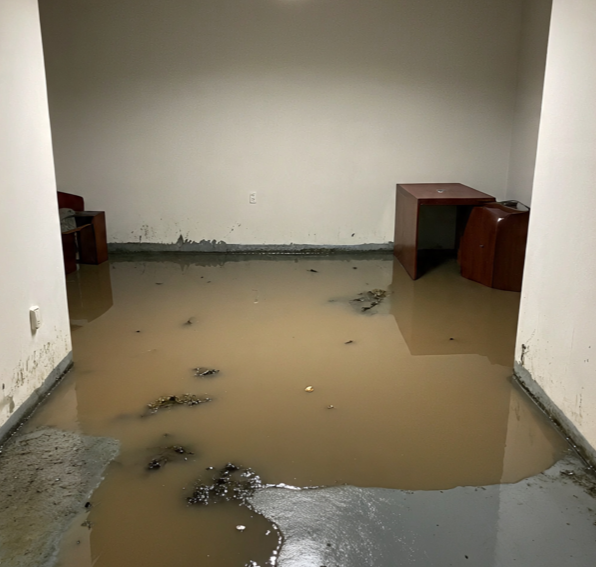
Fort Wayne stands at the convergence of the St. Marys, St. Joseph, and Maumee Rivers, a geographic fact that defines the city’s relationship with spring flooding. Each year, as snowmelt combines with seasonal thunderstorms across Allen County, thousands of Fort Wayne homeowners face the urgent reality of water intrusion into their basements, crawl spaces, and ground-level living areas. What makes spring storm water damage especially costly is not the initial visible flooding but the cascade of hidden structural, biological, and financial consequences that develop when water damage is underestimated or ignored.
PuroClean Disaster Restoration of West Fort Wayne deploys IICRC-certified technicians who follow the IICRC S500 Standard for Professional Water Damage Restoration and the IICRC S520 Standard for Professional Mold Remediation on every project. These standards govern everything from moisture mapping and psychrometric drying to mold containment and antimicrobial biocide application.
Do not let overlooked water damage cost you tens of thousands of dollars in deferred repairs. Call (260) 263-9788 now.
Fort Wayne’s Unique Water Damage Risk Landscape
Allen County’s topography and hydrology create conditions that amplify spring water damage risk well beyond what many homeowners anticipate. The Three Rivers, which are the St. Marys, St. Joseph, and Maumee, can experience combined flow surges during intense spring storm cycles that raise the local water table beneath residential neighborhoods across the south and west sides of the city. Neighborhoods including the West Central Historic District, many areas of southwest Fort Wayne, and low-lying communities near the Maumee River floodplain are particularly vulnerable.
Fort Wayne’s residential housing stock includes a substantial inventory of homes built between the 1920s and 1970s. These properties often feature limestone block or older poured concrete foundations without modern waterproofing membranes, clay tile lateral drainage systems susceptible to root intrusion and collapse, and basement drain systems that can backflow during high-volume storm events. When storm sewer infrastructure is overwhelmed, as it routinely is during spring convective storms, this backflow risk extends to Category 3 sewage contamination as defined by IICRC S500.
Indiana’s average annual precipitation of approximately 40 inches is front-loaded into spring months, with April through June typically accounting for the highest monthly rainfall totals. Allen County also experiences significant snowmelt contribution in late winter and early spring, creating compounding soil saturation that reduces drainage capacity and drives groundwater into basements through both cracks and the hydrostatic pressure against foundation walls.
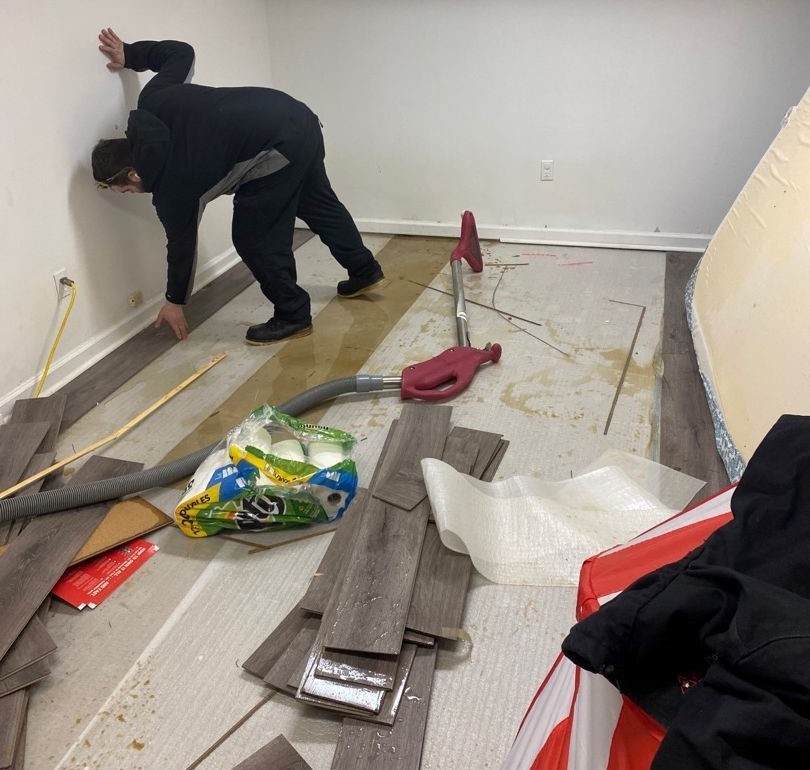
9 Costly, Overlooked Effects of Ignoring Spring Storm Water Damage
1. Accelerated Mold Growth Behind Walls and Under Floors
Within 24 to 48 hours of moisture intrusion, mold spores activate on organic substrates including drywall paper, wood framing, carpet backing, and subfloor materials. Species such as Aspergillus, Penicillium, and Stachybotrys chartarum produce mycotoxins that are harmful with prolonged exposure, particularly to children, elderly individuals, and those with compromised immune systems. IICRC S520-compliant mold remediation requires negative air pressure containment, HEPA filtration rated to capture particles as small as 0.3 microns, and EPA-registered antimicrobial biocide treatment of all affected surfaces.
2. Subfloor and Floor Joist Deterioration
Oriented strand board (OSB) subfloor panels, which are standard in Fort Wayne homes built after the 1980s, are particularly vulnerable to water damage because OSB loses structural integrity rapidly when its adhesive matrix is compromised by moisture. Solid lumber floor joists in older homes face wet rot from fungal organisms that colonize damp wood. Both failure modes develop silently beneath flooring surfaces and may not produce detectable symptoms such as floor bounce or squeaking until structural damage is already significant.
3. Hidden Electrical Hazards
Water intrusion into walls, ceilings, and crawl spaces contacts electrical infrastructure in ways that are not visible from living areas. Moisture penetration into circuit breaker panels, junction boxes, and outlet wiring creates short circuit risk, ground fault conditions, and the potential for arc flash events inside wall assemblies. Insurance adjusters and home inspectors in Fort Wayne regularly identify electrical system damage as a secondary consequence of water events that homeowners believed had been adequately addressed with surface cleanup.
4. HVAC Contamination and Air Quality Degradation
Fort Wayne homes with forced-air systems are at risk of HVAC contamination when water intrusion reaches supply and return air plenums, ductwork, or air handler units. Once mold colonies establish inside ductwork, every HVAC cycle distributes spores and mycotoxins throughout the entire living space. Restoring contaminated ductwork requires HEPA vacuum extraction, antimicrobial biocide fogging, and sealing of contaminated sections, a process that is substantially more expensive than early intervention.
5. Foundation Crack Propagation and Hydrostatic Damage
Hydrostatic pressure is the force that saturated soil exerts against foundation walls. During spring storm periods in Fort Wayne, the combination of elevated water table, poor site drainage in low-lying neighborhoods, and compromised exterior waterproofing creates sustained hydrostatic pressure that can cause existing hairline cracks to propagate into structural cracks. Lateral wall bowing, floor heave in basement slabs, and horizontal cracking in block foundation walls are all indicators of advanced hydrostatic damage that was allowed to worsen through inaction.
5. Insulation System Failure
Saturated insulation in crawl spaces, basement rim joist areas, and exterior walls ceases to function as a thermal barrier and becomes a medium for mold proliferation. Fiberglass batts absorb and retain moisture for weeks even after surface drying occurs, sustaining the biological activity and structural moisture conditions that IICRC S500 drying protocols are designed to eliminate. Homeowners who attempt to accelerate drying by increasing indoor temperatures without addressing wet insulation are actually accelerating mold growth rates.
7. Category 3 Contamination and Biohazard Risk
When spring storms overwhelm Fort Wayne’s municipal sewer infrastructure, residential drain backflow introduces Category 3 water, which is grossly contaminated water carrying pathogenic bacteria, viruses, and parasites into homes. IICRC S500 classifies Category 3 water intrusion as a biohazard event requiring specialized personnel protective equipment, containment protocols, and disposal procedures. Cleanup of Category 3 contamination using standard cleaning products and household equipment is insufficient and potentially dangerous to occupants and cleanup personnel.
8. Volatile Organic Compound Off-Gassing
Wet building materials including adhesive-bonded subfloor panels, vinyl flooring, and composite wood products release elevated levels of volatile organic compounds as their chemical matrices degrade. Formaldehyde, benzene, and other VOCs off-gas at higher rates from moisture-damaged materials and contribute to acute and chronic indoor air quality problems. These compounds are detectable by professional air quality sampling but are invisible and odorless at concentrations that can still cause health effects with sustained exposure.
9. Property Value Loss and Insurance Complications
Indiana real estate disclosure law requires sellers to disclose known defects including water damage history. Properties in Fort Wayne with documented but inadequately remediated water damage are subject to negotiated price reductions, failed home inspections, and insurance underwriting complications that can affect the ability to secure or renew homeowner policies. Professional remediation with documented IICRC-compliant procedures and final clearance reports protects both your property value and your position during insurance claims negotiations.
How PuroClean Disaster Restoration of West Fort Wayne Responds
When Fort Wayne area residents call (260) 263-9788, our IICRC-certified team activates a comprehensive, documented response:
- 24-hour emergency water extraction with truck-mounted extraction units
- Thermal imaging and calibrated moisture meter surveys to map all hidden moisture in wall cavities, subfloor assemblies, and ceiling spaces
- Psychrometric analysis to establish baseline conditions and set IICRC S500 drying goals
- Commercial-grade air mover and dehumidifier placement calibrated to affected square footage and moisture load
- Daily psychrometric monitoring with written documentation for insurance claim support
- IICRC S520-compliant mold assessment and remediation when biological growth is identified
- Negative air pressure containment and HEPA air filtration throughout remediation
- EPA-registered antimicrobial biocide application to all affected structural surfaces
- Final moisture verification and clearance documentation
Frequently Asked Questions: Water Damage in Fort Wayne, Indiana
Does homeowners insurance cover mold damage caused by spring storms in Fort Wayne?
In most cases, Indiana homeowners insurance policies will cover mold remediation when mold results directly from a covered water damage event and the homeowner took prompt action to mitigate the loss. Policy language typically includes a duty-to-mitigate clause requiring the homeowner to act quickly to prevent further damage. If you delay calling a restoration company after a spring storm event and a subsequent mold claim is denied on the basis of failure to mitigate, you may bear the full cost of remediation. Calling PuroClean of West Fort Wayne at (260) 263-9788 immediately after water intrusion creates a documented mitigation timeline that supports your claim.
How quickly does mold grow after water damage in Fort Wayne homes?
Under the temperature and humidity conditions typical of an Allen County spring, mold can begin visible colonization on wet organic materials within 24 to 48 hours of a flooding event. Once established, mold colonies can double in size rapidly under favorable conditions. The IICRC S520 standard defines containment and remediation protocols based on the extent of affected surface area, with larger infestations requiring increasingly comprehensive containment and air filtration measures.
What should I do immediately after spring flooding enters my Fort Wayne home?
Follow these immediate steps to protect your safety and support your insurance claim:
- Ensure electrical safety by shutting off power to affected areas at the breaker panel if it is safe to do so
- Do not enter standing water if the source or contamination level is unknown
- Document all visible damage with photographs and video before any cleanup begins
- Call PuroClean Disaster Restoration of West Fort Wayne at (260) 263-9788 to initiate professional emergency extraction
- Contact your insurance carrier to open a claim and provide them with the restoration company contact information
- Remove portable valuables from the affected area if safe to do so without disturbing standing water
How do I know if my Fort Wayne home has hidden water damage after a storm?
Hidden water damage frequently presents through secondary indicators including musty odors that persist after visible water is removed, visible efflorescence or white mineral deposits on basement walls, bubbling or peeling paint on walls and ceilings, soft spots in flooring or floor bounce indicating subfloor deterioration, and unexplained respiratory or allergy symptoms among household occupants. Professional moisture mapping using thermal imaging and calibrated moisture meters is the only reliable method to identify moisture in wall cavities and other concealed building assemblies.
Is Fort Wayne at higher flood risk than other Indiana cities?
Yes. Fort Wayne’s position at the confluence of three major river systems, the St. Marys, St. Joseph, and Maumee Rivers, combined with Allen County’s relatively flat topography and the city’s mix of aging infrastructure and continued development, creates above-average spring flood risk compared to many Indiana communities. The city has invested significantly in floodwall infrastructure and flood plain management, but residential properties outside protected flood zones remain exposed to both surface flooding from storm sewer overflow and basement flooding from hydrostatic groundwater pressure.
| CONTACT PUROCLEAN DISASTER RESTORATION OF WEST FORT WAYNE Ignoring spring storm water damage costs Fort Wayne homeowners thousands in avoidable repairs. Do not wait to see if the problem resolves on its own. It will not. Call Now: (260) 263-9788 Available 24 hours a day, 7 days a week. Serving Fort Wayne, West Fort Wayne, Allen County, and surrounding Northeast Indiana communities. IICRC Certified Technicians. Insurance Claim Assistance. Rapid Emergency Response. |

 PuroClean Disaster Restoration of West Fort Wayne