


Key Takeaways for Homeowners
- Mold colonization begins within 24 to 48 hours of water intrusion; every hour of delay increases remediation costs exponentially.
- Fort Wayne’s location near the Saint Marys and Saint Joseph rivers creates elevated flood risk and groundwater intrusion in low-lying neighborhoods.
- Seven immediate actions can contain mold damage and protect your family’s health while waiting for professional IICRC S520-certified remediation.
- PuroClean Disaster Restoration of West Fort Wayne responds 24/7 at (260) 263-9788 for emergency mold assessment and complete restoration services.
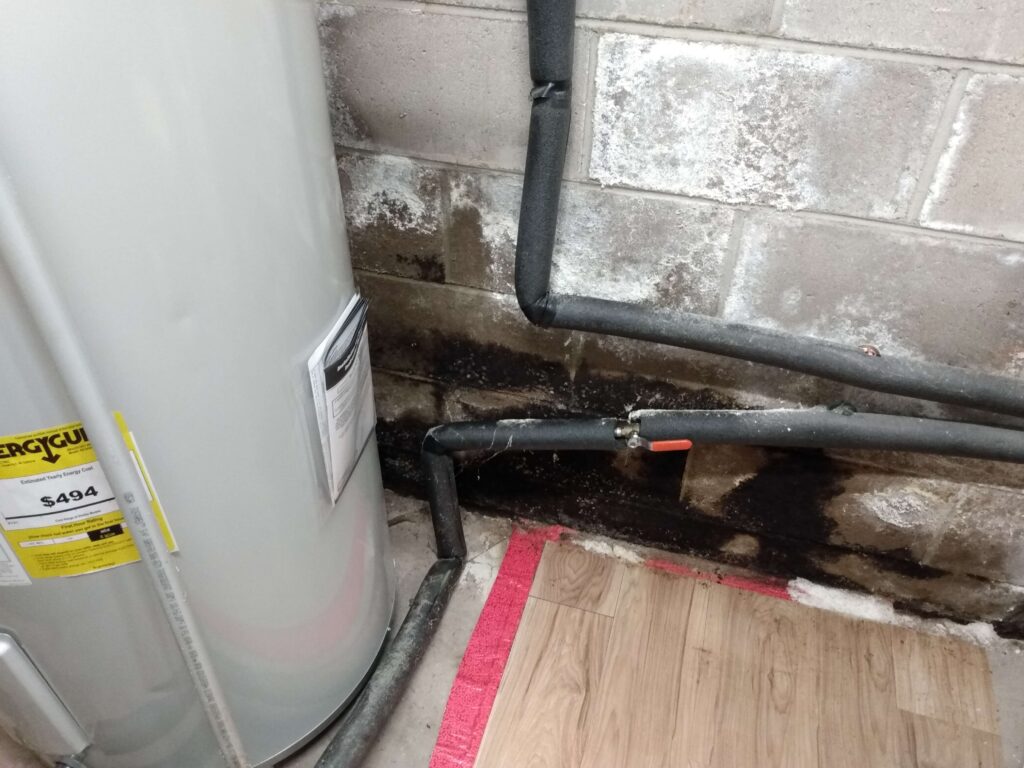
Why Is Mold an Emergency in Fort Wayne Homes?
Mold is not merely an aesthetic problem. It is a biological contaminant that compromises structural integrity and indoor air quality. Under IICRC S520 standards, mold remediation is classified as an emergency service when contamination affects occupied spaces, HVAC systems, or exceeds 10 square feet.
Fort Wayne presents distinct environmental challenges. Our city sits at the confluence of the Saint Marys and Saint Joseph rivers, with large residential areas in floodplains including neighborhoods near Johnny Appleseed Park and the historic West Central district. The Allen County Building Department requires flood-resistant construction in AE zones, yet many pre-1980 homes lack modern moisture barriers. Additionally, Fort Wayne’s humid continental climate produces average summer relative humidity above 75 percent, creating ideal conditions for mold proliferation in basements, crawl spaces, and attics.
When you discover mold, the clock is ticking. These seven steps will help you minimize damage before PuroClean Disaster Restoration of West Fort Wayne arrives.
What Are the 7 Critical Steps for Emergency Mold Prevention?
Step 1: Stop the Water Source Immediately
Mold requires moisture to survive. Without eliminating the water source, all other prevention efforts are futile. Identify and stop the intrusion:
- Plumbing leaks: Shut off the main water valve, typically located in basements or utility closets
- Roof leaks: Place tarps or buckets to divert water; avoid climbing on wet roofs
- Groundwater seepage: Check sump pump operation and battery backup systems
- Appliance failures: Disconnect washing machines, dishwashers, or water heaters
In Fort Wayne’s older neighborhoods like Williams-Woodland Park, galvanized steel plumbing common in homes built before 1970 is prone to corrosion and sudden failure. If you suspect pipe deterioration, shut off water at the street meter and call a licensed plumber immediately.
Step 2: Establish Emergency Containment
Containment prevents airborne spores from colonizing clean areas of your home. You do not need professional equipment to create an effective barrier:
- Purchase 6-mil polyethylene sheeting from any hardware store
- Seal doorways completely with sheeting and duct tape
- Cover HVAC return vents in the affected room with plastic and tape
- Close supply vents to prevent pressurized air from escaping the containment zone
- Create a single entry/exit point for necessary access
For enhanced protection, position a fan in a window exhausting outward. This creates negative air pressure, which is the same principle restoration professionals use with industrial negative air machines. Negative air pressure ensures that air flows into the contaminated zone rather than escaping into your living spaces.
Step 3: Remove Standing Water and Saturated Materials
Standing water accelerates mold growth and provides a breeding ground for bacteria. Remove water using:
- Wet/dry vacuums (empty outdoors, not into household drains)
- Mops and towels for small volumes
- Submersible pumps for basement flooding exceeding several inches
Once water is removed, identify and discard porous materials that have been wet for more than 24 hours. This includes:
- Carpet and carpet padding (always replace padding)
- Cardboard boxes and paper products
- Insulation (fiberglass, cellulose, or spray foam)
- Unsealed wood products and particleboard
Fort Wayne’s ranch and bungalow-style homes often feature hardwood floors over plank subfloors. While hardwood can sometimes be salvaged through professional drying, the subfloor beneath requires moisture mapping to confirm it has returned to acceptable equilibrium moisture content (EMC), typically 9 to 14 percent for our region.
Step 4: Deploy Dehumidification and Air Movement
Psychrometrics dictates that drying requires three elements: air movement, heat, and dehumidification. Residential dehumidifiers are often inadequate for water damage scenarios. If possible, rent a commercial LGR (Low Grain Refrigerant) dehumidifier capable of removing 100+ pints per day.
Position air movers to create airflow across all wet surfaces. The goal is to lower the vapor pressure at the material surface, which accelerates evaporation. Monitor progress with a moisture meter. Wood framing should read below 16 percent moisture content; drywall should read below 1 percent above normal baseline.
In Fort Wayne’s spring and fall seasons, outdoor humidity often matches indoor levels. During these periods, opening windows is counterproductive. Rely on mechanical dehumidification and sealed containment instead.
Step 5: Apply Antimicrobial Treatment to Prevent Colonization
Even after visible water is removed, microscopic moisture remains in building materials. Apply an antimicrobial biocide to all affected hard surfaces to prevent mold germination. Effective options include:
- Concrobium: Non-toxic, mechanical kill mode that crushes mold spores
- Benefect: Botanical disinfectant safe for use around children and pets
- Sporicidin: Hospital-grade disinfectant with residual antimicrobial activity
Wear N95 respiratory protection, eye protection, and nitrile gloves during application. Ensure the treated area remains ventilated to the exterior until surfaces are completely dry. Never mix bleach with ammonia-based cleaners, as this produces toxic chloramine gas.
Step 6: Protect Occupants from Mycotoxin Exposure
Mycotoxins are toxic secondary metabolites produced by molds including Aspergillus, Penicillium, and Stachybotrys. Exposure routes include inhalation, skin contact, and ingestion. Symptoms range from nasal congestion and throat irritation to chronic fatigue and immune suppression.
Until professional remediation is complete, protect your family:
- Relocate sensitive individuals (infants, elderly, asthmatics, immunocompromised) from the home
- Do not sleep in rooms adjacent to contamination
- Wash clothing worn in contaminated areas separately in hot water
- Shower immediately after working in the affected zone
If any occupant develops persistent respiratory symptoms, headaches, or unexplained fatigue, seek medical evaluation and inform your physician about potential mold exposure. PuroClean Disaster Restoration of West Fort Wayne can provide documentation of contamination findings to support medical consultations.
Step 7: Document Damage and Contact Professionals
Comprehensive documentation serves two purposes: insurance claim support and professional assessment baseline. Before disturbing any materials:
- Take photographs of all visible mold, water staining, and damaged materials
- Record the date and time of water discovery
- Note any odors, health symptoms, or prior water events
- Preserve samples of damaged materials if insurance requires physical evidence
Contact PuroClean Disaster Restoration of West Fort Wayne at (260) 263-9788 immediately after completing these emergency steps. Our IICRC S520-certified technicians will conduct a thorough assessment including moisture mapping, thermal imaging, and air quality sampling. We provide detailed scope-of-work documentation that satisfies insurance carriers and ensures complete remediation.
What Should Fort Wayne Homeowners Know About Local Mold Risks?
How Does Fort Wayne’s Geography Affect Mold Growth?
Fort Wayne’s topography includes significant low-lying areas near the river confluence and a high water table throughout much of Allen County. Homes in neighborhoods like East Central, Southwood Park, and the Lakeside area experience higher basement moisture intrusion than properties on higher ground. The city’s clay-heavy soils drain poorly, causing hydrostatic pressure against foundation walls that forces water through cracks and joints.
Seasonal river flooding, particularly during spring snowmelt and heavy summer storms, creates Category 3 water damage scenarios. This “black water” contains pathogens and requires professional handling under IICRC S500 standards. Never attempt DIY cleanup of floodwater without proper PPE and antimicrobial protocols.
What Building Code Requirements Apply to Mold Prevention?
Allen County adopted the 2020 Indiana Residential Code, which includes provisions for moisture control in new construction. Requirements include vapor barriers in crawl spaces (6-mil polyethylene minimum), foundation damp-proofing, and mechanical ventilation in attics. However, many Fort Wayne homes predate these standards.
If you own a historic home in the West Central or Oakdale neighborhoods, consider proactive upgrades: install sump pumps with battery backup, seal foundation cracks with epoxy injection, and add crawl space encapsulation. These investments prevent mold and may reduce insurance premiums.
Frequently Asked Questions for Fort Wayne Homeowners
Does Home Insurance Cover Mold Caused by High Humidity in Fort Wayne?
Indiana homeowners insurance policies generally exclude mold resulting from humidity, condensation, or gradual leaks. Coverage is typically available for mold secondary to covered perils such as burst pipes, storm damage, or appliance failures. Some carriers offer mold endorsements with sublimits between $5,000 and $25,000. Given Fort Wayne’s flood risk, consider separate flood insurance through the National Flood Insurance Program (NFIP) if your home lies in a flood-prone area.
How Fast Can Mold Become a Serious Health Hazard?
For sensitive individuals, symptoms can develop within hours of exposure. For healthy adults, significant health effects typically require prolonged exposure over days or weeks. However, toxic black mold (Stachybotrys chartarum) produces trichothecene mycotoxins that can cause acute symptoms including burning sensations in airways, cognitive difficulties, and immune suppression. If you suspect black mold, evacuate the area and call professionals immediately.
Can I Paint Over Mold to Solve the Problem?
Painting over mold is ineffective and dangerous. Mold grows through paint films, and within weeks the discoloration will reappear. More importantly, encapsulating mold traps moisture and accelerates structural decay. Proper remediation requires source elimination, material removal, antimicrobial treatment, and drying before any cosmetic repairs.
What Is the Difference Between Mold and Mildew?
Mildew is a superficial mold growth that appears as powdery white or gray patches on surfaces like shower tiles and windowsills. It is easily cleaned with household products. True mold penetrates building materials, produces musty odors, and requires professional remediation. If you cannot determine which you have, err on the side of caution and schedule a professional assessment.
How Do I Know If Mold Is Hidden Behind Walls?
Signs of concealed mold include persistent musty odors, unexplained allergic symptoms, wallpaper peeling at seams, bubbling paint, and warped baseboards. PuroClean Disaster Restoration of West Fort Wayne uses thermal imaging cameras to detect temperature differentials caused by moisture behind walls, and moisture meters to confirm elevated readings without destructive investigation.

