


Summary
This guide details six critical steps homeowners should take immediately after flood water damage in their basement to prevent mold growth. It covers safety checks, water removal, drying techniques, cleaning, structural repairs, and long-term prevention. A personal story highlights the consequences of delayed action, emphasizing health risks and costly repairs, with a lesson on swift response.

When You Ignore Basement Flood Damage
Meet John, a homeowner in a quiet Fort Wayne neighborhood. After a heavy spring rain, he noticed water pooling in his basement, about an inch deep, seeping through cracks in the foundation. Thinking it was minor, he mopped it up and left a fan running for a day, assuming the problem was solved. Life got busy, and he didn’t check the basement again for weeks. By then, a musty smell had taken over, and black patches crept along the baseboards. His teenage daughter, who used the basement as a study space, started getting headaches and a persistent cough. When John investigated, he found soggy carpets and warped drywall, with mold spreading fast.
The pain hit hard. Mold remediation cost him $3,500, and he had to replace ruined furniture and flooring. Worse, his daughter’s health issues lingered, requiring medical visits that added to the stress. The lesson? Flood damage isn’t a “wait and see” situation. Acting fast within the first 24-48 hours can stop mold in its tracks, saving money and protecting your family’s health. John now swears by immediate action and regular basement checks.
This guide walks you through six essential steps to handle basement flooding right away, keeping it straightforward and practical, like advice from a friend who’s been there.
Why Is Quick Action Critical After Basement Flooding in Fort Wayne?
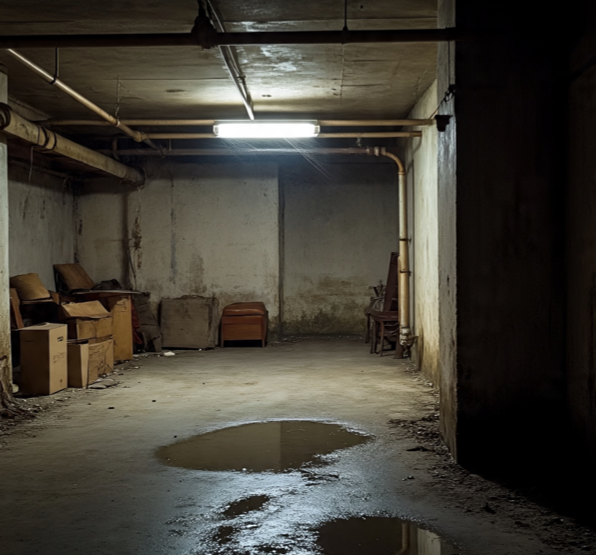
Flood water in basements creates a perfect breeding ground for mold, which can start growing in 24-48 hours if moisture lingers. Water soaks into porous materials like drywall, carpet, and wood, trapping humidity that fuels mold spores. These can cause respiratory issues, allergies, or worse for sensitive individuals. Beyond health risks, unchecked damage weakens structures, leading to costly repairs. Acting quickly stops the spread, preserves your home, and reduces expenses. The steps below are designed to tackle the problem head-on, starting with safety and ending with prevention.
Step 1: How Do You Ensure Safety Before Entering a Flooded Basement?
Before stepping into a flooded basement, prioritize safety to avoid hazards. Turn off the electricity to the basement at the main breaker to prevent shocks, especially if water reaches outlets or appliances. Check for gas leaks by sniffing for a rotten egg smell; if detected, evacuate and call professionals. Wear protective gear like rubber boots, gloves, and a mask to shield against contaminated water and mold spores.
Inspect for structural risks, like cracked walls or sagging floors, which could indicate collapse dangers. If water is deeper than a few inches or the situation feels unsafe, call a professional restoration service immediately. John learned this the hard way when he waded in without checking and nearly slipped on a slick floor. Safety first ensures you can tackle the cleanup without adding injury to the mix. Tools needed: flashlight, protective gear, and a phone for emergency contacts.
Step 2: How Do You Remove Standing Water Quickly?
Removing standing water is the first physical step to stop mold. Use a wet/dry shop vacuum for small amounts or a submersible pump for deeper water, available at hardware stores for $50-$150. Work from the deepest areas outward, directing water to a floor drain or outside if safe. For large floods, rent industrial pumps or hire pros, as John did when his shop vac couldn’t keep up. Avoid letting water sit, as it soaks deeper into materials.
If no drain exists, use buckets to carry water out, but this is labor-intensive. Dispose of contaminated water away from your home to prevent reabsorption. Tip: Check local regulations in Fort Wayne for proper disposal, as some areas restrict dumping floodwater into storm drains. Speed is key here; John’s delay allowed water to seep into his drywall, doubling his repair costs. Equipment: shop vac, pump, buckets, and hoses.
Step 3: How Do You Dry Out the Basement Effectively?
Drying the basement thoroughly prevents mold from taking hold. Set up high-powered fans to circulate air and a dehumidifier to pull moisture from the air, aiming for humidity below 60%. Open windows if outdoor humidity is low, but avoid if it’s rainy or humid. Remove wet items like carpets, furniture, or boxes to dry separately or discard if unsalvageable.
Use a moisture meter to check walls and floors; readings above 20% indicate risk. Drying can take 24-72 hours, so keep fans running continuously. John’s single fan wasn’t enough, letting dampness linger. Renting extra dehumidifiers would have saved him. Pro tip: Elevate items on blocks to improve airflow underneath. Supplies: fans, dehumidifier, moisture meter, and ventilation tools.
Step 4: How Do You Clean and Disinfect to Stop Mold?
Once dry, clean and disinfect to eliminate mold spores and bacteria. For non-porous surfaces like concrete or tile, use a solution of 1 cup bleach per gallon of water, scrubbing with a stiff brush. Avoid bleach on wood or drywall, as it doesn’t penetrate deeply; use vinegar or commercial mold cleaners instead. Wipe down all surfaces, including pipes and fixtures.
Discard porous items like soaked carpets or upholstery unless professionally cleaned. Vacuum with a HEPA filter to capture spores. John skipped this step, thinking drying was enough, and mold grew anyway. In Fort Wayne, follow EPA guidelines for safe cleaning. Supplies: bleach, vinegar, brushes, HEPA vacuum, and gloves. Ventilate well to avoid fumes.
Step 5: How Do You Repair Structural Damage After Flooding?
Flooding can weaken basement walls, floors, and drywall, requiring repairs. Cut out damaged drywall at least 12 inches above the waterline, using a utility knife, and remove wet insulation. Replace with mold-resistant drywall and new insulation. For concrete cracks, apply hydraulic cement after drying.
Seal repairs with waterproof primer and paint to protect against future moisture. If floors are wood or laminate, replace warped sections. John’s contractor fixed his foundation cracks, which he hadn’t noticed, preventing future leaks. DIY is possible for small repairs, but large-scale damage needs pros to check for structural integrity. Tools: utility knife, drywall, cement, primer, and paint rollers.
Step 6: How Do You Prevent Future Flooding and Mold?
Long-term prevention stops repeat flooding and mold. Install a sump pump with a battery backup to handle water ingress, especially in Fort Wayne’s rainy seasons. Seal foundation cracks with epoxy or polyurethane sealants. Improve exterior drainage with proper gutters and downspouts directing water away from the house.
Use a dehumidifier year-round to maintain low humidity, and install exhaust fans for ventilation. Regularly inspect pipes and the foundation. John added a sump pump and now checks his basement monthly, avoiding further issues. Tip: In Fort Wayne, consider flood insurance, as standard policies often exclude flood damage. Supplies: sump pump, sealants, and dehumidifier.
The Best Flood and Mold Recovery Company in Fort Wayne

Fort Wayne’s humid climate and frequent storms make basements prone to flooding. Local services like PuroClean Disaster Restoration of West Fort Wayne offer 24/7 water extraction and mold cleanup, reachable at (260) 263-9788.
They are proud to have earned 100+ five-star reviews on Google, a testament to their commitment to quality, safety, and customer satisfaction.
Read their verified customer reviews here and see why locals trusts PuroClean for professional water damage restoration. Always verify BBB accreditation for reliability. Local regulations may require permits for major repairs, so check with the city.
FAQs
How soon after flooding should I act to prevent mold?
Within 24-48 hours, as mold can start growing in that time frame if moisture remains.
Is it safe to enter a flooded basement?
Only after turning off electricity, checking for gas leaks, and wearing protective gear; otherwise, call professionals.
What tools do I need to remove basement floodwater?
A wet/dry shop vacuum, submersible pump, buckets, and hoses are essential for water removal.
Can I save wet carpets or furniture?
Non-porous items can be cleaned; porous ones like carpets often need professional cleaning or replacement.
How do I know if my basement is dry enough?
Use a moisture meter; readings below 20% indicate safe dryness levels.
What cleaning solutions work best for mold prevention?
Bleach-water (1:10 ratio) for non-porous surfaces, vinegar, or commercial mold cleaners for others.
When should I call professionals in Fort Wayne?
For deep water, structural damage, or mold over 10 square feet, contact local experts like Midwest Remediation.
How much does professional flood cleanup cost in Fort Wayne?
Costs range from $1,000-$5,000, depending on damage; get quotes from BBB-accredited services.
Can I prevent basement flooding entirely?
Not always, but sump pumps, sealed foundations, and good drainage reduce risks significantly.
Are there health risks from basement mold?
Yes, mold can cause allergies, respiratory issues, or severe reactions in sensitive people.
Conclusion
Basement flooding is daunting, but these six steps, from safety to prevention, empower you to act fast and prevent mold. John’s story shows the cost of delay, but also the value of quick response. Start today, and keep your basement safe and dry.

