 PuroClean Disaster Restoration of West Fort Wayne
 Executive Summary
Fort Wayne homeowners need to understand that frozen pipes pose their greatest threat during thawing, not during the freeze itself. This comprehensive guide explains the physics behind freeze-thaw pipe failures, identifies which Fort Wayne neighborhoods face highest risk, details the step-by-step progression from freeze to catastrophic burst, and provides actionable strategies to prevent disaster. Professional intervention during the critical thaw period can mean the difference between minor inconvenience and $20,000 in damage.
Understanding what happens when frozen pipes thaw represents the difference between avoiding disaster and facing one of the most expensive homeowner emergencies. For Fort Wayne residents, this knowledge isn’t just helpful, it’s essential for protecting your home and finances during Indiana’s brutal winters.
What Actually Happens Inside a Pipe During the Freeze-Thaw Cycle?
The freeze-thaw cycle creates a complex series of physical changes that ultimately lead to pipe failure. Understanding this progression helps explain why pipes don’t burst when you’d expect them to.
When temperatures drop and water inside a pipe begins freezing, the process doesn’t happen uniformly. Water freezes from the outside of the pipe inward and from the coldest point along the pipe’s length outward. As water molecules form ice crystals, they arrange themselves in a structure that occupies about 9% more volume than liquid water. This expansion creates the first stress on the pipe.
However, modern pipes are engineered to withstand substantial pressure. A typical copper or PEX pipe can handle pressures exceeding 2,000 PSI (pounds per square inch). The expansion of freezing water alone rarely exceeds the pipe’s pressure tolerance, at least initially.
The real problem develops as the ice formation creates a plug. This plug blocks water flow, trapping liquid water between the ice blockage and a closed faucet or valve. As more water freezes and continues expanding, it has nowhere to go. Pressure builds in this trapped section, sometimes reaching extreme levels.
This pressure doesn’t immediately burst the pipe in most cases. Instead, it stresses the pipe material. Copper work-hardens and becomes brittle. Plastic materials stretch slightly. Joints and connections experience stress. Small cracks or weak spots develop, though they might not cause immediate failure.
When temperatures rise and thawing begins, the dynamics shift dramatically. The ice plug begins melting, typically from the outside first since exterior surfaces warm faster than the pipe’s interior. As the outer layers melt, water begins flowing again.
Here’s where disaster strikes. The flowing water encounters the remaining ice blockage. Water builds up behind this shrinking ice dam. When someone turns on a faucet, additional pressure surges through the system. The ice dam might give way suddenly, releasing a torrent of pressurized water. Alternatively, the weakened pipe section that developed cracks during freezing finally fails under the renewed pressure.
The result is catastrophic. Water sprays forcefully from the failure point, potentially releasing hundreds of gallons before someone notices and shuts off the main water supply.
Why Do Fort Wayne Homes Experience More Freeze-Thaw Cycles Than Other Regions?
Fort Wayne’s location in northeastern Indiana creates a climate pattern particularly conducive to freeze-thaw damage.
The city sits at a latitude that experiences what meteorologists call the “freeze-thaw zone,” where winter temperatures regularly oscillate above and below freezing. Unlike regions far to the north where temperatures stay below freezing for months, Fort Wayne experiences frequent warm spells interrupted by Arctic blasts.
A typical Fort Wayne winter might see temperatures drop to 5 degrees for three days, then climb to 38 degrees, then drop again to 18 degrees, then rise to 42 degrees. This constant cycling means pipes experience repeated stress rather than a single freeze event.
Lake Michigan’s influence adds another layer of complexity. Lake-effect weather patterns can cause rapid temperature changes. A morning might start at 10 degrees under clear skies, then a lake-effect system moves through, bringing warmer air and pushing temperatures to 35 degrees by afternoon.
Fort Wayne’s urban geography creates microclimates within the city. Neighborhoods in the central city with taller buildings and more concrete might be several degrees warmer than suburban areas with more open land. Areas near the rivers (the St. Marys, St. Joseph, and Maumee) sometimes experience different temperature patterns than areas farther from water.
These factors combine to create an environment where Fort Wayne homes face more freeze-thaw cycles per winter than homes in consistently cold climates. Each cycle weakens pipes incrementally. By late winter, pipes that survived early season freezes might fail during what seems like a mild thaw because they’ve accumulated damage from multiple previous cycles.
A Real Story: What One Fort Wayne Family Learned About Thawing Pipes
Michael and Jennifer Thompson had lived in their Fort Wayne home in the Waynedale area for eight years without major problems. Their 1960s ranch-style home had survived plenty of cold winters. They had no reason to expect the disaster that struck during the first week of March.
February had been brutal, with temperatures staying below 20 degrees for nearly two weeks straight. The Thompsons kept their thermostat at 68 degrees, left cabinet doors open, and let faucets drip during the coldest nights. Everything seemed fine.
Early March brought a dramatic warm-up. Temperatures jumped from 12 degrees on Sunday to 48 degrees by Tuesday afternoon. The snow on their roof began melting. Icicles dripped steadily. Spring seemed to be arriving early.
Michael left for his job at the factory at 6 AM Tuesday. Jennifer worked from home in their converted basement office. Around 10:30 AM, she went upstairs to make coffee and heard an unusual sound, like water running somewhere in the walls.
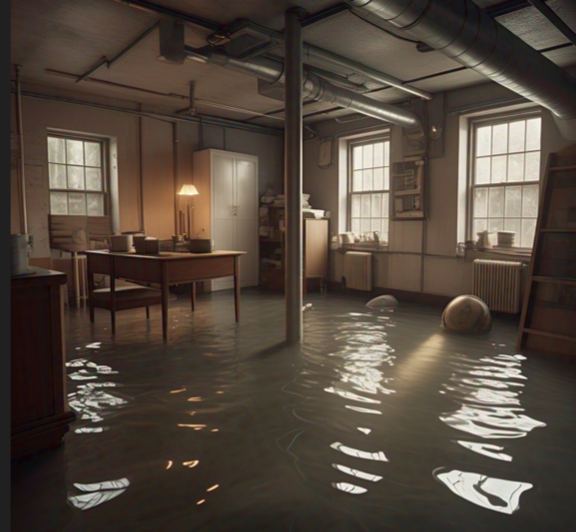
She walked through the house trying to locate the sound. It seemed to be coming from the bathroom at the end of the hall. When she opened the bathroom door, water was pouring from the ceiling light fixture, cascading down the walls, and pooling across the tile floor.
She ran to the basement and shut off the main water valve. Then she called Michael, who rushed home. By the time he arrived 20 minutes later, Jennifer had moved everything she could from the bathroom and was using towels to soak up water.
They called their insurance company, who recommended they contact a professional restoration company immediately. They called a company they found online, which arrived within two hours.
The restoration team explained what had happened. A copper pipe in the attic above the bathroom had frozen during February’s cold snap. The freeze had created a hairline crack in the pipe near a solder joint. As long as temperatures stayed below freezing, the ice in the pipe held everything together, like a temporary patch.
When the warm-up came, the ice melted. Water pressure built up and then began flowing through that hairline crack. At first, the leak was probably just a drip. But as the ice continued melting and pressure increased, the crack widened. By the time Jennifer heard the sound, the crack had opened to nearly a quarter-inch, releasing water at several gallons per minute.
The restoration company estimated the pipe had been leaking for at least two hours before Jennifer discovered it, possibly longer. In that time, hundreds of gallons had poured into the attic insulation, saturated the ceiling drywall, and flowed down through wall cavities to the first floor.
The initial assessment identified damage to the bathroom, the bedroom below it, a corner of the living room, and sections of the basement. The restoration team set up industrial dehumidifiers and air movers throughout the house.
As they began removing wet drywall and insulation, additional problems emerged. The water had saturated insulation throughout a quarter of the attic. The bathroom ceiling drywall had to be completely removed and replaced. Drywall in the bedroom and living room needed replacement as well. Hardwood flooring in the bedroom had begun cupping and required replacement. The basement ceiling had multiple water stains indicating saturation of ceiling materials.
Within 48 hours, mold growth appeared on wet framing in the attic and bathroom. The restoration company brought in their mold remediation team to address the contamination.
A week into the restoration process, the Thompsons’ plumber discovered three additional pipes in the attic that had also developed cracks during the freeze. These hadn’t burst yet, but the plumber recommended replacing all the attic supply lines to prevent future failures.
The restoration took five weeks. During that time, the Thompsons lived in their home but couldn’t use their main bathroom. Contractors were in and out daily. Dust from demolition covered everything despite plastic barriers. The constant noise of dehumidifiers and air movers made normal life impossible.
The final cost tallied up to $32,000. Their insurance covered $28,500 after their $2,500 deductible. But the Thompsons incurred additional costs insurance didn’t cover: replacement of personal items damaged by water, time off work to meet contractors and handle insurance matters, extra cleaning after restoration was complete, and replacement of food that had been exposed to construction dust.
Their insurance premium increased by 31% the following year, adding $900 annually to their housing costs.
“We thought we’d made it through winter without problems,” Michael said months later. “We had no idea that the danger was highest when things started warming up. If we’d known to check our attic pipes after that cold snap, we might have caught those cracks before they turned into floods. Now we inspect everything carefully after any serious freeze.”
Which Fort Wayne Neighborhoods Face the Highest Risk of Freeze-Thaw Pipe Damage?
Not all Fort Wayne neighborhoods experience equal risk. Understanding your area’s specific vulnerabilities helps you prioritize prevention efforts.
Older neighborhoods with housing stock from the 1940s through 1970s face elevated risk. These areas, including parts of Waynedale, the Near Northwest, and sections of the Southeast, often have homes built before modern insulation standards. Pipes in these homes frequently run through exterior walls, unheated attics, or poorly insulated crawl spaces.
The North Highlands and Northcrest neighborhoods, developed primarily in the 1950s and 1960s, often feature split-level designs where plumbing runs through zones that are difficult to heat adequately. The half-level between floors sometimes contains supply pipes in spaces that don’t receive direct heat.
Newer suburban developments in Aboite, Southwest, and Leo-Cedarville areas might assume they’re safer, but that’s not always true. While newer homes typically have better insulation, they also often feature more complex plumbing layouts serving multiple bathrooms and areas. More pipes mean more potential failure points.
Areas near the rivers, particularly low-lying sections near the St. Marys and St. Joseph, sometimes experience higher moisture levels that can contribute to pipe problems. Homes in these areas might have dampness in crawl spaces or basements that combines with cold temperatures to create ideal freezing conditions.
Fort Wayne’s tree canopy also affects risk. Neighborhoods with mature tree coverage, like parts of Williams Woodland Park and Edgewater, benefit from some wind protection but might have shaded areas on north-facing walls where pipes stay colder longer.
Homes on the city’s north and northeast sides sometimes experience colder temperatures than the urban core due to less developed land and fewer heat-generating buildings. Even a two or three-degree temperature difference can determine whether pipes freeze.
What Are the Critical Warning Signs That a Thawing Pipe Might Fail?
Catching a failing pipe before it bursts completely can save you thousands in damage. Knowing what to look for during thaw periods is essential.
Reduced water pressure at one or more fixtures often indicates a partial blockage from ice or a small leak reducing flow. If your kitchen faucet suddenly produces a weak stream when it was fine yesterday, suspect a problem.
Unusual sounds in walls or ceilings, including dripping, hissing, or rushing water, signal water escaping somewhere it shouldn’t be. Don’t ignore these sounds hoping they’ll go away. Investigate immediately or call a professional.
Discoloration or moisture spots on walls, ceilings, or floors indicate water seeping through materials. These stains might appear suddenly during a thaw as water finds paths through your home’s structure.
Musty odors developing suddenly suggest water accumulating somewhere hidden, often in wall cavities, under floors, or in ceiling spaces. Mold can begin growing within 24 hours of water exposure, and the smell often appears before visible signs.
Ice or frost on exposed pipes that doesn’t fully melt during warm-up indicates those pipes reached extremely low temperatures. Even if they haven’t burst yet, they’ve experienced severe stress and should be inspected.
Your water meter continuing to move when all water is turned off definitively indicates a leak somewhere in your system. Check the meter before bed, note the reading, ensure no water will be used overnight, and check again in the morning. Any movement means water is escaping somewhere.
Higher than normal water bills without explanation might indicate a slow leak that’s been ongoing for weeks. While not an immediate emergency, this situation requires investigation before it worsens.
How Quickly Should You Respond When You Suspect Frozen Pipe Damage?
Response speed directly correlates with total damage and cost. Understanding appropriate response timelines helps you make good decisions under stress.
If you discover active water flow from a burst pipe, you have minutes, not hours. Every minute of delay means hundreds more gallons flooding your home. Shut off your main water valve immediately. This is your first action, before even calling for help.
If you hear water running in walls but haven’t found the source, you have perhaps 30 minutes to an hour before a small leak becomes a major problem. Begin investigating immediately while someone else calls a plumber or restoration company.
If you notice water stains or moisture but no active flow, you might have hours before major damage occurs, but don’t delay. Water continues spreading and penetrating during this time. Contact professionals within the hour.
For suspected frozen pipes that haven’t burst yet, you have somewhat more time, but action is still urgent. Begin thawing procedures immediately and monitor closely. If you cannot locate the frozen section or safely thaw it yourself, call a plumber immediately rather than waiting to see what happens.
After you’ve stopped active water flow, professional water extraction should begin within 24 hours, ideally within just a few hours. The faster you remove standing water, the less it penetrates into subflooring, drywall, and insulation.
Mold prevention requires starting dehumidification and drying within 24 to 48 hours of water exposure. After 48 hours, mold growth becomes increasingly likely, turning a water damage emergency into a water damage and mold remediation emergency.
What Emergency Steps Should You Take While Waiting for Professional Help?
The actions you take in the first hour after discovering pipe damage can significantly reduce total losses.
After shutting off the main water valve, locate your electrical panel and shut off power to any areas with standing water or active water flow. Water conducts electricity, creating shock and fire hazards. Don’t enter standing water without confirming power is off.
Document everything with your phone camera. Take photos and videos showing water levels, damaged areas, damaged belongings, and the overall extent of flooding. This documentation supports your insurance claim and establishes the initial scope of damage.
Begin removing standing water if you can do so safely. Use mops, towels, buckets, or a shop vacuum if you have one. Focus on getting water up before it soaks deeper into materials.
Move furniture and belongings to dry areas. Elevate items on blocks or aluminum foil if you cannot move them entirely. The less contact wet carpets or flooring have with furniture, the less damage to those items.
Open windows if weather permits to increase air circulation. Moving air helps water evaporate faster from surfaces.
Remove area rugs and hang them to dry if possible. Rugs trap water against the flooring beneath them, accelerating damage to hardwood or laminate floors.
Wipe down wet furniture surfaces to remove surface water. This won’t dry the furniture completely, but it prevents water from sitting on surfaces where it will cause additional damage.
Pull up wet carpet from tack strips in corners if you’re able. This allows air to circulate under the carpet and helps padding dry. However, don’t attempt this if carpets are glued down or if you’re unsure how to do it safely.
Start running dehumidifiers and fans if you have them. While household equipment can’t match professional drying capacity, every bit helps during the critical first hours.
Remove wet drywall baseboard if it’s practical to do so. This exposes wall cavities to air circulation, promoting drying and preventing mold growth inside walls.
Can You Prevent All Frozen Pipe Damage, or Is Some Risk Unavoidable?
The honest answer is that you can dramatically reduce your risk but never eliminate it entirely. Understanding what’s preventable versus what isn’t helps you maintain realistic expectations.
Well-insulated pipes in heated spaces rarely freeze under normal circumstances. If your pipes run through insulated walls in climate-controlled areas, your risk is minimal during typical Fort Wayne winters.
Pipes in vulnerable locations can be protected through proper insulation, heat tape, and maintaining adequate ambient temperatures. These measures reduce risk substantially but don’t eliminate it during extreme cold combined with power outages or heating system failures.
Power outages create scenarios where even well-prepared homes face pipe freeze risk. If your heat goes out during a multi-day cold snap, pipes can freeze regardless of insulation. Battery backup for critical systems or contingency plans for maintaining some heat during outages becomes important.
Unexpected cold snaps that exceed normal winter temperatures for your area can overwhelm otherwise adequate protection. If your pipes are protected for typical Fort Wayne lows around 10 degrees but temperatures drop to negative 15, you might experience freezing in pipes that normally stay safe.
Hidden vulnerabilities in your home’s construction might exist without your knowledge. A gap in insulation, an air leak you haven’t found, or an unusual plumbing configuration might create a freezing point that you won’t discover until a pipe actually freezes there.
Aging infrastructure eventually fails regardless of preventive efforts. A 40-year-old copper pipe has different stress tolerances than a new pipe. Older homes face higher inherent risk simply because their systems have endured more freeze-thaw cycles over the decades.
The goal isn’t perfection but rather maximizing protection and minimizing consequences. Even if you cannot prevent every possible freeze, you can ensure you catch problems early and respond effectively to minimize damage.
What Role Does Home Age Play in Freeze-Thaw Pipe Vulnerability?
The age of your Fort Wayne home significantly impacts your frozen pipe risk profile.
Homes built before 1950 often have plumbing that runs through the most vulnerable locations: exterior walls, unheated attics, and minimally insulated crawl spaces. Building practices of that era didn’t prioritize energy efficiency or freeze protection. Many of these homes have galvanized steel pipes that corrode internally over time, creating weak points that fail during freeze-thaw stress.
Houses from the 1950s through 1970s improved somewhat but still lack modern insulation standards. These homes often have copper plumbing, which handles freeze-thaw cycles better than galvanized steel but still suffers from accumulated stress over decades. The insulation in walls and attics has often settled or deteriorated, reducing its protective value.
Homes from the 1980s and 1990s generally feature better insulation and more thoughtful pipe placement. However, they’re now 30 to 40 years old, meaning their plumbing systems have experienced numerous freeze-thaw cycles. Solder joints and connections weaken over time. Pipes develop fatigue from repeated expansion and contraction.
Houses built after 2000 benefit from modern building codes requiring better insulation and more protective pipe routing. Many newer homes use PEX plumbing, which tolerates freezing better than copper. However, newer doesn’t mean immune. PEX fittings can still fail, and even modern homes have vulnerable points where pipes must run through exterior walls or other challenging locations.
The key isn’t just the year your home was built but also what updates and improvements have been made. A 1960s home with updated insulation, rerouted plumbing, and modern freeze protection might be safer than a poorly maintained 2005 home.
How Do Professional Restoration Companies Approach Freeze-Thaw Damage Differently Than DIY Methods?
The difference between professional and amateur water damage restoration often means the difference between complete recovery and long-term problems.
Professionals begin with comprehensive damage assessment using specialized equipment. Thermal imaging cameras identify hidden moisture in walls and ceilings. Moisture meters provide precise readings of how wet materials are, even deep inside structures. This assessment finds damage you cannot see, which often represents the majority of total damage.
Water extraction uses commercial-grade equipment that removes far more water than household shop vacuums or towels. Truck-mounted extractors can remove hundreds of gallons per hour from carpets, padding, and subflooring. Portable extractors access areas vehicles cannot reach.
Strategic drying employs industrial dehumidifiers and air movers positioned based on psychrometry (the science of air and moisture interaction). Professionals calculate exactly how many air movers and what dehumidifier capacity your situation requires. They create air flow patterns that dry materials efficiently without causing secondary damage like wood warping.
Monitoring throughout the drying process ensures materials reach appropriate moisture levels. Professionals return daily to check moisture readings, adjust equipment positioning, and determine when drying is complete. They don’t just guess or assume materials are dry.
Antimicrobial treatment prevents mold growth before it starts. Professional-grade antimicrobial solutions applied to affected areas create an environment where mold cannot establish itself during the drying process.
Controlled demolition removes only what must be removed and saves what can be saved. Professionals know when wet drywall can be dried versus when it must be replaced. They understand which materials are salvageable and which aren’t.
Reconstruction coordination ensures your home is properly rebuilt after water damage restoration. Many professional restoration companies handle or coordinate all reconstruction, ensuring work meets code and insurance requirements.
Insurance advocacy includes documenting damage thoroughly, providing detailed estimates, and often working directly with your adjuster. This professional documentation supports proper claim settlements and reduces disputes.
FAQs About Frozen Pipes and Thawing in Fort Wayne
What temperature do pipes typically freeze at in Fort Wayne homes?
Pipes generally freeze when exposed to temperatures below 20 degrees Fahrenheit for extended periods, typically six hours or more. However, multiple factors affect this threshold: pipe location, insulation level, air movement around pipes, and whether water is flowing. Pipes in exterior walls or unheated spaces can freeze at higher temperatures (25 to 28 degrees) if conditions are right. Pipes with even slight water flow rarely freeze until temperatures drop significantly lower.
Should I let multiple faucets drip or just one?
Let faucets drip at the furthest points from your main water line and at locations served by the most vulnerable pipes. For most Fort Wayne homes, this means at least one faucet on each level, prioritizing bathrooms or kitchens on exterior walls. You don’t need a heavy flow, just a steady drip (about five drips per minute). Both hot and cold lines should drip slightly.
How can I tell if my pipes are frozen before they burst?
Turn on faucets throughout your home. If a faucet produces no water or only a trickle despite the valve being fully open, the supply pipe to that fixture is frozen. Check multiple fixtures to identify the extent of freezing. Also watch for frost on exposed pipes, unusual sounds in walls, or toilet tanks that refill extremely slowly. The time to act is when you discover frozen pipes, not after they burst.
Is it safe to use space heaters to prevent pipe freezing?
Space heaters can help if used properly but create fire hazards if used incorrectly. Never leave space heaters unattended or running while you sleep. Keep them away from curtains, furniture, and other combustibles. Don’t use extension cords with space heaters. Place heaters on level, hard surfaces, not carpets. For heating crawl spaces or cabinets under sinks, space heaters designed for those applications work better than standard models. Consider safer alternatives like heat tape specifically designed for pipes.
What should I do if pipes freeze while I’m away from home?
If you’re away during a freeze and can’t return quickly, ask a trusted neighbor or friend to check your home. They should confirm heat is running, check that faucets are dripping if you set them that way, and look for signs of pipe bursts. If you’re on an extended vacation during winter, consider shutting off your main water valve and draining your plumbing system, or maintaining thermostat settings of at least 60 degrees with someone checking your home regularly. Smart home temperature monitors can alert you to dangerous temperature drops.
Does homeowners insurance always cover frozen pipe damage?
Coverage depends on your specific policy and the circumstances. Most policies cover sudden, accidental water damage from burst pipes if you maintained reasonable heat in the home. If you deliberately turned off heat or let the home temperature drop below a reasonable level (typically considered below 55 degrees), insurers might deny the claim. Read your policy to understand specific requirements. Vacation homes or unoccupied properties may have different coverage rules.
How long after a pipe freezes will it burst?
This varies tremendously. Some pipes burst immediately as ice forms and pressure builds. Others remain frozen without bursting for days or even weeks. The highest risk period is during thawing when flowing water encounters weakened pipe sections or remaining ice blockages. A pipe might freeze Monday, remain intact all week, then burst Saturday when temperatures warm and thawing begins. This is why vigilance during warm-ups is essential.
Should I attempt to thaw pipes myself or always call a professional?
You can safely attempt thawing if the frozen pipe is accessible and you use appropriate methods: hairdryers, heat lamps, hot towels, or heating pads. Never use open flames, propane torches, or other high-heat sources. Always keep the affected faucet open while thawing. However, call a professional if the frozen pipe is inside a wall, under a floor, in an attic or crawl space you can’t safely access, or if you’re uncomfortable attempting it. The cost of a plumber making a service call is far less than the cost of a burst pipe from attempted amateur thawing gone wrong.
Protect Your Fort Wayne Home from Freeze-Thaw Disasters
Understanding what happens when frozen pipes thaw empowers you to prevent disasters or respond effectively when they occur. But knowledge alone isn’t always enough. When pipes freeze, when thawing creates emergencies, or when you simply want professional assessment and protection, expert help makes all the difference.
PuroClean Disaster Restoration of West Fort Wayne specializes in helping Fort Wayne homeowners prevent and recover from frozen pipe disasters. Our team understands northeastern Indiana’s unique climate challenges, knows the vulnerabilities common to Fort Wayne homes of every age, and responds with the speed and expertise that water damage emergencies require.
We’re available 24 hours a day, 7 days a week, because frozen pipes don’t burst on convenient schedules. When you call, we respond immediately, arriving at your Fort Wayne home equipped with industrial water extraction equipment, commercial dehumidifiers, moisture detection technology, and the training to minimize your damage and protect your investment.
Whether you’re dealing with an active pipe burst, suspect hidden water damage from a previous freeze, or want a professional vulnerability assessment before the next cold snap, we’re here to help.
Call PuroClean Disaster Restoration of West Fort Wayne right now at (260) 263-9788.
Every minute counts when dealing with water damage. The sooner we begin extraction and drying, the less total damage occurs. The less damage that occurs, the lower your out-of-pocket costs and the faster you return to normal life.
Don’t gamble with your home and your financial security. Trust the professionals who understand Fort Wayne’s freeze-thaw challenges and have the expertise to protect you.
Call (260) 263-9788 now. We’re standing by to help.

 PuroClean Disaster Restoration of West Fort Wayne