 PuroClean Disaster Restoration of West Fort Wayne
 Executive Summary
Crawl space moisture affects many Fort Wayne homes due to the area’s soil composition, weather patterns, and construction practices. This guide explains common moisture causes including inadequate drainage, foundation problems, and humidity issues specific to Northeast Indiana. You’ll learn effective solutions from simple vapor barriers to comprehensive encapsulation, plus prevention strategies that protect your home long-term. A real local story illustrates why early intervention matters. Fort Wayne homeowners experiencing moisture problems can rely on PuroClean Disaster Restoration of West Fort Wayne for expert assessment and proven solutions.
What Makes Fort Wayne Crawl Spaces Vulnerable to Moisture?
Understanding your local environment helps explain why crawl space moisture occurs so commonly in Northeast Indiana.
Glacial Soil Composition
Fort Wayne sits on soil deposited by glaciers thousands of years ago. This glacial till contains significant clay content with poor drainage characteristics. Water moves slowly through clay soil, pooling near the surface and against foundations. Clay also swells when wet and shrinks when dry, creating pressure changes that can crack foundations over time.
Proximity to Rivers and Water Tables
The convergence of the St. Marys, St. Joseph, and Maumee Rivers shapes Fort Wayne’s hydrology. Many neighborhoods have relatively high water tables, especially in areas closer to these waterways. Spring snowmelt and heavy rains raise water tables further, increasing hydrostatic pressure against foundations and forcing moisture into crawl spaces.
Regional Weather Patterns
Northeast Indiana receives about 37 inches of precipitation annually, distributed across all seasons. Spring typically brings the heaviest rainfall combined with snowmelt. Summer humidity often exceeds 70%, creating condensation problems in crawl spaces. Fall and winter freeze-thaw cycles damage foundations, creating new water entry points each year.
Construction Practices and Home Age
Many Fort Wayne homes were built before modern moisture control standards existed. Older homes often lack vapor barriers, foundation waterproofing, or proper drainage systems. Even newer construction sometimes cuts corners on crawl space protection, viewing it as hidden space where quality matters less. These compromises create vulnerability to moisture accumulation.
Neighborhood Topography
Fort Wayne’s relatively flat terrain means water doesn’t naturally drain quickly. Properties in lower areas or near drainage ditches face additional challenges during heavy rainfall. Neighborhoods built on filled land may experience inconsistent drainage as fill settles, creating depressions that collect water near foundations.
What Are the Common Signs of Crawl Space Moisture in Fort Wayne Homes?
Early detection prevents minor moisture issues from becoming major problems.
Direct Visual Evidence
The most obvious signs appear in the crawl space itself. Standing water, consistently damp soil, or water stains on foundation walls clearly indicate moisture problems. Look for efflorescence, the white chalky deposits left when water evaporates from concrete. Rust on metal components like support posts, hangers, or HVAC equipment shows ongoing moisture exposure.
Structural Wood Issues
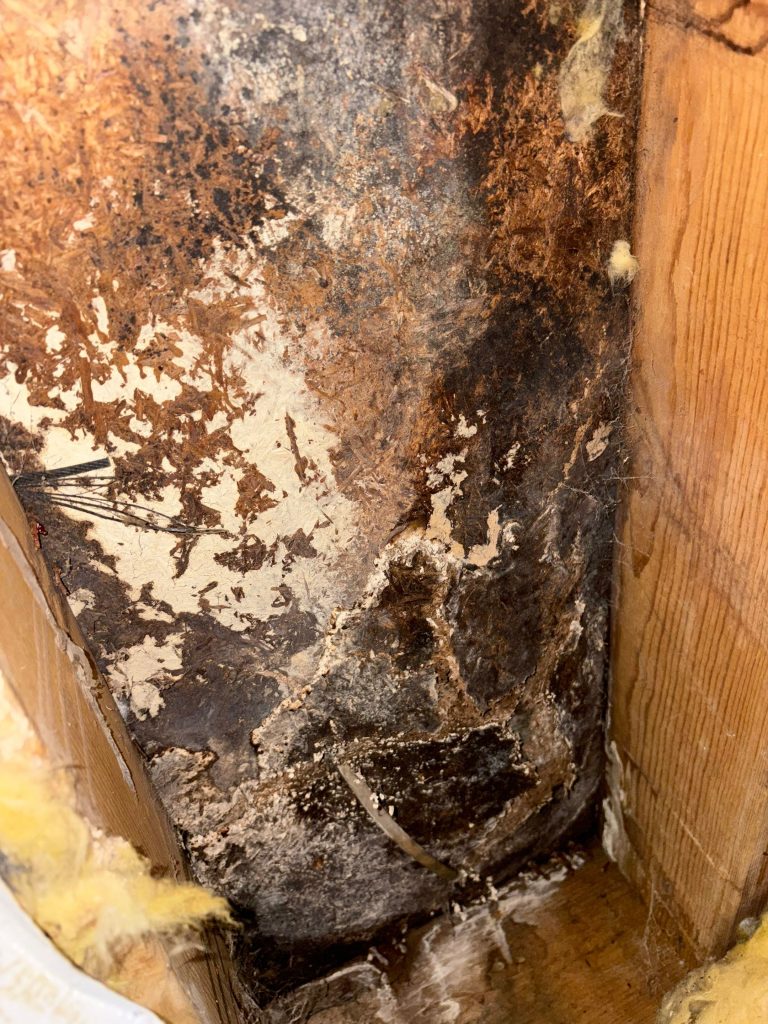
Moisture affects wood in visible ways. Floor joists and beams may show dark staining, soft spots when pressed, or visible fungal growth. Advanced rot makes wood spongy and weak. Insulation between floor joists may sag or fall away entirely when saturated with moisture. These problems often develop slowly but eventually compromise structural integrity.
Odors Entering Living Spaces
A musty, earthy smell represents one of the earliest warnings most homeowners notice. This odor comes from mold, mildew, and bacteria growing in moist conditions. Air from crawl spaces rises into living areas through the stack effect and various penetrations, carrying these odors throughout your home. The smell often intensifies during humid weather or after rain.
Floor Problems
Hardwood floors over crawl spaces cup, warp, or develop gaps when exposed to moisture from below. Carpet and padding may feel damp or develop mildew odors. Floors might feel cold even with insulation below, as moisture reduces insulation effectiveness. Vinyl or laminate flooring can bubble or separate at seams.
Increased Pest Activity
Moisture attracts pests that thrive in damp environments. Termites, carpenter ants, cockroaches, silverfish, and even rodents seek out moisture sources. If you notice increased pest activity, particularly near floors or in rooms above the crawl space, moisture likely created attractive conditions. Termite mud tubes on foundation walls or wooden supports signal both pests and the moisture that drew them.
Health Symptoms
Family members may develop or experience worsening allergy symptoms, asthma attacks, or respiratory irritation. Mold spores and bacteria from damp crawl spaces circulate through your home’s air. Children, elderly family members, and people with compromised immune systems face greater health risks from these contaminants.
How Does Moisture Damage Affect Fort Wayne Homes?
Understanding damage mechanisms shows why prompt moisture control protects your investment.
Progressive Structural Deterioration
Wood loses strength gradually as it absorbs moisture. Water content above 20% allows wood rot fungi to colonize and digest the wood’s structure. Floor joists become soft and unable to support weight. Support posts weaken and compress. This deterioration often goes unnoticed until floors begin sagging or other obvious problems appear. By then, expensive structural repairs may be necessary.
Foundation Weakening
Moisture attacks concrete foundations in multiple ways. Water penetrates concrete pores, and freeze-thaw cycles during Fort Wayne winters cause the water to expand, creating cracks and surface damage called spalling. Minerals in water can react with concrete, slowly dissolving binding compounds. Over years, these processes weaken foundations and create more entry points for water.
Mold and Indoor Air Quality
Mold spores are everywhere, but they only grow when they find moisture and organic material. Crawl spaces with elevated humidity provide perfect conditions. Mold spreads across wood surfaces, insulation, stored items, and even concrete. Some species produce mycotoxins that affect health. Since approximately half your home’s air originates from the crawl space, mold growth below impacts air quality throughout your living spaces.
Energy Efficiency Loss
Moisture dramatically reduces insulation performance. Wet fiberglass insulation loses R-value and eventually falls away from floor joists, leaving areas completely uninsulated. Your HVAC system works harder to maintain comfortable temperatures, increasing energy bills. Unsealed, moisture-laden crawl spaces also allow outside air infiltration, further reducing efficiency.
Property Value Impact
Home inspectors specifically check crawl spaces for moisture problems. Buyers often walk away or negotiate significant price reductions when moisture issues surface. Even after remediation, disclosure requirements mean past problems can affect sales. Severe moisture damage visible during showings immediately reduces buyer interest and property value.
What Solutions Work Best for Fort Wayne Crawl Space Moisture?
Effective moisture control requires comprehensive approaches tailored to your specific situation.
Professional Moisture Evaluation
Before implementing solutions, understand exactly what’s causing moisture in your crawl space. Professional evaluations use moisture meters to measure water content in materials, humidity monitors to track conditions over time, and sometimes thermal imaging to reveal hidden moisture patterns. This diagnostic approach ensures you address actual causes rather than guessing.
High-Quality Vapor Barrier Installation
Vapor barriers prevent ground moisture from evaporating into crawl space air. Professional installations use thick polyethylene (10 to 20 mil) rather than thin plastic sheeting. Proper technique overlaps all seams by at least six inches and seals them with specialized waterproof tape. The barrier extends up foundation walls and attaches securely, creating continuous protection without gaps.
Comprehensive Drainage Solutions
Exterior drainage directs water away from your foundation before it can enter your crawl space. This includes proper grading with soil sloping away from your home at least 6 inches over the first 10 feet. Functional gutters sized appropriately for your roof area must connect to downspouts extending at least 6 feet from your foundation. Some properties need French drains or curtain drains to intercept groundwater before it reaches the foundation.
Interior Water Management
When exterior drainage can’t handle all moisture or groundwater pressure is high, interior systems provide additional protection. Sump pumps collect water in basins and pump it away from your foundation. Battery backup systems ensure continued protection during power outages that often accompany severe storms. Proper installation includes check valves preventing backflow and alarm systems alerting you to failures.
Crawl Space Dehumidification
Even with excellent barriers and drainage, ambient humidity requires management. Crawl space dehumidifiers designed specifically for these environments operate efficiently in cooler temperatures and handle high moisture loads. Properly sized units maintain humidity below 60%, preventing mold growth and protecting building materials. Many models include automatic drainage and humidity controls.
Foundation Crack Repair
Cracks in foundation walls or floors provide direct paths for water entry. Small cracks can be filled with hydraulic cement or flexible polyurethane sealants. Larger structural cracks may require professional repair with carbon fiber reinforcement or wall anchors. Addressing foundation damage prevents future moisture problems and maintains structural integrity.
Complete Crawl Space Encapsulation
Encapsulation represents the most comprehensive moisture solution. This process seals your crawl space from outside air and ground moisture, creating a controlled environment. Complete encapsulation includes heavy vapor barriers on all surfaces, sealing all vents and openings, insulating foundation walls, installing dehumidification, and sometimes conditioning the space with your HVAC system. The result is consistently dry conditions that protect your home year-round.
Should Fort Wayne Homeowners Invest in Full Encapsulation?
Understanding encapsulation helps you make informed decisions about protecting your home.
What Encapsulation Provides
Full encapsulation creates a sealed, controlled environment isolated from outside moisture sources. By closing vents and creating an airtight space, you eliminate humid outside air. Foundation wall insulation moves the thermal boundary from your floor to the foundation, improving overall home efficiency. Proper dehumidification maintains ideal humidity regardless of external weather.
Cost Considerations
Complete encapsulation typically costs $5,000 to $15,000 depending on crawl space size, existing conditions, and necessary repairs. While this represents significant investment, consider the alternative costs: structural repairs from moisture damage often exceed $10,000, mold remediation runs $2,000 to $6,000, and energy waste from poor crawl space conditions adds hundreds annually to utility bills.
Long-Term Value and Benefits
Beyond moisture control, encapsulation provides multiple benefits. Lower energy bills typically save 10% to 20% on heating and cooling costs. Improved indoor air quality protects family health. The sealed environment discourages pests. Clean, dry crawl spaces can provide additional storage. Many homeowners report warmer floors in winter and improved overall home comfort.
When Partial Solutions Make Sense
Not every crawl space requires full encapsulation. Homes with minor moisture issues, good exterior drainage, and no history of significant problems may do well with vapor barriers and improved drainage. However, monitor conditions carefully after partial solutions. If moisture persists or returns, upgrading to complete encapsulation often proves more economical than ongoing repairs.
Fort Wayne Climate Factors
Northeast Indiana’s combination of clay soil, seasonal precipitation, summer humidity, and freeze-thaw cycles creates challenging conditions for crawl spaces. These factors favor comprehensive solutions over minimal approaches. Encapsulation provides robust protection against all these challenges simultaneously, making it particularly effective for Fort Wayne homes.
A Real Story from Fort Wayne: The Hendersons’ Preventable Crisis
Mark and Jennifer Henderson bought their home in Fort Wayne’s Waynedale neighborhood five years ago. The split-level home, built in the 1970s, had been well-maintained by its previous owners. The home inspection noted the crawl space had some moisture but nothing requiring immediate attention. The Hendersons planned to address it eventually but focused first on updating the kitchen and bathrooms.
Three years passed quickly with work, raising two kids, and normal home maintenance. Then during a particularly rainy spring, Jennifer noticed a musty smell in their family room. “At first, I thought maybe we needed to clean the carpets,” she remembered. “But the smell kept getting stronger.”
Mark finally decided to check the crawl space, something he had avoided. What he found shocked him. Several inches of standing water covered large sections of the crawl space floor. Insulation hung in wet, moldy strips between floor joists. Two main support beams showed soft spots where he could easily push his thumb into the wood. Mold covered much of the visible wood surface.
“I realized we had ignored a problem that was literally destroying our home’s foundation,” Mark said. “The guilt was overwhelming. We had the money to fix it earlier but kept putting it off.”
They immediately called PuroClean Disaster Restoration of West Fort Wayne at (260) 263-9788. The assessment revealed extensive problems that had developed over several years. The home’s gutters were undersized for the roof area and frequently overflowed during heavy rain, directing thousands of gallons of water against the foundation. Grading had settled near one corner of the house, creating a depression where water pooled. The crawl space had minimal ventilation and no vapor barrier, creating perfect conditions for moisture accumulation.
The damage required significant remediation. PuroClean removed all contaminated insulation and treated extensive mold growth. Two support beams needed replacement, along with several floor joists showing rot. The team then installed a comprehensive moisture control system including a heavy-duty vapor barrier, sealed crawl space vents, proper dehumidification, and exterior drainage improvements. The work took nearly two weeks and cost substantially more than it would have if addressed years earlier.
“The worst part was learning that if we had dealt with this when we first bought the house, it would have cost maybe $3,000 to $4,000,” Jennifer reflected. “Instead, we spent over $15,000 because we let it go. The structural damage alone was $8,000.”
The experience taught the Hendersons valuable lessons about homeownership. “We thought we were being smart by prioritizing visible improvements,” Mark said. “But the truth is, you have to protect your home’s structure first. Everything else sits on that foundation.”
Now the Hendersons check their crawl space quarterly. They monitor the dehumidifier monthly and keep detailed maintenance records. They’ve shared their experience with neighbors and friends. “If our story prevents even one family from making the same mistake, then something good came from it,” Jennifer added.
Their situation illustrates a common pattern in Fort Wayne. Moisture problems develop slowly and hide out of sight. By the time obvious signs appear in living spaces, significant damage often exists below. Early intervention costs a fraction of what delayed repairs require, both financially and in stress.
How Can You Prevent Crawl Space Moisture in Fort Wayne?
Prevention protects your home and costs far less than remediation.
Create a Maintenance Schedule
Develop a regular inspection routine matched to Northeast Indiana’s seasons. Spring inspections after snowmelt check for winter damage and verify drainage handles heavy rainfall. Summer checks ensure dehumidifiers function properly during humid months. Fall provides ideal conditions for repairs before winter. Winter inspections confirm systems operate during freezing weather.
Maintain Gutters and Downspouts
Clean gutters at least twice annually, more often if you have many trees nearby. Inspect for leaks at seams, loose hangers, and proper slope toward downspouts. Extend downspouts at least 6 feet from your foundation using underground drains or splash blocks. This simple maintenance prevents thousands of gallons from saturating soil around your foundation.
Monitor and Maintain Grading
Check grading around your foundation annually. Soil settles over time, especially in the first few years after construction or landscaping. Add and properly slope soil to maintain drainage away from your home. Avoid deep mulch against foundations, as it holds moisture against walls. Keep plantings at least 3 feet from foundations to allow air circulation.
Perform Regular Crawl Space Inspections
Enter your crawl space at least twice yearly if possible. Look for standing water, new cracks, water stains, or changes in conditions. Verify vapor barriers remain intact and properly positioned. Check that dehumidifiers run correctly and collect water. Take dated photos during each inspection to document conditions and track changes over time.
Install and Monitor Humidity Controls
Place a humidity monitor in your crawl space and check readings regularly. Many modern monitors connect to smartphone apps for easy monitoring. Humidity consistently above 60% requires investigation. Sudden spikes indicate acute problems like plumbing leaks or drainage failures requiring immediate attention.
Address Problems Promptly
When you notice signs of moisture, investigate and address them immediately. Small problems caught early cost little to fix. Delayed response allows damage to accumulate, turning minor issues into major expenses. Even if you’re not sure what’s causing moisture, professional assessment clarifies the situation and guides appropriate action.
What Should You Look for When Hiring a Crawl Space Professional?
Choosing the right contractor ensures effective, lasting solutions.
Local Experience and Knowledge
Look for contractors with extensive Fort Wayne experience who understand local soil conditions, weather patterns, and common construction practices in Northeast Indiana. They should recognize challenges specific to your neighborhood and recommend solutions proven effective in similar situations.
Proper Licensing and Insurance
Verify the contractor holds appropriate licenses for your area and carries adequate liability insurance and workers compensation. This protects you from liability if workers are injured and ensures recourse if work doesn’t meet standards. Reputable companies provide proof of insurance and licensing without hesitation.
Thorough Assessment Process
Quality professionals inspect your property comprehensively before recommending solutions. Be cautious of contractors who quote prices without detailed inspection or push specific solutions before understanding your situation. Good assessment includes crawl space inspection, exterior drainage evaluation, moisture testing, and documentation with photos or video.
Clear Communication and Education
The right contractor explains what they find, why problems developed, and how proposed solutions address specific issues. They should answer questions patiently and help you understand options without pressure tactics. You should feel informed and confident about the proposed approach.
Written Estimates and Contracts
Obtain detailed written estimates specifying all work, materials, costs, and timelines. Contracts should clearly state what’s included, payment schedules, start and completion dates, and warranty information. Never accept verbal agreements or work without written documentation.
Warranties and Follow-Up
Quality companies stand behind their work with warranties covering both materials and labor. Ask about warranty duration and what it covers. Inquire about follow-up inspections and whether they’re included in the initial cost. Companies confident in their solutions willingly provide ongoing support.
References and Reviews
Request recent customer references with similar problems. Check online reviews on multiple platforms, looking for patterns in feedback. Strong reputations build over time through consistent quality work and customer satisfaction. Don’t rely solely on a single review source.
For Fort Wayne homeowners, PuroClean Disaster Restoration of West Fort Wayne brings specialized expertise in moisture control and restoration. Their team understands the specific challenges Northeast Indiana homes face and provides solutions proven effective in this climate.
How Do Fort Wayne’s Seasons Affect Crawl Space Moisture?
Understanding seasonal patterns helps you anticipate and prevent problems.
Spring Moisture Challenges
Spring combines snowmelt with frequent rainfall, creating the year’s highest moisture loads. Groundwater levels rise, saturating soil around foundations. This is when drainage systems face their greatest test and when poorly protected crawl spaces often experience their worst moisture intrusion. Spring offers the best time to identify drainage deficiencies and plan improvements.
Summer Humidity Problems
Fort Wayne summers bring high humidity, often exceeding 70% relative humidity. This humid outside air enters vented crawl spaces and condenses on cool foundation walls, ductwork, and other surfaces. Even crawl spaces without water intrusion develop moisture problems from humidity alone during summer months. Proper dehumidification becomes critical during this season.
Fall Preparation Window
Fall’s mild, drier conditions provide ideal opportunities for crawl space work. Contractors work efficiently, materials cure properly, and you have time to complete projects before winter. Fall represents the best season to address problems discovered during summer or to prepare crawl spaces for upcoming winter challenges.
Winter Freeze-Thaw Damage
Fort Wayne winters alternate between freezing and thawing temperatures. Water in soil and concrete expands when frozen and contracts when thawed. This cycle creates new foundation cracks and worsens existing ones. Crawl spaces with marginal moisture control often develop new problems as freeze-thaw damage creates additional water entry points.
Frequently Asked Questions
How much does crawl space repair cost in Fort Wayne?
Costs depend on your crawl space size, problem severity, and chosen solutions. Basic vapor barrier installation ranges from $1,500 to $3,000 for typical crawl spaces. Adding drainage improvements and dehumidification brings costs to $3,000 to $6,000. Complete encapsulation with structural repairs can reach $8,000 to $15,000. PuroClean Disaster Restoration of West Fort Wayne provides free assessments and detailed estimates tailored to your specific situation.
Can I install a vapor barrier myself?
DIY vapor barrier installation is possible if you’re comfortable working in confined spaces and have basic construction skills. However, proper installation requires attention to detail: correctly overlapping seams, using appropriate tape, extending material up walls, and sealing around all penetrations. Poorly installed barriers can trap moisture rather than preventing it. For homes with existing moisture damage or structural concerns, professional installation ensures effective results.
How long does crawl space remediation take?
Timeline varies based on damage extent and chosen solutions. After stopping active water intrusion, expect 3 to 8 weeks for the space to reach stable humidity with proper dehumidification. Physical work like vapor barrier installation typically takes 1 to 3 days. Complete encapsulation requires 2 to 5 days. Structural repairs add time depending on damage severity. Professional service with industrial equipment significantly accelerates drying.
Will homeowners insurance cover crawl space moisture damage?
Coverage depends on what caused the damage and your specific policy. Insurance typically covers sudden, accidental damage like burst pipes but excludes gradual damage from long-term moisture or maintenance neglect. Flood damage requires separate flood insurance. Document problems promptly and review your policy carefully. Professional assessment documentation from companies like PuroClean helps support insurance claims.
How often should I check my Fort Wayne crawl space?
Inspect at least twice yearly, ideally in spring after winter and fall before cold weather arrives. Check after major storms or if you notice warning signs like musty odors, floor problems, or increased pest activity. Monthly humidity monitoring with a simple gauge provides early problem detection. Regular attention catches small issues before they become expensive disasters.
What humidity level is safe for crawl spaces?
Maintain crawl space humidity between 40% and 60% for optimal conditions. Humidity consistently above 60% allows mold growth and wood damage. Above 70% creates severe problems rapidly. Below 40% is unnecessarily dry and wastes dehumidifier energy. Proper dehumidifiers maintain this range automatically once set to your target level.
Should I close my crawl space vents?
Modern building science recommends sealed crawl spaces with controlled humidity for climates like Northeast Indiana. Traditional vented crawl spaces bring humid outside air that condenses on cool surfaces, often worsening moisture problems. Sealed crawl spaces with vapor barriers and dehumidifiers maintain consistent, dry conditions year-round. If your crawl space has vents and moisture problems, converting to a sealed system typically provides better results.
How do I know if I need encapsulation or just drainage improvements?
This depends on your specific moisture sources and home conditions. Persistent humidity despite good exterior drainage suggests encapsulation provides better control. Homes in flood-prone areas or with high water tables benefit from comprehensive encapsulation. If you only experience occasional moisture from poor drainage during heavy rain, improving drainage and adding a vapor barrier might suffice. Professional assessment clarifies which approach best suits your situation.
Conclusion
Crawl space moisture threatens Fort Wayne homes through structural damage, poor indoor air quality, and reduced property value. However, understanding causes and implementing appropriate solutions protects your investment and your family’s health. Whether addressing existing problems or preventing future issues, taking action now prevents far more expensive repairs later.
Fort Wayne’s clay soil, seasonal precipitation, summer humidity, and freeze-thaw cycles create ongoing moisture challenges. Modern moisture control solutions effectively manage these challenges when properly designed and installed for your specific situation. The key is acting before minor moisture becomes major damage.
Don’t wait until moisture causes obvious problems to your home or health concerns for your family. Professional assessment identifies your specific moisture sources and recommends the most effective, cost-efficient solutions tailored to Northeast Indiana conditions.
PuroClean Disaster Restoration of West Fort Wayne specializes in crawl space moisture control for Fort Wayne area homes. Their experienced team understands local challenges and provides proven solutions that protect your home year-round.
Call PuroClean Disaster Restoration of West Fort Wayne today at (260) 263-9788 for a comprehensive crawl space moisture assessment. Their team will evaluate your situation, explain all available options, and create a customized plan to make your crawl space dry, healthy, and protected for years to come.

 PuroClean Disaster Restoration of West Fort Wayne