 PuroClean Disaster Restoration of West Fort Wayne
 Executive Summary
Fort Wayne homeowners face unpredictable weather patterns bringing severe thunderstorms, damaging winds, heavy rain, and occasional tornadoes that can destroy property within minutes. This comprehensive emergency recovery checklist provides the critical actions you must take immediately following storm damage to protect your family, preserve your property, and maximize insurance coverage. You’ll learn the essential safety checks required before entering damaged areas, the proper documentation techniques that prevent claim denials, when to call professional restoration services, and the common mistakes that turn manageable damage into financial disasters. Whether confronting roof destruction, flooding, structural damage, or power outages, this guide ensures you take the right steps at precisely the right time.
The lightning had been relentless for over an hour. Jennifer Patterson huddled in her Fort Wayne basement with her two children while the storm raged overhead. When silence finally came, she emerged to find her kitchen ceiling collapsed, water pouring through light fixtures, and her back door blown completely off its hinges. Her first instinct was to call a handyman friend who could patch things quickly and cheaply. That decision almost cost her everything. Three weeks later, mold had spread throughout her walls, the insurance company was disputing her claim due to delayed professional assessment, and repair costs had tripled. She eventually hired PuroClean, but the lesson was expensive: the actions you take in the first hours after storm damage determine whether you face quick recovery or prolonged disaster.
What life safety checks must I complete before assessing storm damage?
Your family’s immediate safety outweighs all property concerns. Before evaluating any damage, conduct these critical safety assessments that could save lives.
Account for every family member and pet immediately. Severe storms create multiple hazards including flying debris, broken glass, and collapsing structures that cause injuries. Check everyone thoroughly for cuts, bruises, or trauma requiring medical attention. Even seemingly minor injuries need prompt care to prevent infections.
Evaluate structural stability before entering any damaged areas. Look carefully for sagging or bowed ceilings indicating accumulated water or compromised structural supports. Examine walls for cracks, bulges, or tilting. Check whether doors and windows operate normally, as frames that bind or gap signal foundation shifts or wall movement.
Detect gas leaks through smell and sound. Natural gas carries a distinctive sulfur odor resembling rotten eggs. Listen for hissing sounds indicating leaking pipes. If you detect either warning sign, evacuate your home immediately without stopping to gather belongings. Do not use electronics, light switches, or phones inside the home. Call your gas company and 911 from outside and upwind of your property.
Identify electrical hazards throughout damaged areas. Look for exposed wiring, sparking outlets, burning smells, or scorch marks near electrical panels. Water conducts electricity, creating deadly conditions when flooding combines with damaged electrical systems. If you observe any electrical concerns, shut off power at your main breaker only if you can access it safely without crossing wet areas or touching water.
Assess all standing water carefully before contact. Floodwater may be electrically charged from submerged outlets or damaged wiring. It often contains sewage, chemicals, bacteria, and other contaminants. Never wade through water deeper than your ankles. Even shallow water can conceal sharp debris, unstable flooring, or submerged hazards.
Examine structural access routes for safety. If your home shows obvious structural damage like collapsed walls, fallen ceiling sections, or compromised floors, do not enter those spaces. Use barrier tape or furniture to block access, keeping all family members away until professional structural engineers evaluate stability.
Check for carbon monoxide dangers if you’re using generators, grills, or camping equipment for temporary power or cooking. These devices produce deadly carbon monoxide gas that accumulates in enclosed spaces. Use generators outside, at least 20 feet from your home. Install battery-operated carbon monoxide detectors immediately if yours are not functioning.
How do I document storm damage to ensure full insurance coverage?
Insurance companies receive thousands of claims after major storm events. Thorough, systematic documentation separates claims receiving full payment from those facing reductions or denials based on insufficient evidence.
Begin documentation immediately while damage remains fresh and obvious. Water stains darken within hours, making them appear older. Debris gets cleared away. Wind damage becomes less apparent as temporary repairs are made. Starting your documentation process immediately preserves the clearest possible evidence.
Start exterior documentation from the street level. Photograph your entire property from multiple angles capturing roof damage, missing shingles, damaged siding, broken windows, downed trees, scattered debris, and fence destruction. Include neighboring properties to establish widespread storm impact throughout your area. These contextual photos prove storm severity and counter insurance arguments about isolated damage.
Create systematic interior documentation proceeding room by room. Stand in each doorway photographing the entire room to show overall damage patterns and affected areas. Then methodically move through each space capturing close-up photographs of every damaged surface, item, fixture, and structural element. Photograph identical damage from multiple angles providing different perspectives.
Record comprehensive video walkthroughs supplementing still photography. Walk slowly through your home speaking clearly into your camera, narrating what you observe. Describe water sounds like dripping or rushing. Explain structural concerns you notice. Detail the timeline of when you discovered each area of damage. State the current date, time, and existing weather conditions. This video evidence provides context that still images cannot capture.
Document hidden areas that suffered damage but remain out of sight. Open every closet door photographing contents and walls. Check beneath sinks for water damage. Inspect attics for roof leaks and insulation saturation. Examine crawl spaces or basements for flooding or foundation cracks. Insurance adjusters sometimes miss these concealed areas during initial inspections, and your documentation ensures they’re not overlooked.
Create detailed written inventories of every damaged possession. List each item’s name, brand, model number when applicable, approximate age, original purchase price, and current damaged condition. Include damaged clothing, electronics, furniture, appliances, tools, decorative items, and personal belongings. Many homeowners overlook numerous smaller items that collectively represent thousands of dollars in value.
Preserve physical evidence when safe and practical to do so. Keep samples of damaged materials including roof shingles, siding pieces, broken tiles, or window fragments. Bag severely damaged items rather than immediately discarding them, particularly those with significant value. Your insurance adjuster must verify losses, and preserved evidence supports your documented claims.
Contact your insurance company within 24 hours regardless of how minor or extensive damage appears. Most policies specifically require prompt notification. Delays in reporting can complicate claim processing or provide insurance companies grounds for partial or complete denial. Request your claim number, assigned adjuster contact information, and company-specific documentation requirements during this initial call.
Follow up your phone notification with written communication. Email your insurance company confirming your claim, including your claim number, a brief damage description, and your contact information. This creates a documented paper trail proving timely notification.
When does storm damage require immediate professional restoration?
Certain storm damage situations demand immediate professional intervention while others allow brief delays for assessment and planning. Understanding this critical distinction protects your property from escalating damage and prevents secondary disasters.
Active water intrusion requires immediate professional response without any delay. Every hour that water continues flowing into your home multiplies total damage exponentially. Fort Wayne’s humid climate creates ideal mold growth conditions within just 24 to 48 hours of water exposure. Professional water extraction and structural drying prevent secondary disasters that often cost more than original storm damage.
Roof compromise exposing your home’s interior demands emergency professional service. Even if current weather conditions are clear, forecast changes or unexpected rain events cause additional destruction to already vulnerable areas. Emergency tarping services provide temporary protection while permanent roof repairs are scheduled and completed.
Structural damage including sagging roofs, bowing walls, cracked foundations, or compromised support beams necessitates immediate professional assessment. These dangerous conditions can deteriorate suddenly, creating catastrophic failures without warning. Evacuate all affected areas and contact structural specialists immediately for emergency evaluation.
Sewage backup or contaminated flooding requires specialized professional restoration. This category three water contains dangerous bacteria, viruses, pathogens, and toxic chemicals. Professional restoration teams possess proper protective equipment, specialized cleaning agents, EPA-approved disinfectants, and proper disposal procedures that protect your family’s health.
Electrical system damage showing exposed wiring, repeated circuit breaker trips, sparking, or burning smells requires immediate professional electrician evaluation combined with restoration services. The combination of water damage and electrical hazards creates potentially lethal conditions requiring expert handling.
Widespread damage affecting multiple rooms, floors, or building systems benefits significantly from professional coordination. Restoration companies manage entire projects from initial emergency response through final reconstruction. This comprehensive approach prevents gaps in repair coverage, ensures compatible materials and methods across all repairs, and provides single-point accountability.
Fort Wayne area residents experiencing any emergency storm damage conditions should contact PuroClean Disaster Restoration of West Fort Wayne immediately. Their certified response teams operate 24 hours daily, seven days weekly, arriving equipped with industrial-grade equipment and comprehensive expertise to stabilize your property, prevent additional damage, and begin systematic restoration.
What temporary emergency measures can homeowners safely implement?
While awaiting professional restoration services, certain protective actions reduce additional damage without compromising your safety or jeopardizing insurance coverage. However, knowing your limitations prevents injuries and preserves claim validity.
Tarp exposed roof areas only if you can access them safely from inside your attic space. Never climb onto storm-damaged roofing, particularly when surfaces remain wet or unstable. Use heavy-duty tarps specifically rated for outdoor exposure. Secure tarp edges with lumber and weights rather than nails that create additional penetrations. If you cannot safely access damaged areas from inside, wait for professional emergency tarping services.
Contain active leaks using buckets, large containers, and absorbent towels. Empty collection containers frequently, establishing a regular rotation schedule if multiple leaks exist throughout your home. Place thick towels around container bases to absorb splashes and prevent water damage from spreading across floors.
Move valuable possessions away from affected areas immediately to prevent additional damage. Elevate furniture pieces on wooden blocks or bricks if standing water threatens. Remove electronics, important documents, family photos, and irreplaceable items to dry, secure locations away from damage. Take area rugs outside to air dry in sunlight. Move upholstered furniture out of wet spaces quickly before moisture penetrates deep into padding where it promotes mold growth.
Increase ventilation and airflow throughout affected areas if weather conditions permit. Open windows and exterior doors to reduce indoor humidity levels. Position household fans to blow air across wet surfaces, but only after confirming absolutely no electrical hazards exist in those areas. Increased airflow significantly slows mold development while you arrange professional structural drying services.
Remove standing water using appropriate equipment designed for water extraction. Wet-dry shop vacuums work effectively for small to moderate water volumes. Work systematically from the furthest point backward toward your exit route. Never use standard household vacuums on standing water as this creates serious electrical shock and fire hazards.
Protect undamaged areas from spreading contamination or damage. Close doors to contain destruction within affected rooms. Install plastic sheeting barriers where damaged walls or ceilings might leak into adjacent unaffected spaces. Strategic containment limits total damage area and reduces overall restoration costs.
Document every temporary repair measure and emergency action you implement. Photograph protective tarps showing installation method. Photograph water extraction efforts and equipment used. Photograph moved belongings and their new locations. Save all receipts for materials purchased during emergency response including tarps, lumber, containers, or cleaning supplies. Insurance policies typically reimburse reasonable emergency mitigation costs when properly documented.
What critical mistakes worsen storm damage outcomes?
Even experienced homeowners frequently make serious errors during the stress and chaos immediately following severe storms. Avoiding these common mistakes protects both your property value and insurance coverage validity.
Never delay insurance company notification while you gather contractor estimates or assess total costs. Insurance policies explicitly require prompt reporting, typically within 24 to 48 hours of discovering damage. Many homeowners mistakenly wait to contact insurers until they understand full repair costs, but this delay often results in partial or complete claim denials. Call immediately regardless of damage scope or uncertainty about extent.
Don’t discard or dispose of damaged items, materials, or belongings before your insurance adjuster completes inspection. Insurance companies must verify losses before approving claim payments. Throwing away damaged property eliminates crucial evidence supporting your claim. If damaged items pose immediate health hazards, bag and clearly label them but retain them available until your adjuster specifically releases you to dispose of them.
Avoid making permanent structural repairs before receiving explicit insurance approval. Emergency measures preventing additional damage are appropriate and typically covered. However, replacing entire roofing systems, installing new flooring, or rebuilding walls before adjuster approval may result in coverage denial. Insurance companies might argue you repaired pre-existing damage or completed unnecessary work beyond actual storm damage.
Never sign contracts with storm-chasing contractors who knock on doors immediately after severe weather events. These opportunistic operators specifically target disaster areas, frequently provide substandard work, demand large upfront deposits, use inferior materials, and often disappear completely when problems arise or final payments come due. Verify all contractors thoroughly through state licensing boards, insurance verification, and established local references before signing any agreement.
Don’t assume visible surface damage represents total actual damage. Water travels through wall cavities, beneath flooring systems, and into insulation materials. A small ceiling stain might indicate extensive hidden destruction. Professional moisture detection equipment including infrared cameras and pin-type meters reveals problems completely invisible to homeowners. Insufficient repairs based on surface observation leave hidden moisture that causes mold growth, wood rot, and progressive structural deterioration.
Failing to properly address moisture and humidity creates expensive mold remediation disasters. Simply removing visible standing water does not solve water damage problems. Elevated moisture content in building materials, insulation, and structural components must be reduced to normal dry levels. This requires industrial dehumidifiers and high-velocity air movers running continuously for multiple days. Attempting to save money by skipping professional structural drying inevitably costs far more when extensive mold remediation becomes necessary weeks later.
How should I effectively navigate the insurance claim process?
Insurance claims following major storms involve complex procedures, extensive documentation requirements, and often contentious negotiations with adjusters. Strategic approaches maximize your settlement amount and accelerate resolution.
Review your complete insurance policy immediately after damage occurs. Thoroughly understand your coverage limits, deductible amounts, and specific exclusions. Determine whether you carry replacement cost coverage or actual cash value coverage, as this significantly impacts settlement amounts. This policy knowledge helps you set realistic expectations and identify potential coverage gaps requiring attention.
Document every communication with your insurance company meticulously throughout the entire claim process. Maintain detailed records of every phone conversation including date, time, representative name, topics discussed, and any commitments made. Follow up all verbal conversations with email confirmations summarizing discussions and agreements. This comprehensive paper trail proves invaluable if disputes arise during claim processing.
Prepare thoroughly for your insurance adjuster’s inspection visit. Create detailed written inventories of all damaged property before the adjuster arrives. Use bright tape or markers to clearly identify all damaged areas ensuring nothing gets overlooked. Personally accompany your adjuster during the complete inspection, pointing out every area of damage and asking specific questions about coverage for each item.
Understand that initial damage estimates frequently lowball actual damage extent and necessary repair costs. Insurance adjusters work within company guidelines and cost parameters that may not reflect true local repair costs. If you believe their estimate significantly undervalues actual damage or repair needs, obtain multiple independent assessments from licensed local contractors. Your policy almost certainly includes provisions for dispute resolution if you disagree with adjuster findings.
Consider hiring a licensed public adjuster for extensive or complex damage situations. These professionals work exclusively for you, not insurance companies. Public adjusters thoroughly document damage, prepare comprehensive claims, and negotiate settlements on your behalf. They typically charge percentages of final settlements but often increase total payouts far beyond their fees through superior documentation and negotiation.
Don’t automatically accept initial settlement offers if they appear inadequate for complete repairs. Insurance companies expect negotiation and often make conservative opening offers. If legitimate documented reasons support higher repair costs, provide comprehensive supporting documentation and formally request adjustment. Replacement cost policies require completing actual repairs before receiving full depreciation payments, while actual cash value policies settle immediately but deduct depreciation from replacement costs.
Maintain detailed records of all expenses directly related to storm damage. Include emergency repair materials, temporary housing costs if displacement occurs, restaurant meals if your kitchen is unusable, storage unit rental for displaced belongings, and any other reasonable costs. Many policies provide additional living expense coverage if storm damage renders your home temporarily uninhabitable. Submit these costs for reimbursement with complete supporting documentation.
What does comprehensive professional storm damage restoration include?
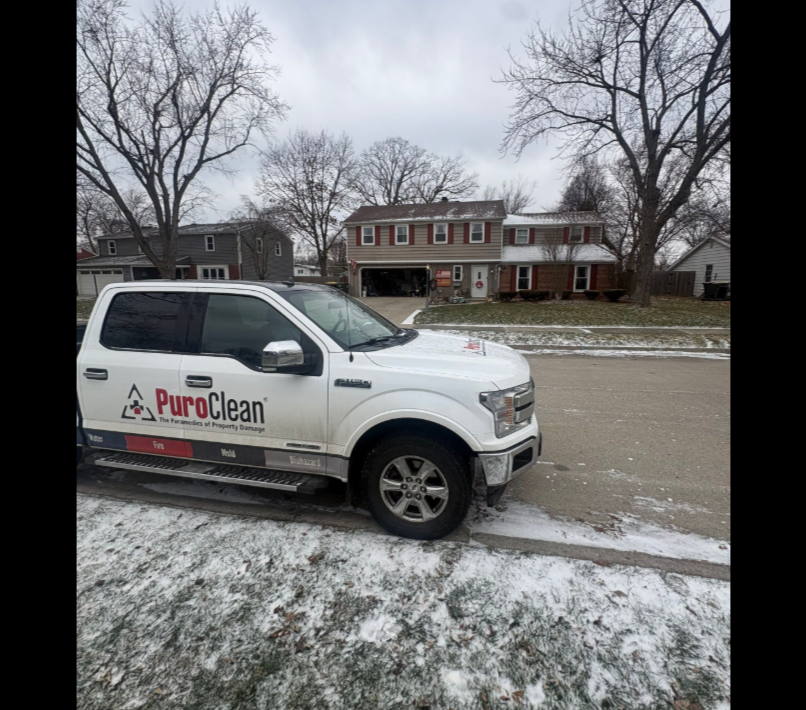
Professional damage restoration involves multiple distinct specialized phases, each requiring specific expertise, certification, and industrial equipment. Understanding the complete restoration process helps you properly evaluate restoration companies and set realistic timeline expectations.
Emergency response services begin immediately upon your initial contact. Professional teams arrive fully equipped to prevent additional damage through emergency roof tarping, board-up services securing broken windows and doors, and immediate water extraction from flooded areas. This critical initial stabilization protects your property from continued destruction while comprehensive assessment and planning occur.
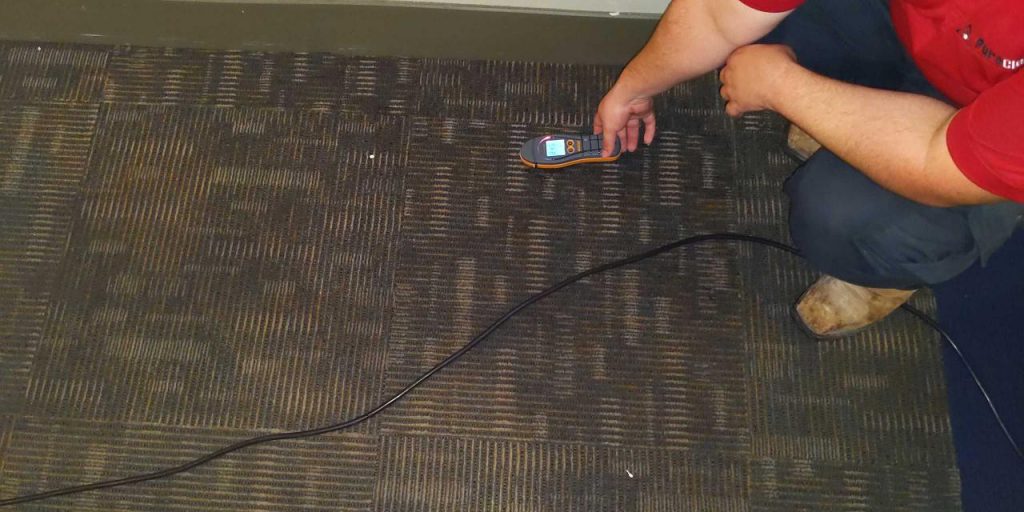
Comprehensive damage assessment employs specialized detection equipment including thermal imaging cameras that detect hidden moisture behind walls, pin-type and pinless moisture meters measuring water content in building materials, and digital hygrometers monitoring ambient humidity levels. Certified technicians systematically map all affected areas throughout your property, identifying damage not visible during standard visual inspections.
Water extraction and structural drying continues until moisture readings return to normal pre-damage baseline levels throughout all affected materials. Industrial-grade equipment including truck-mounted or portable extractors, commercial dehumidifiers, and high-velocity air movers operate continuously for three to seven days on average. Technicians monitor drying progress through daily moisture readings, adjusting equipment placement and settings to optimize drying efficiency.
Content restoration addresses your damaged furniture, belongings, and possessions. Specialized cleaning techniques restore furniture, electronics, documents, photographs, and personal items. Contents beyond economical restoration receive detailed documentation including photographs, descriptions, and professional value assessments for insurance claim purposes. Successfully restored contents return to you professionally cleaned, deodorized, and ready for immediate use.
Structural repairs begin after complete drying and formal insurance scope approval. Damaged drywall, saturated insulation, warped flooring, and compromised structural framing receive professional repair or complete replacement. Roofing work proceeds according to material availability and favorable weather conditions. Licensed electricians and plumbers perform necessary repairs to damaged systems.
Final restoration phase returns your entire home to pre-loss condition through comprehensive reconstruction. This includes professional painting, trim carpentry and installation, flooring completion, fixture mounting, final cleaning, and detailed quality inspections. Reputable restoration contractors conduct thorough final walkthroughs with homeowners, ensuring every element meets quality standards and homeowner satisfaction before considering projects complete.
Throughout the entire restoration process, dedicated project managers maintain regular communication with both you and your insurance company. They provide frequent progress updates, handle all documentation requirements, and coordinate required inspections. This professional project management removes tremendous stress during already difficult circumstances.
How can Fort Wayne homeowners proactively prepare for severe weather?
Proactive preparation dramatically reduces storm damage severity and significantly accelerates recovery when severe weather inevitably strikes northeastern Indiana. Strategic investments in prevention consistently deliver substantial returns.
Monitor weather forecasts closely during Fort Wayne’s primary storm seasons spanning spring through early fall. Download reliable weather applications providing real-time severe weather alerts and warnings. Develop comprehensive family communication plans including designated shelter locations, emergency meeting points, and out-of-area contact persons.
Conduct regular property maintenance specifically focused on storm vulnerability reduction. Schedule professional tree trimming annually, especially for branches overhanging structures or located near power lines. Remove dead or diseased trees entirely before they become storm hazards. Inspect your roof system twice yearly, carefully examining for damaged, missing, lifting, or deteriorating shingles. Check metal flashing around chimneys, plumbing vents, and skylights for rust or separation.
Clean gutters and downspouts quarterly minimum, or more frequently if your property is surrounded by trees. Clogged drainage systems cause water backup beneath roofing materials and severe foundation flooding. Ensure all downspouts direct water discharge at least six feet away from foundation walls.
Seal building envelope gaps preventing water intrusion during heavy storms. Replace worn or compressed weatherstripping around all exterior doors and windows. Recaulk gaps where dissimilar materials meet including siding-to-trim joints. Consider upgrading to impact-resistant windows if your budget permits. These specialized installations resist breakage during high wind and hail events.
Secure outdoor items that transform into dangerous projectiles during severe storms. Store patio furniture, grills, potted plants, and decorative items in garages or storage sheds when severe weather threatens. Permanently anchor items remaining outside. Even seemingly small objects become extremely dangerous when propelled by tornado-strength winds.
Install an appropriately sized backup generator providing critical power during extended outages. Size generators properly for essential systems including refrigeration, medical equipment, heating or cooling, and communication devices. Schedule annual professional maintenance ensuring reliability precisely when needed. Alternatively, identify community cooling centers and device charging stations for extended outage scenarios.
Create comprehensive home inventories long before disasters strike. Photograph every room from multiple angles showing contents and conditions. Document valuable items with detailed close-up photos including serial numbers and model information. Store complete documentation securely in cloud storage services accessible from any location. Update inventories annually and after major purchases.
Review complete insurance coverage annually with your agent or broker. Ensure policy limits accurately reflect current replacement costs for your home. Understand precisely what your standard policy covers and what situations require additional endorsements or separate policies. Flood insurance requires separate purchase through NFIP or private insurers and includes mandatory waiting periods before coverage begins.
Establish relationships with qualified restoration contractors before emergencies arise. Research companies thoroughly during calm periods when you can properly evaluate credentials, licensing, insurance, references, and reputation. Save emergency contact information in multiple accessible locations including your mobile phone. Having trusted professionals identified eliminates panic and ensures immediate appropriate response.
What questions should I ask potential storm restoration contractors?
Selecting the right restoration partner dramatically affects your experience quality, final results, and financial outcome. These essential questions separate truly qualified professionals from opportunistic contractors or inadequate operators.
Are you properly licensed, bonded, and insured for restoration work in Indiana? Request proof of current general liability insurance and active workers compensation coverage. Verify licenses through state databases and professional organizations. Legitimate contractors welcome and expect this scrutiny while fraudulent operators make excuses or become defensive.
How long have you operated in the Fort Wayne area specifically? Established local companies provide community accountability and verifiable reputation. Check Better Business Bureau ratings, online review platforms, and any filed complaints. Business longevity indicates reliability, competence, and financial stability.
Do your technicians hold specialized certifications for water damage and storm restoration? Look specifically for IICRC certifications including Water Damage Restoration Technician, Applied Structural Drying Technician, and related specialties. These industry credentials prove proper training in established standards and best practices.
Can you provide detailed written estimates breaking down labor costs, material costs, equipment costs, and projected timeline? Avoid any contractors offering only verbal quotes or rough estimates. Comprehensive written estimates create accountability and enable meaningful comparison between contractors. Detailed estimates should itemize every aspect of required restoration work.
Do you provide true 24/7 emergency response service? Storm damage demands immediate attention regardless of time or day. Companies claiming emergency service should respond any time, not just during expanded business hours. Verify their actual emergency contact procedures and typical response times.
Will you work directly with my insurance company throughout the claim process? Experienced restoration contractors thoroughly understand insurance claim procedures and communicate directly with adjusters. This professional coordination streamlines approvals and significantly reduces policyholder stress. Ask specifically about their experience working with your particular insurance company.
Can you provide recent local references from similar projects? Request contact information for multiple past customers whose projects resembled yours in scope. Actually contact these references asking detailed questions about communication quality, timeline accuracy, unexpected cost issues, problem resolution, and final satisfaction levels. Quality contractors readily provide numerous positive references.
What specific equipment do you use for water extraction, structural drying, and restoration? Professional restoration operations utilize commercial-grade truck-mounted or portable extractors, industrial dehumidifiers, high-velocity air movers, moisture detection equipment, thermal imaging cameras, and specialized cleaning tools. Inadequate equipment produces inferior results and incomplete drying creating future problems.
Do you handle both emergency mitigation and complete reconstruction services? Comprehensive restoration companies manage entire projects from initial emergency response through final reconstruction and finishing. This valuable continuity prevents coverage gaps, ensures compatible repairs and materials throughout all phases, and provides single-point accountability for complete project success.
Where can Fort Wayne residents access immediate storm damage help?
When severe weather damages your Fort Wayne area home, rapid professional response dramatically minimizes total damage extent and significantly reduces ultimate restoration costs. Every hour of delay allows destruction to worsen and secondary damage to develop.
PuroClean Disaster Restoration of West Fort Wayne specializes in emergency storm damage restoration throughout Fort Wayne and all surrounding Allen County communities. Their extensively certified technicians thoroughly understand Indiana weather patterns and the specific challenges local homeowners face following severe storms.
Operating true 24-hour service seven days weekly without exception, their rapid response teams arrive fully equipped to handle any storm damage scenario. From emergency roof tarping and comprehensive board-up services to complete water extraction and industrial structural drying, they provide total solutions under single professional management.
Their extensive insurance claims expertise significantly streamlines your entire claim process. PuroClean works directly and professionally with insurance adjusters, provides thorough documentation comprehensively supporting your claim, and advocates effectively for complete appropriate coverage. This professional representation removes enormous stress and frequently results in substantially better settlement outcomes.
Their integrated restoration approach combines immediate emergency mitigation with complete reconstruction services. You work with one trusted professional team throughout your entire restoration journey rather than coordinating multiple separate contractors. This valuable continuity ensures consistent quality standards and eliminates communication gaps between different contractors.
Don’t wait hoping minor damage won’t worsen. Don’t risk incomplete drying leading to expensive mold remediation months later. Don’t attempt navigating complex insurance processes alone during already stressful circumstances.
Call PuroClean Disaster Restoration of West Fort Wayne now at (260) 263-9788 for immediate professional storm damage assessment and emergency restoration services. Their local Fort Wayne team provides fast, reliable, professional restoration that returns your home and your life to normal as quickly as possible.
Frequently Asked Questions
Does standard homeowners insurance cover all storm damage types?
Standard homeowners insurance typically covers wind damage, hail damage, lightning strikes, and rain entering through storm-created openings like damaged roofs or broken windows. However, it specifically excludes flood damage rising from ground level, which requires separate flood insurance purchased through NFIP or private insurers. Policies also exclude damage resulting from deferred maintenance or pre-existing conditions. Review your specific policy carefully to understand exact coverage provisions and exclusions.
How quickly must I report discovered storm damage to my insurance company?
Most insurance policies require notification within 24 to 48 hours of discovering damage. Some policies allow reasonable delays if storm conditions created dangerous situations preventing immediate reporting. However, calling within 24 hours regardless of damage extent protects your coverage under any policy interpretation. Document your notification call with claim numbers, assigned adjuster names, and follow-up written confirmation.
Can I select my own restoration contractor or must I use insurance recommendations?
You possess absolute legal right to select any properly licensed and insured contractor you prefer. Insurance companies frequently provide preferred vendor lists representing suggestions, not requirements. Choose restoration contractors based on proper qualifications, verifiable reputation, and your personal comfort level. Remember your contractor works for you, not your insurance company, and represents your interests throughout restoration.
What should I do if my insurance settlement doesn’t cover complete repair costs?
If legitimate documented reasons support higher repair costs, thoroughly document them and formally request reconsideration. Obtain detailed independent estimates from multiple licensed contractors. Most policies include appraisal clauses allowing neutral third-party evaluation when you and your insurer cannot reach agreement. Licensed public adjusters can also effectively negotiate better settlements through superior documentation and professional advocacy.
Can I remain in my home during storm damage restoration work?
This depends entirely on damage extent and which specific areas are affected. Minor repairs confined to limited spaces usually permit continued occupancy. However, extensive water damage, confirmed mold contamination, structural compromise, or necessary extended utility shutoffs may require temporary relocation. Your restoration contractor and insurance adjuster jointly help determine safety and coverage availability for additional living expenses during displacement.
What is typical timeline for complete storm damage restoration?
Minor repairs addressing limited damage might complete within one to two weeks. Moderate damage involving significant water extraction, thorough structural drying, and multiple room repairs typically requires two to four weeks. Major comprehensive restoration including structural repairs, complete room reconstruction, or extensive mold remediation can extend several months. Actual timeline depends on damage severity, material availability, contractor scheduling, and insurance approval processes.
Conclusion
Storm damage creates overwhelming chaos and uncertainty, but systematic informed response transforms potential disaster into manageable recovery. This comprehensive checklist provides Fort Wayne homeowners with proven frameworks from initial critical safety assessment through complete professional restoration.
Remember Jennifer Patterson from this article’s beginning? After her initial costly mistakes, she learned invaluable lessons about proper storm response. When another severe storm damaged her home three years later, she was thoroughly prepared. She immediately prioritized family safety. She systematically documented all damage before touching anything. She called PuroClean Disaster Restoration of West Fort Wayne within the first hour. She properly notified her insurance company immediately. Her claim processed smoothly without disputes. Her home restoration completed quickly and professionally. Most importantly, her family remained safe and her financial losses were minimized through proper immediate response.
Your preparation and knowledge today directly determine your experience and outcome tomorrow. Save this comprehensive guide for quick future reference. Program emergency contact numbers into your mobile phone now. Implement recommended prevention measures during current calm weather. Review your complete insurance coverage annually ensuring adequate protection.
When the next inevitable severe storm impacts Fort Wayne, you will respond confidently, systematically, and effectively. You’ll protect your family’s safety. You’ll preserve your property value. You’ll document everything properly for insurance. You’ll restore your home efficiently and professionally. And you’ll have PuroClean Disaster Restoration of West Fort Wayne standing ready to assist 24/7 whenever you need expert professional help.
For immediate professional storm damage restoration services throughout Fort Wayne and Allen County, call PuroClean Disaster Restoration of West Fort Wayne at (260) 263-9788. Don’t let storm damage become a prolonged catastrophe. Expert professional help is available right now, any time, day or night, whenever you need it most.

 PuroClean Disaster Restoration of West Fort Wayne