 PuroClean Disaster Restoration of West Fort Wayne
 Serving Fort Wayne, Allen County, and West Fort Wayne Communities
| Key Takeaways for Homeowners |
| Prioritize personal safety, never re-enter a fire-damaged home without fire department clearance. Smoke, soot, and combustion by-products are toxic; exposure risk continues long after flames are out. Firefighting water causes secondary damage requiring immediate extraction and structural drying. Fort Wayne’s freeze-thaw climate accelerates hidden water damage in wall cavities after winter fires. Document all damage thoroughly before cleanup for a successful insurance claim. PuroClean Disaster Restoration of West Fort Wayne is available 24/7: (260) 263-9788. |
The Core Service Entity: IICRC-Compliant Fire Damage Restoration in Fort Wayne
Professional fire damage restoration, as governed by the IICRC S500 and IICRC S520 standards, involves a systematic, science-based approach to stabilizing fire-affected structures, removing toxic residues, and returning properties to pre-loss condition. In Fort Wayne Indiana’s second-largest city, restoration professionals must account for the region’s diverse housing stock and cold-continental climate when developing restoration protocols.
The IICRC S500 standard defines the technical requirements for water damage remediation (critical after firefighting efforts), while S520 governs mold remediation, a secondary concern when suppression water is not promptly extracted in Fort Wayne’s humid summers.
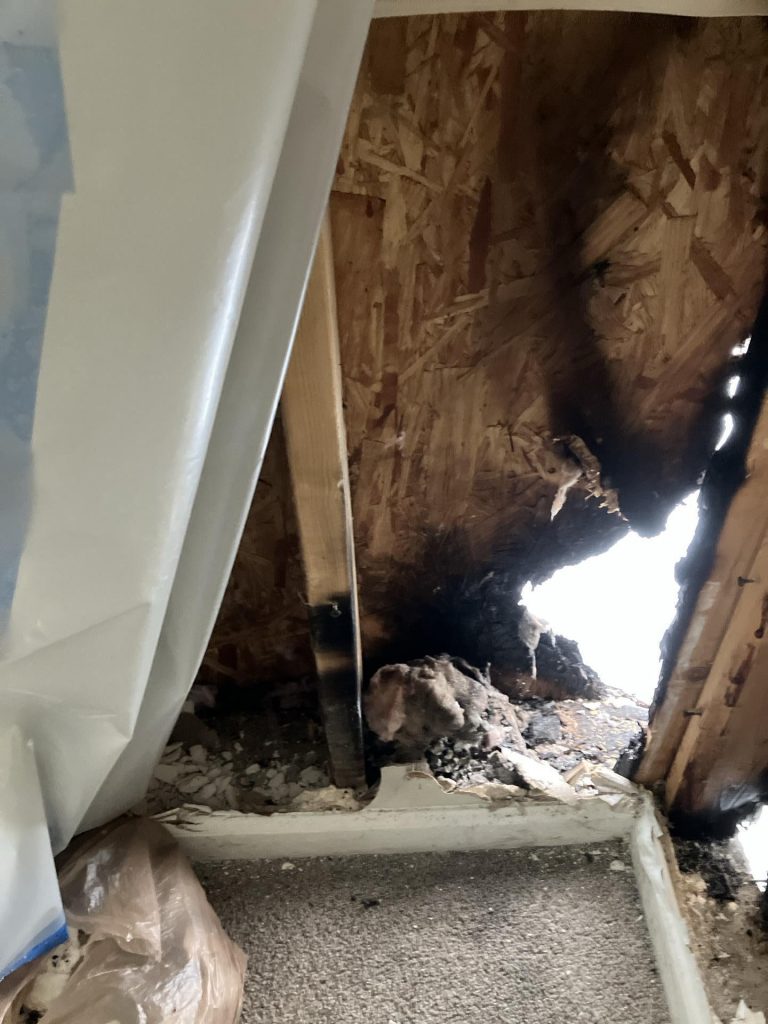
Step 1: Emergency Safety Protocol The First 60 Minutes in Fort Wayne
- Evacuate immediately and do not re-enter your home, structural compromise is invisible from the exterior.
- Call 911. Fort Wayne Fire Department operates from 12 stations citywide; confirm your home is cleared before any access.
- Account for all household members and pets at a safe distance from the structure.
- Shut off utilities only if your main panels are outside the fire-affected area and you can do so safely.
- Call your homeowners insurance carrier to report the loss and begin the claims process.
- Contact PuroClean Disaster Restoration of West Fort Wayne at (260) 263-9788 for immediate 24/7 emergency response.
Step 2: Smoke and Soot Contamination, Fort Wayne’s Hidden Fire Dangers
Fort Wayne’s residential architecture spans from early 20th-century craftsman bungalows in the historic Wells Street corridor to post-war ranch homes in the southwest quadrant and newer construction in Aboite Township. Each building era carries distinct fire risk profiles:
Building-Specific Smoke Damage Considerations
- Pre-1950 homes: Plaster-and-lath construction absorbs smoke residue deeply, often requiring selective demolition rather than surface cleaning.
- 1950s–1980s ranch homes: Fiberglass batt insulation can melt and off-gas toxic compounds; aluminum wiring (common in this era) presents re-ignition risk.
- Post-2000 construction: Engineered lumber (LVL beams, OSB sheathing) loses structural integrity faster under thermal stress than dimensional lumber.
- HEPA filtration systems capture particulate matter during cleanup, preventing re-suspension of toxic soot.
- Negative air pressure containment isolates affected zones from clean areas of the structure.
- Protein residue from kitchen fires, common in Fort Wayne’s aging housing stock, requires enzymatic cleaners for effective removal.
Step 3: Water Damage from Fire Suppression, Fort Wayne’s Freeze-Thaw Risk
Fort Wayne averages 36 inches of annual precipitation and experiences 130+ days below freezing annually. This climatic reality makes post-fire water management especially critical. Suppression water trapped in wall cavities during a winter fire can freeze, expand, and crack masonry or split wood framing, damage that may not manifest visibly for weeks.
IICRC-Standard Water Damage Mitigation
- Psychrometrics guides the calculation of optimal air temperature, relative humidity, and airflow required for complete structural drying.
- Moisture mapping using infrared thermal cameras identifies water saturation behind drywall and under hardwood or tile flooring.
- Industrial dehumidifiers and high-velocity air movers are deployed within hours of water intrusion.
- Antimicrobial biocide applications, EPA-registered formulations, are applied to wet materials to prevent mold colonization.
- IICRC S500 drying goals must be achieved before reconstruction begins to prevent future mold remediation needs.
| EMERGENCY FIRE DAMAGE RESTORATION PuroClean Disaster Restoration of West Fort Wayne serves Fort Wayne and Allen County and surrounding areas. Call Now: (260) 263-9788 Available 24/7, IICRC-Certified Technicians |
Step 4: Insurance Claims, Navigating Fort Wayne Fire Damage Coverage
Indiana homeowners insurance policies generally cover fire damage under HO-3 (special form) policies, which protect against all perils except those specifically excluded. Fort Wayne homeowners should take the following documentation steps immediately:
- Photograph all fire, smoke, and water damage in every affected room before any cleanup or removal of items.
- Create a room-by-room inventory of damaged personal property, including approximate replacement values.
- Request an official Fort Wayne Fire Department incident report, your insurer will require this.
- Preserve all damaged items until your insurance adjuster has completed their inspection.
- Ask your insurer about Coverage D (Additional Living Expenses) if the home is uninhabitable.
- Authorize PuroClean to coordinate directly with your adjuster, we have deep familiarity with Indiana insurance carriers.
Step 5: The Complete IICRC-Certified Restoration Process
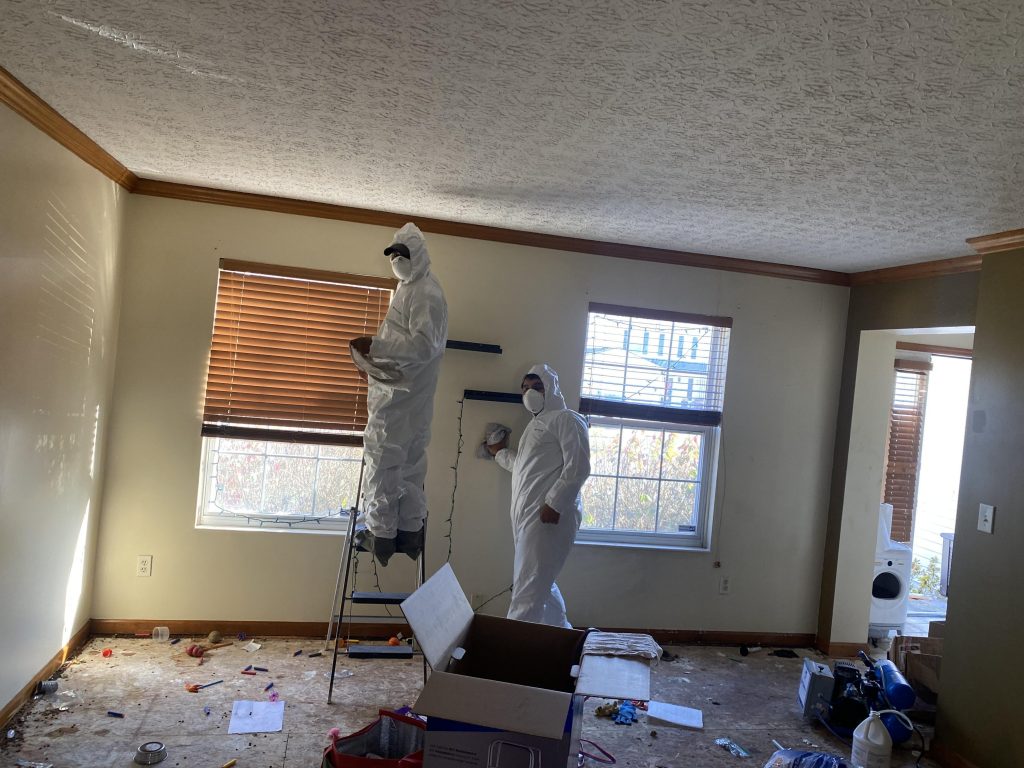
What Happens After PuroClean Arrives
- Emergency Board-Up and Tarping: Secure roof penetrations, broken windows, and compromised walls, especially important during Fort Wayne’s harsh winter months.
- Structural Assessment: Evaluate fire damage to load-bearing components, roof trusses, and floor systems.
- Water Extraction: Truck-mounted extractors remove bulk water from all affected surfaces.
- Structural Drying: Commercial-grade dehumidifiers and air movers are positioned based on psychrometric calculations.
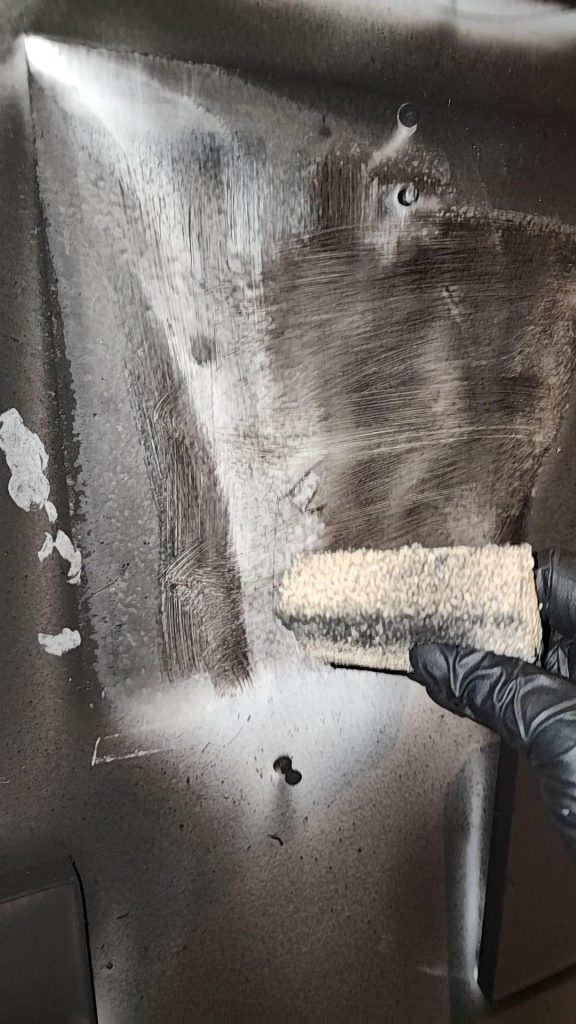
- Smoke and Soot Removal: HEPA vacuuming followed by chemical sponge and wet cleaning of all surfaces.
- Antimicrobial Treatment: Biocide application to all wetted materials to prevent secondary mold growth.
- Odor Elimination: Thermal fogging penetrates porous materials; hydroxyl generators treat occupied spaces safely.
- Content Pack-Out: Salvageable belongings are inventoried, transported to our cleaning facility, and restored.
- Reconstruction: Drywall, insulation, flooring, cabinetry, and finishes are restored to pre-loss condition.
Fort Wayne Local Context: Climate, Housing, and Building Codes
Fort Wayne falls within FEMA Region V and is subject to Indiana Residential Code (675 IAC 14-4.3), which governs structural repair standards for fire-damaged homes. Allen County’s building department requires permits for reconstruction work exceeding minor cosmetic repairs, a process our team navigates on your behalf.
The city’s diverse neighbourhoods, from historic West Central to Aboite Township’s newer subdivisions, require restoration teams with expertise across multiple construction eras. Our West Fort Wayne team has extensive experience with both the historic bungalow stock near downtown and the vinyl-sided colonials and ranch homes in the city’s western growth corridor.
Frequently Asked Questions, Fire Damage in Fort Wayne, Indiana
Does homeowners insurance cover fire damage in Fort Wayne?
Yes. Standard HO-3 and HO-5 homeowners insurance policies cover fire damage to the dwelling and personal property. Allen County has no unique exclusions beyond standard policy language. Contact your insurer immediately after a fire to begin the claims process.
How quickly can mold develop after a house fire in Fort Wayne?
Given Fort Wayne’s humid summer conditions, mold colonization can begin within 24–48 hours in moisture-affected areas. IICRC protocols require moisture mapping and antimicrobial biocide treatment to begin immediately after water extraction.
What if my Fort Wayne home was built before 1978 and has lead paint or asbestos?
Homes built before 1978 in Fort Wayne may contain lead paint and asbestos-containing materials (ACM) in insulation, floor tiles, and ceiling texture. Fire damage can disturb these materials, creating a hazmat situation. Our team follows EPA RRP protocols and can coordinate with licensed abatement contractors.
Can I stay in a partially fire-damaged home in Fort Wayne?
Only if the fire marshal and your local building inspector have approved re-occupancy of unaffected areas. Do not assume any portion of a fire-damaged home is safe without official clearance.
How do Fort Wayne winters affect fire damage restoration?
Winter fires in Fort Wayne present elevated risk because suppression water can freeze in wall cavities before extraction, causing structural damage. Emergency board-up and heated drying equipment deployment within hours of the fire is essential.
Contact PuroClean Disaster Restoration of West Fort Wayne
When fire strikes your Fort Wayne home, whether in the 46804, 46814, 46818, or 46845 ZIP codes, our IICRC-certified team is ready to respond immediately. We serve all of Allen County, including Aboite Township, New Haven, Huntertown, and Leo-Cedarville.
| EMERGENCY FIRE DAMAGE RESTORATION PuroClean Disaster Restoration of West Fort Wayne serves Fort Wayne, Allen County & West Fort Wayne and surrounding areas. Call Now: (260) 263-9788 Available 24/7, IICRC-Certified Technicians |

 PuroClean Disaster Restoration of West Fort Wayne