 PuroClean Disaster Restoration of West Fort Wayne
 Executive Summary
Fire damage in Fort Wayne homes creates persistent smoke odors that penetrate walls, insulation, and structural materials far beyond visible soot. This guide reveals professional restoration techniques that eliminate smoke smell without repainting, including thermal fogging, hydroxyl treatment, and ozone generation. Discover immediate post-fire steps to minimize odor penetration, understand why traditional cleaning falls short, and learn cost-effective alternatives to complete interior repainting. These proven methods restore healthy indoor air quality while preserving your existing walls and reducing recovery time significantly.
Smoke odor after fire damage can make your Fort Wayne home feel permanently compromised. The acrid smell permeates everything, creating constant discomfort and health concerns. Many homeowners assume complete interior repainting is inevitable, but professional restoration technologies offer more effective solutions that address smoke contamination at its source.
Why does smoke smell persist in walls even after thorough cleaning?
Smoke particles are microscopically small and incredibly invasive. During a fire, heat creates pressure that forces these particles deep into porous materials including drywall, insulation, wood framing, and other structural components.
These particles don’t just coat surfaces but embed within the cellular structure of materials. A single smoke particle measures 0.3-2.5 microns, small enough to penetrate spaces invisible to the naked eye. Once embedded, normal cleaning cannot reach or remove them.
Temperature and humidity changes cause embedded particles to expand and contract, releasing odors intermittently. This explains why smoke smell often seems to vanish temporarily only to return during weather changes or when you adjust your thermostat.
Traditional cleaning addresses only what you can see and reach. Visible soot on walls represents perhaps 20-30% of total smoke contamination. The remaining 70-80% hides within materials where scrubbing and wiping cannot access it.
What professional technologies eliminate smoke odor without painting?
Several advanced restoration technologies neutralize smoke odors by penetrating materials as deeply as smoke itself.
Thermal fogging heats specialized deodorizing solutions to temperatures between 130-180 degrees Fahrenheit, creating an ultra-fine fog with particle sizes matching smoke. This fog follows the exact path smoke took during the fire, penetrating every crack, crevice, and porous surface. The deodorizer particles chemically bond with smoke molecules, permanently neutralizing them.
Ozone generation produces O3 molecules that are highly reactive and unstable. When ozone contacts smoke particles, it breaks apart and bonds with odor-causing compounds, chemically altering their structure so they no longer produce smell. Ozone reaches everywhere air circulates, including inside wall cavities, attics, and ductwork that physical cleaning cannot access.
Hydroxyl treatment creates naturally occurring hydroxyl radicals identical to those formed when sunlight interacts with water vapor in Earth’s atmosphere. These radicals aggressively attack and break down volatile organic compounds (VOCs) responsible for smoke odor. Unlike ozone, hydroxyl radicals are safe around people, pets, and plants, eliminating evacuation requirements.
Each technology offers distinct advantages depending on fire severity, materials involved, and occupancy needs during treatment.
Real Story: The Peterson Family’s Holiday Kitchen Fire
Jennifer Peterson was preparing Thanksgiving dinner when cooking oil ignited on her stove. Despite her husband’s quick response with a fire extinguisher, flames spread to the range hood and surrounding cabinets before Fort Wayne firefighters arrived.
The fire itself caused moderate damage to the kitchen, but smoke spread throughout their entire 2,200-square-foot home. Their insurance adjuster initially recommended repainting all interior spaces, replacing kitchen cabinets, and treating the HVAC system for a total cost exceeding $22,000.
Overwhelmed by the prospect of displacement during the holidays, Jennifer sought second opinions. A restoration specialist conducted comprehensive testing including air quality measurements and thermal imaging to map smoke penetration patterns.
The assessment revealed that while smoke had traveled extensively, contamination levels didn’t warrant reconstruction. The restoration team proposed a targeted approach using hydroxyl generators, enzymatic cleaning for the kitchen’s protein smoke, and complete HVAC decontamination.
Treatment lasted eight days with the Peterson family remaining in their home throughout the process. The final cost was $6,400, roughly 30% of the original estimate. Their home smelled completely fresh without repainting a single wall.
The experience taught Jennifer that fire damage assessment requires specialized expertise. Visual inspection alone cannot determine the most effective restoration approach. She also learned that smoke odor is fundamentally a chemical problem requiring chemical solutions rather than just cosmetic coverage.
What immediate actions minimize smoke odor after fire damage?
Quick response after fire damage dramatically improves restoration outcomes and reduces overall costs.
Open all windows and create cross-ventilation using fans within the first hour if weather permits. This prevents smoke from settling deeper into materials and dilutes airborne particle concentrations. Position fans to push air outward rather than circulating it internally.
Remove all textiles and soft goods within 24 hours including curtains, bedding, clothing, and removable upholstery. These materials absorb smoke readily and act as continuing odor sources if left in place. Bag items separately to prevent cross-contamination during transport to professional cleaners.
Do not run your HVAC system until it has been professionally inspected and cleaned. During a fire, smoke travels through return vents and deposits throughout ductwork. Running the system before cleaning spreads contamination to every room and recontaminates cleaned spaces.
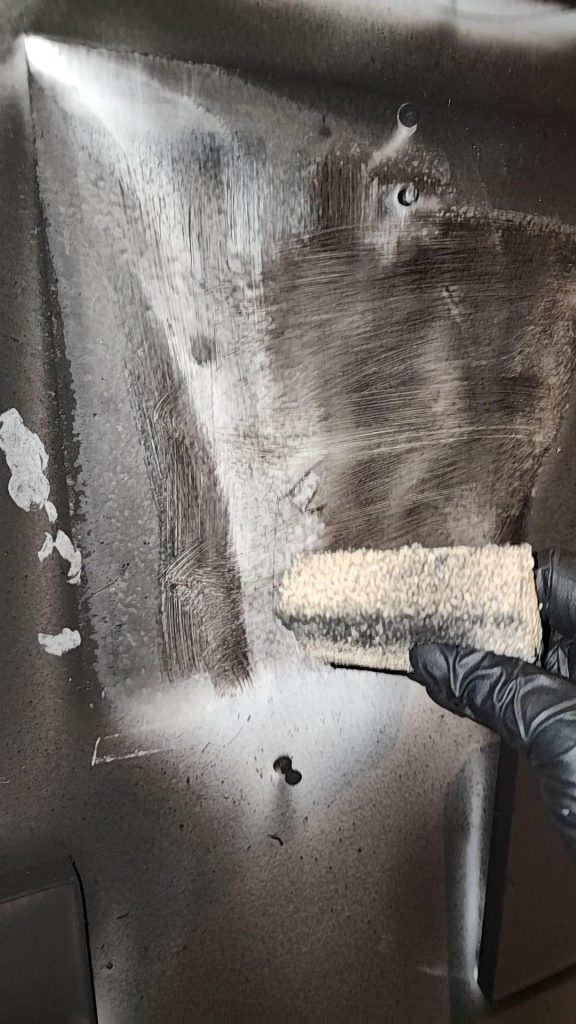
Address visible soot immediately using dry chemical sponges designed specifically for smoke residue. These sponges contain vulcanized rubber that attracts and holds soot particles without smearing or pushing them deeper. Work from ceiling to floor in systematic patterns.
Document everything thoroughly with photographs, videos, and detailed written notes. Capture damage from multiple angles and distances. This documentation supports insurance claims and helps restoration professionals understand contamination scope.
Contact your insurance company within 24 hours to report the loss and understand your coverage. Ask specifically about emergency mitigation coverage that may pay for immediate protective actions.
How does the type of materials burned affect odor removal difficulty?
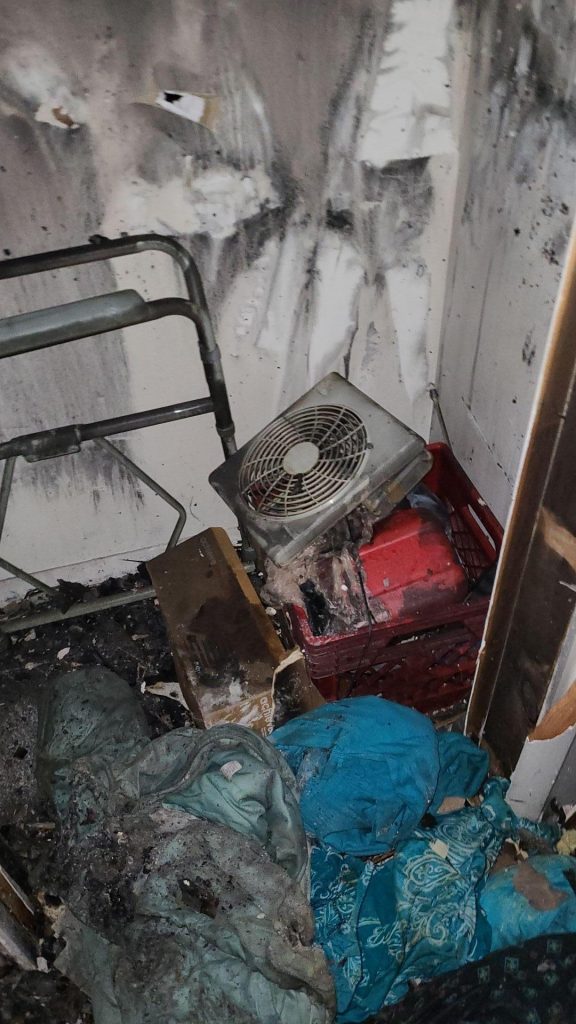
Different materials create distinctly different smoke characteristics, each requiring specific treatment approaches.
Protein smoke from cooking creates greasy, sticky residue with particularly pungent odors. The organic compounds in protein smoke require enzymatic cleaners that break down these materials chemically at the molecular level. Standard detergents simply spread protein smoke without eliminating it.
Synthetic smoke from plastics, electronics, furniture foam, and modern building materials produces chemically complex contamination often including toxic compounds. These fires create the most persistent, difficult odors requiring professional intervention with specialized neutralizing agents and potentially multiple treatment cycles.
Natural material smoke from wood, paper, cotton, and similar substances creates comparatively cleaner contamination with larger particles. While still requiring treatment, natural material fires typically respond well to standard ozone or hydroxyl protocols without extensive specialized intervention.
Understanding what burned helps restoration professionals select appropriate cleaning agents, deodorizers, and treatment methods. Always inform your restoration company about the fire’s origin and materials involved for optimal treatment planning.
What equipment makes professional treatment more effective than DIY?
Professional restoration companies use industrial-grade equipment engineered specifically for disaster recovery.
Commercial ozone generators produce concentrations 15-25 times higher than consumer units, achieving penetration into structural materials impossible with household equipment. These machines require proper training as ozone at remediation levels is harmful to living organisms and can damage certain materials if misused.
Industrial thermal foggers heat solutions to precise temperatures that create vapor particles sized 0.5-2.5 microns, identical to smoke particles. This allows deodorizer to reach exactly where smoke penetrated. Consumer foggers lack the heating capacity and precision controls to produce effective particle sizes.
Professional-grade hydroxyl generators create radical concentrations powerful enough to treat entire structures. These units cost $4,000-$10,000 each with larger homes requiring multiple units operating simultaneously. The investment is impractical for one-time homeowner use.
Air scrubbers with multi-stage HEPA and activated carbon filtration move 500-1,000 cubic feet of air per minute, cycling room air 20-30 times hourly. This circulation rate dramatically accelerates particulate capture and odor removal beyond portable units’ capabilities.
Moisture meters and thermal imaging cameras detect hidden smoke penetration, water damage, and structural issues that visual inspection cannot identify. This technology ensures comprehensive treatment without unnecessary demolition while identifying problems requiring repair.
Negative air machines create controlled air pressure differentials that prevent cross-contamination during restoration work. This protects unaffected areas from spreading smoke during the cleaning process.
Should Fort Wayne homeowners attempt DIY smoke odor removal?
DIY approaches work for very minor smoke exposure but have significant limitations for actual fire damage.
Small incidents like a single burnt pan with minimal smoke may respond to determined homeowner efforts including thorough ventilation, surface cleaning, and air purifiers. Total exposure time and smoke volume determine DIY success potential.
However, any fire requiring fire department response typically exceeds DIY capabilities. The smoke volume, penetration depth, and contamination complexity from these events require professional equipment and expertise.
Health considerations also favor professional intervention. Smoke contains carcinogens, toxic chemicals, and fine particulates that pose genuine health hazards. Professional technicians use proper respiratory protection and understand safe handling procedures. Homeowners attempting extensive cleaning risk significant exposure.
Insurance coverage provides another reason to choose professional restoration. Documented professional treatment often maximizes claim value and ensures work meets insurance standards. DIY efforts may save money initially but complicate claims and potentially leave problems unresolved.
Time investment for effective DIY smoke remediation is substantial. Adequate treatment of moderate fire damage requires 30-50 hours of focused work over several weeks. Professional teams complete the same work in days with superior results.
How do I properly clean walls without damaging existing paint?
Wall cleaning after smoke damage follows a specific sequence that maximizes contamination removal while preserving finishes.
Start with thorough dry cleaning using chemical sponges containing rubber polymers that attract soot through static electricity. Wipe surfaces using straight, overlapping strokes. Rotate to a clean section of sponge frequently and replace sponges as they become saturated. This prevents spreading soot.
For wet cleaning, test any solution in an inconspicuous area first. Different paint types react differently to cleaning agents. Mix trisodium phosphate (TSP) or specialized smoke cleaner according to manufacturer directions. Use cool to lukewarm water as hot water can set protein-based stains.
Work in small three-foot square sections, starting from the bottom and working upward. This prevents dirty water from streaking down onto uncleaned areas. Use cellulose sponges that won’t scratch surfaces, applying gentle pressure in circular motions.
Rinse each section thoroughly with clean water immediately after cleaning to prevent chemical residue buildup. Change rinse water frequently to avoid redistributing smoke particles. Dry walls promptly with clean towels to prevent moisture damage.
For textured walls, spray cleaning solution lightly and allow brief dwell time before gentle blotting with absorbent cloths. Avoid aggressive scrubbing that damages texture.
If odor persists after thorough cleaning, apply odor-sealing primer containing shellac or synthetic polymers that encapsulate remaining particles. Products like Kilz Restoration or Zinsser BIN often eliminate the need for complete repainting.
What role does HVAC system cleaning play in smoke odor elimination?
Your heating and cooling system can either facilitate recovery or become your biggest obstacle.
During fire, smoke enters through return air vents and deposits throughout ductwork, on mechanical components, and within insulation. Every time the system runs, it recirculates these particles, reintroducing odors to cleaned spaces and spreading contamination to previously unaffected areas.
Professional HVAC cleaning after fire damage includes several critical steps. Technicians remove and dispose of all filters that cannot be adequately cleaned. They clean supply and return ducts using negative pressure vacuuming and mechanical agitation. Registers, grilles, and diffusers receive individual cleaning or replacement depending on contamination level.
The air handler unit including blower, coils, and housing requires thorough cleaning and sanitization. Contaminated duct insulation often needs replacement as smoke penetrates porous insulation materials beyond cleaning capabilities.
HVAC cleaning costs typically range from $500-$1,500 depending on system size and contamination severity. This represents a small fraction of total restoration costs but provides disproportionate value by preventing recontamination and ensuring clean air distribution.
After professional cleaning, upgrade filters to HEPA or activated carbon types designed for smoke particle capture. Plan to replace filters monthly during the first few months of recovery as residual off-gassing continues.
How long does professional smoke odor treatment take?
Treatment duration depends on fire severity, home size, and technologies employed.
Ozone treatment typically runs 24-72 hours for moderate contamination. Severe damage may require multiple treatment cycles spanning 5-7 days total. Homes must remain completely unoccupied during treatment and for 2-4 hours afterward while ozone converts back to regular oxygen.
Hydroxyl treatment usually continues for 4-10 days depending on damage extent. Since hydroxyl technology is safe for occupancy, families can remain in their Fort Wayne homes during treatment, greatly reducing displacement and disruption.
Thermal fogging application takes only 2-4 hours but delivers best results when combined with other treatments for comprehensive odor elimination. Noticeable improvement appears within 24-48 hours as treated materials off-gas neutralized compounds.
Complete professional restoration including cleaning, deodorization, HVAC treatment, and follow-up typically requires 7-14 days for most residential fire damage. Complex situations or large homes may extend to three weeks.
DIY approaches require substantially longer timelines, often 6-10 weeks of consistent effort for moderate damage. Severe contamination may never fully resolve without professional intervention regardless of time invested.
What are common mistakes that worsen smoke odor problems?
Several well-intentioned actions can actually intensify smoke odor issues or make professional treatment more difficult.
Using water-based cleaning on protein smoke spreads greasy residue without removing it, making odors worse. Protein smoke requires enzymatic or solvent-based cleaners that break down organic compounds.
Painting over smoke damage without proper preparation traps odors temporarily but doesn’t eliminate them. As paint ages and develops micro-cracks, trapped particles escape and odors return, often more intensely.
Running HVAC systems before professional cleaning spreads contamination throughout your home. This single mistake can multiply restoration costs by distributing smoke to every room through ductwork.
Using excessive water during cleaning can cause additional problems including drywall damage, mold growth, and mineral deposits. Use minimum moisture necessary and ensure prompt drying.
Delaying professional assessment allows smoke to penetrate deeper into materials. The first 24-48 hours are critical for minimizing permanent damage and staining.
Attempting to cover odors with air fresheners, candles, or deodorizing sprays adds synthetic fragrances to smoke-contaminated air, creating unpleasant combined odors without addressing the underlying problem.
Failing to document damage thoroughly complicates insurance claims. Photograph everything before, during, and after cleaning for comprehensive records.
Can air purifiers alone eliminate smoke smell from walls?
Air purifiers improve air quality but cannot eliminate embedded odors by themselves.
HEPA filtration captures 99.97% of airborne particles 0.3 microns or larger, removing soot, ash, and other smoke particulates currently suspended in air. This prevents continued inhalation exposure and captures particles before they settle onto surfaces.
Activated carbon filters adsorb gaseous odors and volatile organic compounds (VOCs) through chemical adsorption. The massive surface area of activated carbon provides extensive odor-capturing capacity.
For maximum effectiveness, position air purifiers in each affected room running continuously. Place units away from walls and furniture to maximize airflow. Plan to replace filters 3-4 times more frequently than normal as they’ll quickly become saturated with smoke contamination.
However, air purifiers only process air passing through them. They don’t actively extract molecules embedded within walls, carpets, furniture, or other materials. Purifiers should be viewed as important supporting tools that improve air quality while other treatments address source contamination.
Most effective results combine air purifiers with thorough cleaning, professional molecular odor neutralization, and HVAC system treatment. This comprehensive approach addresses all contamination sources simultaneously.
What health risks does lingering smoke odor create?
Smoke odor indicates continuing exposure to harmful compounds with significant health implications.
Fine particulate matter (PM2.5) in smoke residue penetrates deep into lung tissue, causing respiratory irritation, inflammation, and reduced lung function. People with asthma, COPD, or other respiratory conditions experience worsening symptoms and increased attack frequency.
Smoke contains hundreds of toxic chemicals including carbon monoxide, formaldehyde, benzene, acrolein, and polycyclic aromatic hydrocarbons (PAHs). While acute concentrations dissipate after fire suppression, chronic low-level exposure from contaminated materials continues affecting health.
PAHs are known carcinogens with no safe exposure threshold. Extended contact with smoke-contaminated materials increases cancer risk for all household members.
Children face elevated risks due to developing respiratory systems, higher breathing rates relative to body weight, and greater time spent in home environments. Elderly family members and those with compromised immune systems similarly face heightened vulnerability.
Beyond physical health, persistent smoke smell creates psychological stress, sleep disruption, and anxiety. The constant sensory reminder of the traumatic event affects mental health and overall quality of life.
These health considerations make proper comprehensive remediation essential, not optional.
How much does professional treatment cost compared to repainting?
Professional smoke odor elimination typically costs 35-55% less than complete interior repainting while delivering superior long-term results.
Comprehensive smoke odor treatment including assessment, cleaning, hydroxyl or ozone treatment, thermal fogging, and HVAC cleaning for an average 2,000-square-foot Fort Wayne home ranges from $3,000-$6,500 depending on damage severity and materials involved.
Repainting the same home including proper preparation, primer application, and two finish coats costs $6,000-$12,000 with work typically requiring 2-3 weeks. This timeline assumes contractors are immediately available, which isn’t always the case.
Critical distinction: repainting addresses only visible surfaces without treating odors in flooring, furniture, HVAC systems, or structural materials. Painting over smoke simply covers problems temporarily. Odors will eventually return as paint ages, requiring additional expense.
Professional odor neutralization solves the problem at its source by chemically altering smoke particles so they no longer produce smell. This is a permanent solution rather than temporary coverage.
Homeowner’s insurance often covers professional restoration as part of fire damage claims. Coverage varies by policy but typically includes necessary remediation to return homes to pre-loss condition. Work with your restoration company and insurance adjuster together for optimal claim outcomes.
What should I ask when hiring Fort Wayne restoration companies?
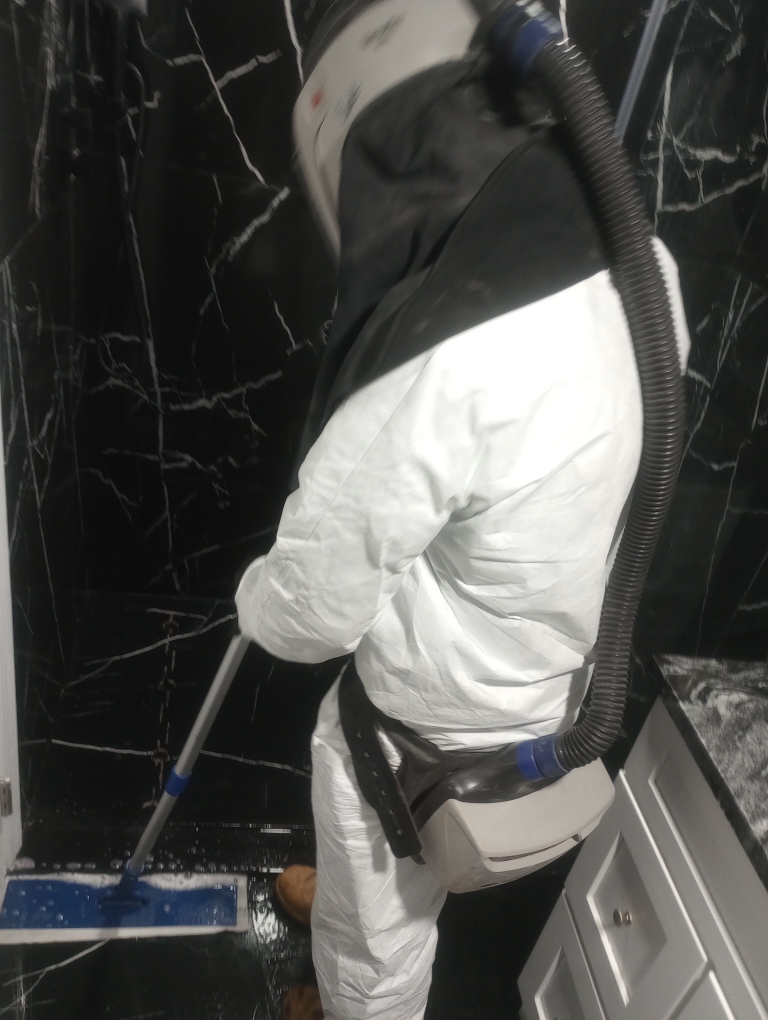
Selecting the right restoration partner significantly impacts your recovery experience and results.
Verify credentials and certifications. Reputable companies hold IICRC (Institute of Inspection, Cleaning and Restoration Certification) certifications specifically in fire and smoke restoration. Ask about individual technician training and continuing education.
Request detailed assessment before receiving quotes. Quality companies conduct thorough inspections using moisture meters, thermal imaging, and air quality testing before proposing solutions. Beware of companies offering estimates without visiting your property.
Ask about their specific treatment plan for your situation. Experienced professionals explain why they recommend particular technologies based on fire type, materials affected, and contamination severity. One-size-fits-all approaches indicate limited expertise.
Inquire about insurance experience. Established restoration firms work with insurers regularly and can help document damage, communicate effectively with adjusters, and navigate claim processes that unfamiliar homeowners find overwhelming.
Request recent references from Fort Wayne area fire restoration clients. Speaking directly with homeowners who experienced similar situations provides valuable insights into communication, professionalism, and actual results.
Understand their guarantee and follow-up commitment. While no legitimate company guarantees 100% odor elimination in every situation, they should commit to addressing persistent issues and stand behind their work.
Clarify timeline expectations including treatment duration, whether evacuation is required, and when you can expect complete odor resolution.
Review their contract thoroughly. Comprehensive agreements detail all services, materials, equipment, labor, and costs rather than presenting vague lump sums. Understand payment terms and change order procedures.
Frequently Asked Questions
How quickly should smoke odor remediation begin after fire damage?
Begin professional assessment and remediation within 24-48 hours if possible. Smoke particles bond progressively stronger to materials over time through chemical and physical processes. Prompt action prevents permanent staining, deep penetration, and secondary damage like corrosion that develops from acidic smoke residue.
Can I stay in my Fort Wayne home during smoke odor treatment?
This depends on the technology used. Hydroxyl treatment allows full occupancy during treatment. Ozone treatment requires complete evacuation of people, pets, and plants, typically for 24-72 hours. Thermal fogging requires evacuation for several hours during application. Discuss occupancy requirements during initial consultation to plan accordingly.
Will smoke odor damage my furniture and belongings?
Smoke itself causes damage through acidic residue that corrodes metals, tarnishes surfaces, and permanently stains porous materials. However, properly executed professional treatment doesn’t damage belongings. Discuss any concerns about valuable or delicate items during assessment. Most items can be treated in place; some may benefit from off-site restoration.
How do I prevent smoke smell from returning after treatment?
Properly executed professional treatment provides permanent odor elimination by chemically neutralizing smoke particles. Prevention requires addressing ALL contamination sources including HVAC systems, carpets, and structural materials. Maintain 30-50% relative humidity to prevent particle reactivation. Continue running air purifiers with carbon filters for several months to capture any residual off-gassing.
Does homeowner’s insurance cover smoke odor removal in Fort Wayne?
Most Indiana homeowner policies cover fire damage remediation including odor removal necessary to return your property to pre-loss condition. Coverage specifics vary by policy, deductible, and damage extent. Document everything thoroughly, understand your policy requirements, work with restoration companies experienced in insurance claims, and maintain open communication with your adjuster.
What’s the difference between smoke damage and soot damage?
Soot is visible black carbon residue deposited on surfaces that you can see and physically wipe away. Smoke damage includes both visible soot and invisible gases and particles that penetrate deeply into materials. Significant smoke damage can exist with minimal visible soot, particularly from smoldering fires that produce more gaseous contamination than visible particles.
Can I use home remedies like vinegar or baking soda for smoke smell?
These provide minimal benefit for actual fire damage. Vinegar’s acetic acid neutralizes some alkaline odors and cleans light soot but doesn’t penetrate materials or chemically alter embedded particles. Baking soda absorbs surface odors through direct contact but cannot reach smoke inside walls or ductwork. For genuine fire damage, these serve best as minor supplements to professional treatment, not primary solutions.
Should I replace drywall if smoke smell persists?
Drywall replacement is rarely necessary for odor elimination. Professional technologies like ozone and hydroxyl treatment penetrate drywall as deeply as smoke itself, neutralizing odors without demolition. Drywall replacement becomes necessary when structural damage, water damage, or contamination beyond remediation capabilities exists, not simply for odor issues.
Conclusion
Eliminating smoke smell after fire damage without repainting is entirely achievable using professional restoration technologies. Thermal fogging, ozone treatment, and hydroxyl generation neutralize odors at the molecular level, addressing contamination as deeply as smoke penetrated your Fort Wayne home.
Success requires understanding that smoke odor represents a chemical problem requiring chemical solutions, not just cosmetic coverage. While surface cleaning removes visible soot, embedded particles in walls, insulation, and ductwork continue producing odors until properly treated with technologies that penetrate as deeply as smoke itself.
Professional restoration typically costs 35-55% less than complete interior repainting while delivering permanent results rather than temporary coverage. Treatment completes in days rather than weeks, minimizing displacement and disruption to your family.
The key is acting quickly, choosing experienced restoration professionals, and implementing comprehensive treatment addressing all contamination sources including structural materials, HVAC systems, and belongings.
If you’re dealing with persistent smoke odor after fire damage in Fort Wayne or surrounding areas, don’t settle for temporary fixes or assume expensive reconstruction is inevitable. Contact PuroClean Disaster Restoration of West Fort Wayne at (260) 263-9788 for expert assessment and proven odor elimination methods. Their certified technicians use advanced restoration technology to completely eliminate smoke smell and restore your home’s air quality without the disruption and expense of repainting.
 PuroClean Disaster Restoration of West Fort Wayne