 PuroClean Disaster Restoration of West Fort Wayne
 Executive Summary
Flood damage strikes Fort Wayne homes without warning, from spring storms overwhelming drainage systems to winter pipe bursts during extreme cold. Successful restoration requires immediate action following specific steps that prioritize safety, prevent secondary damage, and restore your home completely. This guide provides Fort Wayne homeowners with the exact process for flood recovery, from emergency response through final reconstruction. You’ll learn critical safety protocols, effective water removal techniques, proper drying methods to prevent mold within the crucial 48-hour window, and how to work effectively with insurance claims. Whether you’re dealing with basement flooding from heavy rains or water damage from frozen pipes, understanding the complete restoration process empowers you to make smart decisions. For 24/7 professional flood restoration in Fort Wayne, PuroClean Disaster Restoration of West Fort Wayne provides expert emergency response. Call (260) 263-9788 immediately for assistance.
The Patterson Family’s February Freeze
Tom and Jennifer Patterson had lived in their Fort Wayne home for 15 years without major problems. February 2024 brought a brutal cold snap with temperatures dropping to minus 15 degrees. The Pattersons followed advice to let faucets drip and keep cabinet doors open.
What they didn’t know was that a small crack existed in a supply line running through their exterior wall. The extreme cold finally exceeded the pipe’s limits. At 3:22 AM, the pipe burst. Water sprayed into the wall cavity, quickly saturating insulation and drywall.
By the time Tom discovered water seeping through the dining room ceiling at 7 AM, gallons had poured into walls and pooled above ceilings. When he opened the basement door, water was sheeting down the stairs.
The Pattersons made two critical mistakes in those first hours. First, they spent 90 minutes calling different restoration companies trying to compare prices during an emergency. Second, when they finally chose a company based solely on the lowest quote, that company couldn’t arrive for 8 hours because they were overwhelmed with calls.
By the time restoration began, water had spread through walls, destroyed ceilings in three rooms, and soaked into the basement’s finished spaces. What might have been a $6,000 recovery became a $22,000 restoration because of those lost hours.
The Patterson’s story teaches Fort Wayne homeowners that flood restoration isn’t the time for comparison shopping. Emergency response speed matters more than small price differences. Every hour of delay multiplies damage and costs.
What Makes Fort Wayne Homes Vulnerable to Flooding?
Understanding your specific risks helps with prevention and rapid response.
Seasonal Flooding Patterns
Fort Wayne experiences distinct flooding risks by season. Spring brings the combination of snowmelt and heavy rains, overwhelming storm sewers and drainage systems. The St. Marys, St. Joseph, and Maumee rivers all run through or near Fort Wayne, creating flood potential during high water events.
Summer thunderstorms can drop inches of rain in short periods. The city’s aging infrastructure in some neighborhoods struggles with this rapid water influx.
Fall sees less frequent flooding but sudden autumn storms can catch residents unprepared.
Winter creates unique risks. Frozen ground prevents water absorption, causing runoff. Ice dams form on roofs, forcing water under shingles. Frozen pipes burst when temperatures plunge, especially during the extreme cold snaps Fort Wayne experiences every few years.
Fort Wayne’s Infrastructure
Older neighborhoods with combined sewer systems face backup risks during heavy rains. Homes built before modern drainage code updates may lack adequate foundation drainage. Many Fort Wayne homes have finished basements, increasing flood damage potential.
Construction Considerations
Fort Wayne’s freeze-thaw cycles stress foundations, creating cracks where water enters. The area’s clay-heavy soil retains water, increasing hydrostatic pressure against foundations. Many homes have sump pumps that fail during power outages that often accompany severe weather.
What Should I Do in the First 30 Minutes After Discovering Flooding?
Your initial response determines damage extent and recovery costs.
Assess Without Entering
From a safe position, quickly evaluate the situation. Is water still entering? How much water is present? Can you see electrical outlets or appliances in contact with water? Is there a sewage smell indicating black water contamination?
This assessment takes 60 seconds but provides critical information for decision making.
Shut Off Water If Internal Source
If flooding is from a burst pipe, failed water heater, or appliance, locate your main water shutoff valve immediately. Every second water flows causes additional damage. Turn the valve clockwise until fully closed.
If you cannot access the main shutoff safely, call your water utility. They can shut off water at the meter.
Address Electrical Hazards
If water is near electrical outlets, appliances, or your electrical panel, shut off power at the main breaker if you can reach your electrical panel safely without crossing wet areas. If not, stay out and wait for professionals.
Assume any water near electricity is dangerous. This caution might seem excessive but it saves lives.
Call Professional Restoration Immediately
Don’t wait. Don’t compare prices. Don’t debate whether you really need help. For flooding beyond a small puddle from clean water, professional restoration is necessary. Call within the first 30 minutes.
PuroClean Disaster Restoration of West Fort Wayne provides 24/7 emergency response throughout Fort Wayne and surrounding areas. Call (260) 263-9788 immediately. While waiting for arrival, you can begin documenting damage.
Document Everything
Take photos and videos of all damage before moving anything. Capture wide shots showing extent and close-ups of specific damage. Document water lines on walls. If safe to do so, photograph the water source.
Modern smartphones timestamp photos automatically. This timeline documentation helps insurance claims significantly.
When Is Flood Water Dangerous?
Understanding contamination levels protects your health and guides cleanup decisions.
Clean Water Flooding
Water from supply lines, rain before it contacts other materials, and some appliance sources starts as relatively clean Category 1 water. However, clean water doesn’t stay clean. Within 24 hours, it becomes contaminated as it contacts building materials, soil, and surfaces.
Even “clean” flooding requires caution. Wet environments create slip hazards, heavy materials, and potential electrical dangers.
Gray Water Contamination
Washing machine discharge, dishwasher overflow, and toilet overflow containing urine but not feces constitute gray water. This water carries bacteria and requires protective equipment for cleanup. Materials contacted by gray water often require disposal rather than cleaning.
Black Water Hazards
Sewage backups, flooding from rivers or streams, and any standing water over 48 hours old constitute black water. This water contains dangerous pathogens, bacteria, chemicals, and pesticides.
Never attempt cleanup of black water yourself. Professional restoration teams have proper protective equipment, containment protocols, and disposal procedures required for black water situations.
Fort Wayne Specific Contamination Risks
Flooding from Fort Wayne’s combined sewer systems during overflows contains sewage contamination. Basement flooding from storm water drainage often carries contaminants from streets and lawns. River flooding brings agricultural runoff and other pollutants.
Treat any external flooding source as contaminated until proven otherwise.
Should Fort Wayne Homeowners Attempt DIY Flood Cleanup?
This critical decision impacts safety, costs, and recovery success.
When DIY Might Work
Very limited situations suit DIY cleanup: less than one inch of confirmed clean water, affecting less than 100 square feet, discovered immediately, with household equipment available and ability to work continuously until complete drying.
Even in these limited scenarios, professional assessment provides value.
When Professional Restoration Is Necessary
Call professionals for water more than one inch deep, affecting multiple rooms or large areas, any contaminated water, flooding that contacted carpet or padding, water seeping into walls or under flooring, basement flooding, any situation where drying cannot be completed within 48 hours, or any flooding discovered more than two hours after occurrence.
Also call for finished basements, even with minor flooding, as finished spaces hide moisture and create perfect mold growth conditions.
The Fort Wayne Weather Factor
Fort Wayne’s humidity affects drying. Summer humidity over 70 percent makes adequate drying nearly impossible without commercial dehumidifiers. Winter heating systems dry air but can’t remove moisture fast enough from saturated materials.
Professional restoration accounts for local climate conditions when designing drying strategies.
Cost Reality
The Patterson family thought they were saving money by delaying professional help. They lost $16,000 because of that decision. Professional restoration might seem expensive during crisis, but it’s always cheaper than fixing mistakes from inadequate DIY attempts.
What Equipment Do Professionals Use That Homeowners Cannot Replicate?
Understanding equipment differences explains why professional restoration delivers superior results.
Commercial Water Extractors
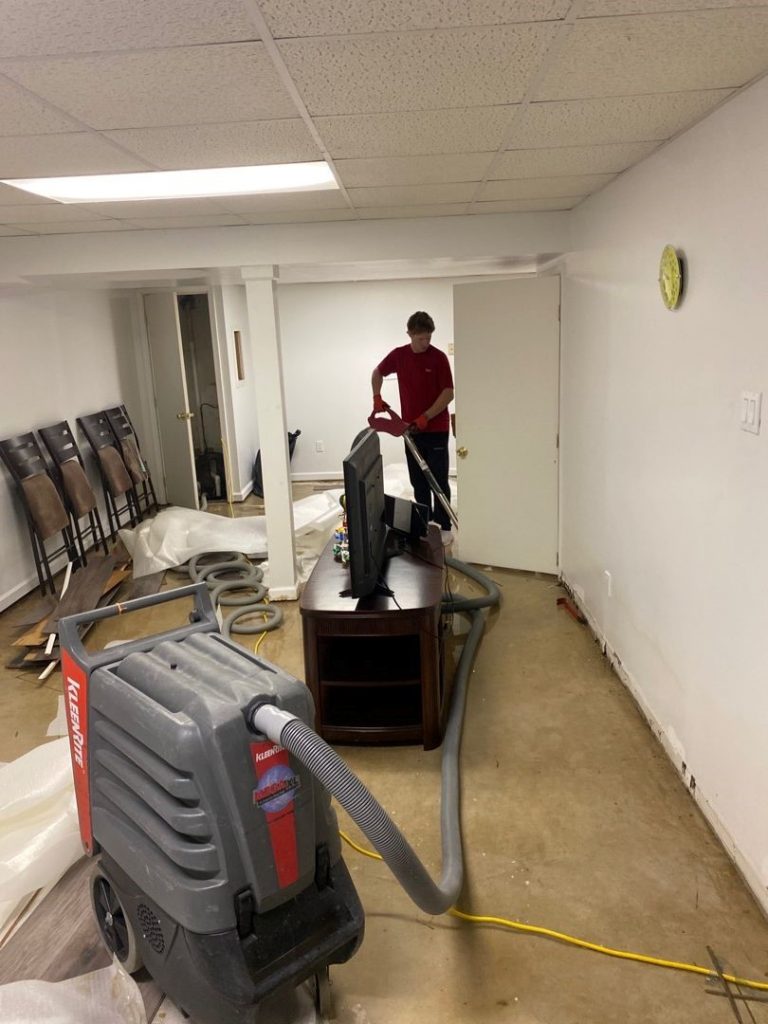
Professional truck-mounted or portable extractors remove hundreds of gallons per hour. They generate powerful vacuum forces that pull water from carpet, padding, and even hardwood floors.
Shop vacuums hold 5 to 15 gallons and lack the power for effective extraction. The difference means professionals extract in hours what would take homeowners days, if it could be done at all.
Industrial Dehumidifiers
Commercial dehumidifiers remove 200+ pints of moisture per day. Residential units remove 30 to 50 pints daily. This 4-to-1 or greater capacity difference determines whether drying completes in the critical 48-hour window.
Professional restoration teams often deploy multiple commercial units simultaneously, creating drying capacity impossible for homeowners to achieve.
Air Moving Equipment
Industrial air movers produce focused, high-velocity airflow that penetrates materials and creates rapid evaporation. They’re specifically designed for structural drying, unlike household fans intended for personal cooling.
Professionals use dozens of air movers positioned strategically to create maximum airflow across all wet surfaces.
Moisture Detection Technology
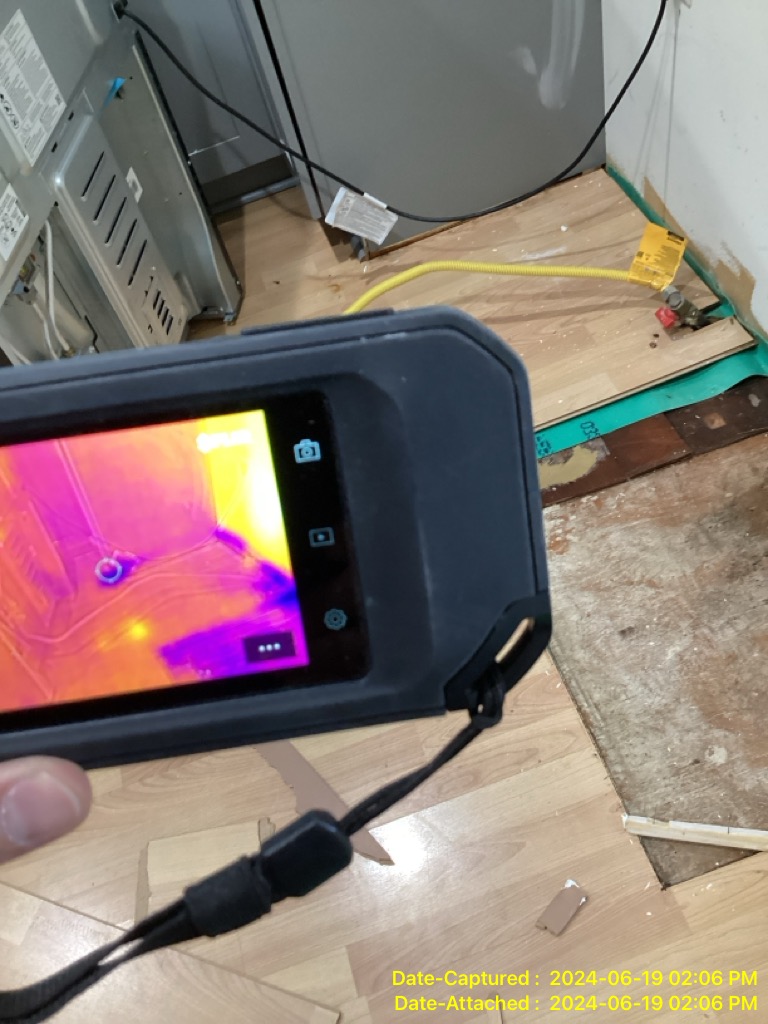
Infrared cameras detect temperature differences indicating hidden moisture in walls, ceilings, and floors. Moisture meters measure actual moisture content in materials, providing objective data versus guessing based on feel.
Professionals use these tools to map moisture, design drying strategies, and verify complete drying. Without them, you’re working blind.
Specialized Drying Equipment
Professionals deploy equipment like injectidry systems that force dry air into wall cavities, floor drying mats for hardwood floors, and containment systems for targeted drying. This specialized equipment addresses specific situations that general tools cannot.
How Do Professionals Extract Water From Fort Wayne Homes?
Extraction technique significantly impacts drying success and timeline.
Initial Assessment
Professional teams begin with comprehensive assessment using moisture meters and infrared cameras. They map moisture extent, identify hidden water, and determine contamination level. This assessment guides equipment selection and strategy.
Standing Water Removal
For deep water, submersible pumps begin extraction. These pumps handle high volume quickly. Water is discharged away from foundations to prevent re-entry.
For moderate water levels, powerful extraction equipment pulls water from carpets, padding, and flooring. Teams work systematically, extracting from all affected areas.
Carpet and Pad Extraction
Carpet padding holds water tenaciously. Professionals use weighted extraction tools that compress padding while vacuuming, removing far more water than surface extraction alone.
Hardwood floor extraction requires specialized tools that extract without damaging wood surfaces.
Hidden Water Extraction
Water behind walls, under subfloors, and in other hidden spaces requires special attention. Professionals may drill small holes in drywall to inject drying air or extract water from wall cavities.
Extraction Speed
Professional teams typically complete extraction within hours of arrival. This speed limits damage spread and enables faster drying.
What Happens During Professional Structural Drying?
Drying is the most critical phase and where professional expertise matters most.
Equipment Placement Strategy
Professionals position air movers and dehumidifiers based on psychrometric calculations, airflow patterns, and moisture mapping. Placement isn’t random. It’s engineered for maximum efficiency.
Air movers are angled to create airflow across wet surfaces without directly blasting drywall, which can cause cracking. Dehumidifiers are positioned to process the most humid air.
24/7 Operation
Drying equipment runs continuously. Professionals monitor daily, taking moisture readings throughout affected areas. They adjust equipment placement and settings based on readings, ensuring optimal drying progress.
Humidity Control
Maintaining specific humidity levels during drying is critical. Too high and drying slows or stops. Too low wastes energy without meaningful improvement. Professionals adjust dehumidifier output to maintain ideal ranges.
Temperature Management
Maintaining temperatures between 70 and 80 degrees Fahrenheit optimizes drying. Professionals may use heating equipment to maintain optimal temperatures, especially during Fort Wayne’s cold months.
Progress Monitoring
Daily moisture readings track drying progress. Professionals document readings, creating records proving complete drying. They don’t stop when things “feel” dry. They stop when objective measurements confirm materials have reached normal moisture content.
Typical Drying Timeline
With professional equipment and monitoring, structural drying typically completes in 3 to 7 days. Factors like flooding extent, materials affected, outside humidity, and temperature impact timeline.
DIY attempts often take two to three times longer if they achieve adequate drying at all.
How Do Restoration Companies Prevent Mold Growth?
Mold prevention is a primary focus throughout restoration.
Rapid Response
The single most effective mold prevention strategy is beginning extraction and drying within hours of flooding. Every hour of delay increases mold risk exponentially.
PuroClean Disaster Restoration of West Fort Wayne’s 24/7 availability exists specifically to enable rapid response that prevents mold.
Complete Moisture Removal
Mold needs moisture to grow. Complete drying within 48 hours removes the primary growth requirement. This is only achievable with professional equipment and monitoring.
Antimicrobial Treatment
After drying, professionals apply EPA-registered antimicrobial treatments to affected areas. These treatments kill existing mold spores and help prevent future growth.
HEPA Air Filtration
During restoration, HEPA filters capture airborne mold spores, preventing spread throughout your home. This containment is especially important if any mold growth has begun.
Material Removal When Necessary
Some materials cannot be adequately cleaned after mold growth. Professionals know which materials require removal versus cleaning, preventing future mold problems from contaminated materials.
What Materials Can Be Saved Versus Must Be Replaced?
These decisions significantly impact restoration costs and success.
Carpet and Padding
Padding is rarely salvageable. It’s also relatively inexpensive. Professionals remove affected padding immediately.
Carpet might be saved if water was clean, flooding brief, and extraction/drying occurred quickly. Contaminated water or delays over 48 hours typically require carpet replacement.
Drywall
Standard drywall wicks water upward and becomes structurally weakened when wet. If flooding reached more than a few inches up walls, drywall typically requires removal to at least 12 inches above the water line.
Mold-resistant drywall has better survival odds but still requires removal if significantly saturated or contacted by contaminated water.
Hardwood Flooring
Solid hardwood can often be saved with proper extraction and drying. Cupping (edges higher than centers) sometimes reverses as wood dries. However, severe buckling, warping, or contamination requires replacement.
Engineered hardwood has lower survival odds due to construction. The thin veneer layer separates easily when saturated.
Insulation
Fiberglass insulation holds moisture indefinitely and cannot be adequately dried. Any insulation contacted by flood water requires removal.
Baseboards and Trim
These are relatively inexpensive and removing them improves wall drying effectiveness. Professionals typically remove affected baseboards even if they might be salvageable.
Contents
Hard, non-porous items can usually be cleaned and saved. Wood furniture can be cleaned and dried. Upholstered furniture is difficult to save, especially with contaminated water. Electronics rarely function properly after water contact, even if they initially seem fine.
How Do Fort Wayne Homeowners Work With Insurance During Restoration?
Insurance navigation significantly impacts your financial outcome.
Immediate Notification
Call your insurance company as soon as flooding occurs. Most policies require prompt notification. Delays can complicate or even invalidate claims.
Document Everything
Take extensive photos and video before cleanup begins. Document the water source, all affected areas, damaged belongings, and any visible damage. Continue documenting throughout restoration.
Save all receipts for any emergency expenses like hotel stays, meals, or emergency supplies.
Understand Your Coverage
Homeowner’s policies typically cover internal water sources like burst pipes, roof leaks, and appliance failures. External flooding from storms, rivers, or groundwater usually requires separate flood insurance.
Ask specific questions about your coverage, deductibles, and claim process. Don’t assume what’s covered.
Emergency Mitigation
Insurance policies typically cover reasonable emergency mitigation costs. This means emergency water extraction and drying to prevent additional damage. You don’t need insurance approval before calling restoration professionals during emergencies.
However, get approval before beginning reconstruction or non-emergency repairs.
Working With Adjusters
Insurance adjusters assess damage and determine covered costs. Having professional restoration documentation strengthens claims. Restoration companies experienced in insurance work can advocate on your behalf when disputes arise.
Direct Billing
Many restoration companies work directly with insurance companies, billing them directly rather than requiring you to pay upfront and wait for reimbursement. This significantly eases your financial burden.
PuroClean Disaster Restoration of West Fort Wayne works with all major insurance companies and can often arrange direct billing.
What Does Complete Flood Restoration Include?
Understanding the full process helps set realistic expectations.
Emergency Response Phase
24/7 arrival, safety assessment, water source identification and shutoff, emergency water extraction, emergency contents pack-out if necessary, and initial equipment placement.
Structural Drying Phase
Complete moisture extraction, commercial dehumidification, industrial air movement, daily monitoring and adjustment, antimicrobial treatment, and documentation of drying progress.
Demolition Phase
Removal of unsalvageable materials including drywall, insulation, flooring, baseboards, and affected contents. Proper disposal following contamination protocols.
Cleaning Phase
Deep cleaning of structure, HVAC duct cleaning if necessary, contents cleaning, deodorization, and final antimicrobial treatment.
Reconstruction Phase
Drywall installation, insulation replacement, flooring installation, painting, baseboard and trim installation, and final finishing.
Final Inspection
Moisture verification, odor check, system testing, and walkthrough with homeowner.
How Long Does Flood Restoration Take in Fort Wayne?
Timeline expectations help with planning.
Emergency Response
1 to 4 hours from your call, professional teams arrive and begin emergency work.
Water Extraction
Typically completes within the first day, often within hours for moderate flooding.
Structural Drying
3 to 7 days with professional equipment and monitoring. Fort Wayne’s climate conditions affect timeline.
Repairs and Reconstruction
1 to 6 weeks depending on damage extent. Material availability and contractor schedules impact timeline.
Total Recovery Timeline
Minor flooding: 2 to 3 weeks Moderate flooding: 3 to 6 weeks
Extensive flooding: 6 to 12 weeks
Fort Wayne Specific Timeline Factors
Winter flooding may require longer drying due to inability to ventilate with outdoor air. Summer humidity can extend drying timelines. Material availability affects reconstruction, especially during busy seasons when multiple homes need similar repairs.
What Does Flood Restoration Cost Fort Wayne Homeowners?
Cost understanding helps with decisions and insurance claims.
Emergency Extraction and Drying
$1,500 to $4,500 for typical residential flooding. Costs vary based on water volume, contamination level, and affected square footage.
Material Replacement
Drywall: $50 to $75 per panel installed Flooring: $3 to $15 per square foot depending on material Carpet: $2 to $8 per square foot installed Baseboard: $2 to $5 per linear foot
Additional Services
Contents pack-out and cleaning: $500 to $2,500 Mold remediation: $1,500 to $10,000+ if needed HVAC cleaning: $300 to $1,000
Total Restoration Costs
Minor flooding (one room, clean water): $3,000 to $6,000 Moderate flooding (basement or multiple rooms): $6,000 to $15,000 Extensive flooding (multiple levels or black water): $15,000 to $50,000+
Fort Wayne Cost Factors
Local labor rates, material costs in the Fort Wayne market, and seasonal demand all affect pricing. Winter pipe bursts during severe cold snaps create high demand, potentially affecting availability and costs.
Investment Value
Professional restoration seems expensive during crisis, but it’s always cheaper than fixing problems from inadequate DIY attempts. It also preserves your home’s value and your family’s health.
How Can Fort Wayne Homeowners Prevent Future Flooding?
Prevention is always more cost-effective than restoration.
Winter Pipe Protection
Fort Wayne’s extreme cold demands serious pipe protection. Insulate pipes in exterior walls, crawl spaces, and attics. Install heat tape on vulnerable pipes. During severe cold, let faucets drip and open cabinet doors to allow warm air circulation around pipes.
Consider smart water shut-off systems that detect freezing conditions and shut off water automatically.
Sump Pump Maintenance
Many Fort Wayne homes have sump pumps. Test yours quarterly. Install battery backup systems for power outage protection. Consider water-powered backup pumps as additional protection.
Foundation and Drainage
Ensure proper grading slopes away from your foundation. Clean gutters at least twice yearly. Extend downspouts at least six feet from your foundation. Seal foundation cracks before they become entry points.
Storm Sewer Backup Protection
Consider installing backwater valves on basement drains to prevent sewage backup during storm sewer overflows. This is especially important in older Fort Wayne neighborhoods with combined sewer systems.
Appliance Maintenance
Replace washing machine hoses every five years. Replace rubber hoses with braided stainless steel. Install water sensors near water heaters, under sinks, and near appliances. Replace water heaters proactively at 8 to 10 years rather than waiting for failure.
Flood Insurance
If you live in a flood-prone area, maintain flood insurance. Even if you’re not in a designated flood zone, consider coverage. Flooding can occur anywhere, and standard homeowner’s policies exclude external flooding.
Emergency Preparedness
Know where your main water shutoff is located. Ensure all family members can operate it. Keep emergency contact numbers accessible, including restoration professionals. Document your home and belongings through photos for insurance purposes.
Frequently Asked Questions
How quickly can PuroClean respond to flood emergencies in Fort Wayne?
PuroClean Disaster Restoration of West Fort Wayne provides 24/7 emergency response, typically arriving within 1 to 4 hours of your call. Response time matters critically, as every hour of delay increases damage and costs. Their teams are specifically equipped to respond immediately regardless of time or weather conditions. During Fort Wayne’s severe weather events or cold snaps when multiple emergencies occur, having local teams ensures faster response than companies serving larger territories. Call (260) 263-9788 immediately when flooding occurs.
Does homeowner’s insurance cover burst pipe flooding in Fort Wayne?
Homeowner’s policies typically cover sudden and accidental water damage from internal sources like burst pipes, which is Fort Wayne’s most common winter flooding source. However, coverage can vary based on specific policy terms and circumstances. Some policies exclude certain scenarios or have limits on coverage. Call your insurance provider immediately after flooding occurs to verify your specific coverage. Professional restoration companies can also help you navigate insurance claims and often work directly with adjusters.
Can frozen pipe damage be prevented in Fort Wayne’s extreme cold?
Yes, through multiple protective measures. Insulate all pipes in unheated spaces including attics, crawl spaces, and exterior walls. Install heat tape on vulnerable pipes. During extreme cold warnings, let faucets drip slightly and open cabinet doors under sinks to allow warm air circulation. Keep your home heated to at least 55 degrees even when you’re away. Consider smart monitoring systems that alert you to temperature drops. The Patterson family’s experience shows that even one unprotected vulnerability can cause massive damage during Fort Wayne’s severe cold snaps.
What should I do if flooding occurs while I’m away from my Fort Wayne home?
If you discover flooding remotely through sensors or neighbors, call professional restoration immediately even before you can return home. Every hour matters. Give restoration companies access information if possible. Shut off water remotely if you have smart home technology. Contact your insurance provider. If flooding is severe, consider having a trusted neighbor or friend meet restoration teams. Professional restoration companies can secure your property and begin mitigation even in your absence, preventing damage from escalating.
Is basement flooding common in Fort Wayne?
Yes, basement flooding is relatively common due to several factors: Fort Wayne’s heavy spring rains and storms, aging sewer infrastructure in older neighborhoods, clay soil that retains water, and combined sewer systems that can back up during heavy rainfall. Many Fort Wayne homes have finished basements, increasing potential damage costs. This is why sump pump maintenance, backwater valves, and rapid professional response matter so much for Fort Wayne homeowners.
Can mold grow during Fort Wayne winters?
Absolutely. While people associate mold with summer humidity, winter flooding creates excellent mold conditions. Heated indoor spaces with wet materials create humid microclimates perfect for mold growth. Closed windows and limited ventilation during cold weather trap moisture. Wet insulation in walls creates hidden mold growth opportunities. The 48-hour window for mold prevention applies regardless of season. Winter flooding requires the same urgent professional response as summer flooding.
How do restoration companies dry homes during Fort Wayne winters?
Professional restoration teams use commercial dehumidifiers and controlled heating to manage drying regardless of outdoor temperature. They cannot rely on outdoor air exchange due to cold temperatures, so they create controlled indoor environments optimized for drying. This requires more sophisticated equipment and monitoring than summer drying. Industrial dehumidifiers remove moisture while heating systems maintain optimal temperatures. This is another reason professional equipment dramatically outperforms DIY attempts during winter.
What’s the biggest mistake Fort Wayne homeowners make after flooding?
Delaying professional help is the costliest mistake. Like the Patterson family, many homeowners spend crucial hours debating whether they really need professionals, comparing prices, or attempting inadequate DIY cleanup. Every hour of delay multiplies damage and costs. The second biggest mistake is inadequate drying that leaves hidden moisture, creating mold problems months later. Professional restoration prevents both mistakes through immediate response and complete drying verification.
Does flood restoration include reconstruction work?
Comprehensive restoration companies handle the entire process from emergency extraction through final reconstruction. This includes drywall installation, flooring replacement, painting, trim work, and all finishing. Working with a single company for complete restoration streamlines the process, ensures accountability, and typically completes faster than coordinating multiple contractors. PuroClean Disaster Restoration of West Fort Wayne provides complete restoration services, returning your home to pre-loss condition.
How can I find a trustworthy flood restoration company in Fort Wayne?
Look for proper certifications including IICRC (Institute of Inspection, Cleaning and Restoration Certification), which ensures technicians are trained in water damage restoration. Verify licensing and insurance. Check reviews from multiple sources. Confirm 24/7 emergency availability. Ask about their process, equipment, and timeline expectations. Established companies with years of local Fort Wayne service generally provide more reliable results than new companies or those operating across large regions. PuroClean Disaster Restoration of West Fort Wayne meets all these criteria and has served Fort Wayne homeowners for years.
Conclusion
Flood damage strikes Fort Wayne homes regularly, from winter pipe bursts during extreme cold to spring storm flooding and summer thunderstorm damage. The Patterson family learned expensive lessons about the importance of immediate professional response and adequate equipment.
Your home is likely your largest investment. Protecting that investment during flooding emergencies requires swift, informed action. Every hour of delay multiplies damage and increases costs. DIY approaches rarely achieve adequate results because homeowners simply cannot replicate professional equipment and expertise.
Professional flood restoration isn’t an expense, it’s an investment in proper recovery that prevents far more expensive problems down the road. Complete drying within 48 hours prevents mold. Professional equipment ensures hidden moisture doesn’t remain. Experienced technicians know which materials can be saved and which require replacement.
PuroClean Disaster Restoration of West Fort Wayne understands Fort Wayne’s unique flooding challenges from severe winter cold to spring storms and aging infrastructure. Their certified technicians bring years of local experience, commercial equipment, and comprehensive restoration services that take you from emergency through complete reconstruction.
Don’t face flooding alone. Don’t waste critical hours debating whether you need help. Don’t risk your family’s health and home’s value with inadequate DIY attempts. When flooding strikes, call PuroClean Disaster Restoration of West Fort Wayne immediately at (260) 263-9788. Their 24/7 emergency response ensures professional help arrives quickly, preventing damage from escalating.
Whether you’re currently experiencing flooding or want to establish a relationship before emergency strikes, call now. Your Fort Wayne home deserves proper restoration by professionals who understand local conditions and deliver complete recovery. Make that call to (260) 263-9788 right now. Your home’s recovery depends on it.
 PuroClean Disaster Restoration of West Fort Wayne