


Reviewed for technical accuracy by PuroClean Disaster Restoration of West Fort Wayne’s IICRC-certified restoration team.
Key Takeaways for Homeowners
- Water damage often hides inside walls, under floors, and behind basement finishes long before it becomes visible.
- Cracks that widen, doors that stick, and floors that slope can signal moisture affecting framing or the foundation.
- Fort Wayne’s clay-rich soils in areas like Lakeside and Bloomingdale can trap water against foundations and raise hydrostatic pressure.
- Basement backups in older combined-sewer neighborhoods may involve Category 3 (black water) and need a different cleanup scope.
- Wet materials can support mold within 24 to 48 hours, so early detection protects both structure and health.
- Suspected foundation movement should be checked by a licensed structural engineer, in addition to a moisture assessment.

What Is Hidden Water Damage?
Hidden water damage is moisture inside building materials that cannot be seen from the surface, such as wet framing, insulation, subfloor, or masonry. The IICRC S500 Standard for Professional Water Damage Restoration is the industry reference for locating and drying it. It calls for finding the source, classifying the water, and verifying that materials are dry.
FEMA flood guidance advises that after water exposure, homeowners should have structural components inspected before making repairs, because wet foundations and framing can lose strength. Hidden damage is common because water travels along studs, pipes, and under flooring before it appears.
Takeaway: If something feels off after a wet spell, test for moisture before you cover it up.
Why Is Fort Wayne Prone to Foundation and Structural Water Problems?
Fort Wayne is prone to structural water problems because of its rivers, soils, and sewers. The city sits where the St. Marys and St. Joseph Rivers meet to form the Maumee, which drains the largest watershed of any Great Lakes tributary, over 6,600 square miles. Large parts of the city lie in flood-prone watersheds, and the 1913 flood and the 1982 flood known as “The City That Saved Itself” show how long that risk has existed.
Soil matters just as much. Fort Wayne rests on glacial outwash with variable permeability. In clay-rich areas like Lakeside and Bloomingdale, water drains slowly and presses against basement walls. Rapid snowmelt over frozen, saturated ground in spring adds to the pressure, and summer thunderstorms can overload drainage again.
Older neighborhoods such as Waynedale, the South Side, and Foster Park, along with downtown, are served by combined sewers that can overflow during intense rain, sending water back through floor drains. Newer homes in Aboite generally have more modern drainage, but sump pump failures and plumbing leaks can still cause hidden damage.
Takeaway: Inspect your basement after snowmelt and after every major thunderstorm.
7 Hidden Signs of Water Damage That Could Weaken Your Foundation and Structure

1. Cracks That Grow, Leak, or Shift
Hairline shrinkage cracks are common in concrete. Cracks that widen, run horizontally, form a stair-step pattern in block walls, or leak after rain suggest pressure from saturated soil. Mark the ends with a pencil and date them to track change.
2. Bowing or Leaning Basement Walls
An inward bow in a foundation wall points to lateral pressure from wet soil. In Fort Wayne’s clay areas, this pressure can build after long wet periods. This needs a structural engineer, not just a sealant.
3. Floors That Slope, Sag, or Feel Spongy
Soft spots can mean wet joists or subfloor delamination, where layers of plywood separate. Floors that dip over time may also reflect foundation settling. Both are reasons to investigate.
4. Doors and Windows That Suddenly Stick
Frames can swell with moisture, or the house may be shifting slightly. A door that worked fine last year and now binds, especially after a wet spring, is an early signal worth checking.
5. White Chalky Deposits on Basement Walls
Efflorescence is a mineral residue left when water moves through concrete or block and evaporates. It is not damage by itself, but it confirms water is passing through the wall, and long-term moisture can erode masonry.
6. Soft or Rotted Wood and Rusted Fasteners
Press a screwdriver into sill plates, baseboards, and exposed joists. Wood that is soft or crumbly has lost strength. Rust on nails, brackets, and metal supports suggests long-term humidity or wetting.
7. Persistent Musty Odor, Stains, or Mold
A damp, earthy smell, rings on walls, or peeling paint point to moisture trapped in materials. The EPA says moisture control is the key to mold control. Mold on baseboards or behind stored items may hint at larger hidden growth.
Takeaway: Document every sign with dated photos so a professional can see how it changed.
How Do Professionals Handle Hidden Water Damage?
Professionals handle hidden water damage by measuring moisture, removing what cannot be saved, and drying the structure to a documented standard. The steps follow IICRC S500.
- Find the source and classify the water. Clean, gray, and black water need different protocols.
- Map moisture. Moisture meters and thermal imaging reveal wet framing, insulation, and masonry, and hygrometer readings set the baseline for psychrometrics.
- Build a containment barrier. This prevents cross-contamination of clean areas.
- Filter the air. Air scrubbers with HEPA filtration create negative air pressure when mold or contamination is present.
- Remove unsalvageable materials. Saturated drywall, insulation, and carpet are removed.
- Dry the structure. LGR dehumidifiers and air movers handle structural drying. Deep saturation may be classified as Class 4 water damage and need specialized methods.
- Treat surfaces. An antimicrobial biocide is applied where appropriate.
- Verify. Final readings confirm dryness before rebuilding.
Takeaway: Ask your contractor to share daily moisture readings.
What Sets PuroClean of West Fort Wayne Apart?
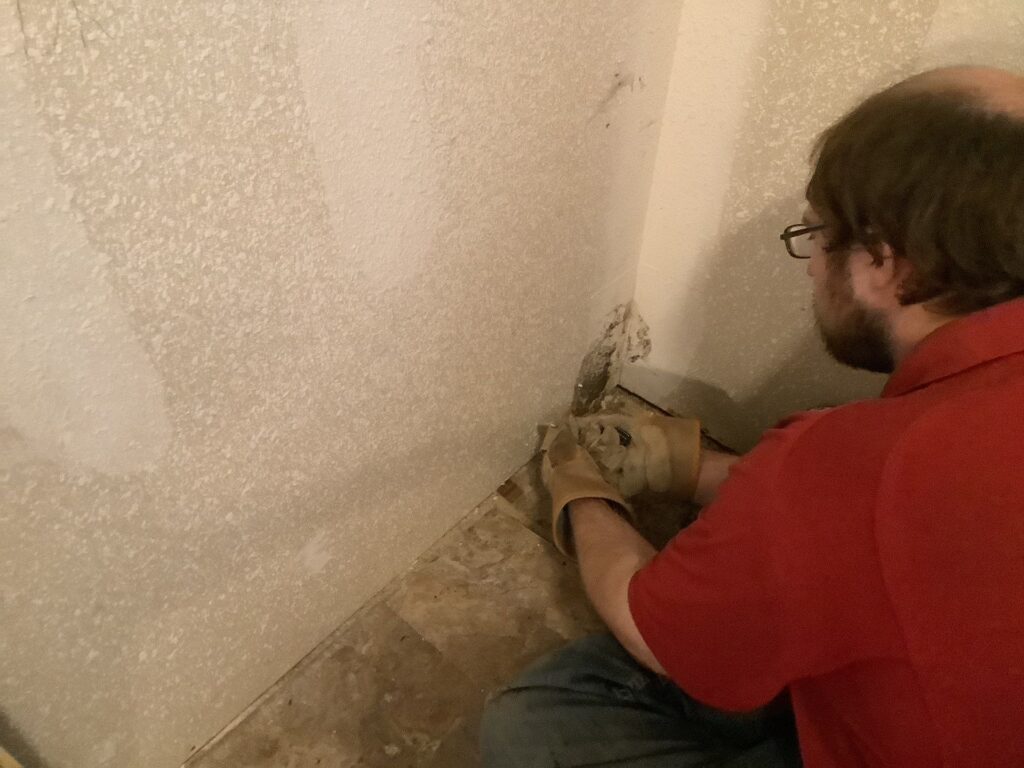
PuroClean Disaster Restoration of West Fort Wayne offers 24/7 emergency dispatch, IICRC-certified technicians, and direct insurance billing, with local crews serving Fort Wayne, Aboite Township, and Allen County.
Frequently Asked Questions
Does insurance cover structural water damage in Fort Wayne?
Coverage depends on the cause and your policy. Sudden, accidental water damage, such as a burst pipe, is more often covered. Groundwater seepage and flooding are commonly excluded, and sewer backup usually requires an endorsement. Contact your agent promptly. The Indiana Department of Insurance offers consumer resources.
How much does it cost to repair water-damaged structure?
Cost depends on which materials are affected, how long they stayed wet, the water category, and the drying needed. Foundation repairs are separate from water damage restoration and depend on an engineer’s findings. A professional moisture inspection gives the most reliable starting estimate.
How long does structural drying take?
Structural drying often takes several days, depending on the materials, humidity, and saturation. Dense materials like framing and masonry dry slowly. Technicians rely on daily moisture readings to know when drying is complete rather than a set number of days.
Can I handle water damage myself?
Small, clean-water spills on surface materials may be manageable. Call a professional if water has been present longer than 48 hours, if it came from a sewer or floor drain, if you see bowing walls or widening cracks, or if mold covers more than about 10 square feet.
Can hidden water damage affect my health?
It can. Mold growth from hidden moisture may cause allergy symptoms, irritation, and asthma flare-ups, per EPA guidance. Sewage-contaminated water carries bacteria. Children, older adults, and people with respiratory or immune conditions are more sensitive. Limit time in affected areas until a professional evaluates them.
Are Fort Wayne’s clay soils a risk for my foundation?
Clay-rich soil drains slowly, so water can sit against foundation walls and build hydrostatic pressure, especially after spring snowmelt. Proper grading, extended downspouts, and a working sump pump reduce the load. If you see cracks or bowing, have a structural engineer evaluate the foundation.
Noticing Warning Signs in Your Fort Wayne Home?
If cracks are growing, floors feel soft, or a musty smell lingers, a moisture inspection can show what is happening behind the surface. PuroClean Disaster Restoration of West Fort Wayne serves Fort Wayne, Aboite Township, and surrounding Allen County neighborhoods. Call (260) 263-9788 any time. Our IICRC-certified technicians are available 24/7 and can bill your insurance directly.

