


Reviewed for technical accuracy by PuroClean Disaster Restoration of West Fort Wayne’s IICRC-certified restoration team.
A fire down the street or next door can leave your property with smoke and soot damage even if flames never touched it. Smoke travels through windows, attic vents, door gaps, and heating and cooling ducts, and it leaves residues that corrode surfaces and hold odor. The IICRC S700 Standard for Professional Fire and Smoke Damage Restoration is the primary industry reference for how smoke and soot are identified, tested, and cleaned, and it guides every step in this article. For Fort Wayne property owners, a nearby fire can also bring a second problem: the water used to fight it. This guide explains what to do first and what professionals do next.
Key Takeaways for Property Owners
- Stay out until the fire department gives the all clear, and keep your furnace, air conditioner, and fans off so soot is not pulled through the building.
- Do not wipe soot with a wet rag or household cleaner, because that can smear residue into porous surfaces.
- Smoke residue can be acidic and may tarnish metal, etch glass, and stain finishes within days, so early professional cleaning helps.
- Report smoke damage to your own insurer first, even if the neighbor’s fire caused it, and let the insurers sort out responsibility.
- Water from firefighting can saturate Fort Wayne’s clay-rich soils and press against foundations, especially after spring snowmelt over frozen ground.
- EPA mold guidance says wet materials should be dried within 24 to 48 hours to help prevent mold.
What should property owners do immediately after smoke from a nearby fire reaches their building?
First, make sure everyone is safe and wait for the fire department’s clearance. Then limit the spread of soot: keep the HVAC off, avoid touching soot-covered surfaces, and ventilate only when the air outside is clear. Document the damage, call your insurer, and bring in a certified smoke and soot restoration company.
7 things to do immediately
- Wait for the all clear. Follow fire department instructions. Do not enter if smoke, heat, or structural damage is a concern, and stay away from the fire scene.
- Shut off the HVAC system. Turn off the furnace, air conditioner, and fans. Running them can pull smoke into ductwork and spread soot through every room.
- Protect your breathing. Wear an N95 or better mask if you must enter. People with asthma, heart or lung conditions, children, and older adults should stay out until the air is checked.
- Do not wipe or scrub soot. Avoid wet cloths, sponges, and sprays, and do not use a standard household vacuum, which can blow fine soot back into the air.
- Ventilate carefully. Open windows briefly only after outdoor smoke has cleared. Do not run fans that draw outside smoke into the building.
- Document everything. Photograph or video soot deposits, discolored walls, damaged items, and any water. List affected belongings.
- Call your insurer and a restoration professional. Report the loss promptly, request a smoke inspection, and keep receipts for food, lodging, and emergency purchases.
Actionable takeaway: Store your insurance policy number and claims line in your phone, so you can report a loss within minutes.
How does smoke damage differ depending on the fire?
The type of fire changes the type of residue, and each is cleaned differently. Dry smoke from fast-burning wood and paper leaves powdery soot. Wet smoke from slow, smoldering fires leaves sticky, smeary residue with strong odor. Protein residue from kitchen fires is nearly invisible but smells strongly, and synthetic materials can leave heavy, greasy deposits. Under IICRC S700, technicians test surfaces to identify the residue before choosing a cleaning method.
Soot is acidic and can corrode metals and etch glass. It enters through windows, soffit vents, attic gaps, and any ductwork that runs. Buildings that are close to the fire and downwind can have damage even if the fire never touched them.
Actionable takeaway: Keep windows closed while a nearby fire is burning, and keep the HVAC off until outdoor air clears.
How do Fort Wayne’s rivers, soils, and sewers add water risk after a fire?
Fire crews use large volumes of water, and Fort Wayne’s geography affects where it goes. The city sits where the St. Marys and St. Joseph Rivers meet to form the Maumee, and the Maumee drains the largest watershed of any Great Lakes tributary, over 6,600 square miles. The 1913 flood and the 1982 flood, remembered as the year the city saved itself, are part of local history, and they are background on why groundwater matters here, not a cause for alarm.
The soil matters too. Fort Wayne sits on glacial outwash with variable permeability, and clay-rich soils in neighborhoods such as Lakeside and Bloomingdale trap water against foundations and raise hydrostatic pressure on basement walls. Fort Wayne averages roughly 38 inches of precipitation per year, with peak risk during spring snowmelt over still-frozen, saturated ground and during summer thunderstorms. A fire during those periods can add suppression water to ground that cannot absorb it.
Older neighborhoods near downtown, in Waynedale, South Side, and Foster Park, use combined sewers that can overflow in heavy rain and push water into basements through floor drains. That is Category 3 (black water), and IDEM combined sewer overflow policy recognizes it as a public health concern. Established mid-century homes in those neighborhoods often sit close together with older windows and attic vents, while newer developments in Aboite and southwest Fort Wayne have tighter building envelopes and more modern drainage. When water and smoke both enter a building, S700 and S500 work together.
Actionable takeaway: After a nearby fire, check your basement, sump pit, and floor drain for water within the first day.
What does professional smoke and soot restoration involve?
Professional restoration follows the IICRC S700 sequence: inspect, test, protect, clean, deodorize, and verify. Technicians test surfaces to identify residue and then clean from the top down, removing soot before it bonds.
- Inspection and testing. Test cleaning on small areas matches methods to materials. Thermal imaging and moisture mapping locate hidden moisture if firefighting water is involved.
- Containment. A containment barrier of poly sheeting prevents cross-contamination of clean areas. Negative air pressure with HEPA air scrubbers captures airborne soot.
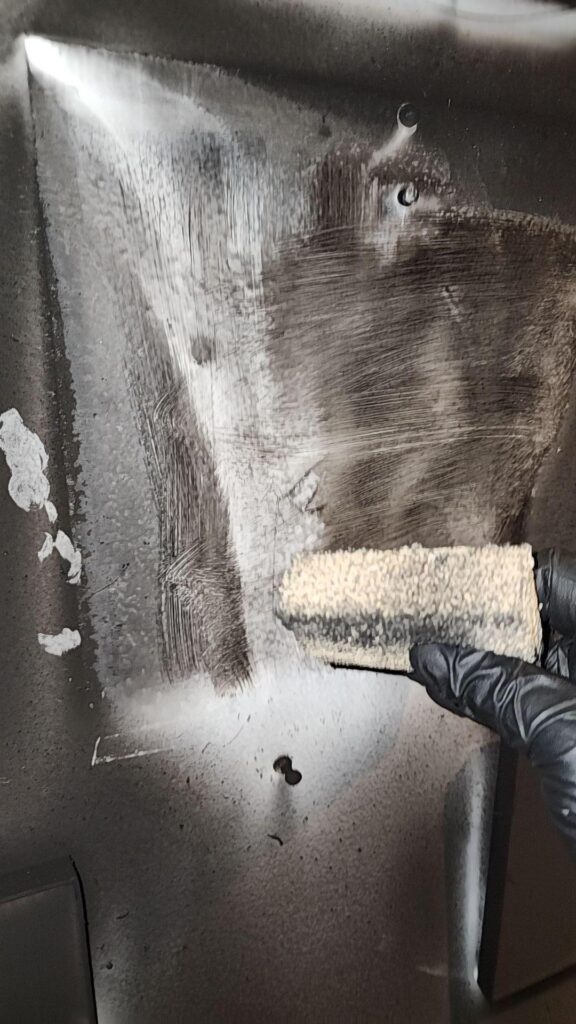
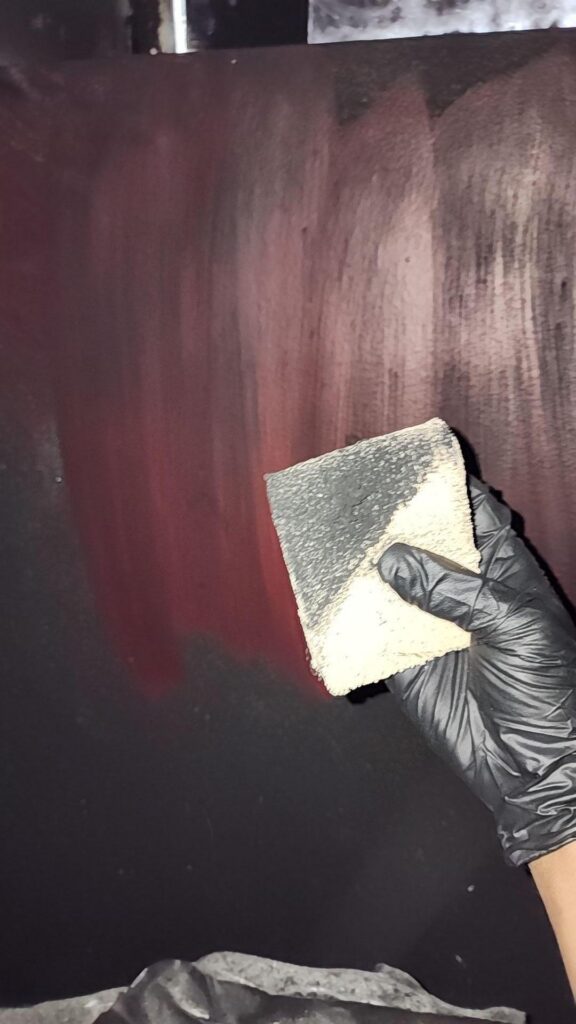
- Dry cleaning. Technicians HEPA vacuum surfaces and use dry chemical sponges on ceilings and walls before any wet cleaning.
- Wet cleaning. Matched cleaners remove remaining residue from hard surfaces, and soft goods are cleaned or removed.
- HVAC and duct cleaning. If the system ran, ducts and equipment are cleaned to prevent re-contamination.
- Deodorization. Odor is neutralized at the source with air scrubbers, thermal fogging, or other treatments matched to the residue.
- Moisture control. When water is present, LGR dehumidifiers and air movers perform structural drying. Technicians track psychrometrics, meaning temperature, humidity, and grains per pound, and log hygrometer readings daily. Antimicrobial biocide is applied if needed, and subfloor delamination is checked.
- Verification. Technicians confirm surfaces, air quality, and odor before handing the building back.
If damp materials linger, mold can follow, and some molds release mycotoxins. In that case, work follows IICRC S520, and Class 4 water damage may apply to dense materials like masonry.
Unlike a generic cleaning service, PuroClean Disaster Restoration of West Fort Wayne offers 24/7 emergency dispatch, IICRC-certified technicians, and direct insurance billing, with local response across Fort Wayne and Aboite Township.
Actionable takeaway: Ask any restoration company how it tests residue type and how it protects your ductwork.
Frequently Asked Questions
Does insurance cover smoke damage from a neighbor’s fire in Indiana?
Most Indiana property policies cover smoke damage from a covered fire, including one that starts nearby. Report the loss to your own insurer first, and they can pursue the other party’s insurer if appropriate. Coverage varies, so contact the Indiana Department of Insurance if you have questions about your rights as a policyholder.
How much does smoke and soot cleanup cost in Fort Wayne?
Cost depends on how much smoke entered, the residue type, the materials affected, and whether ducts, insulation, or contents need cleaning or replacement. Water from firefighting adds scope. A professional inspection gives you a written estimate, and many insurers work with restoration companies directly.
How long does smoke damage restoration take?
Small losses may take a few days, while larger ones with odor in insulation, ductwork, or wet materials can take a week or more. Drying, when needed, often takes three to five days. Technicians should explain each stage, including deodorization and final verification.
Can I clean smoke and soot damage myself?
You can handle very light, dry residue on hard surfaces using dry methods. Call a professional if soot is on walls, ceilings, or fabrics, if odor lingers, if the HVAC ran, or if water entered. Wet wiping often smears soot, and household products cannot reach residue in attics and ducts.
Is smoke from a nearby fire a health risk?
Yes, it can be. Smoke contains fine particles and gases that irritate the lungs and eyes, and people with asthma, heart or lung conditions, children, and older adults are most sensitive. Stay out until the air is clear, wear an N95 mask if you must enter, and see a doctor if symptoms continue.
Can firefighting water cause basement problems in Fort Wayne?
Yes. Runoff can saturate clay-rich soils, and spring snowmelt over frozen ground adds to groundwater pressure. EPA guidance says to dry wet materials within 24 to 48 hours to prevent mold. In older neighborhoods on combined sewers, a drain backup makes the water Category 3, so avoid contact.

