 PuroClean Disaster Restoration of West Fort Wayne
 Executive Summary
Hidden mold growth represents a silent threat in Columbus and Fort Wayne homes, often causing health problems and structural damage before visual detection occurs. This guide teaches homeowners to identify concealed mold through indirect indicators including musty odors, unexplained health symptoms, moisture patterns, and building performance issues. Common hiding locations include wall cavities, HVAC systems, crawl spaces, attics, and beneath flooring. Advanced detection methods using moisture meters, thermal imaging, and air quality testing enable discovery before colonies become visible. Understanding regional construction vulnerabilities and climate factors helps predict high-risk areas requiring monitoring. Early intervention through professional inspection and targeted remediation prevents minor hidden growth from becoming major contamination requiring extensive structural work.
Where Does Mold Hide in Homes and Why Is This Dangerous?
Jennifer Chen thought she was making a smart investment when she purchased a charming 1940s Colonial in Columbus three years ago. The home inspection showed no major issues, and she loved the character of the older property. About eight months after moving in, Jennifer began experiencing morning headaches and persistent fatigue. Her ten-year-old son developed a chronic cough his pediatrician couldn’t explain despite multiple treatments.
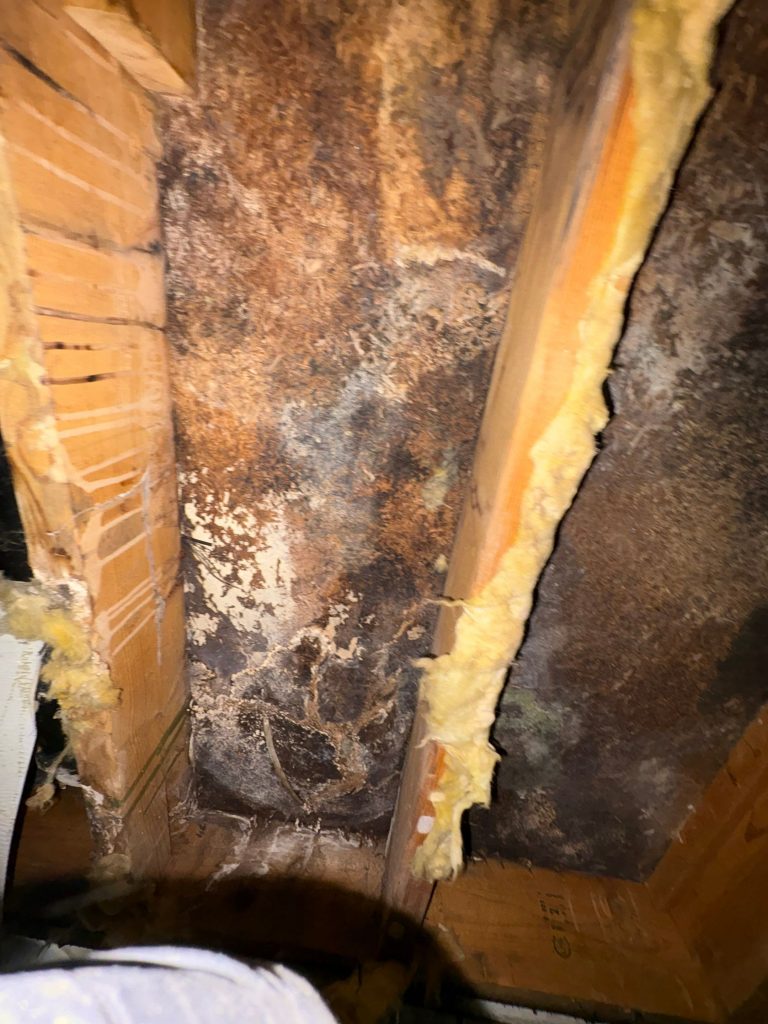
The mystery deepened when Jennifer’s symptoms improved dramatically during a two-week vacation but returned within days of coming home. Suspecting environmental factors, she hired a mold inspection company. What they discovered shocked her: extensive black mold growth inside the walls surrounding an upstairs bathroom, colonies thriving in the HVAC ductwork, and Aspergillus contamination in the attic insulation. None of this mold was visible during daily life. The remediation required opening walls, replacing ductwork, and removing contaminated insulation, ultimately costing over $22,000.
Jennifer’s experience illustrates the hidden mold threat many homeowners face. Unlike visible surface growth that prompts immediate action, concealed mold operates silently, affecting health and deteriorating structures while remaining completely out of sight. By the time hidden mold becomes visible, contamination has typically reached advanced stages requiring extensive remediation.
What Are the Most Common Hidden Mold Locations in Homes?
Understanding where mold hides allows targeted inspection and early detection before health impacts or major damage occur. Several locations provide ideal concealment combined with conditions supporting growth.
Wall cavities represent the most problematic hiding spot. Mold grows behind drywall when moisture intrudes through roof leaks, plumbing failures, exterior envelope breaches, or condensation. The enclosed space traps moisture against organic materials like drywall paper and wood framing, creating perfect growth conditions. Homeowners remain unaware until mold breaks through to visible surfaces, musty odors become overwhelming, or health symptoms appear.
Bathroom wall cavities face particular vulnerability. Shower and tub surrounds experience constant moisture exposure. Small grout cracks or caulk failures allow water penetration behind tile or tub enclosures. Many older Columbus and Fort Wayne homes have substandard bathroom moisture barriers, enabling water to reach wall cavities easily. The warm, humid bathroom environment accelerates mold growth once moisture access occurs.
HVAC systems provide distribution networks spreading hidden mold throughout properties. Mold grows in ductwork, on cooling coils, in drip pans, and inside air handling units. Every time the system operates, it disperses spores from these hidden colonies into living spaces. This creates whole-house contamination from a single hidden source.
The conditions inside HVAC systems promote mold establishment. Condensation on cooling coils provides moisture. Dust accumulating in ductwork supplies nutrients. Darkness and still air between operating cycles create undisturbed growth environments. Many Fort Wayne and Columbus HVAC systems, particularly in older homes, have never undergone thorough internal cleaning, allowing years of mold accumulation.
Crawl spaces exist in many regional properties, creating massive hidden areas homeowners rarely inspect. These spaces typically have exposed dirt floors, inadequate ventilation, foundation moisture intrusion, and organic debris. Combined, these factors make crawl spaces prime mold territory. Contamination spreads upward through floor framing into living spaces via air infiltration and vapor diffusion.
Attics represent another extensive hidden area with mold potential. Roof leaks introduce moisture. Inadequate ventilation traps humidity. Bathroom and kitchen exhaust vented incorrectly into attics rather than outside provides constant moisture. Insulation retains moisture and provides growth surfaces. Many homeowners never enter attics, allowing mold to flourish undetected for years.
Beneath flooring, particularly carpeting, mold grows hidden from view. Spills not properly dried, pet accidents, minor plumbing leaks, foundation moisture, and flooding all introduce water beneath flooring materials. Carpet padding retains moisture excellently, supporting rapid mold growth. The carpet surface may appear dry and normal while extensive contamination exists underneath.
Inside cabinets and closets, particularly those against exterior walls or containing plumbing, mold develops in corners and on back walls. Reduced air circulation, cooler temperatures promoting condensation, and darkness combine to support growth. Homeowners storing items in these spaces may not notice mold on rear walls hidden behind belongings.
Behind and under appliances, mold thrives on moisture from refrigerator drip pans, washing machine leaks, dishwasher failures, and water heater condensation. These appliances create their own concealment, and many homeowners never move them for inspection.
How Can You Detect Mold You Cannot See?
Identifying hidden mold without invasive investigation requires attention to indirect indicators and systematic assessment of vulnerability factors.
Musty odors provide the most common early warning. Mold produces microbial volatile organic compounds (MVOCs) creating distinctive smells described as musty, earthy, damp, or similar to rotting wood. These odors persist even after thorough cleaning and often intensify in humid weather or when HVAC systems operate. Smell without visible mold strongly suggests hidden growth, with odor intensity correlating roughly with contamination extent.
Health symptoms offer another critical indicator. If occupants experience respiratory problems like coughing, wheezing, or congestion that improve away from home and worsen upon return, environmental triggers likely exist. Multiple family members developing similar symptoms simultaneously points toward shared environmental exposure. New allergy symptoms, unexplained headaches, chronic sinus infections, persistent fatigue, skin rashes, and eye irritation all potentially connect to hidden mold exposure.
Pay particular attention to symptoms that correlate with specific locations or activities. Problems worsening in certain rooms, symptoms appearing after showering, or issues intensifying when HVAC operates all provide clues about contamination sources.
Water damage history, even events occurring months or years prior, indicates elevated hidden mold risk. Any past flooding, significant leaks, roof damage, or plumbing failures creates conditions for hidden growth if remediation was incomplete. Many homeowners address visible damage without properly drying concealed spaces, allowing mold establishment.
Current moisture indicators suggest active problems supporting hidden growth. These include condensation on windows, walls, or pipes; water stains on ceilings, walls, or floors; peeling or bubbling paint and wallpaper; warped or buckled wood flooring; rust stains on fixtures; and chronically damp basements or crawl spaces.
Building performance issues sometimes indicate hidden mold. Increased allergy symptoms when HVAC operates suggests ductwork contamination. Rooms feeling unusually humid or stuffy may indicate ventilation problems allowing moisture accumulation. Persistent musty smells in specific areas point toward localized moisture and likely mold growth.
Professional assessment tools detect hidden mold more definitively. Moisture meters measure water content inside walls, floors, and ceilings without invasive probing. Readings above 16% in wood or 1% in drywall indicate elevated moisture supporting mold growth. Thermal imaging cameras reveal temperature patterns indicating moisture accumulation, water intrusion paths, and insulation problems. Cool spots on walls often correspond to wet areas where mold grows.
Air quality testing measures spore concentrations throughout homes, identifying elevated levels indicating hidden sources. Comparing indoor to outdoor spore counts helps determine if indoor growth exists. Testing multiple locations isolates contamination zones. Species identification through laboratory analysis reveals which mold types are present, guiding health risk assessment.
Invasive inspection sometimes becomes necessary when other indicators suggest problems but sources remain unidentified. This involves creating small access holes in walls, ceilings, or floors to inspect interior conditions directly. Borescope cameras inserted through tiny openings allow visual inspection without extensive demolition.
What Construction Features Make Columbus and Fort Wayne Homes Vulnerable?
Regional housing characteristics create specific hidden mold vulnerabilities homeowners should understand when assessing their properties.
Older housing stock predominates in both cities. Many homes were built before 1980, predating modern moisture barrier technology, vapor retarder installation, and current building codes. These older properties typically lack moisture barriers behind exterior sheathing, have inadequate bathroom and kitchen ventilation, feature basement designs prone to moisture intrusion, and include insufficient insulation allowing condensation.
Basement construction particularly affects hidden mold risk. Both cities’ soil conditions and water tables create foundation moisture challenges. Many older properties have poured concrete or stone foundations without proper exterior waterproofing. Interior moisture migrates through these porous foundations, creating chronically damp basements supporting mold growth in wall cavities, insulation, and organic materials.
Crawl space construction in many properties creates massive hidden mold zones. Inadequate ventilation, exposed dirt floors without vapor barriers, and limited access for inspection combine to make these spaces virtually guaranteed mold sources in homes with moisture problems.
Bathroom and kitchen construction in older homes often lacks proper moisture management. Insufficient exhaust ventilation, outdated plumbing prone to minor leaks, and tile or tub surrounds installed without modern moisture barriers allow water penetration into wall cavities where mold grows hidden from view.
Attic ventilation deficiencies plague many regional properties. Inadequate soffit and ridge venting traps moisture in attics. Bathroom exhaust fans incorrectly vented into attics rather than through roofs introduce moisture directly into these spaces. Poor attic ventilation combined with insulation allows moisture accumulation supporting hidden mold growth on roof decking, rafters, and insulation.
HVAC system design in older homes creates hidden mold potential. Many systems have ductwork never designed for modern air conditioning, leading to condensation inside ducts. Inadequate insulation on ductwork in unconditioned spaces produces similar condensation issues. Systems oversized for actual loads cycle frequently, preventing proper dehumidification and maintaining higher humidity levels supporting mold growth.
Addition and renovation quality varies tremendously. Improperly flashed additions allow water intrusion. Renovations that enclosed formerly exterior walls without proper vapor barriers trap moisture. These construction flaws create hidden mold zones homeowners don’t suspect since the areas appear well-finished.
How Does Climate in Columbus and Fort Wayne Create Hidden Mold Risks?
Regional climate patterns interact with building characteristics creating conditions where hidden mold thrives undetected.
Humidity extremes challenge moisture management. Summer humidity regularly exceeds 70%, with frequent periods above 80%. These sustained humid conditions allow moisture accumulation in poorly ventilated spaces. Homes without adequate dehumidification experience indoor humidity levels supporting mold growth even without active water leaks.
Temperature fluctuations produce condensation in hidden areas. Warm, humid summer air contacting cold surfaces like basement walls or air conditioning ducts creates condensation. Winter heating produces reverse effects with cold exterior walls meeting warm interior air generating moisture. These condensation events occur hidden inside wall cavities, in attics, and in crawl spaces, providing water for mold growth without any obvious leak.
Freeze-thaw cycles damage building envelopes. Repeated freezing and thawing stress foundations, create cracks in masonry, damage roofing materials, and compromise siding. These physical damages create pathways for water intrusion often too small to notice but sufficient to introduce moisture into hidden spaces.
Seasonal precipitation patterns create flooding risks. Spring brings heavy rainfall combined with snowmelt, overwhelming drainage systems. This seasonal pattern introduces water into basements and crawl spaces where it soaks into organic materials and supports mold growth through subsequent humid summer months. Many homeowners address visible flooding damage without properly drying hidden spaces, allowing mold establishment.
Year-round moisture challenges mean vigilance cannot relax seasonally. Spring flooding introduces water. Summer humidity enables explosive growth. Fall brings outdoor mold spores that infiltrate and establish indoor colonies. Winter condensation maintains growth in cold areas. This continuous cycle means hidden mold risks exist throughout the year.
The moderate climate actually increases hidden mold risk compared to extreme climates. Consistently mild temperatures keep homes in the 60 to 80 degree range year-round, perfect for most mold varieties. Unlike extremely cold or hot climates that seasonally suppress mold through temperature extremes, Columbus and Fort Wayne provide nearly ideal mold conditions continuously.
What Are the Health Consequences of Living with Hidden Mold?
Hidden mold creates unique health challenges because exposure continues unrecognized while occupants and doctors search for symptom causes.
Chronic low-level exposure produces cumulative effects. Unlike sudden high-level exposure causing dramatic acute symptoms, hidden mold exposes occupants continuously at moderate levels. This sustained exposure causes gradual sensitization, developing allergies, worsening existing respiratory conditions, persistent fatigue and malaise, chronic sinus infections, and cognitive symptoms including difficulty concentrating.
The insidious nature of these symptoms means they develop so gradually that sufferers often adapt without recognizing the cause. Jennifer’s story illustrates this pattern. Her symptoms built over months, and she attributed them to stress, seasonal changes, and other factors before connecting them to her home environment.
Diagnostic challenges arise because symptoms mimic many other conditions. Doctors treating patients with unexplained respiratory issues, chronic fatigue, or persistent allergies rarely suspect environmental mold exposure without patient prompting. Standard medical workups focus on infectious diseases, autoimmune conditions, and other internal causes rather than environmental triggers. Many patients undergo extensive testing and try multiple medications before discovering their home environment as the root cause.
Children suffer disproportionate impacts from hidden mold exposure. Their developing respiratory and immune systems are more vulnerable to mold effects. They breathe more air per body weight than adults, increasing relative exposure. Children spend more time near floors where settled spores concentrate. The combination creates scenarios where children develop persistent health problems from hidden mold while adults in the same home experience milder effects.
Immunocompromised individuals face severe risks from hidden mold. Cancer patients undergoing chemotherapy, organ transplant recipients taking immunosuppressant medications, HIV-positive individuals, and those with primary immune deficiencies can develop life-threatening fungal infections from mold species that merely cause allergies in healthy people. For these vulnerable individuals, hidden mold presents genuine danger beyond nuisance.
Mental health impacts accompany chronic hidden mold exposure. Living with persistent unexplained symptoms creates anxiety and depression. The financial stress of medical bills for mysterious illnesses compounds problems. Relationships strain when one family member experiences severe symptoms others don’t share, leading to tensions around whether symptoms are “real” or environmental. These psychological dimensions add suffering beyond physical health effects.
The delayed recognition means exposure continues far longer than visible mold situations. When homeowners see mold, they address it relatively quickly. Hidden mold affects health for months or years before discovery, creating cumulative damage that sometimes proves difficult to reverse even after exposure ends.
How Can You Inspect Your Home for Hidden Mold Risk Factors?
Systematic self-assessment identifies elevated hidden mold risk before professional inspection becomes necessary. While homeowners cannot detect all concealed mold without specialized equipment, you can identify factors increasing risk and locations deserving closer attention.
Begin with moisture source identification. Walk through your property noting any signs of water intrusion, past or present. Check for roof leaks and stains on ceilings, particularly in attics. Inspect plumbing under sinks, around toilets, near water heaters, and behind washing machines. Examine exterior walls for stains, particularly near ground level. Investigate basement and crawl space dampness. Document any flooding history, even brief events from years past.
Assess ventilation adequacy throughout your home. Bathrooms should have exhaust fans venting to exterior spaces, not attics. Test fan operation and listen for adequate airflow. Kitchens need range hoods or exhaust fans, again venting outside. Attics require soffit and ridge vents providing cross-ventilation. Crawl spaces need ventilation preventing moisture accumulation. Poor ventilation in any of these areas creates hidden mold risk.
Check HVAC system condition and maintenance history. When was ductwork last professionally cleaned? Are drain pans clean and draining properly? Do you change filters regularly? Notice if musty odors intensify when the system operates, suggesting ductwork contamination. Inspect visible ductwork in basements or attics for condensation or moisture damage.
Examine high-risk areas more carefully. Bathroom corners, particularly tub and shower surrounds, deserve attention. Look for missing or damaged grout and caulk allowing water penetration. Exterior wall corners, especially on north-facing walls, are prone to condensation. Check closets against exterior walls for musty odors or condensation signs. Inspect behind and under appliances if accessible.
Use your senses systematically. Smell each room for musty odors. Notice if odors intensify in certain areas or conditions. Observe any rooms feeling unusually humid or stuffy. Pay attention to health patterns, noting if symptoms worsen in specific locations or times.
Document findings photographically. Photographs of water stains, condensation patterns, suspicious areas, and ventilation deficiencies help professionals assess conditions and provide baseline documentation tracking changes over time.
Consider purchasing an inexpensive moisture meter and hygrometer. These tools cost under $50 combined and provide objective data. Measure humidity levels in various rooms, noting any consistently above 60%. Check moisture content in suspicious wall areas, flooring, or basement materials.
What Professional Inspection Methods Detect Hidden Mold?
Professional mold inspection combines visual assessment with technology detecting problems invisible to unaided inspection.
Certified inspectors begin with comprehensive visual examination, assessing every accessible area for mold indicators. Their trained eyes recognize subtle signs homeowners miss, including discoloration patterns suggesting hidden moisture, paint texture changes indicating water damage, and building performance issues suggesting moisture problems.
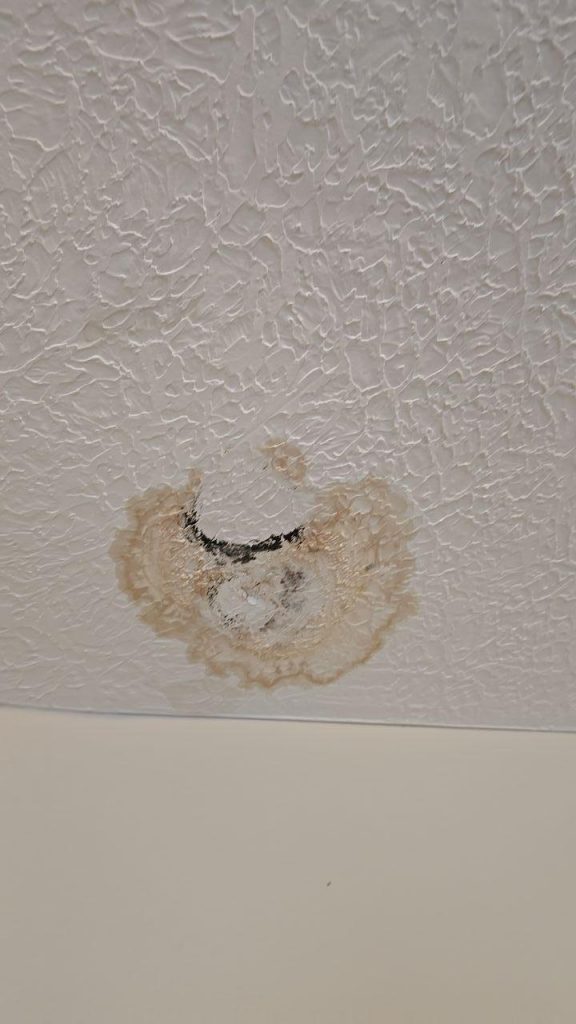
Moisture mapping using electronic moisture meters provides objective data about hidden water. Inspectors systematically scan walls, ceilings, and floors, noting readings. Elevated readings indicate moisture presence requiring further investigation. This technology detects problems before visual signs appear, enabling early intervention.
Thermal imaging cameras reveal hidden moisture through temperature patterns. Wet areas appear cooler than dry surroundings. Thermal imaging identifies water intrusion paths, locates leaks inside walls, finds insulation gaps allowing condensation, and maps moisture distribution. These cameras provide visual documentation showing problem areas clearly.

Air quality testing measures spore concentrations throughout properties. Inspectors collect air samples in multiple locations using calibrated pumps. Laboratory analysis identifies mold species present and quantifies concentrations. Comparing indoor to outdoor samples determines if indoor growth exists. Species identification reveals which molds are growing, guiding health risk assessment and remediation strategies.
Surface sampling involves collecting specimens from suspected growth areas. Inspectors swab or tape-lift samples, sending them for laboratory analysis confirming mold species identity. This testing determines whether suspicious discoloration actually represents mold and identifies specific varieties present.
Bulk sampling removes small portions of suspected contaminated materials for laboratory analysis. This invasive but definitive technique confirms mold presence inside materials like insulation, drywall, or carpeting where visual inspection cannot reach.
Some inspectors use particle counters providing real-time airborne spore measurements. These devices display immediate results, though less specific than laboratory analysis. They help locate contamination sources by showing concentration changes as inspectors move through properties.
Comprehensive reports synthesize findings into clear assessment documents. Reports typically include description of visual observations, moisture measurement data, thermal image analysis, air quality test results, species identification, contamination extent assessment, and health risk evaluation. Good reports also explain moisture sources enabling mold growth and recommend corrective actions.
How Do You Remediate Hidden Mold Safely?
Hidden mold remediation presents challenges beyond surface cleaning since accessing contamination requires opening building assemblies. Professional remediation ensures proper protocols protecting occupants and preventing contamination spread.
Containment represents the critical first step. Before accessing hidden mold, professionals establish physical barriers preventing spore dispersal. Plastic sheeting seals affected areas, creating negative pressure containment. HEPA-filtered air scrubbers generate negative air pressure drawing air from containment areas through filters before exhausting outside. This prevents spores from spreading throughout homes during material removal.
Personal protective equipment protects workers from exposure during remediation. Respirators with appropriate filters, protective clothing covering skin, gloves, and eye protection prevent direct contact with mold and inhalation of disturbed spores.
Accessing hidden mold requires carefully controlled material removal. Professionals cut or remove drywall, flooring, or other materials concealing growth. They work methodically, exposing and addressing sections progressively while maintaining containment. Removed materials are bagged inside containment before transporting through homes to prevent contamination spread.
Treatment of affected structural materials depends on contamination type and extent. Non-porous materials like metal framing can be cleaned and treated with antimicrobial solutions. Porous materials like insulation, carpet padding, or heavily contaminated wood typically require removal and replacement. Professionals apply encapsulants to treated surfaces after cleaning, creating barriers preventing potential future growth.
HVAC system remediation requires specialized approaches. Ductwork may need removal and replacement if heavily contaminated, or professional cleaning if contamination is limited. Mechanical components receive thorough cleaning and antimicrobial treatment. The entire system undergoes disinfection before returning to service.
Source correction addresses moisture problems enabling original growth. Without correcting underlying moisture issues, mold inevitably returns after remediation. This might involve plumbing repairs, roofing work, foundation waterproofing, ventilation improvements, or drainage modifications. Comprehensive remediation includes these corrections, not just mold removal.
Verification testing confirms successful remediation. Post-remediation air quality tests compare to pre-remediation data, documenting that spore levels have returned to normal outdoor equivalents. Visual inspection verifies all contaminated materials were properly removed or cleaned. Moisture readings confirm areas are dry.
Reconstruction restores properties to pre-contamination condition or better. This includes drywall installation and finishing, flooring replacement, painting, and trim work. Many remediation companies offer full-service reconstruction, simplifying the process for homeowners.
What Preventive Measures Stop Hidden Mold Before It Starts?
Prevention focuses on moisture control since eliminating water access prevents mold establishment regardless of other conditions.
Humidity management forms the foundation. Maintain indoor humidity below 50% year-round using dehumidifiers in humid climates like Columbus and Fort Wayne. Monitor levels with hygrometers in multiple locations. Run dehumidifiers continuously during humid months, emptying collection tanks or connecting continuous drainage.
Ventilation improvements reduce moisture accumulation. Ensure bathroom exhaust fans vent directly outside through shortest possible paths. Run these fans during showers and 20 to 30 minutes afterward. Verify kitchen range hoods vent outside, not recirculate. Improve attic ventilation through soffit and ridge vents. Consider crawl space encapsulation or mechanical ventilation if moisture problems persist.
Prompt leak repair prevents moisture accumulation. Fix plumbing leaks immediately, no matter how small. Address roof leaks quickly. Repair foundation cracks enabling water intrusion. The longer water enters hidden spaces, the higher the mold establishment risk.
Regular HVAC maintenance prevents system contamination. Change filters monthly or according to manufacturer recommendations. Schedule annual professional maintenance including drain pan cleaning, coil inspection, and condensate line flushing. Consider periodic ductwork cleaning, particularly in older systems or after renovations creating dust.
Drainage improvements protect foundations. Clean gutters seasonally ensuring proper flow. Extend downspouts at least six feet from foundations. Grade soil away from structures. Consider French drains or other drainage systems if water pools near homes after rain.
Moisture-resistant construction during renovations reduces future risk. Use mold-resistant drywall in bathrooms and basements. Select moisture-resistant insulation. Install proper vapor barriers in exterior walls. Ensure bathroom and kitchen renovations include adequate waterproofing and ventilation.
Regular inspection catches problems early. Monthly walk-throughs checking basements, bathrooms, attics, and under sinks identify issues before significant mold develops. Annual professional inspections for properties with previous problems or high-risk characteristics provide additional security.
Monitor indoor air quality as an early warning system. Notice musty odors immediately and investigate sources. Pay attention to health patterns potentially indicating environmental problems. Acting on these subtle indicators prevents minor issues from becoming major contamination.
When Should You Suspect Hidden Mold Versus Other Problems?
Distinguishing hidden mold from other issues prevents unnecessary remediation while ensuring real problems receive appropriate attention.
Strong indicators pointing specifically toward hidden mold include persistent musty odors that resist cleaning and intensify in humid weather; health symptoms improving away from home and worsening upon return; multiple family members developing similar symptoms simultaneously; visible water damage history even if dried and repaired; and chronically elevated humidity despite dehumidifier operation.
Medical workups should precede mold conclusions when symptoms could represent other conditions. Respiratory symptoms might indicate asthma, allergies, or infections unrelated to mold. Fatigue could stem from sleep disorders, anemia, thyroid problems, or dozens of other causes. Responsible evaluation considers all possibilities rather than immediately blaming environmental factors.
However, if symptoms persist despite treatment, strongly correlate with home occupancy, and accompany other indicators like musty odors or moisture signs, environmental assessment becomes appropriate.
Air quality testing provides definitive answers when uncertainty exists. If spore concentrations are substantially elevated compared to outdoor levels and multiple mold species appear in high numbers, hidden growth almost certainly exists. If indoor and outdoor samples are similar, symptomatic causes likely lie elsewhere.
Professional inspection resolves ambiguity through systematic evaluation. Certified inspectors objectively assess conditions, measure moisture, and test air quality, determining whether hidden mold likely exists or if symptoms stem from other causes.
Frequently Asked Questions
How can I tell if mold is growing inside my walls?
Indicators include musty odors without visible source, water stains on walls or ceilings, peeling or bubbling paint, health symptoms worsening at home, and moisture detected with meters. Professional thermal imaging and air quality testing confirm suspicions definitively. Small exploratory holes sometimes become necessary for direct visual confirmation.
Can hidden mold cause serious health problems?
Yes. Hidden mold creates prolonged exposure that accumulates health impacts over time. Effects range from chronic respiratory problems and persistent allergies to serious infections in immunocompromised individuals. Children and vulnerable populations face particular risks. Many people experience symptoms for months or years before discovering hidden mold as the cause.
How much does hidden mold remediation typically cost?
Costs vary dramatically based on contamination extent and location. Small hidden areas requiring limited wall opening might cost $1,500 to $4,000. Extensive hidden growth involving multiple walls, HVAC contamination, or structural issues can exceed $15,000 to $30,000. Professional inspection provides accurate estimates based on specific situations.
Will homeowners insurance cover hidden mold remediation?
Coverage depends on the mold cause. Mold resulting from sudden covered perils like pipe bursts often receives coverage, while mold from gradual issues like poor maintenance typically faces exclusion. Most policies cap mold coverage at $1,000 to $10,000 regardless of actual costs. Review your specific policy and consider additional mold endorsements for better protection.
How long does it take for hidden mold to develop after water damage?
Mold spores begin germinating within 24 to 48 hours of moisture exposure. Visible colonies develop within three to twelve days. However, in hidden locations, growth can continue for months or years without discovery. This extended time allows extensive contamination requiring major remediation by the time detection occurs.
Can I remove hidden mold myself or do I need professionals?
Hidden mold remediation requires professional service. Accessing concealed growth necessitates opening walls, floors, or ceilings, which demands proper containment preventing spore dispersal throughout homes. Professionals have equipment and expertise ensuring safe removal without spreading contamination. DIY attempts often worsen situations by disturbing mold without adequate containment.
What is the most common location for hidden mold?
Wall cavities, particularly bathroom walls, represent the most frequent hidden mold location. The combination of moisture exposure, organic materials, and concealment creates perfect conditions. HVAC systems rank second, distributing contamination throughout properties while remaining visually inaccessible without dismantling equipment.
How do I prevent hidden mold from returning after remediation?
Prevention requires correcting moisture sources that enabled original growth. This includes repairing leaks, improving ventilation, controlling humidity below 50%, maintaining HVAC systems, and ensuring proper drainage. Without addressing underlying moisture problems, mold inevitably returns. Professional remediation should include source correction, not just contamination removal.
Conclusion
Hidden mold represents a serious threat precisely because it operates invisibly, affecting health and structures while homeowners remain unaware. Jennifer Chen’s $22,000 remediation project and her family’s health struggles illustrate the real costs of overlooking subtle warning signs. Her story emphasizes that musty odors, unexplained health symptoms, and moisture indicators deserve immediate investigation rather than dismissal.
Understanding where mold hides, how to recognize indirect indicators, and what construction vulnerabilities exist in Columbus and Fort Wayne homes empowers you to protect your family and property. Regional climate factors including humid summers, temperature fluctuations, and seasonal flooding create elevated risks demanding vigilance beyond what homeowners in drier climates require.
The cumulative health impacts of prolonged hidden mold exposure can be severe, particularly for children and vulnerable individuals. Respiratory problems, chronic allergies, persistent fatigue, and more serious conditions sometimes develop so gradually that sufferers adapt without recognizing environmental causes. Breaking this pattern requires connecting symptoms to the home environment and acting on suspicions through professional assessment.
If you experience persistent musty odors, unexplained health symptoms that improve away from home, or have any moisture concerns in your Columbus or Fort Wayne property, professional inspection provides clarity. PuroClean Disaster Restoration of West Fort Wayne specializes in hidden mold detection and remediation using advanced technology and proven protocols. Their certified technicians understand regional construction characteristics and climate challenges, providing thorough assessment and effective remediation. Call (260) 263-9788 for immediate assistance. Your family’s health and your home’s structural integrity are too important to risk on guesswork or delayed action. Professional expertise detects and addresses hidden mold before it creates the catastrophic damage and health impacts Jennifer experienced.

 PuroClean Disaster Restoration of West Fort Wayne