 PuroClean Disaster Restoration of West Fort Wayne
 Summary
This detailed guide helps Fort Wayne, Indiana homeowners effectively address water marks on walls, perform mold removal, and handle water damage restoration. The article covers identifying water damage causes common to Fort Wayne’s climate, step-by-step DIY repair methods, professional mold removal techniques, essential tools and materials, and when to contact restoration specialists. A compelling case study illustrates the consequences of delayed action, while local Fort Wayne resources and PuroClean Disaster Restoration of West Fort Wayne provide emergency assistance for serious water damage situations.
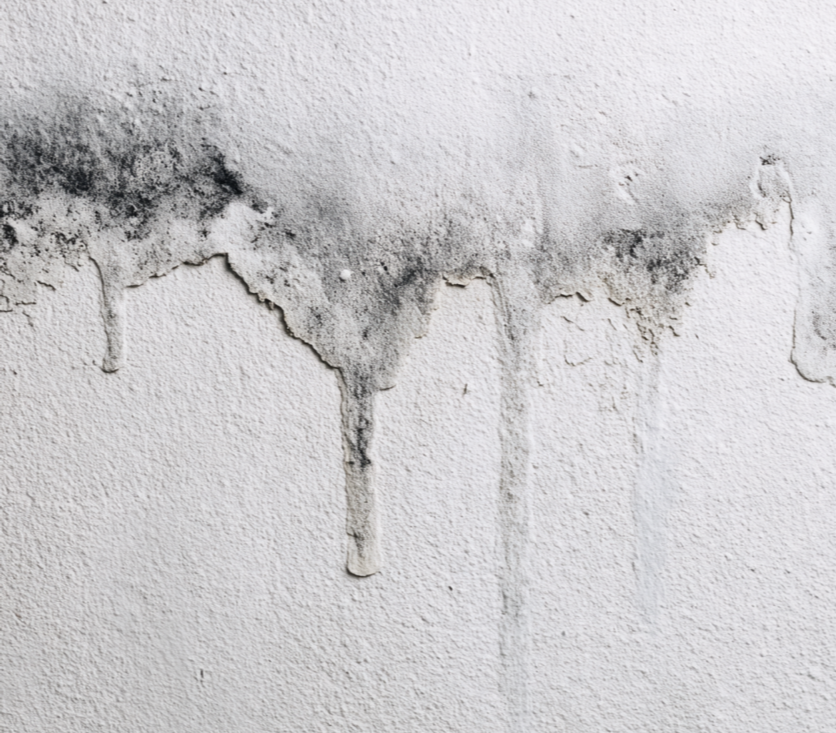
When a Small Water Mark Nearly Cost a Fort Wayne Family Their Home
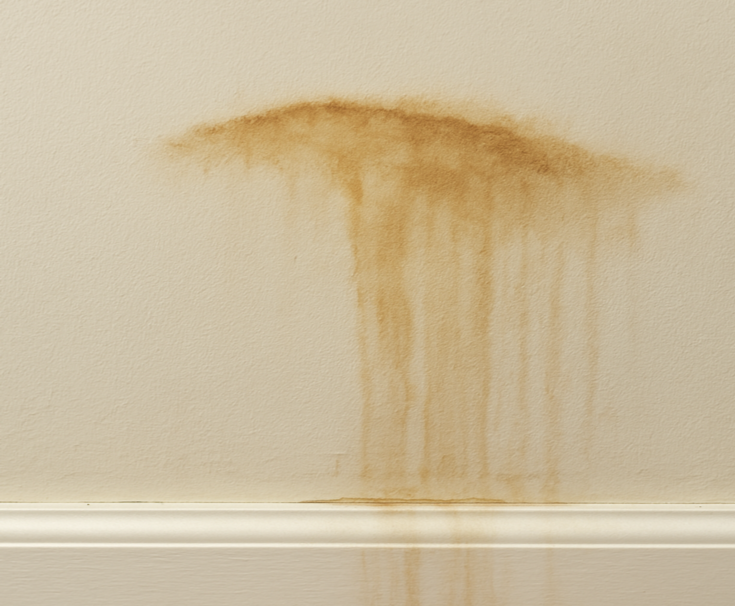
Jessica, a Fort Wayne resident living near the historic West Central neighborhood, first noticed a small circular water mark on her kitchen ceiling after a particularly harsh Indiana winter storm. The pale brown ring, barely the size of a coffee cup, appeared harmless enough. Living in one of Fort Wayne’s older homes built in the 1940s, Jessica assumed it was just another quirk of vintage housing that could wait until spring to address.
“I’ll get to it when the weather warms up,” she told herself, focused on managing her job at a local Fort Wayne manufacturing plant and caring for her elderly mother. As Indiana’s unpredictable spring weather brought alternating rain and snow, that innocent-looking water mark began its silent transformation.
Over the course of six weeks, the mark spread outward like ripples on a pond, darkening to a deep coffee color and developing an irregular, fuzzy edge. Jessica started noticing a peculiar smell in her kitchen, reminiscent of wet leaves left too long in autumn. When she finally climbed a ladder to investigate, her finger pushed right through what appeared to be solid ceiling material, revealing soggy insulation and the beginning of black mold colonies.
The reality hit hard: a small roof leak had been steadily saturating her ceiling during Fort Wayne’s wet spring season. What began as a $75 roof repair had escalated into a $4,800 disaster requiring ceiling replacement, mold remediation, and temporary relocation of her mother to avoid health complications.
Jessica’s experience serves as a critical warning for Fort Wayne homeowners: Indiana’s climate creates perfect storm conditions for water damage. The state’s freeze-thaw cycles stress roofing materials, while humid summers provide ideal mold growth environments. Water marks aren’t decorative features to ignore but urgent signals demanding immediate attention.
What Causes Water Marks on Walls in Fort Wayne Homes?
Fort Wayne’s unique geographic location and Indiana’s challenging climate create specific water damage risks that homeowners must understand and address proactively.
Roof System Failures from Indiana Weather: Fort Wayne experiences severe weather including ice storms, heavy snow loads, and intense spring thunderstorms. These conditions damage shingles, compromise flashing around chimneys and vents, and create ice dams that force water under roofing materials and into interior spaces.
Aging Plumbing in Historic Fort Wayne Neighborhoods: Many Fort Wayne homes, particularly in areas like West Central, Lakeside, and the South Wayne Historic District, feature original plumbing systems from the 1930s-1950s. These aging pipes are susceptible to corrosion, joint failures, and freeze damage during Indiana’s harsh winters.
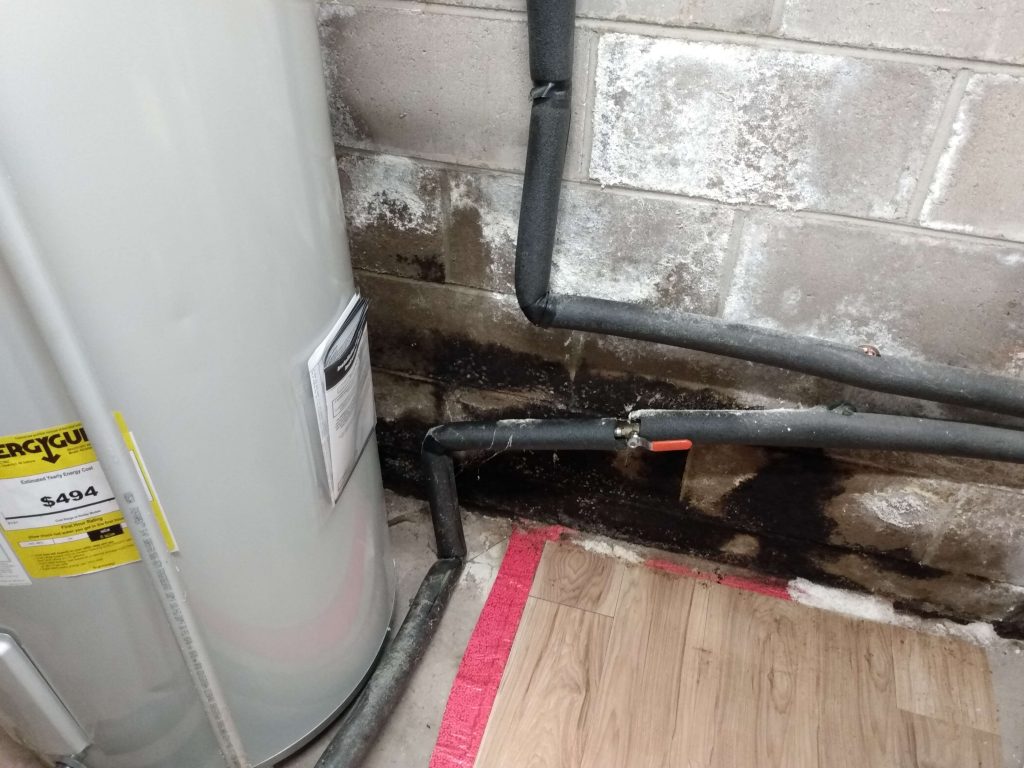
Basement Water Intrusion: Fort Wayne sits in the Maumee River watershed, with clay-heavy soil that doesn’t drain well. Heavy rains overwhelm drainage systems, causing basement seepage and foundation moisture problems that create water marks on lower walls.
HVAC Condensation Issues: Indiana’s temperature extremes stress heating and cooling systems. Poorly maintained units develop condensation problems, leaking drip pans, and ductwork issues that introduce moisture behind walls where it creates hidden damage.
Window and Siding Failures: Fort Wayne’s wind-driven rains test building envelope integrity. Failing caulk around windows, damaged siding, and compromised weatherstripping allow water infiltration that appears as water marks around openings.
Storm Water Management Problems: Fort Wayne’s urban development has reduced natural drainage, leading to overwhelmed storm systems during heavy rains. Poor grading around foundations allows water accumulation that seeps through basement walls.
Early warning signs include discolored patches ranging from yellow to brown, paint bubbling or peeling, soft or spongy wall textures, musty odors, and visible mold growth. Fort Wayne homeowners should inspect their properties seasonally, paying special attention after severe weather events.
How Do You Remove Water Marks and Stains from Walls?
Effective water mark removal requires systematic approach that addresses both visible damage and underlying moisture problems common in Fort Wayne homes.
Step 1: Eliminate the Moisture Source: Before attempting cosmetic repairs, identify and resolve the water intrusion point. For Fort Wayne homeowners, this often involves checking roof areas above stains, inspecting plumbing connections, examining window seals, and assessing basement moisture levels.
Step 2: Assess Damage Severity: Gently press the stained area to determine if structural repair is needed. Surface stains feel firm, while deeper damage feels soft or spongy, indicating compromised drywall requiring replacement.
Step 3: Prepare Natural Cleaning Solutions: Create an effective cleaning mixture using equal parts white vinegar and warm water. This solution safely removes mineral deposits and eliminates mild mold spores without introducing harsh chemicals into your Fort Wayne home’s indoor environment.
Step 4: Clean the Affected Area: Spray the vinegar solution onto the water mark and allow 20 minutes for penetration. Using a clean microfiber cloth, wipe gently from the stain’s outer edge toward the center to prevent spreading. For stubborn marks, apply hydrogen peroxide with a cotton swab, testing on an inconspicuous area first.
Step 5: Block and Prime: Once completely dry, apply a high-quality stain-blocking primer designed specifically for water damage. Oil-based primers provide superior sealing properties, preventing future bleed-through when painting.
Step 6: Restore the Surface: Apply matching paint in thin coats, allowing adequate drying time between applications. Indiana’s humidity can extend drying times, so ensure proper ventilation during the process.
Fort Wayne-Specific Considerations: The city’s older housing stock often features plaster walls requiring gentler cleaning techniques. Victorian-era homes may have lead paint, necessitating professional assessment before disturbing surfaces.
This method helped Jessica address similar water marks in her Fort Wayne home’s bathroom, preventing a minor issue from becoming another costly problem.
Professional Mold Removal Techniques for Fort Wayne Properties
Mold removal in Fort Wayne requires understanding Indiana’s climate challenges and implementing proven remediation strategies that prevent recurrence.
Identifying Mold Growth Patterns: Fort Wayne’s humid summers and wet springs create ideal mold conditions. Common growth areas include basements, crawl spaces, around windows, near plumbing fixtures, and in poorly ventilated bathrooms and kitchens.
Safety Preparation for Mold Removal: Before beginning work, establish containment barriers using plastic sheeting and tape to prevent spore spread throughout your home. Wear N95 respirators, protective eyewear, rubber gloves, and disposable coveralls to minimize health risks.
Small-Scale Mold Remediation: For areas smaller than 10 square feet, Fort Wayne homeowners can safely handle removal using EPA-approved methods. Mix one cup of bleach with one gallon of water for non-porous surfaces, or use white vinegar for wood and other porous materials.
Removal Process: Scrub affected surfaces thoroughly, rinse with clean water, and dry completely using fans and dehumidifiers. Indiana’s humidity requires extended drying times, so monitor moisture levels with a hygrometer to ensure complete desiccation.
Material Disposal: Bag contaminated materials in heavy-duty plastic bags and dispose of according to Fort Wayne waste management guidelines. Items like drywall, insulation, and carpeting that cannot be thoroughly cleaned must be discarded.
Prevention Strategies: Install exhaust fans in high-moisture areas, maintain indoor humidity below 50%, repair leaks immediately, and ensure proper ventilation throughout your Fort Wayne home. Consider whole-house dehumidification systems for persistent moisture problems.
When to Call Professionals: Contact certified mold remediation specialists for extensive growth, suspected toxic mold species, or when health symptoms occur. Fort Wayne’s older homes may contain hazardous materials requiring professional assessment.
Jessica learned these techniques after her ceiling incident, implementing moisture control measures that have kept her Fort Wayne home mold-free for three years.
Comprehensive Water Damage Restoration Process
Water damage restoration in Fort Wayne requires systematic approach addressing both immediate concerns and long-term prevention strategies.
Emergency Water Removal: Begin by stopping active water sources and removing standing water using pumps, wet vacuums, or towels. Fort Wayne’s clay soil retains moisture, making rapid response crucial for preventing foundation and basement problems.
Structural Drying Phase: Deploy industrial fans, dehumidifiers, and air movers to reduce moisture content in building materials. Indiana’s variable humidity requires monitoring with moisture meters to ensure complete drying before reconstruction begins.
Damage Assessment and Documentation: Photograph all affected areas for insurance purposes, noting water damage extent, damaged materials, and personal property losses. Fort Wayne homeowners should maintain detailed records for successful claims processing.
Demolition and Removal: Remove unsalvageable materials including water-damaged drywall, flooring, insulation, and personal belongings. Proper disposal follows Fort Wayne environmental regulations and prevents contamination spread.
Cleaning and Sanitization: Clean all affected surfaces with antimicrobial solutions to eliminate bacteria, mold spores, and other contaminants. This step is crucial in Fort Wayne’s humid climate where microbial growth occurs rapidly.
Reconstruction and Restoration: Replace damaged structural elements, install new drywall and flooring, and restore the property to pre-loss condition. Use moisture-resistant materials in flood-prone areas common throughout Fort Wayne.
Final Inspection and Prevention: Conduct thorough moisture testing, install additional ventilation if needed, and implement strategies to prevent future water damage. This includes improving drainage around Fort Wayne properties and upgrading aging building systems.
Professional restoration companies like PuroClean Disaster Restoration of West Fort Wayne provide comprehensive services that handle every aspect of this complex process.
Essential Tools and Materials for Fort Wayne Water Damage Repairs
Fort Wayne homeowners should maintain emergency supplies to address water damage quickly, preventing minor issues from becoming major problems.
Water Removal Equipment: Wet vacuum capable of handling large volumes, submersible pump for basement flooding, absorbent towels and mops, and buckets for manual water removal during emergencies.
Drying and Ventilation Tools: High-velocity fans to promote air circulation, portable dehumidifiers sized for affected areas, moisture meters to monitor drying progress, and extension cords for power needs throughout your Fort Wayne home.
Cutting and Repair Tools: Sharp utility knife with extra blades, measuring tape, pencil for marking cut lines, drywall saw for precise cuts, and cordless drill with various bits for installation work.
Construction Materials: Drywall sheets or patches in common sizes, joint compound and primer, drywall tape and screws, sandpaper in various grits, and plastic sheeting for containment.
Cleaning and Sanitizing Supplies: White vinegar and bleach for different applications, antimicrobial cleaning solutions, spray bottles, microfiber cloths, rubber gloves, and disposal bags for contaminated materials.
Safety Equipment: N95 respirators or better, safety goggles, work gloves, disposable coveralls, and knee pads for floor work.
Where to Purchase in Fort Wayne: Visit local suppliers like Home Depot on Coldwater Road, Menards on Lima Road, or Lowe’s on West Jefferson Boulevard for comprehensive selections. Local hardware stores in neighborhoods like Georgetown and Aboite often stock specialized restoration supplies.
Budget Planning: A basic water damage response kit costs $150-300 and handles most residential situations Fort Wayne homeowners encounter. Investing in quality equipment saves money during emergencies and prevents extensive damage.
When to Contact Professional Water Damage Restoration Services
Recognizing the limits of DIY repairs protects Fort Wayne homeowners from costly mistakes and potential health hazards associated with improper water damage handling.
Extensive Damage Indicators: Contact professionals immediately when water damage affects multiple rooms, covers more than 100 square feet, involves structural elements, or includes contaminated water from sewage backups or flooding.
Health and Safety Concerns: Professional intervention becomes necessary when dealing with category 2 or 3 water (grey water or black water), suspected asbestos in older Fort Wayne homes, electrical hazards in wet environments, or extensive mold growth.
Insurance Claim Requirements: Many Fort Wayne homeowner policies require professional assessment and remediation for coverage approval. Certified restoration companies provide necessary documentation and work directly with insurance adjusters to streamline claims processing.
Time-Sensitive Situations: Emergency flooding from Fort Wayne’s storm systems, burst pipes during Indiana’s freeze-thaw cycles, or appliance failures require immediate professional response to minimize damage and prevent secondary problems.
Complex Building Systems: Issues involving HVAC systems, hardwood floors, or finished basements typically exceed DIY capabilities. Professional restoration ensures proper techniques that preserve materials and prevent future problems.
Historical Home Considerations: Fort Wayne’s numerous historic properties require specialized knowledge of period construction methods, potential hazardous materials, and preservation techniques that maintain architectural integrity.
Jessica contacted professionals when her ceiling damage revealed extensive insulation contamination, ultimately saving money by preventing mold spread to other areas of her Fort Wayne home.
Water Damage and Restoration Services in Fort Wayne, Indiana
Fort Wayne’s geographic location and Indiana’s climate create unique water damage challenges requiring specialized local expertise and rapid emergency response capabilities.
Common Fort Wayne Water Damage Scenarios: Spring flooding from Maumee, St. Joseph, and St. Marys rivers during heavy rains, basement water intrusion due to poor soil drainage, ice dam damage during harsh Indiana winters, and storm damage from severe weather systems affecting northeastern Indiana.
Local Climate Considerations: Fort Wayne’s continental climate with hot, humid summers and cold winters creates ideal conditions for both water damage and mold growth. Professional services understand these regional challenges and implement appropriate prevention and remediation strategies.
PuroClean Disaster Restoration of West Fort Wayne: As Fort Wayne’s premier water damage restoration company, we provide comprehensive emergency services 24 hours a day, 365 days a year. Our IICRC-certified technicians specialize in water extraction, structural drying, mold remediation, and complete property restoration.
Advanced Equipment and Techniques: We utilize state-of-the-art moisture detection equipment, industrial-grade dehumidifiers, air scrubbers for contamination control, and thermal imaging cameras to identify hidden moisture in Fort Wayne’s diverse housing stock.
Insurance Partnership Program: Our experienced team works directly with all major insurance carriers, providing detailed documentation, accurate estimates, and direct billing arrangements that simplify the claims process for Fort Wayne homeowners.
Community Commitment: With deep roots in the Fort Wayne community, we understand local building codes, environmental regulations, and the unique challenges facing homeowners in neighborhoods from Aboite to Georgetown, from historic West Central to modern developments in southwest Allen County.
Emergency Response: When water damage strikes your Fort Wayne property, immediate action prevents extensive secondary damage and costly repairs. Contact PuroClean Disaster Restoration of West Fort Wayne at (260) 263-9788 for rapid, professional response that protects your home and family.
Frequently Asked Questions About Water Damage in Fort Wayne
How quickly should I address water marks on walls?
Water marks indicate active moisture problems requiring immediate attention. In Fort Wayne’s humid climate, mold can begin growing within 24-48 hours, making rapid response crucial for preventing health risks and extensive damage.
Can I safely remove small amounts of mold myself?
Areas smaller than 10 square feet can often be addressed using proper safety equipment and EPA-approved techniques. Larger areas or suspected toxic mold require professional remediation to ensure safe, complete removal.
What household products effectively clean water stains?
White vinegar mixed with water provides safe, effective cleaning for most water stains. Hydrogen peroxide works well for tougher stains, while bleach solutions are appropriate for non-porous surfaces only.
Does homeowner’s insurance cover water damage restoration?
Coverage depends on the water source and policy specifics. Sudden, accidental damage like burst pipes is typically covered, while gradual leaks or flood damage may require separate coverage. Professional restoration companies help navigate insurance requirements.
How do I prevent water damage in my Fort Wayne home?
Regular maintenance including roof inspections, gutter cleaning, plumbing system checks, and basement waterproofing significantly reduces water damage risks. Installing humidity monitoring and ventilation systems helps prevent moisture-related problems.
What’s the average cost of professional water damage restoration in Fort Wayne?
Costs vary based on damage extent, affected materials, and required services. Minor repairs may cost $500-1,500, while extensive restoration can range from $3,000-15,000. Professional assessment provides accurate estimates for your specific situation.
When should I contact emergency restoration services?
Contact professionals immediately for extensive water damage, contaminated water, electrical hazards, or when health symptoms occur. Emergency response minimizes damage and prevents costly secondary problems common in Fort Wayne’s climate.
How long does complete water damage restoration take?
Simple projects may complete in 2-5 days, while extensive restoration can require 2-4 weeks. Indiana’s humidity and Fort Wayne’s older housing stock can extend drying times, affecting overall project duration.
Conclusion: Protecting Your Fort Wayne Home from Water Damage
Water marks and stains on walls serve as critical early warning systems for potentially serious problems that can threaten your Fort Wayne home’s structural integrity and your family’s health. Understanding the causes, implementing proper repair techniques, and knowing when to seek professional assistance enables proactive protection of your most important investment.
Jessica’s story demonstrates how small problems become major disasters when ignored. Fort Wayne’s challenging climate, with its severe weather, temperature extremes, and high humidity, creates conditions where water damage can quickly escalate into costly restoration projects requiring professional intervention.
The key to successful water damage management lies in prompt action, proper techniques, and realistic assessment of your capabilities. While many surface-level repairs can be handled safely by homeowners, extensive damage, mold growth, or health concerns require immediate professional attention to prevent further complications.
Regular maintenance, seasonal inspections, and moisture monitoring help Fort Wayne homeowners identify problems before they become emergencies. Investing in proper tools, understanding repair techniques, and maintaining relationships with qualified professionals creates a comprehensive defense strategy against water damage.
Remember that water damage restoration involves more than just drying wet materials. Proper remediation addresses contamination concerns, prevents mold growth, and ensures complete restoration to safe, healthy living conditions. Professional services provide the expertise, equipment, and documentation necessary for successful outcomes.
For immediate water damage restoration services in Fort Wayne, Indiana, contact PuroClean Disaster Restoration of West Fort Wayne at (260) 263-9788. Our certified technicians provide 24/7 emergency response, working quickly to minimize damage and restore your home to pre-loss condition. Don’t let water damage compromise your family’s health or your property’s value – professional help is just a phone call away.
 PuroClean Disaster Restoration of West Fort Wayne