


Key Takeaways for Homeowners
- Fire damage recovery requires IICRC S500 and S550 certified protocols to address smoke, soot, water, and structural compromise.
- Fort Wayne’s humid continental climate and aging housing stock create unique restoration challenges.
- Emergency board-up, HEPA air scrubbing, and corrosion mitigation must begin within hours, not days.
- Thermal fogging, hydroxyl generators, and ozone treatment neutralize smoke odor at the molecular level.
- Local Allen County building codes and permit requirements affect reconstruction timelines.
- If your property is in Fort Wayne or surrounding Allen County neighborhoods, call PuroClean Disaster Restoration of West Fort Wayne at (260) 263-9788 for immediate emergency response.
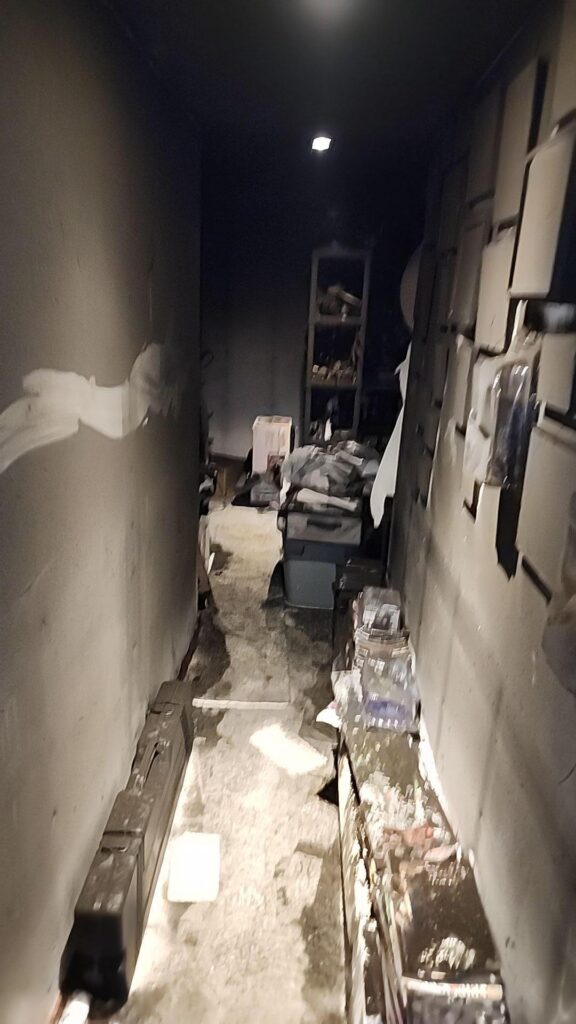
What Defines Professional Fire Damage Recovery?
The restoration industry recognizes fire damage recovery as a multi-phase technical discipline anchored by IICRC standards. The S500 Standard for Professional Water Damage Restoration governs the extraction and drying of fire suppression water. The S550 Standard for Professional Restoration of Fire and Smoke Damaged Personal Property governs soot removal, deodorization, and content restoration. Together, these standards create the scientific backbone of every legitimate recovery project.
In Fort Wayne, fire damage rarely presents as a single problem. A kitchen grease fire may deposit protein-based soot across three rooms. An electrical fire in an older home may release toxic synthetic smoke while firefighters saturate the structure with water. Each scenario demands a different combination of air scrubbers, media blasting, chemical deodorization, and structural drying. Without IICRC-certified sequencing, homeowners face permanent odor, hidden corrosion, and dangerous air quality.
How Does Fort Wayne’s Environment Impact Fire Restoration?
Fort Wayne sits in northeast Indiana, characterized by humid continental weather patterns, harsh winters, and proximity to the St. Joseph River. Summers bring high humidity that amplifies smoke odor absorption. Winters deliver subzero temperatures that complicate emergency response and can freeze water-damaged structures before drying begins.
The city’s housing stock includes a significant concentration of pre-1950 homes near downtown, mid-century ranch properties in suburban neighborhoods, and newer construction on the periphery. Older homes often contain original knob-and-tube wiring, plaster-and-lath walls, and non-insulated cavities. These materials react differently to fire and smoke than modern drywall and engineered lumber. Plaster is less porous than drywall but more brittle after heat exposure. Original hardwood floors may survive surface charring but require specialized media blasting to preserve patina.
Allen County and the City of Fort Wayne enforce the International Residential Code with local amendments. Structures damaged by fire may be excluded from certain enforcement provisions for six months following verified damage, but subsequent reconstruction must fully comply with current code. Restoration firms working in Fort Wayne must coordinate with city building officials to ensure permit approvals and inspection compliance.
What Are the 10 Essential Fire Damage Recovery Tips for Fort Wayne Property Owners?
1. Secure the Property with Emergency Board-Up and Perimeter Fencing
Fire-damaged homes are vulnerable to weather intrusion, theft, and liability issues. Emergency board-up services seal broken windows, tarp damaged roofing, and stabilize compromised entry points. This is especially critical during Fort Wayne’s winter storms and spring rain events.
2. Establish Negative Air Pressure and HEPA Filtration
Soot particles are ultrafine and easily airborne. Restoration teams install HEPA air scrubbers and, when necessary, construct negative air pressure containment chambers. This prevents cross-contamination of clean areas and protects occupant health during the restoration process.
3. Apply Immediate Corrosion Mitigation
Acidic soot residue begins etching metal surfaces within hours. HVAC components, electrical panels, plumbing fixtures, and appliances require immediate application of corrosion inhibitors. Delayed treatment often results in irreversible pitting and replacement rather than restoration.
4. Extract Fire Suppression Water and Begin Structural Drying
Fire hoses deliver high volumes of water that penetrate wall cavities, subfloors, and insulation. Standing water extraction must occur before microbial growth begins. Industrial dehumidifiers, desiccant drying systems, and moisture mapping technology track progress according to IICRC S500 protocols. In Fort Wayne’s humid summers, aggressive drying is essential.
5. Perform Detailed Triage Assessment and Content Inventory
Technicians categorize every item into salvageable, questionable, and non-restorable groups. Salvageable items move to pack-out services for off-site cleaning. Non-restorable items are documented with photographs and descriptions for insurance replacement valuation. This triage assessment protects both emotional and financial recovery.
6. Select Appropriate Soot Removal Methods by Surface and Fuel Type
Different fires produce different soot. Natural material fires create dry, powdery residue. Synthetic fires create wet, smeary deposits. Protein fires from cooking create nearly invisible but pungent residues. Restoration teams select from dry ice blasting, soda blasting, wet cleaning, and ultrasonic cleaning based on substrate sensitivity and contamination type.
7. Neutralize Smoke Odor Through Advanced Deodorization
Smoke odor persists because odor molecules bond with porous materials. Surface cleaning alone is insufficient. Thermal fogging penetrates deep into wall cavities and upholstery fibers. Hydroxyl generators provide continuous, safe odor breakdown in occupied environments. Ozone treatment may be deployed in vacant spaces for severe contamination. These three technologies often work in sequence for complete deodorization.
8. Restore Contents Off-Site Using Ultrasonic and Specialized Cleaning
Pack-out services transport furniture, electronics, artwork, and personal items to a secure facility. Ultrasonic cleaning uses high-frequency sound waves to remove soot from intricate objects. Electronics restoration requires specialized drying and cleaning to prevent conductivity issues from acidic soot.
9. Rebuild with Full Allen County Code Compliance
Reconstruction must meet Fort Wayne and Allen County building standards. This includes updated electrical codes, fire-blocking requirements, and proper HVAC installation. Restoration firms that offer in-house reconstruction reduce project duration by eliminating contractor handoff delays.
10. Coordinate Insurance Documentation from Day One
Comprehensive documentation, including moisture readings, photographic evidence, and line-item estimates, accelerates claim processing. Fort Wayne homeowners should request advance payments for additional living expenses early in the process to cover hotel stays and meals during displacement.
What Complex Questions Do Fort Wayne Homeowners Ask About Fire Recovery?
Does Homeowners Insurance Cover Fire Damage and Secondary Water Damage in Fort Wayne?
Yes. Standard Indiana homeowners policies cover fire damage as a named peril. This includes structural damage, content restoration or replacement, and water damage directly resulting from fire suppression efforts. Smoke damage and odor remediation are also covered under most policies. Review your policy limits for dwelling coverage, personal property coverage, and loss of use provisions.
How Does Fort Wayne’s Winter Weather Affect Fire Restoration Timelines?
Winter complicates every phase. Water used to extinguish fires can freeze in wall cavities before extraction crews arrive, requiring specialized thawing protocols. Exterior reconstruction may pause during severe cold. However, interior drying, content cleaning, and demolition can proceed year-round. Emergency response should never wait for weather improvement.
Are Older Homes in Fort Wayne Harder to Restore After Fire?
Older homes present unique challenges. Plaster walls may require skilled repair rather than simple drywall replacement. Original hardwood flooring demands media blasting to preserve character. Historic district properties may face additional review requirements. However, experienced local restoration firms understand these nuances and can restore period details while meeting current safety codes.
When Is the Right Time to Call for Professional Help?
The right time is immediately after the fire department clears the scene. Every hour of delay allows soot to etch deeper, odor to bond more permanently, and water to wick further into structural materials.
Call PuroClean Disaster Restoration of West Fort Wayne at (260) 263-9788 for immediate fire damage recovery. We serve Fort Wayne and all Allen County neighborhoods with 24/7 emergency board-up, water extraction, soot removal, deodorization, and complete reconstruction services.

