 PuroClean Disaster Restoration of West Fort Wayne
 Key Takeaways for Homeowners
- Fort Wayne’s location in FEMA Region V means specific federal requirements for fire restoration projects
- Indiana Residential Code (675 IAC 14-4.3) governs all structural repairs following fire damage
- Secondary water damage from firefighting efforts causes 70% of long-term restoration costs
- Mold colonization begins within 24-48 hours in Fort Wayne’s humid continental climate
- IICRC S700 standard mandates restoration work plans address four categories of fire damage
- Call PuroClean Disaster Restoration of West Fort Wayne immediately at (260) 263-9788 for emergency fire damage response
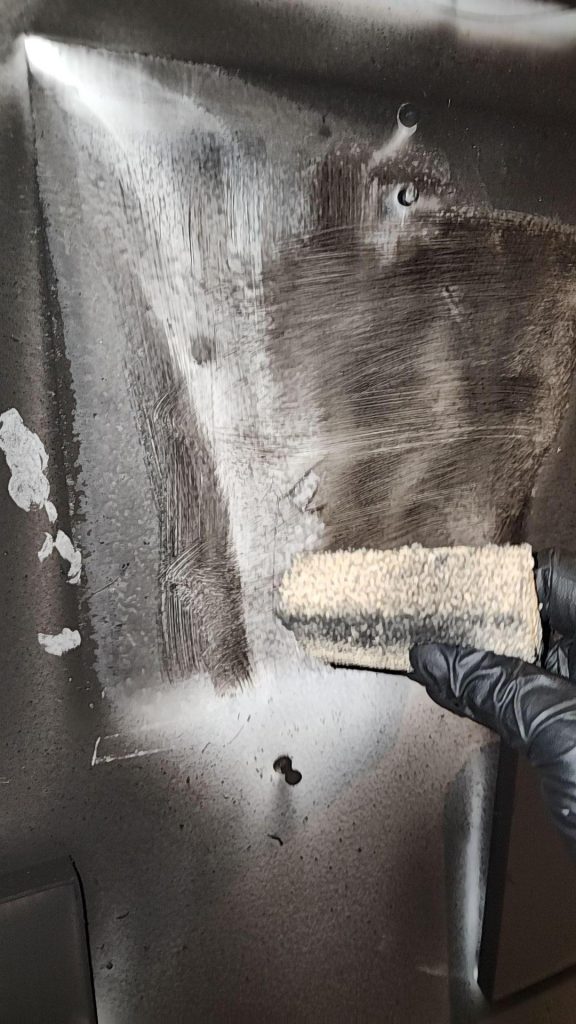
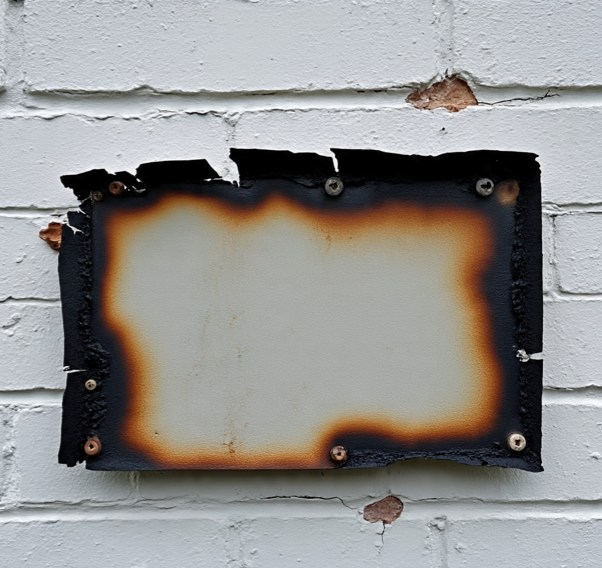
Fort Wayne homeowners face unique challenges when recovering from house fires. As Indiana’s second-largest city, Fort Wayne operates under specific regional requirements while dealing with the humid continental climate that accelerates secondary damage. Understanding these six critical mistakes can save you tens of thousands of dollars and months of additional stress.
Mistake 1: Failing to Address FEMA Region V Requirements
Fort Wayne falls within FEMA Region V, which encompasses Indiana and surrounding states. This designation affects disaster response protocols, federal assistance eligibility, and specific documentation requirements for major fire incidents. Restoration work plans (RWP) under IICRC S700 standards must address thermal damage, smoke damage, water damage, and odor damage categories
Federal Compliance Essentials:
- Document all damage for potential FEMA assistance programs
- Understand National Flood Insurance Program implications if water damage occurred
- Follow federal procurement guidelines if federal funds are involved
- Maintain records for potential Small Business Administration disaster loans
Mistake 2: Underestimating Northeast Indiana’s Climate Challenges
Fort Wayne experiences significant humidity throughout the year, with summer months bringing conditions that accelerate mold growth. The region’s proximity to the Great Lakes influences weather patterns, creating moisture-laden air that complicates drying efforts. When combined with thousands of gallons of firefighting water, these conditions create perfect environments for microbial colonization.
Regional Climate Considerations:
- Lake effect humidity: Great Lakes proximity increases ambient moisture levels
- Seasonal temperature swings: Extreme variations affect material expansion and contraction
- Freeze-thaw cycles: Winter conditions complicate exterior drying and reconstruction
- Basement moisture: High water tables in Allen County increase foundation moisture risks
Critical LSI Entities for Climate Management:
- Psychrometric chart analysis: Essential for calculating proper drying parameters in Fort Wayne’s variable climate
- Vapor barriers: Required for preventing moisture migration in basements and crawl spaces
- Dehumidification load calculations: Must account for regional humidity averages
- Air changes per hour (ACH): Ventilation rates adjusted for local climate conditions
Mistake 3: Neglecting Indiana Residential Code Compliance
All structural repairs in Fort Wayne must comply with the Indiana Residential Code (675 IAC 14-4.3), which governs everything from framing requirements to electrical system restoration. Failure to meet these standards can result in failed inspections, permit denials, and insurance claim complications.
Code Compliance Priorities:
- Electrical systems require complete inspection and replacement of damaged components
- Plumbing systems must be pressure-tested before walls are closed
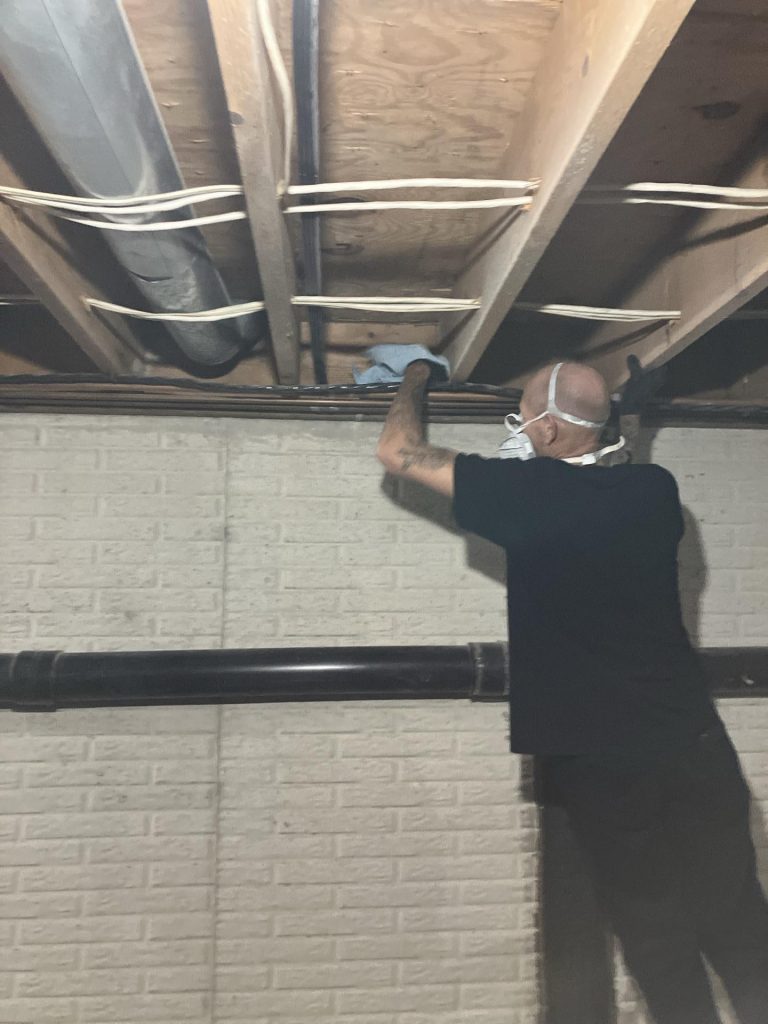
- HVAC ductwork needs professional cleaning or replacement if smoke-contaminated
- Structural repairs require engineering approval for load-bearing modifications
- Fire-resistant materials may be required for certain reconstruction elements
Mistake 4: Attempting Content Restoration Without Professional Assessment
Many Fort Wayne homeowners assume personal property damaged by smoke or water is automatically a total loss. This assumption costs thousands in unnecessary replacement expenses. IICRC-certified content restoration specialists can salvage items you might discard, using advanced techniques like ultrasonic cleaning, ozone treatment, and specialized drying chambers.
Content Restoration Capabilities:
- Electronics restoration: Specialized cleaning of circuit boards and components
- Document recovery: Freeze-drying and deodorization of important papers
- Textile restoration: Industrial wet cleaning for clothing and fabrics
- Artwork and antiques: Museum-quality conservation techniques
- Jewelry and valuables: Ultrasonic and steam cleaning processes
Mistake 5: Ignoring Long-Term Health Implications
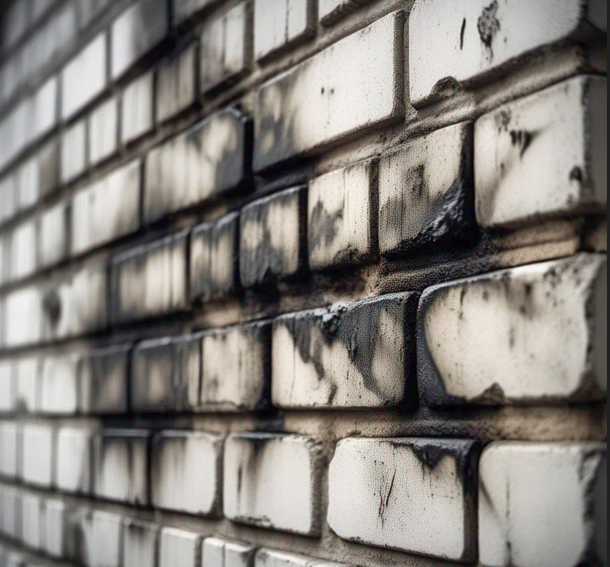
Fire damage creates immediate health hazards, but the long-term effects of improper restoration can be equally serious. Smoke residues contain carcinogenic compounds that continue off-gassing for months. Inadequate cleaning leaves these contaminants circulating through your home’s air, potentially causing respiratory issues, skin irritation, and other health problems.
Health Protection Protocols:
- Particulate matter monitoring: PM2.5 and PM10 testing during restoration
- Volatile organic compound (VOC) testing: Detection of harmful chemical residues
- Mycotoxin screening: Analysis of fungal metabolites in water-damaged areas
- Air quality certification: Third-party verification of safe indoor environments
- Personal protective equipment: Proper protocols for occupants during restoration
Essential LSI Entities for Health Safety:
- HEPA filtration: High-efficiency particulate air systems removing 99.97% of 0.3-micron particles
- Negative pressure containment: Isolation barriers preventing cross-contamination
- Antimicrobial biocides: EPA-registered disinfectants for surface treatment
- Thermal fogging: Deodorization process neutralizing odor molecules
- Hydroxyl generators: Advanced oxidation technology for safe air purification
Mistake 6: Delaying Emergency Response and Mitigation
The first 24 hours after a fire are critical for minimizing damage and controlling costs. Every hour of delay allows water to penetrate deeper into structural materials, smoke residues to set more permanently, and mold spores to germinate. PuroClean Disaster Restoration of West Fort Wayne provides immediate 24/7 response to stabilize your property and begin recovery.
Emergency Response Timeline:
- 0-4 hours: Emergency board-up, roof tarping, and security services
- 4-24 hours: Water extraction, initial drying equipment placement, damage assessment
- 24-72 hours: Content pack-out, detailed moisture mapping, smoke residue testing
- 72 hours-1 week: Structural drying completion, cleaning and deodorization, reconstruction planning
Frequently Asked Questions
Does home insurance cover mold caused by high humidity in Fort Wayne?
Insurance coverage for mold in Fort Wayne depends on the moisture source and your specific policy terms. Most policies cover mold remediation when it results from a covered peril, such as firefighting water or extinguisher discharge during an insured fire event. However, mold from general humidity, poor ventilation, or maintenance issues is typically excluded. Fort Wayne’s high humidity makes prompt professional drying essential to establish that mold growth resulted from the fire incident rather than ambient conditions. Document all drying efforts and moisture readings to support your claim.
What makes Fort Wayne’s fire restoration requirements different from other Indiana cities?
Fort Wayne’s location in FEMA Region V creates specific federal compliance requirements for major disasters. The city also enforces the Indiana Residential Code (675 IAC 14-4.3) with local amendments that may affect reconstruction requirements. Additionally, Fort Wayne’s Great Lakes-influenced climate requires different psychrometric approaches to drying compared to southern Indiana locations. The city’s building department has specific inspection schedules and documentation requirements that experienced local contractors understand and navigate efficiently.
How long does fire restoration typically take in Fort Wayne?
Restoration timelines vary based on damage severity, but Fort Wayne’s climate can extend drying periods compared to drier regions. Minor fires with limited water damage may require 2-4 weeks for complete restoration. Moderate damage involving multiple rooms and significant water intrusion typically requires 6-12 weeks. Major structural fires can take 3-6 months or longer, especially if code upgrades are triggered. Factors affecting timeline include permit approval speed, insurance claim processing, contractor availability, and weather conditions during exterior work phases.
Are there special considerations for Fort Wayne’s historic homes after fire damage?
Fort Wayne has numerous historic districts, particularly in the West Central and Southwood Park areas, with additional preservation requirements. Fire restoration in these properties must comply with both modern safety codes and historic preservation standards. This often requires specialized techniques for material salvage, custom replication of architectural details, and coordination with the Historic Preservation Review Board. Insurance policies covering historic homes should include provisions for restoration to historic standards rather than just functional replacement.
What documentation does Fort Wayne require for fire-damaged properties?
Fort Wayne requires comprehensive documentation for fire-damaged properties, including fire department incident reports, insurance adjuster assessments, and contractor restoration plans. Under Indiana code, substantial damage (typically exceeding 50% of structure value) triggers requirements to rebuild to current codes, potentially including fire sprinkler systems, enhanced electrical standards, and energy code compliance. The Fort Wayne Building Department requires permit applications for all structural, electrical, plumbing, and HVAC work, with inspections at rough-in and final completion stages.

 PuroClean Disaster Restoration of West Fort Wayne