 PuroClean Disaster Restoration of West Fort Wayne
 Executive Summary
Professional mold remediation in Fort Wayne homes follows a structured process designed to completely eliminate contamination while preventing future growth. The process includes detailed inspection to identify all affected areas, strategic containment to prevent spread, safe removal of contaminated materials, thorough cleaning and sanitization, structural drying, and final clearance testing to verify success. Understanding each phase helps homeowners prepare for remediation, set realistic expectations, and recognize quality work.
What Makes Mold Such a Persistent Problem in Fort Wayne?
Fort Wayne’s climate combines humid summers with potential for water intrusion from storms, creating ideal conditions for mold growth. Homes with basements, crawl spaces, or poor ventilation face elevated risks. Once mold establishes itself, it can spread rapidly through spores that travel through air currents to colonize new areas with adequate moisture.
Professional intervention becomes necessary because mold grows in hidden spaces like wall cavities, under flooring, and in HVAC systems where homeowners cannot effectively reach. Surface cleaning of visible mold leaves root structures and hidden colonies intact, resulting in rapid regrowth. Professionals have the tools, training, and experience to find and eliminate all contamination while addressing the moisture issues that allowed growth in the first place.
How Do You Know When to Call Professional Remediation Services?
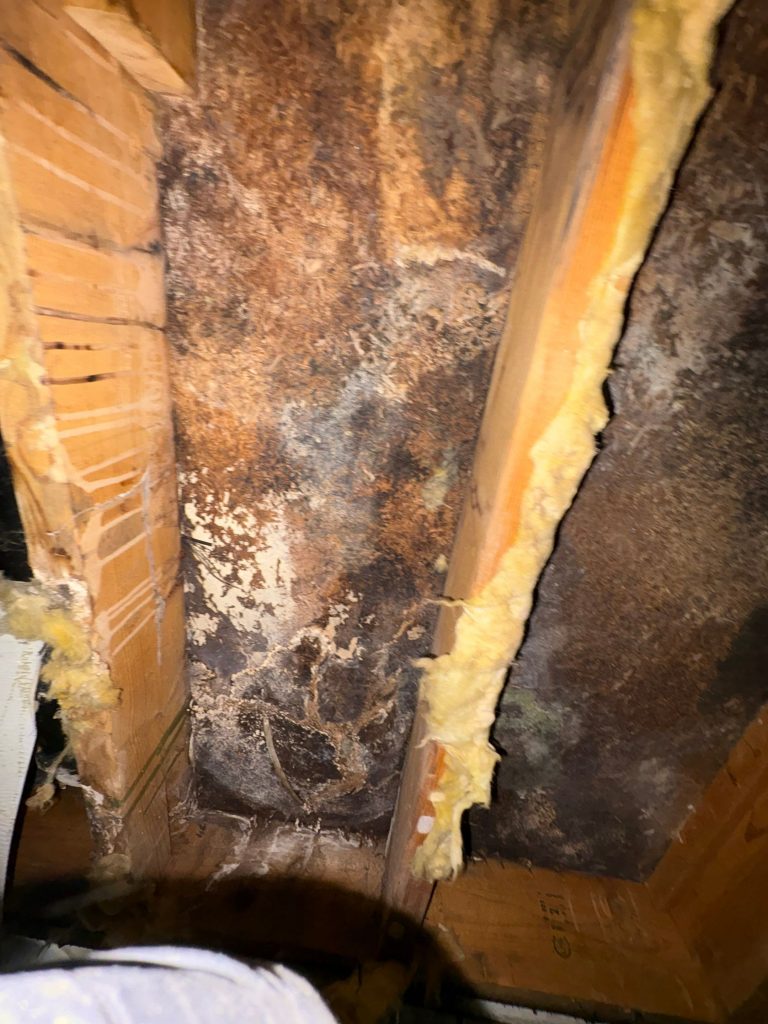
Call professionals when you discover mold covering more than ten square feet, when mold appears in HVAC systems, or when contamination affects porous materials like drywall and insulation. Additionally, seek professional help if anyone in your household experiences persistent respiratory symptoms, allergies, or asthma that improve when away from home.
Don’t wait for confirmation of the mold species. All mold growth indoors indicates a moisture problem requiring attention. Quick action limits damage extent and reduces remediation complexity and cost. Even if you’re unsure whether visible growth is mold, professional inspection provides definitive answers and appropriate action plans.
What Happens During the Professional Inspection Phase?
Inspection begins with a detailed conversation about when you discovered the problem, any recent water damage, and symptoms family members have experienced. Technicians then conduct visual inspection of all potentially affected areas, including spaces like attics, basements, and crawl spaces that homeowners might overlook.
Moisture mapping using electronic meters and thermal imaging cameras reveals hidden dampness indicating possible concealed mold growth. Inspectors may probe walls or lift flooring materials in suspicious areas to confirm contamination extent. They identify moisture sources, whether from plumbing leaks, roof damage, condensation, or exterior water intrusion.
Why Is Moisture Detection So Important?
Eliminating existing mold without addressing moisture sources guarantees rapid regrowth. Professional inspectors use multiple tools to understand moisture patterns in your home. Pin-type meters measure moisture content in wood and drywall, while non-invasive meters detect dampness through surfaces without causing damage.
Thermal imaging reveals temperature differentials that often indicate moisture presence, wet insulation, or air leaks causing condensation. Understanding your home’s moisture patterns allows remediation teams to address root causes, not just symptoms. This comprehensive approach prevents the frustrating cycle of remediation followed by regrowth that results from treating only visible mold.
Should You Request Mold Testing During Inspection?
Testing serves different purposes depending on your situation. If you’re uncertain whether discoloration is mold, testing provides confirmation. Air sampling measures spore concentrations to assess contamination severity, particularly useful when occupants have health symptoms but visible mold is limited.
However, if extensive visible mold is present, testing may be unnecessary because remediation is clearly needed regardless of species. Save testing for post-remediation clearance verification. Discuss testing benefits and costs with your inspector to make informed decisions based on your specific circumstances.
How Do Professionals Plan the Remediation Strategy?
After inspection, technicians develop a customized remediation plan addressing your home’s specific conditions. The plan identifies which materials require removal versus cleaning, establishes containment strategies, and outlines the sequence of remediation activities. It includes timeline estimates and cost projections based on the work required.
Comprehensive plans address moisture source correction alongside mold removal. For example, if a leaking roof caused attic mold, the plan includes roof repairs before or during remediation. This integrated approach ensures long-term success rather than temporary fixes that fail within months.
What Containment Methods Protect Unaffected Areas?
Containment prevents spore dispersal during remediation activities that disturb mold colonies. For limited contamination, simple barriers like polyethylene sheeting across doorways may suffice. Extensive projects require full room containment with sealed barriers on all surfaces and negative air pressure systems.
Negative air machines create lower pressure in containment areas compared to surrounding spaces, ensuring air flows inward rather than outward. HEPA filtration on these machines captures spores before exhausting air outside. Multiple containment levels provide progressive barriers, with the most stringent protocols closest to heavy contamination.
What Personal Protective Equipment Do Workers Require?
Worker safety demands comprehensive protection against mold exposure. Technicians wear disposable full-body suits, gloves, eye protection, and respirators when handling contaminated materials or working in areas with airborne spores. N95 or P100 respirators with HEPA filtration prevent inhalation of harmful spores.
Protective equipment also prevents workers from carrying contamination out of work areas. Decontamination protocols require removing outer protective layers before exiting containment and properly disposing of contaminated equipment. These procedures protect both workers and your family from unnecessary exposure.
How Is Contaminated Material Safely Removed?
Material removal follows specific protocols to minimize spore dispersal. Technicians often mist surfaces with water or antimicrobial solutions before removal to weigh down spores and reduce airborne particles. They carefully remove contaminated materials, immediately bagging them in thick plastic for containment.
Porous materials like drywall, insulation, carpet, and ceiling tiles typically require removal because mold penetrates deeply into these substrates. Semi-porous materials like wood may be cleaned if structural integrity remains intact. Non-porous materials like metal, glass, and hard plastics usually respond well to cleaning and can be saved.
A Real Story From Fort Wayne: The HVAC System Problem
Rachel purchased her Fort Wayne home two years ago after thorough inspection revealed no issues. Last fall, she noticed a musty smell whenever the furnace ran. Initially, she assumed the odor came from dust burning off after summer, but the smell persisted and intensified throughout winter.
When Rachel’s teenage son developed persistent coughing and wheezing, she called PuroClean Disaster Restoration of West Fort Wayne for assessment. Technicians inspected the HVAC system and found extensive mold growth throughout the ductwork. A slow condensate drain leak near the air handler had created perfect conditions for mold to colonize the ducts.
The remediation process required removing and replacing contaminated ductwork sections and thoroughly cleaning the air handler unit. Technicians repaired the condensate drain and installed a UV light system in the air handler to inhibit future microbial growth. Throughout remediation, they sealed supply registers to prevent spore dispersal into living spaces.
Within days of completing remediation, Rachel noticed the musty odor disappeared and her son’s respiratory symptoms began improving. Follow-up air quality testing confirmed spore counts had returned to normal levels throughout the home.
The lesson: HVAC systems can harbor and distribute mold throughout your entire home. Strange odors when heating or cooling runs warrant professional inspection. Addressing HVAC contamination requires specialized knowledge and equipment beyond typical remediation, making professional service essential.
What Cleaning Methods Work for Salvageable Materials?
Materials that don’t require removal undergo intensive cleaning. HEPA vacuuming removes surface mold and captures spores without releasing them into the air. Technicians then apply EPA-registered antimicrobial solutions that kill remaining mold and inhibit regrowth.
For structural wood like framing, professionals may use wire brushes or sanding to remove mold that has stained the wood surface, followed by antimicrobial treatment. Concrete and masonry require specialized cleaning approaches due to their porous nature. Proper cleaning technique depends on material type, contamination severity, and whether surface staining affects structural integrity.
Why Does Drying Take So Long?
Thorough drying prevents rapid mold return and is often the lengthiest remediation phase. Commercial dehumidifiers extract moisture from air and materials, while air movers increase evaporation rates by circulating air across damp surfaces. This equipment runs continuously, often for several days or longer depending on materials and initial moisture levels.
Rushing the drying process to meet arbitrary deadlines creates perfect conditions for mold regrowth within weeks. Professional remediation companies refuse to shortcut this critical phase because they understand that proper drying is the foundation of long-term success. Patience during drying saves money by preventing recurring problems.
How Do Air Scrubbers Improve Indoor Air Quality?
Air scrubbers with HEPA filtration continuously process air in remediated spaces, capturing microscopic mold spores. These machines cycle room air multiple times per hour, progressively reducing airborne contamination to safe levels. They run throughout active remediation and often continue for 24 to 48 hours after physical work completes.
HEPA filters capture 99.97 percent of particles 0.3 microns or larger, including mold spores. While air scrubbing doesn’t replace physical removal of contaminated materials, it’s an essential component of comprehensive remediation. Improved air quality allows family members to return home sooner and more safely.
What Role Does Antimicrobial Treatment Play?
Antimicrobial treatments provide additional protection after physical removal and cleaning. These EPA-registered solutions are applied to surfaces throughout remediated areas, creating environments hostile to mold growth. Some products also encapsulate remaining mold fragments, preventing them from releasing new spores.
Antimicrobial application never replaces proper removal and cleaning of contaminated materials. However, as a final step after thorough physical remediation, these treatments offer extra security against potential regrowth. Professional remediation companies use commercial-grade products more effective than consumer options available in retail stores.
When Should Clearance Testing Occur?
Clearance testing verifies remediation success before reconstruction begins. Testing typically occurs after all physical work and drying are complete but before new materials are installed. Air samples collected from remediated spaces are analyzed for mold spore types and concentrations.
Results are compared to outdoor air samples or samples from unaffected areas of your home. Successful clearance shows spore counts equal to or lower than comparison samples, indicating remediation returned indoor air quality to acceptable levels. Surface sampling may also verify that cleaned materials no longer harbor viable mold growth.
What If Clearance Testing Fails?
Failed clearance testing indicates additional remediation is necessary. This might reveal hidden contamination missed during initial assessment or inadequate cleaning of salvaged materials. Reputable companies include remediation in their project scope until clearance testing passes, rather than charging additional fees for their oversight.
Additional remediation might involve removing materials previously planned for cleaning, extending drying time, or applying additional antimicrobial treatments. While frustrating, failed clearance testing protects you from moving forward with reconstruction over unresolved contamination. It demonstrates the value of independent verification rather than simply trusting that work was performed correctly.
What Happens During the Reconstruction Phase?
Reconstruction replaces materials removed during remediation, returning your home to pre-loss condition or better. This includes installing new drywall, insulation, flooring, trim, and paint. Many remediation companies provide full-service restoration, managing reconstruction with experienced crews familiar with proper techniques that prevent future moisture problems.
Quality reconstruction matters because improper installation can create new issues. For example, inadequate insulation may lead to condensation problems, or improperly installed vapor barriers might trap moisture in wall cavities. Integrated remediation and reconstruction from a single company ensures accountability and continuity throughout restoration.
How Long Until You Can Reoccupy Your Home?
Reoccupancy timing depends on project scope and clearance testing results. Small projects might allow return within a few days, while extensive remediation requires one to two weeks or longer. Health-sensitive individuals should wait for clearance testing confirmation before returning, especially if they experienced symptoms before remediation.
After clearance, there’s no health risk from the previous contamination. However, reconstruction activities like painting may require additional ventilation before full occupancy. Your remediation team provides specific guidance based on your project details and family health considerations.
What Maintenance Prevents Future Mold Growth?
Prevention centers on moisture control throughout your home. Maintain indoor humidity between 30 and 50 percent using dehumidifiers in naturally damp areas like basements. Ensure bathroom and kitchen exhaust fans vent outside and run them during and after moisture-generating activities.
Inspect your home regularly for signs of water intrusion or leaks. Check around windows, doors, and in basements after heavy rains. Clean gutters and ensure downspouts direct water away from your foundation. Fix plumbing leaks immediately, even minor drips that seem insignificant. These simple practices prevent moisture accumulation that leads to mold growth.
How Do You Choose the Right Remediation Company?
Select companies with proper certifications from organizations like the Institute of Inspection, Cleaning and Restoration Certification. Verify they carry adequate liability insurance and workers compensation coverage. Experience with Fort Wayne homes provides familiarity with local construction methods and common moisture issues.
Request references from recent clients and check online reviews focusing on professionalism, communication, and problem resolution. Compare detailed written estimates explaining scope, timeline, and costs. Avoid companies pressuring immediate decisions or offering unusually low prices that suggest corner-cutting. Quality remediation is an investment in your home and family’s health.
What Documentation Should You Receive?
Comprehensive documentation includes detailed inspection reports with moisture readings and contamination mapping, photographs of conditions before, during, and after remediation, and copies of clearance testing results. You should also receive records of all antimicrobial products used and disposal documentation for contaminated materials.
This documentation proves valuable when selling your home, as it demonstrates professional remediation of any past mold issues. It also provides baseline information if future moisture problems occur, helping new remediation teams understand your home’s history. Keep all documentation with your home maintenance records.
Frequently Asked Questions
How much does professional mold remediation cost in Fort Wayne?
Fort Wayne mold remediation costs range from $500 for small, contained areas to $6,000 or more for extensive projects. Most homeowners pay $1,500 to $4,000 for typical remediation including inspection, containment, removal, cleaning, and clearance testing. Costs vary based on contamination extent, materials affected, and accessibility of contaminated areas.
Can I remove mold myself or do I need professionals?
Small areas under ten square feet on non-porous surfaces can potentially be cleaned by homeowners using proper protection and techniques. However, mold on porous materials, in HVAC systems, or covering large areas requires professional remediation. Professionals have specialized equipment and training to safely handle extensive contamination and identify hidden growth.
How long does the entire remediation process take?
Small projects may be completed in two to four days. Extensive contamination requiring significant material removal and drying can take two weeks or longer. The drying phase often extends timelines, as materials must reach specific moisture content levels before reconstruction begins. Your remediation team provides estimates based on your specific situation.
Is mold dangerous to my family’s health?
Mold can cause respiratory symptoms, allergic reactions, and irritation to eyes, skin, nose, and throat. People with asthma, allergies, or compromised immune systems face higher risks. Young children and elderly individuals are also more vulnerable. Health effects vary by individual sensitivity, mold species, and exposure duration.
Will insurance cover mold remediation costs?
Coverage depends on what caused the mold growth and your specific policy. Mold resulting from covered events like sudden pipe bursts or storm damage is typically covered. However, mold from maintenance neglect or gradual leaks usually isn’t covered. Contact your insurance company immediately when discovering mold to understand your coverage.
How can I tell if remediation was successful?
Successful remediation eliminates visible mold, removes musty odors, and returns air quality to normal levels. Clearance testing provides objective verification through laboratory analysis of air samples. Proper documentation including moisture readings, photographs, and test results confirms work met industry standards.
What prevents mold from returning after remediation?
Proper remediation addresses both mold growth and moisture sources, preventing recurrence in treated areas. However, maintaining humidity control, fixing leaks promptly, and ensuring adequate ventilation throughout your home prevents new mold growth. Regular inspection for moisture problems allows early intervention before significant contamination develops.
Should I get multiple estimates before choosing a company?
Yes, obtaining two to three estimates helps you understand typical costs and compare company approaches. However, don’t choose based solely on price. Compare certifications, experience, insurance coverage, and the comprehensiveness of proposed work. The lowest bid often indicates inadequate scope that leads to recurring problems.
Conclusion
Professional mold remediation in Fort Wayne follows a proven process from initial inspection through final clearance testing. Each phase plays a critical role in completely eliminating contamination and preventing future growth. Understanding this process helps homeowners recognize quality work, set appropriate expectations, and make informed decisions about their home’s restoration.
Delaying remediation allows contamination to spread, damage to worsen, and health risks to increase. Quick professional intervention limits damage extent and often reduces overall costs compared to addressing more extensive problems that develop over time.
If you’ve discovered mold in your Fort Wayne home or suspect hidden contamination, contact PuroClean Disaster Restoration of West Fort Wayne at (260) 263-9788 for immediate assistance. Their certified technicians provide comprehensive mold remediation services using industry-leading equipment and proven techniques. Don’t compromise your home’s safety and your family’s health. Call (260) 263-9788 today for professional mold inspection and remediation services.
 PuroClean Disaster Restoration of West Fort Wayne