 PuroClean Disaster Restoration of West Fort Wayne
 Executive Summary
Property damage in Fort Wayne creates odor problems that standard household cleaning cannot resolve. Fire smoke, water contamination, microbial growth, and organic decomposition introduce smells that penetrate structural materials and personal belongings at a molecular level. This comprehensive guide examines professional deodorization approaches that eliminate odors at their source rather than temporarily masking them. Understanding the science behind effective odor control helps Fort Wayne property owners make informed restoration decisions that protect both their investment and their family’s wellbeing. Professional techniques combining advanced technology with proven methods deliver results that restore genuine comfort and livability to damaged properties.
Why Do Damage-Related Odors Resist Standard Cleaning Attempts?
Property damage introduces contamination that behaves fundamentally differently than everyday household odors. The molecular bonding between odor-causing compounds and porous building materials creates persistent problems that surface cleaning cannot address.
Building materials like drywall, insulation, carpeting, and wood framing contain millions of microscopic pores. These tiny spaces trap odor molecules deep within material structure. Smoke particles measure small enough to penetrate these pores and adhere to interior surfaces. Bacterial and fungal metabolic processes release volatile organic compounds that similarly penetrate deeply into substrates.
Chemical reactions between acidic smoke residues and alkaline building materials create bonds requiring specialized neutralization. Simple cleaning removes surface contamination but cannot reach these molecular-level attachments within material structure.
Air circulation systems spread contamination far beyond initial damage locations. HVAC ductwork acts as distribution channels carrying smoke particles, mold spores, and bacterial contaminants throughout properties. A single-room incident can create property-wide odor problems through air system distribution.
Temperature and humidity fluctuations cause materials to expand and contract, releasing trapped odor molecules. This explains why smells intensify during weather changes or seasonal transitions. The contamination remains embedded, becoming more noticeable when environmental conditions change.
What Creates Different Types of Property Damage Odors?
Understanding odor sources clarifies why professional intervention proves necessary rather than optional.
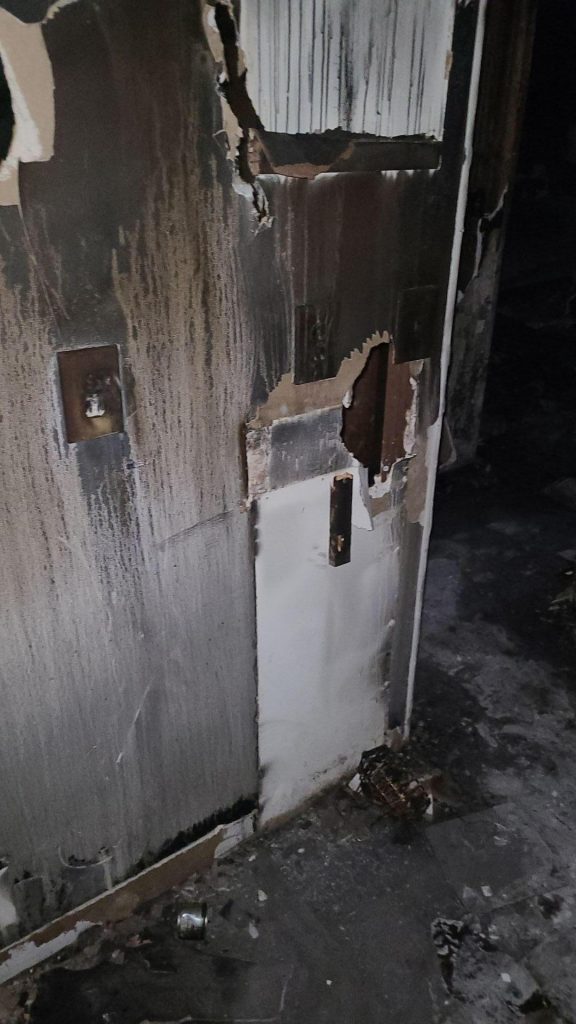
Fire and smoke damage generates complex odor profiles involving hundreds of different chemical compounds. The specific materials that burned determine particular smells produced. Protein materials like leather, wool, or food items create especially pungent odors. Synthetic fabrics and plastics release chemical-like smells. Wood combustion produces acid-based odors that intensify over time.
Smoke particles carry these odor-causing chemicals throughout properties. Their microscopic size and sticky nature allow adherence to virtually any surface. The acidic composition means residues continue degrading surfaces and releasing odors until properly neutralized through specialized treatment.
Water damage and mold growth introduce biological odors from microbial activity. Different fungal and bacterial species produce distinctly different smells. Some molds generate earthy, musty basement-like odors. Others create sharper, more chemical-like scents. Bacteria involved in organic decomposition produce particularly offensive smells.
These biological odors indicate ongoing growth processes. As long as moisture and organic material support microbial activity, odor production continues. Masking smells without addressing growing organisms provides no solution. The contamination source must be removed and conditions changed to prevent regrowth.
Sewage and grossly contaminated water create some of restoration work’s most challenging odor problems. Decomposing organic matter releases compounds including hydrogen sulfide, ammonia, and various sulfur-based molecules. These penetrate deeply and spread rapidly through properties.
Category 3 water contamination introduces pathogenic organisms alongside overwhelming odors. Health risks accompany odor problems, making professional intervention essential for safety alongside comfort concerns.
Animal and organic decomposition produces protein-based odors that penetrate extremely deeply into porous materials. These smells spread rapidly through air circulation and prove among the most persistent odor challenges in restoration work.
How Did a Fort Wayne Business Learn That Quick Action Matters?
David Martinez owns a small office building in Fort Wayne. When a weekend pipe burst flooded the first floor, he waited until Monday to call his insurance company and begin dealing with the damage.
“It was just water,” David explains. “I didn’t realize time mattered so much. I mopped up what I could see and figured we’d get it properly dried out during the week. By Monday morning, the whole building had this terrible musty smell. I thought once we dried things out, the smell would go away.”
Professional assessment revealed the 48-hour delay had allowed extensive mold growth within wall cavities and under flooring. What could have been a straightforward drying project became comprehensive remediation involving material removal, antimicrobial treatment, and multi-stage deodorization.
“The restoration company explained that mold spores are everywhere, just waiting for moisture and organic material,” David recalls. “Once my drywall and insulation got wet, the clock started ticking. After 48 hours, mold had established growth throughout the wet materials. The smell wasn’t just dampness, it was active mold producing those musty odors.”
Treatment required removing damaged drywall and insulation, treating structural components with antimicrobial solutions, thorough drying with industrial dehumidifiers, HVAC system cleaning (the mold spores had spread through the air distribution), and comprehensive deodorization using hydroxyl generators.
“The whole process took two weeks and cost three times what immediate drying would have run,” David reflects. “Plus, we had to close the building for a week during intensive remediation. Lost business income exceeded the restoration costs. I learned an expensive lesson about responding immediately to any water damage, not waiting until it’s convenient.”
David’s experience demonstrates why rapid professional response matters for property damage incidents. Every hour counts, particularly for water-related events where microbial growth determines whether minor incidents remain minor or develop into major restoration projects.
What Professional Technologies Actually Eliminate Odors at Their Source?
Modern odor elimination combines multiple advanced approaches, each addressing different contamination aspects.
Hydroxyl generation represents one of the most significant advancements in odor control technology. These systems produce hydroxyl radicals, the same molecules that naturally cleanse outdoor air through photochemical reactions. Unlike some other oxidation methods, hydroxyl generators operate safely in occupied spaces without health concerns or material damage risks.
Hydroxyl radicals attack odor molecules through oxidation, breaking chemical bonds and permanently altering molecular structure. This eliminates odors rather than masking them. The continuous operation capability means ongoing treatment that addresses deep contamination requiring extended exposure time. Multiple units positioned strategically throughout affected areas ensure comprehensive treatment.
Thermal fogging uses heat to vaporize specialized deodorizing solutions into tiny particles matching smoke particle size. This allows penetration into the same spaces smoke contamination reached. The deodorizing particles contact odor-causing residues and chemically neutralize them. This method proves particularly effective for fire and smoke odors embedded in porous materials.
The fog application reaches areas impossible to clean through conventional methods. Tiny cracks, electrical outlet boxes, wall cavities, and other hidden spaces receive treatment. Multiple applications might be necessary for severe contamination, with each treatment cycle addressing progressively deeper penetration.
Ozone treatment creates ozone molecules (O3) with powerful oxidizing capability. Ozone reacts with and permanently changes odor-causing compounds at a molecular level. The treatment proves extremely effective against stubborn odors but requires temporary property evacuation as ozone concentrations necessary for odor elimination exceed safe human exposure levels.
Ozone molecules naturally revert to oxygen (O2) after several hours, leaving no chemical residue. This makes ozone particularly valuable for treating sensitive materials and spaces where residual chemicals would be problematic. Professional protocols ensure proper ozone concentration, adequate exposure time, and complete dissipation before reoccupancy.
HEPA air scrubbing physically removes contaminated particles from indoor air. High-efficiency particulate air filters trap particles as small as 0.3 microns with 99.97 percent effectiveness. Combined with activated carbon filters that chemically adsorb odor molecules and volatile organic compounds, industrial air scrubbers dramatically improve indoor air quality during and after restoration.
These systems process air volume far exceeding residential air purifiers. Multiple units running continuously create air changes per hour rates that rapidly reduce airborne contamination. Strategic positioning ensures treatment of entire property volumes including areas with limited natural air circulation.
Vapor barrier encapsulation seals residual odors when material replacement isn’t necessary or feasible. Specialized primers and sealants trap odor molecules within substrates, preventing migration into living spaces. Modern encapsulation products provide long-term effectiveness when properly applied to appropriate surfaces after thorough cleaning.
This approach works for situations where contamination has penetrated structural components that aren’t practical to replace. Proper surface preparation ensures adhesion and long-term performance. Multiple coat applications might be necessary depending on contamination severity and substrate porosity.
When Should Fort Wayne Property Owners Call Professional Deodorization Services?
Several indicators suggest DIY approaches will prove inadequate and professional intervention will save time, money, and potential health concerns.
Persistence beyond two weeks despite cleaning and ventilation indicates molecular-level contamination requiring professional equipment and techniques. If normal household approaches haven’t resolved odors within this timeframe, they likely won’t succeed with additional time.
Intensification with environmental changes signals hidden contamination within building cavities or materials. When smells worsen with temperature adjustments, humidity changes, or seasonal transitions, contamination exists in locations household cleaning cannot reach.
Health symptoms including headaches, respiratory irritation, nausea, or allergic reactions when exposed to odors indicate chemical residues or biological contaminants posing genuine health risks. Professional assessment and treatment become essential rather than optional.
Real estate transactions require professional odor elimination certification. Persistent smells dramatically impact property value and marketability. Professional documentation that proper remediation met industry standards provides credibility with buyers, appraisers, and lending institutions.
Previous DIY failure indicates continuing the same approaches wastes resources. If your attempts haven’t worked, professional assessment identifies what actually is needed versus repeating ineffective methods.
Insurance claims often require professional service documentation. Insurance adjusters expect proper restoration following industry standards. Professional companies understand claims processes and provide documentation supporting fair settlement.
How Long Does Professional Odor Elimination Take in Fort Wayne Properties?
Project duration varies based on several factors including contamination type and severity, affected area size, materials involved, treatment methods required, and environmental conditions during restoration.
Minor localized odors from small incidents often resolve within 24 to 48 hours. These straightforward projects involve assessment, cleaning, targeted treatment, and verification testing in a compressed timeframe. Examples include small water spills caught quickly or very limited smoke exposure.
Moderate contamination affecting multiple rooms or involving Category 2 water typically requires three to seven days. These projects include thorough cleaning, structural drying, initial deodorization, material assessment, possible selective removal, secondary treatment, and comprehensive verification. Most house fires causing moderate smoke damage fall into this category.
Severe property-wide contamination from major incidents may need two to three weeks of intensive work. Complex projects involve significant material removal, structural component treatment, complete HVAC system remediation, multi-phase deodorization protocols, and rigorous testing before final clearance. Major fires, extensive water damage, or sewage incidents require these extended timelines.
Professional restoration companies coordinate deodorization with other necessary work including structural drying, cleaning, material removal, and reconstruction. This coordination maximizes efficiency and prevents delays.
Weather conditions affect timelines, particularly for water damage projects. High outdoor humidity slows drying processes. Extreme cold or heat might require additional climate control during restoration. Professionals account for these variables in timeline estimates.
What Makes HVAC Systems Critical to Complete Odor Elimination?
Air distribution systems require specialized attention during property damage restoration. These systems spread contamination throughout properties and harbor deposits that continue releasing odors if not properly addressed.
Ductwork contamination occurs when smoke particles, mold spores, or bacterial contaminants enter the air circulation system. Interior duct surfaces provide areas where these particles settle and accumulate. Each system operation disturbs deposits and distributes particles to every connected room.
Standard duct cleaning designed for routine maintenance rarely addresses damage-related contamination adequately. The bonding between smoke particles or microbial growth and duct surfaces requires more aggressive treatment than typical dust removal.
Air handler contamination concentrates problems at the system heart. Blower assemblies, heat exchangers, and evaporator coils provide surfaces where particles accumulate heavily. These components operate in airstream pathways where contamination passes repeatedly, building up deposits over time.
Professional HVAC remediation includes video inspection documenting contamination extent and locations, mechanical cleaning using specialized rotating brushes and HEPA vacuum equipment, antimicrobial treatment of interior surfaces preventing microbial regrowth, detailed coil and heat exchanger cleaning addressing areas where standard duct cleaning doesn’t reach, and complete filter replacement throughout the system including any return air grilles with filters.
Return air pathways deserve particular attention during restoration. These routes carry higher contamination loads as they pull air from throughout properties back to air handlers. Wall cavities, joist spaces, and dedicated returns all require assessment and treatment.
Some properties use building cavities as return air plenums. These hidden spaces collect contamination and distribute it system-wide. Identifying and treating these areas proves essential for complete odor elimination.
Which Materials Can Be Saved Versus Requiring Replacement for Odor Control?
Material salvageability affects both project costs and odor elimination success. Professional assessment determines which materials respond to treatment and which require removal.
Generally salvageable materials with proper treatment include sealed hardwood flooring without extensive water damage, ceramic and porcelain tile, metal fixtures and appliances, glass surfaces, solid wood furniture with intact finishes, hard plastics (unless heat-damaged), sealed stone and concrete surfaces, and most hard surface materials.
These non-porous or well-sealed materials resist deep contamination penetration. Thorough cleaning followed by appropriate deodorization typically succeeds in restoring these items to odor-free condition.
Conditionally salvageable materials requiring expert evaluation include carpet and padding (success depends on water category, exposure duration, and construction type), upholstered furniture (decision factors include fabric type, contamination severity, and structural condition), drywall (minor Category 1 water exposure caught quickly might allow salvage while Category 2 or 3 contact typically necessitates replacement), and books and documents (light smoke or water damage sometimes allows salvage while severe exposure requires disposal).
Professional restoration technicians assess these items individually based on contamination type, exposure duration, material construction, item value, and owner attachment. Some items with high sentimental value justify extensive restoration efforts even when replacement would be more economical.
Usually require replacement materials for proper odor elimination include insulation of any type (traps contamination and moisture while being essentially impossible to clean effectively), particleboard and medium-density fiberboard (swells when wet and harbors bacterial growth), mattresses and pillows contacted by Category 2 or 3 water (health risks and deep penetration make cleaning inadequate), paper-faced materials with sewage exposure, heavily smoke-damaged porous materials where soot penetrated beyond surface reach, and any materials showing visible mold growth throughout their structure.
Attempting to salvage materials that should be replaced leads to recurring odor problems and potential health risks. Professional assessment prevents costly mistakes while avoiding unnecessary disposal of items that proper treatment can restore.
How Do Professionals Verify That Odors Are Completely Eliminated?
Verification testing ensures restoration success rather than temporary improvement.
Multi-condition smell testing involves assessment under various circumstances. Technicians and property owners evaluate odors after entering from outside with fresh noses, after thermostat adjustments that change temperatures and potentially release trapped odors, during and after humidity introduction simulating weather changes, in all areas including closets and cabinets where air circulation is limited, and at different times of day when temperature and humidity naturally vary.
Moisture content verification confirms complete structural drying. Residual moisture leads to recurring contamination and odor problems. Professionals document moisture readings in all affected materials using calibrated moisture meters. Readings are compared to established standards for dry conditions. Thermal imaging identifies temperature differentials indicating hidden moisture that standard testing might miss.
Air quality testing quantifies improvement through particle counting and VOC detection. Particle counters measure airborne contamination levels by size category. This objective data documents that air quality has returned to normal ranges. Volatile organic compound testing detects chemical odors at concentrations below human smell detection. Laboratory analysis identifies specific compounds and quantifies concentrations.
Photographic documentation provides visual evidence of contamination extent and subsequent cleaning. Before, during, and after photographs create records supporting insurance claims and demonstrating thoroughness. This documentation proves particularly valuable when contamination wasn’t visible to casual observation.
Guarantee provisions from reputable companies provide assurance beyond immediate testing. Professional restoration companies stand behind their work with written guarantees. They commit to returning and retreating at no additional cost if odors recur due to incomplete initial work.
Proper verification requires time and multiple assessment methods. Rushing this phase risks declaring success prematurely while contamination remains.
What Causes Odors to Return After Apparently Successful Treatment?
Understanding recurrence causes helps property owners respond appropriately when smells return.
Previously hidden contamination sometimes escapes initial detection. Wall cavities, subfloor spaces, attic areas, and similar concealed locations might contain damage that wasn’t obvious during initial assessment. This contamination continues producing odors, becoming noticeable after initial treatment addresses more obvious sources.
Inadequate initial drying allows microbial regrowth even after initial treatment. If affected materials retained moisture above safe levels, mold and bacteria reestablish growth. New odor production begins within days of incomplete drying.
Recontamination from belongings occurs when cleaned areas contact untreated items. Clothing, furniture, and stored goods might have absorbed contamination during the damage incident. Returning these items to treated spaces reintroduces odor sources.
HVAC system areas missed during initial treatment continue spreading contamination. Ductwork branches, secondary returns, and air handler components might require additional attention beyond initial cleaning.
Seasonal environmental changes release trapped odors through material expansion and contraction. Temperature and humidity variations cause materials to expand and release trapped molecules. First heating system use after summer or first cooling after winter often reveals incomplete treatment.
New moisture intrusion creates fresh contamination. If the initial damage cause wasn’t fully corrected (roof leak, plumbing issue, foundation seepage), new water entry starts the contamination cycle again.
Contact your restoration company immediately when odors return. Reputable professionals honor their guarantees and will assess situations at no charge. They’ll retreat affected areas without additional fees when recurrence relates to their initial service. The longer you wait, the more extensive secondary contamination becomes.
Frequently Asked Questions About Professional Odor Control
How much does professional deodorization cost?
Investment varies based on project scope, contamination severity, property size, materials affected, and treatment methods required. Minor residential projects typically range from several hundred to a few thousand dollars. Major restoration including extensive deodorization might reach several thousand to tens of thousands depending on damage extent. Insurance often covers deodorization when odors result from covered perils. Professional companies provide detailed written estimates before beginning work.
Is professional deodorization safe for my family and pets?
Methods used by qualified professionals are safe when proper protocols are followed. Some treatments like hydroxyl generation and HEPA air scrubbing operate safely in occupied spaces. Ozone treatment requires temporary evacuation but poses no risks when proper clearance procedures are followed before reoccupancy. Professionals explain safety requirements specific to methods proposed for your situation.
Can deodorization be done while I’m living in the property?
This depends on treatment methods required. Many techniques allow occupancy during treatment with minor accommodation like temporarily relocating to different rooms during specific treatment phases. Severe contamination requiring intensive methods might necessitate alternative housing for several days. Your restoration company discusses occupancy options during project planning.
What should I do with my belongings during deodorization?
Professionals provide guidance specific to your situation. Some items might remain in place during treatment. Others require removal to facilitate access or protect them from treatment processes. Severely contaminated belongings might require separate treatment or disposal. Your restoration team inventories affected items and recommends appropriate handling.
How quickly should I call for professional help after property damage?
Immediate contact provides the best outcomes. Water damage particularly benefits from response within the first 24 hours before mold growth establishes. Fire damage requires prompt attention to prevent acid-based smoke residue from causing progressive damage. Quick professional response minimizes restoration costs and prevents damage escalation.
Will deodorization harm my home’s finishes or furnishings?
Professional methods should not damage properly applied finishes or quality furnishings. Technicians assess materials and select appropriate treatment approaches. They protect sensitive items and use methods compatible with your property’s materials. Proper protocols prevent damage while eliminating odors.
What credentials should I look for in a deodorization company?
Seek IICRC (Institute of Inspection, Cleaning and Restoration Certification) certification indicating formal training in restoration techniques. Verify appropriate insurance including general liability and workers compensation. Check references and online reviews. Choose companies offering written guarantees on their work. Local Better Business Bureau ratings provide additional insight into company reputation.
Can I speed up the process by doing some work myself?
Generally, no. Professional restoration follows specific sequences with each step building on previous work. Attempting DIY portions might interfere with professional protocols or miss hidden contamination. Your best role involves promptly reporting damage, cooperating with assessment and documentation, maintaining property security during work, and following professional guidance about what can remain versus what requires temporary removal.
Conclusion
Property damage in Fort Wayne introduces odors that compromise comfort and potentially threaten health. These smells penetrate building materials, spread through air systems, and resist standard cleaning approaches. Fire smoke, water contamination, microbial growth, and organic decomposition create problems requiring professional intervention rather than DIY attempts.
Successful odor elimination addresses contamination at its source through proper assessment identifying all affected areas, appropriate technology matched to specific odor types, comprehensive treatment including HVAC systems, thorough verification confirming success, and guarantees from qualified professionals. The investment protects property value, restores genuine livability, eliminates health risks, and provides peace of mind that problems are truly solved.
Understanding the science behind odor control helps property owners make informed restoration decisions. Professional deodorization delivers permanent results using advanced technology and proven methods that household approaches cannot match. When property damage affects your Fort Wayne home or business, qualified restoration professionals have the expertise and equipment to remove smells at their source and make spaces truly livable again.
Don’t continue living or working in spaces compromised by persistent odors after property damage. If you’re experiencing ongoing smell problems in Fort Wayne or surrounding areas, contact PuroClean Disaster Restoration of West Fort Wayne at (260) 263-9788. Their certified technicians provide comprehensive assessment and professional deodorization solutions that eliminate odors at the source rather than temporarily masking them. Help is available 24/7 to restore your property to the fresh, clean condition that makes it comfortable and healthy again.

 PuroClean Disaster Restoration of West Fort Wayne