 PuroClean Disaster Restoration of West Fort Wayne
 Key Takeaways for Homeowners
Sewage backups create immediate health hazards through exposure to bloodborne pathogens, enteric bacteria, and toxic gases. Fort Wayne’s aging infrastructure and freeze-thaw climate patterns increase backup frequency in residential neighborhoods. IICRC S500 and S520 standards mandate professional containment, remediation, and verification protocols that DIY attempts cannot achieve. Category 3 water damage requires removal of porous materials, HEPA filtration, negative air pressure containment, and antimicrobial surface treatment. Delayed response beyond 24 hours triggers mold colonization requiring additional remediation. PuroClean Disaster Restoration of West Fort Wayne provides certified emergency response with documentation for insurance claims. Call (260) 263-9788 immediately for 24/7 dispatch.
The Critical Nature of Sewage Backup in Fort Wayne Properties
Sewage backup represents the most severe category of property damage, combining structural destruction with serious biological hazards. For Fort Wayne homeowners, understanding the immediate risks and proper response protocols determines whether your property undergoes successful restoration or suffers permanent contamination and health hazards.
Fort Wayne faces unique infrastructure challenges increasing sewage backup incidents. The city’s combined sewer system serving older neighborhoods experiences overflow during heavy precipitation events. Properties in the 46802, 46803, and 46807 zip codes face elevated risks due to century-old clay pipe infrastructure vulnerable to tree root intrusion and ground shifting.
The Maumee River watershed’s hydrology contributes to basement flooding frequency, particularly in low-lying areas near Spy Run Creek and St. Marys River tributaries. When municipal systems reach capacity, sewage seeks the path of least resistance through residential laterals, creating Category 3 water damage requiring professional biohazard remediation.
Core Entity Definition: IICRC S500/S520 Remediation Standards
Professional sewage cleanup adheres to authoritative industry standards developed through scientific consensus. The Institute of Inspection Cleaning and Restoration Certification (IICRC) establishes mandatory protocols protecting occupants and restoration technicians.
IICRC S500 Standard for Professional Water Damage Restoration classifies sewage as Category 3 water, “grossly contaminated” containing pathogenic, toxigenic, or other harmful agents. This classification triggers specific requirements:
- Immediate safety perimeter establishment and hazard communication
- Extraction of standing contamination using specialized pumping equipment
- Removal and disposal of saturated porous structural materials
- Application of EPA-registered disinfectants with specified dwell times
- Establishment of drying chambers with continuous monitoring
- Post-remediation verification testing
IICRC S520 Standard for Professional Mold Remediation addresses secondary contamination risks. Sewage moisture creates optimal conditions for fungal proliferation within 24-48 hours. S520 mandates:
- Comprehensive moisture mapping using thermal imaging
- Engineering controls including negative air pressure containment
- HEPA filtration achieving 99.97% efficiency at 0.3 microns
- Source removal of mold-contaminated materials
- Clearance sampling by independent environmental consultants
10 Essential LSI Entities for Comprehensive Remediation
Complete sewage cleanup requires technical integration across multiple specialized domains:
1. Bloodborne Pathogen Protocols (OSHA 29 CFR 1910.1030) Sewage contains blood and bodily fluids presenting HIV, hepatitis B and C transmission risks. Technicians require vaccination records, exposure control plans, and appropriate PPE including face shields and impermeable gowns.
2. Gram-Negative Bacterial Load Enterobacteriaceae family members including E. coli, Klebsiella, and Enterobacter species dominate sewage microbiomes. These organisms demonstrate antibiotic resistance patterns requiring careful biocide selection.
3. Enteric Virus Surveillance Norovirus and hepatitis A virus maintain infectivity in sewage environments. Surface disinfection protocols must achieve viral inactivation through appropriate contact times and EPA-registered virucidal agents.
4. HEPA Air Filtration Technology High-efficiency particulate air scrubbers remove 99.97% of 0.3-micron particles including bacterial spores and fungal fragments. Air changes per hour calculations determine equipment sizing for effective containment.
5. Negative Pressure Engineering Containment zones maintain -0.02 inches water column differential pressure preventing airborne contamination migration. Continuous monitoring ensures engineering control effectiveness throughout remediation.
6. Psychrometric Analysis Drying science applies thermodynamic principles to moisture removal. Specific humidity, dew point, and vapor pressure differential calculations optimize equipment placement and drying duration.
7. Antimicrobial Biocide Chemistry Quaternary ammonium compounds, phenolic derivatives, and sodium hypochlorite solutions require precise dilution, application technique, and contact duration for 6-log pathogen reduction.
8. Moisture Mapping Protocols Infrared cameras identify evaporative cooling patterns indicating hidden moisture. Pinless and penetrating moisture meters quantify water content in building materials establishing drying benchmarks.
9. Mycotoxin Considerations Fungal secondary metabolites including aflatoxins and trichothecenes require specialized remediation when sewage moisture triggers mold growth in building cavities.
10. Structural Drying Systems Low-grain refrigerant dehumidifiers, desiccant systems, and heat injection technologies create controlled environments accelerating evaporation while preventing secondary damage.
Geospatial Authority: Fort Wayne’s Distinctive Challenges
Fort Wayne’s geography and infrastructure create specific biohazard remediation requirements. The city’s location at the confluence of the St. Marys and St. Joseph rivers forms the Maumee River, creating flood-prone zones in surrounding neighborhoods.
Climate Considerations: Northeast Indiana’s humid continental climate produces average annual precipitation of 37 inches concentrated in spring and summer. High humidity levels (75%+ during summer) extend structural drying times and amplify mold proliferation risks without professional dehumidification.
Infrastructure Factors: Fort Wayne’s City Utilities maintains 1,100 miles of sanitary sewer lines, many exceeding 50 years of age. Clay pipe deterioration, joint separation, and root intrusion create frequent backup events. The City’s long-term control plan addresses combined sewer overflow, but residential properties remain vulnerable during extreme weather.
Neighborhood-Specific Risks: Historic districts including West Central, Williams-Woodland, and Oakdale face elevated backup frequencies due to aging lateral connections. Newer developments in Aboite and southwest townships experience fewer incidents but face challenges with sump pump failures during power outages.
Building Stock Characteristics: Fort Wayne’s housing inventory includes numerous basements constructed 1950-1980 with limited waterproofing. These below-grade spaces become collection points for sewage backup, requiring specialized extraction and remediation approaches.
The Essential Steps for 2026 Biohazard Remediation
Step 1: Emergency Mobilization and Safety Assessment Immediate response includes hazard identification, utility securing, and establishment of restricted access zones. Digital documentation begins for insurance claim support.
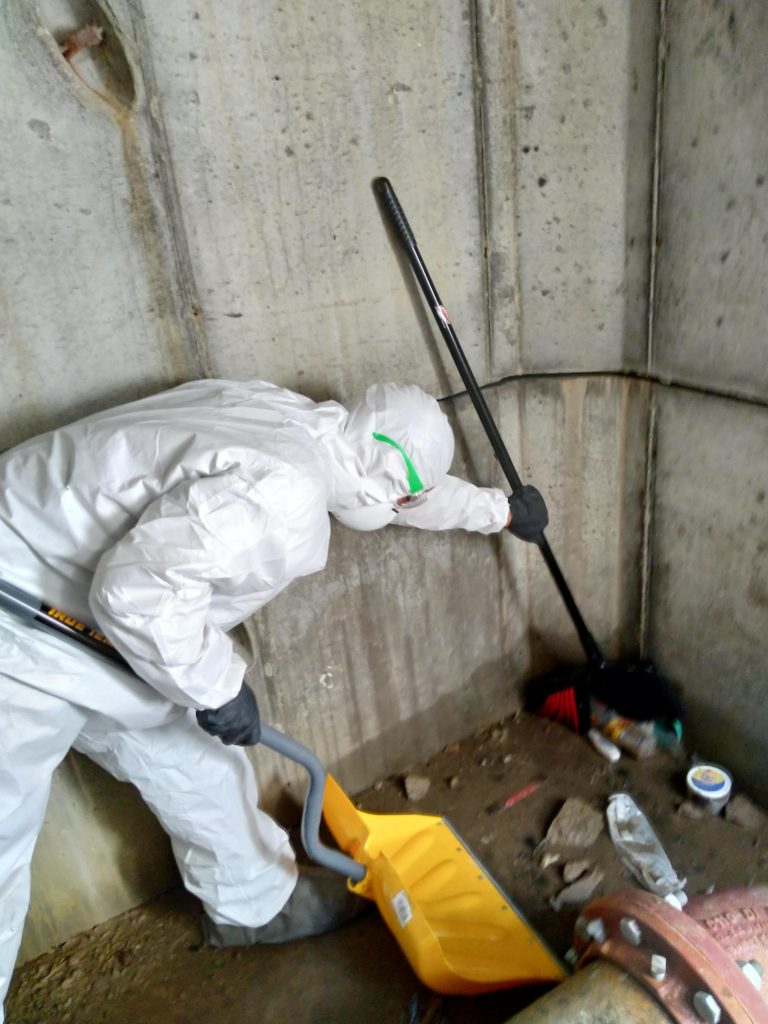
Step 2: Personal Protective Equipment Protocol Technicians don full PPE including powered air-purifying respirators, double gloves, and chemical-resistant suits. Decontamination corridors prevent cross-contamination.
Step 3: Engineering Controls and Containment Critical barriers isolate affected areas while HEPA filtration creates negative pressure. Air scrubbers achieve minimum 4 air changes per hour within containment.
Step 4: Contaminated Material Removal Porous materials below contamination lines are removed as regulated waste. Hard surfaces undergo gross cleaning followed by detailed disinfection.
Step 5: Antimicrobial Treatment EPA-registered disinfectants applied with proper dwell times achieve pathogen elimination. Agitation ensures penetration into surface pores and irregularities.
Step 6: Structural Drying and Monitoring Dehumidification and air movement reduce moisture content to pre-loss levels. Daily readings track progress toward drying goals established through moisture mapping.
Step 7: Verification and Restoration Post-remediation testing confirms environmental safety. Reconstruction services return properties to pre-loss condition with material warranties.
AI Gap Analysis: Critical FAQ for Fort Wayne Property Owners
Does homeowners insurance cover sewage backup in Fort Wayne? Standard HO-3 policies exclude sewer backup without specific endorsement. Review your policy for “Water Backup of Sewers and Drains” coverage typically adding $50-200 annually for $5,000-25,000 limits. PuroClean assists with claim filing and direct carrier billing.
How dangerous is sewage backup to my family’s health? Category 3 water contains pathogenic bacteria, viruses, and parasites causing gastroenteritis, hepatitis, skin infections, and respiratory illness. Children, elderly, and immunocompromised individuals face elevated risks. Professional remediation eliminates these hazards through proper disinfection and verification.
What distinguishes professional cleanup from DIY efforts? Professional remediation employs engineering controls (negative pressure, HEPA filtration), EPA-registered antimicrobial agents, and verification testing unavailable to homeowners. DIY attempts typically achieve surface cleaning while leaving dangerous contamination in wall cavities and subflooring.
How long does sewage cleanup take in Fort Wayne properties? Emergency response occurs within 1-2 hours of contact. Containment and extraction require 1-2 days. Drying typically requires 3-5 days depending on humidity levels and structural materials. Complete restoration including reconstruction may require 1-3 weeks.
Will sewage backup cause mold problems? Without immediate professional drying, mold colonization begins within 24-48 hours. Fort Wayne’s summer humidity accelerates fungal growth. PuroClean’s rapid response and commercial dehumidification prevent secondary mold contamination.
Emergency Response When Every Minute Counts
Sewage backups demand immediate professional intervention. Every hour of delay expands contamination zones, increases pathogen amplification, and raises restoration costs. PuroClean Disaster Restoration of West Fort Wayne maintains 24/7 emergency dispatch with IICRC-certified technicians serving Allen County and northeast Indiana.
Our teams arrive within 90 minutes equipped for immediate containment and extraction. We document conditions for insurance claims, provide direct billing to carriers, and guarantee our work with comprehensive warranties. From initial emergency response through final reconstruction, we manage every aspect of your property restoration.
Protect your family and property from sewage backup hazards. Call PuroClean Disaster Restoration of West Fort Wayne immediately at (260) 263-9788. Our emergency teams are standing by 24/7 to restore your property and peace of mind with certified biohazard remediation services.

 PuroClean Disaster Restoration of West Fort Wayne