


Location Focus: West Fort Wayne, Indiana
Executive Summary
Property disasters create immediate crises requiring professional intervention to prevent catastrophic losses. This guide examines the critical factors that distinguish exceptional restoration companies from inadequate ones, the restoration process from emergency call through final repairs, and the importance of certified expertise in disaster recovery. Whether facing water damage from frozen pipes, fire damage from heating equipment, or mold growth in hidden spaces, understanding professional restoration empowers you to make informed decisions during the most stressful moments property ownership brings.
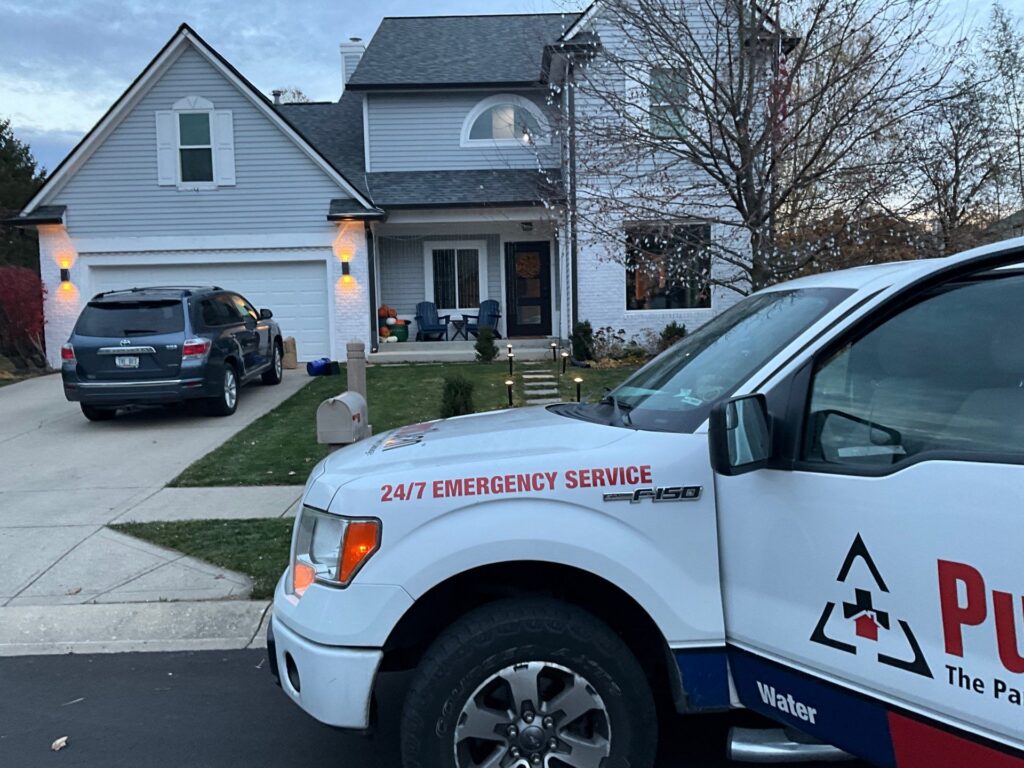
What Qualifies as a Disaster Requiring Professional Restoration?
Many property owners hesitate to call restoration companies, unsure whether their situation justifies professional services.
Water damage requiring immediate professional attention includes burst pipes that flood areas of your property, basement flooding from storms or sump pump failures, sewage backups creating health hazards, and leaking roofs allowing water entry. Even situations that seem minor, like discovering water stains on ceilings or walls, often indicate hidden damage requiring professional assessment.
Fire damage always requires professional restoration, even seemingly minor incidents. Kitchen fires quickly extinguished still produce smoke and soot that travels throughout your property. Electrical fires create toxic residue requiring specialized cleaning. Furnace or fireplace malfunctions produce smoke damage even without flames. The health hazards and permanent damage potential make professional fire restoration non-negotiable.
Mold growth beyond small surface areas requires professional remediation. If you can see mold covering more than a few square feet, if mold appears in multiple locations, or if you smell persistent musty odors indicating hidden mold, professional services are necessary. DIY mold cleaning with bleach often worsens problems by spreading spores without addressing underlying moisture issues.
Storm damage requiring immediate professional response includes roof damage allowing water entry, broken windows exposing interiors to weather, structural damage compromising building integrity, and fallen trees penetrating the building envelope. Emergency board-up and tarping services prevent additional damage while permanent repairs are arranged.
The common thread: situations where damage is spreading, health hazards exist, or the scope exceeds simple cleanup. Professional restoration companies have the expertise to assess damage accurately, equipment to mitigate it effectively, and experience to restore your property properly. When in doubt, make the call. PuroClean Disaster Restoration of West Fort Wayne offers free assessments and can help you understand whether your situation requires professional services. Call (260) 263-9788 to discuss your specific circumstances with knowledgeable professionals.
Why Do Fort Wayne Properties Face Unique Restoration Challenges?
Geographic and climate factors create specific vulnerability patterns for West Fort Wayne properties.
Winter weather creates significant water damage risks. Frozen pipes burst when temperatures drop suddenly, which happens frequently during Fort Wayne winters. Ice dams form on roofs when snow melts and refreezes, forcing water under shingles and into attics. Heating systems work overtime during cold months, increasing fire risks from furnace malfunctions or space heater misuse.
Spring flooding affects Fort Wayne properties regularly. Heavy rainfall, rapid snowmelt, and saturated ground create basement flooding conditions. The St. Joseph River and its tributaries can overflow during severe weather events. Properties in flood-prone areas face recurring water damage risks requiring both immediate restoration and long-term mitigation strategies.
Older housing stock presents unique challenges. Many West Fort Wayne homes were built decades ago with construction methods and materials that differ from modern standards. Older plumbing systems fail more frequently. Older electrical systems pose fire hazards. Older building materials may contain asbestos or lead, requiring specialized handling during restoration. Historic properties need restoration approaches that preserve character while updating systems.
Basement construction patterns create vulnerability. Many Fort Wayne homes have basements that serve as living spaces, storage areas, or utility rooms. Basements naturally accumulate moisture and face higher flooding risks than above-grade spaces. Finished basements require more extensive restoration when water damage occurs compared to unfinished storage basements.
HVAC system demands fluctuate dramatically between seasons. Heating and cooling systems work harder in Fort Wayne’s climate than in more temperate regions. This increased demand creates more opportunities for system failures that cause water damage from condensation, refrigerant leaks, or malfunctioning components.
Local restoration expertise matters because professionals familiar with Fort Wayne properties understand these patterns. They know which problems occur frequently, which building materials are common in local construction, and which restoration approaches work best for regional conditions. PuroClean Disaster Restoration of West Fort Wayne brings this local expertise to every restoration project, understanding the specific challenges Fort Wayne property owners face.
How Do Professional Restoration Companies Handle Frozen Pipe Damage?
Frozen pipe bursts create some of the most devastating water damage Fort Wayne properties experience.
Immediate assessment determines damage extent. When pipes burst, water can flow at rates of several gallons per minute, flooding areas quickly. Technicians first locate the burst pipe or pipes because multiple failures sometimes occur simultaneously. They determine how long water flowed, which is critical for understanding damage extent. They identify all affected areas, including hidden damage inside walls, under floors, and in crawl spaces.
Emergency water removal begins immediately. Industrial extractors remove standing water in minutes rather than hours. Speed matters because every minute water sits allows deeper penetration into building materials. Frozen pipe bursts often occur during cold weather when homeowners are away, meaning water may have flowed for hours or even days before discovery. This extended exposure creates severe damage requiring aggressive extraction.
Heating and drying proceed carefully. Cold temperatures that caused the pipe burst still affect the property. Technicians must warm the space gradually to prevent additional pipe failures while beginning the drying process. They may use heating equipment to raise temperatures safely. They position drying equipment strategically, accounting for cold spots where drying is slower.
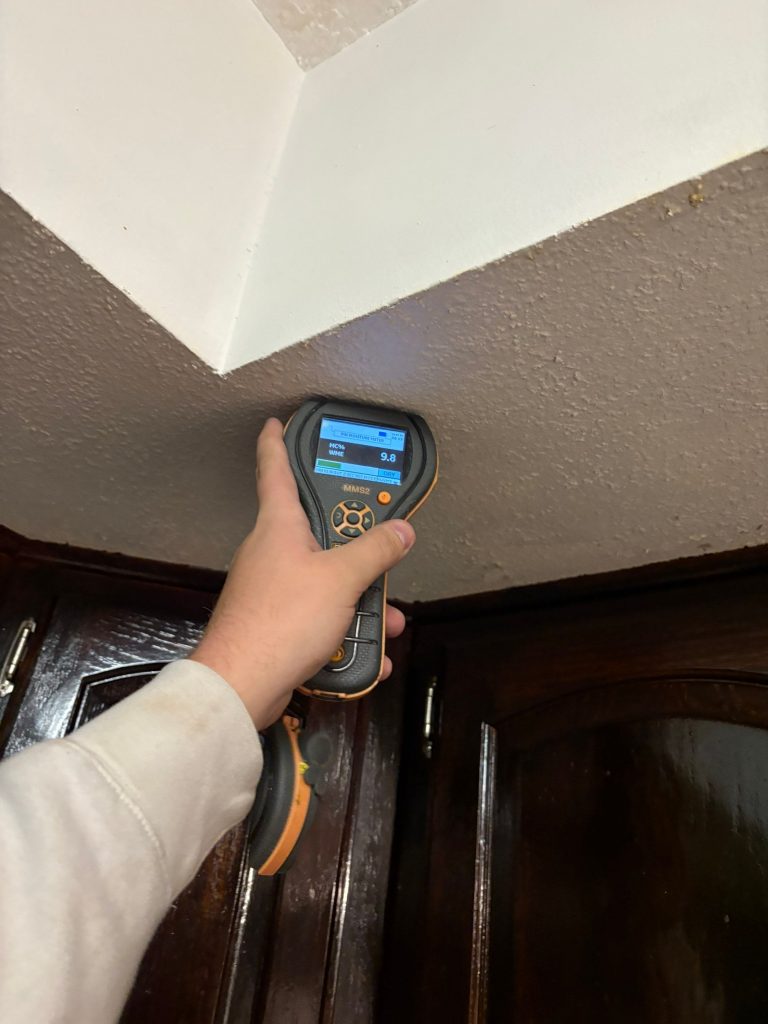
Structural investigation identifies hidden damage. Water from burst pipes often travels inside walls and under floors before becoming visible. Thermal imaging cameras detect temperature differences indicating wet areas. Moisture meters measure water content in building materials. This investigation may reveal damage more extensive than initially apparent, requiring additional mitigation.
Plumbing system evaluation prevents repeat incidents. Professional restoration companies often coordinate with plumbers to inspect the entire plumbing system after a burst pipe incident. Additional weak points may exist that could fail in the next cold snap. Recommendations might include pipe insulation, heat tape installation, or strategic plumbing upgrades to prevent future problems.
Content protection saves possessions. Frozen pipe bursts in basements often damage stored belongings. In living areas, furniture, electronics, and personal items face water damage. Restoration technicians inventory damaged items, provide pack-out services for salvageable possessions, and coordinate content cleaning and restoration.
Insurance claims require specific documentation. Burst pipe claims often involve questions about when the damage occurred, whether preventive measures were in place, and whether the property was properly maintained. Professional restoration companies document everything thoroughly, providing insurers with the information needed for claim approval while protecting your interests.
PuroClean Disaster Restoration of West Fort Wayne responds to frozen pipe emergencies throughout the winter months. Their technicians understand the unique challenges these incidents create and have the equipment and expertise to mitigate damage effectively, even in challenging cold-weather conditions.
What’s the Most Common Mistake Property Owners Make After Discovering Damage?
One mistake appears repeatedly across water damage, fire damage, and mold situations: delay.
Property owners delay calling professionals for various reasons. Some think the situation isn’t serious enough to warrant professional help. Others worry about costs and hope DIY efforts will suffice. Some assume damage will stop spreading on its own. Others feel overwhelmed and need time to process what’s happened before taking action.
Every reason is understandable, but every delay increases damage severity and restoration costs. Water spreads continuously until professional extraction and drying begin. Mold begins growing within 24 to 48 hours in damp conditions. Smoke and soot residue continues acidic reactions damaging surfaces permanently. The longer restoration is delayed, the more damage occurs and the more extensive repairs become necessary.
The cost concern ironically creates higher costs. Property owners avoiding professional services to save money end up with much higher expenses when delayed response allows damage to multiply. Initial restoration might have cost $3,000 if addressed immediately but costs $15,000 after a week’s delay allowed mold growth and structural damage. Insurance typically covers appropriate restoration costs, but may question coverage when delays clearly worsened damage.
DIY attempts often worsen damage. Using standard vacuums on water creates electrocution risks and doesn’t effectively remove water. Applying bleach to mold spreads spores without killing underlying growth. Attempting to clean smoke damage with household cleaners sets stains permanently. Well-intentioned DIY efforts frequently create additional problems that professional restoration must correct, adding to final costs.
The emotional paralysis during crisis is understandable but harmful. Discovering significant property damage creates shock, fear, and feeling overwhelmed. These emotions can freeze decision-making when immediate action is most needed. Having a plan before disaster strikes helps: know which restoration company to call, keep their number accessible, and commit to calling immediately upon discovering damage regardless of the time or day.
Professional restoration companies remove decision-making burdens. You don’t need to figure out what to do or how to do it. You make one call, and professionals guide you through everything else. They assess damage, explain what’s needed, handle insurance coordination, provide emergency services, and manage the entire restoration process. Your job is simply to make that initial call.
The second most common mistake: not documenting damage thoroughly before cleanup begins. Take extensive photos and videos showing damage from multiple angles before touching anything. This documentation protects your insurance claim and provides baseline information for restoration professionals. Spend 15 to 30 minutes documenting even though you’re anxious to begin cleanup.
Make the call immediately. Document everything. Then let professionals handle the rest. These three steps prevent the most common and costly mistakes property owners make during disasters.
The Midnight Furnace Fire
The Anderson family’s furnace malfunctioned at 1:30 AM on a January night when temperatures dropped to minus five degrees. A mechanical failure caused flames to extend beyond the combustion chamber into the furnace room of their West Fort Wayne basement. The family’s smoke detectors woke them, and they evacuated safely while calling 911.
The fire department extinguished the flames within minutes. The actual fire damage was relatively contained: the furnace itself, some surrounding framing, and nearby storage. The fire chief declared the structure safe and suggested they contact their insurance company in the morning and arrange furnace replacement.
What the fire department couldn’t see: smoke had traveled through the HVAC system to every room in the house. Soot covered surfaces throughout the home. The acrid smell permeated furniture, clothing, and porous materials. Toxic residue from burning furnace components and insulation created health hazards not visible to untrained eyes.
Tom Anderson called his insurance company at 8 AM when they opened. The adjuster scheduled a visit for three days later, saying this was their earliest availability. Tom asked about restoration companies, and the adjuster said to wait for the assessment before arranging anything. The family stayed with relatives during this time because the smoke smell was unbearable and they worried about health effects.
The adjuster confirmed the furnace damage and approved replacement. He mentioned that smoke damage “might” need attention but suggested starting with the furnace and seeing whether the smell dissipated once the burned furnace was removed. Tom hired an HVAC company that installed a new furnace within a week.
The smell didn’t improve. Three weeks after the fire, the house still reeked of smoke. Tom finally called a restoration company. The assessment revealed smoke residue on every surface in the home. The HVAC system needed complete cleaning because smoke particles lined all ductwork. Fabric furniture required professional cleaning. Some porous materials like mattresses needed replacement because smoke had penetrated too deeply for cleaning. The restoration took five weeks and cost $28,000.
Compare this to their neighbor’s experience. The Chens experienced an identical furnace fire two years earlier. They called PuroClean Disaster Restoration of West Fort Wayne from the scene at 2 AM. Technicians arrived by 3:30 AM. They assessed fire and smoke damage throughout the property, coordinated with the fire department, and began emergency mitigation immediately.
PuroClean technicians sealed the HVAC system to prevent further smoke distribution, set up air scrubbers to filter smoke particles from the air, and began surface cleaning of soot and residue. They contacted the Chen family’s insurance company at 8 AM when offices opened, providing a complete damage assessment and restoration plan. They coordinated furnace replacement with an HVAC contractor while managing smoke damage restoration.
The Chens’ restoration completed in 18 days and cost $11,000. More importantly, smoke damage was addressed immediately, before residue set permanently into surfaces. Their furniture, clothing, and personal items required cleaning but weren’t ruined. They returned to their home three weeks after the fire with everything restored to pre-loss condition.
The difference: immediate professional response versus delayed DIY approaches and waiting for insurance direction. The Andersons’ delay cost them $17,000 more, twice the displacement time, and permanent loss of possessions that couldn’t be saved after smoke damage set for weeks. “I wish I’d known to call restoration services immediately,” Tom reflects. “I thought you dealt with the fire, then the insurance, then figured out cleaning. By the time we got to restoration, the damage was permanent. Our neighbors were smart to call immediately, even at 2 AM.”
How Do Restoration Companies Coordinate With Insurance Companies?
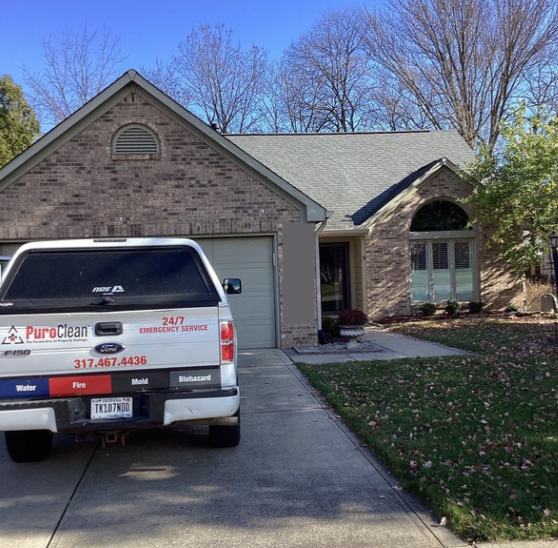
Insurance claims create confusion and stress during an already difficult time. Professional restoration companies serve as valuable partners in this process.
Initial claim notification happens quickly. Restoration companies contact your insurance company within 24 hours of beginning work, often the same day. They provide initial damage reports explaining what occurred, which areas are affected, and what emergency mitigation has begun. This immediate notification starts the claims process while protecting your property.
Documentation standards meet insurance requirements. Insurance companies need specific information: date and time of damage, cause of damage, affected areas, and scope of restoration work. Restoration companies photograph everything systematically, create detailed written reports, and track all materials and labor. This documentation satisfies insurance requirements without burdening you with paperwork during crisis.
Estimating software speaks insurance language. Professional restoration companies use specialized estimating software like Xactimate, which is the same software most insurance adjusters use. Estimates include standardized line items, industry-standard pricing, and formats insurance companies recognize. This consistency streamlines the approval process because adjusters immediately understand the scope and cost of proposed work.
Direct adjuster communication prevents miscommunication. Restoration companies assign project managers who become your primary contacts. These managers communicate directly with insurance adjusters, answering questions, providing additional documentation, and explaining restoration decisions. This direct communication is more effective than property owners attempting to relay technical information between parties.
Scope disputes receive professional advocacy. Insurance adjusters sometimes question whether certain work is necessary or whether damage relates to the covered event. Restoration companies advocate for complete and proper restoration using technical expertise and industry standards. They explain why certain steps are necessary and provide supporting documentation. This advocacy protects you from inadequate restoration that creates problems later.
Supplemental claims handle discovered damage. Hidden damage discovered during restoration requires supplemental claims. Restoration companies prepare detailed supplemental estimates showing newly discovered damage and why it requires additional work. They photograph everything and explain the connection to the original covered event. Most supplements receive approval when properly documented and justified.
Payment coordination simplifies finances. Many restoration companies offer direct billing to insurance companies. Instead of paying the full restoration cost upfront and waiting for insurance reimbursement, you pay only your deductible. The restoration company bills your insurance company directly and handles payment collection. This arrangement removes significant financial barriers during an already expensive crisis.
Timeline management keeps everyone informed. Insurance companies want to know how long restoration will take. Restoration companies provide realistic timelines and regular progress updates. They notify adjusters of delays or timeline changes. This communication helps insurance companies manage their files and process claims efficiently.
Claim denial assistance provides next steps. If insurance companies deny claims or dispute coverage, restoration companies can provide technical information supporting your appeal. They may connect you with public adjusters or attorneys who specialize in insurance disputes. While they can’t provide legal advice, they can explain the technical aspects of damage and restoration that relate to coverage questions.
PuroClean Disaster Restoration of West Fort Wayne has established relationships with all major insurance companies serving the Fort Wayne area. Their project managers understand insurance processes, communicate effectively with adjusters, and advocate for complete restoration while simplifying the claims experience for property owners.
When Should I Hire a Public Adjuster?
Public adjusters represent property owners in insurance claims, and their involvement can be valuable in specific situations.
Large or complex claims benefit from public adjuster expertise. If your restoration costs exceed $50,000, involves extensive structural damage, or includes high-value contents losses, a public adjuster may negotiate better settlement outcomes. They charge fees based on settlement amounts, typically 5 to 15 percent, but may increase your settlement enough to justify these fees.
Claim denials or disputes warrant public adjuster consideration. If your insurance company denies your claim or offers a settlement significantly lower than restoration costs, a public adjuster can review the claim, identify coverage arguments you might have missed, and negotiate more effectively than most property owners can independently.
Time constraints make public adjusters valuable. If you’re overwhelmed managing your life during crisis and can’t effectively handle insurance negotiations, a public adjuster takes this burden off your shoulders. They manage all insurance communication, documentation, and negotiations while you focus on your family and getting back to normal.
Experience gaps favor public adjuster involvement. If you’ve never filed a significant insurance claim and don’t understand policy language or claims processes, a public adjuster’s expertise protects you from making costly mistakes. They know what information insurance companies need, how to document damage effectively, and which policy provisions apply to your situation.
Most typical restoration claims don’t require public adjusters. If your restoration company has strong insurance expertise, communicates well with adjusters, and advocates effectively for proper restoration, public adjuster involvement may be unnecessary. The restoration company’s project manager essentially provides many public adjuster services without charging additional fees.
Timing matters if you’re considering a public adjuster. Engage them early in the claims process, ideally before accepting any settlement offers. Once you sign settlement agreements, renegotiation becomes very difficult. Public adjusters can’t easily improve settlements after you’ve already agreed to terms.
Ask your restoration company for their assessment. Restoration companies work with public adjusters regularly and can provide honest opinions about whether your situation warrants public adjuster involvement. They may suggest public adjusters for complex claims while reassuring you that they can effectively manage simpler claims themselves.
PuroClean Disaster Restoration of West Fort Wayne maintains relationships with reputable public adjusters and can provide referrals when situations warrant additional advocacy. They’re honest about when public adjuster involvement benefits property owners versus when their own insurance expertise suffices for claim management.
What Safety Concerns Should I Know About During Restoration?
Restoration work creates safety hazards that property owners and families must understand.
Electrical hazards persist throughout water damage restoration. Water and electricity create lethal combinations. Professional restoration technicians shut off power to affected areas before working. Never enter standing water without confirming power is off at the breaker panel. Don’t use electrical outlets or appliances in areas affected by water damage until electricians confirm safety.
Structural instability follows fires and extensive water damage. Fires weaken structural elements that may look intact but have lost load-bearing capacity. Prolonged water exposure similarly compromises structures. Professional restoration companies assess structural integrity before allowing occupancy or beginning work. Never enter fire or water-damaged buildings without professional structural evaluation.
Mold exposure creates health risks, particularly for people with asthma, allergies, or compromised immune systems. Active mold remediation releases spores into the air, requiring containment systems and respiratory protection for workers. Property owners should vacate during active remediation and return only after air quality testing confirms safe conditions.
Contaminated water requires extreme caution. Category 3 water damage, which includes sewage backups and flood water, contains bacteria, viruses, parasites, and chemicals creating serious health hazards. Professional restoration requires hazmat protocols including protective equipment, antimicrobial treatments, and material disposal following biohazard procedures. Never attempt DIY cleanup of contaminated water.
Air quality degrades after fires and during restoration. Smoke particles remain airborne long after fires are extinguished. Restoration work releases dust and particles into the air. Sensitive individuals should stay away during active restoration. Restoration companies use air scrubbers with HEPA filtration to improve air quality, but some contaminants may remain until restoration completes.
Chemical exposure happens during cleaning and treatment processes. Restoration uses specialized antimicrobial treatments, odor control chemicals, and cleaning agents. These products are safe when applied properly by trained technicians wearing appropriate protection. Property owners should vacate during chemical application and follow technician guidance about when return is safe.
Sharp debris and damaged materials create injury risks. Broken glass, protruding nails, jagged metal edges, and unstable materials pose cutting and puncture hazards. Professional technicians wear protective equipment including heavy gloves, safety glasses, and puncture-resistant boots. Property owners should avoid damaged areas until professionals confirm safe passage.
Trip hazards increase during restoration. Equipment cords, plastic sheeting, removed materials, and drying equipment create numerous trip hazards throughout affected properties. Good lighting, clear pathways, and awareness prevent injuries. Families with young children or elderly members face elevated risks.
Carbon monoxide risks appear with heating equipment during cold weather restoration. Portable heaters and generators create carbon monoxide poisoning risks if used improperly. Professional restoration companies use equipment designed for indoor use and monitor carbon monoxide levels. Never use outdoor-only generators indoors or run vehicles or gas-powered equipment in enclosed spaces.
PuroClean Disaster Restoration of West Fort Wayne prioritizes safety throughout every restoration project. Their technicians maintain all safety certifications, use proper protective equipment, and create safe work environments. They communicate safety protocols to property owners and ensure families understand when spaces are safe for occupancy versus when evacuation is necessary.
Frequently Asked Questions
How quickly will mold start growing after water damage?
Mold spores require moisture to activate and grow. In ideal conditions with adequate moisture, warmth, and organic materials, mold can begin growing within 24 to 48 hours. Visible mold growth usually appears within 72 hours to a week after water damage. This is why professional restoration companies work quickly to dry properties within 24 to 48 hours, preventing conditions favorable to mold growth.
Can I stay in my home if only one room is affected?
Often yes, if damage is truly confined to a single room and doesn’t create safety hazards. Technicians can contain drying equipment to affected areas, and the rest of your home remains habitable. However, extensive smoke damage often affects entire properties even when fire was localized. Contaminated water damage may require evacuation due to health hazards. Your restoration company will advise you based on your specific situation.
What should I do about my HVAC system after fire or water damage?
Shut off your HVAC system immediately after fire damage to prevent smoke distribution throughout your property. Water damage affecting the HVAC area also warrants shutting systems off until professional evaluation. Professional restoration includes HVAC evaluation and cleaning when necessary. Smoke particles and water damage can affect ductwork, requiring professional cleaning before resuming use.
Does restoration include rebuilding and repairs?
Many restoration companies, including PuroClean, provide complete restoration from emergency mitigation through final reconstruction. This full-service approach ensures continuity and accountability. Some companies only provide emergency water extraction and drying, requiring you to hire separate contractors for repairs. Clarify service scope when first contacting restoration companies.
What if I can’t afford my insurance deductible?
Discuss this concern with your restoration company. Some companies offer payment plans for deductibles. Emergency mitigation work usually requires payment of your deductible, but reconstruction costs might allow payment arrangements. Don’t let deductible concerns prevent you from calling for emergency services because delayed response increases damage and creates higher total costs.
How do I choose between restoration companies when I need help immediately?
Focus on response time, certification, and insurance expertise. Ask how quickly they can arrive, verify IICRC certification, and confirm they work directly with insurance companies. Check online reviews quickly on your phone while waiting for callbacks. Trust matters during crisis, so choose companies with strong local reputations and clear communication. PuroClean Disaster Restoration of West Fort Wayne meets all these criteria and provides the immediate response you need.
Will restoration remove all smoke odor after a fire?
Professional fire restoration using hydroxyl generators, ozone treatment, and thermal fogging eliminates smoke odors at the molecular level rather than masking them. However, success depends on thoroughness. All affected materials must receive treatment, and severely damaged porous materials like mattresses or upholstered furniture may require replacement because smoke penetrates too deeply for complete odor removal. Professional restoration addresses odors comprehensively rather than leaving lingering smells.
What happens if restoration discovers asbestos or lead?
Older properties may contain asbestos in insulation, floor tiles, or ceiling materials, and lead in paint. If restoration work requires disturbing these materials, specialized abatement follows specific regulations. Restoration companies coordinate with certified asbestos and lead abatement contractors. This adds time and cost to restoration but ensures legal compliance and safety. Insurance coverage for abatement varies by policy, so review your specific coverage.
Can I handle small water leaks myself without calling professionals?
Very small, quickly contained water from sources like an overflowing sink that you immediately mop up typically doesn’t require professional services. However, if water soaked into flooring, wicked up walls, or sat for more than an hour, professional assessment prevents hidden damage and mold growth. When uncertain, a free professional assessment provides peace of mind and costs nothing.
Conclusion
Disasters strike without warning and demand immediate professional response to prevent damage from escalating into catastrophic losses. The hours immediately following damage discovery determine whether you face manageable restoration or extensive reconstruction. Professional equipment, certified expertise, and comprehensive service transform overwhelming crises into managed recovery processes.
Every delay increases damage severity and final restoration costs. Water continues spreading, mold begins growing, smoke residue sets permanently into surfaces, and structural materials deteriorate. DIY attempts often worsen damage rather than improving situations. Insurance complications multiply when proper documentation and professional advocacy are absent.
PuroClean Disaster Restoration of West Fort Wayne provides the rapid response, technical expertise, and complete service West Fort Wayne property owners need during their most vulnerable moments. Their IICRC-certified technicians understand local property challenges, their equipment inventory enables immediate mitigation, and their insurance expertise simplifies claims processes. They operate 24 hours a day, 365 days a year, ensuring help is always available when disaster strikes.
Don’t wait when disaster threatens your property. Don’t attempt DIY solutions that often create additional problems. Don’t let fear of costs or insurance questions delay the professional response your property needs. Make one phone call, and let professionals handle everything else.
Call PuroClean Disaster Restoration of West Fort Wayne at (260) 263-9788 immediately when you discover damage to your property. Their team will answer your questions, provide expert guidance on immediate protective actions, and dispatch certified technicians to begin your restoration right away. Whether water is flooding your basement at 3 AM, fire has damaged your kitchen on a holiday weekend, or you’ve discovered extensive mold growth, PuroClean provides the immediate professional response that protects your property, your possessions, and your peace of mind during crisis.
Your West Fort Wayne property represents significant investment and holds irreplaceable memories. When disaster threatens what you’ve built, trust the restoration professionals who combine rapid response, technical excellence, and genuine care for every property they restore. Call (260) 263-9788 now for immediate assistance.

