


Executive Summary
Hoarding disorder impacts thousands of Fort Wayne families, creating emotional turmoil that extends far beyond cluttered rooms. The cleanup process triggers intense psychological responses in both individuals who hoard and their loved ones. Professional support services play a crucial role in navigating these emotional complexities while addressing safety concerns and restoring livable homes. This article explores the psychological landscape of hoarding cleanup, real family experiences in Fort Wayne, and how specialized services provide the comprehensive support families need for healing and recovery.

What Emotional Responses Do People Experience During Hoarding Cleanup?
Hoarding cleanup unleashes a torrent of emotions that many families are unprepared to handle. The person who hoards typically experiences severe anxiety as possessions are removed or even discussed for removal. Each item carries perceived value or emotional significance, making disposal feel like losing part of themselves.
Grief is another profound emotion during cleanup. Individuals often mourn not just the loss of possessions but also the loss of their previous lifestyle and sense of control. This grief is genuine and deserves acknowledgment, even when others view the discarded items as worthless.
Fear permeates the process. The person who hoards fears making wrong decisions, being judged, or losing something irreplaceable. They may fear the emptiness that will remain after cleanup or worry about their ability to maintain changes.
Family members experience their own emotional rollercoaster. Relief at finally addressing the problem mixes with guilt about forcing the issue. Frustration with resistance or slow progress battles against compassion for their loved one’s distress. Anger about years of denial might surface alongside sadness about the situation.
How Does Shame Drive Hoarding Behaviors and Complicate Recovery?
Shame sits at the heart of many hoarding situations, both as a contributing factor and a consequence. Individuals may begin accumulating possessions as a response to earlier shame experiences or traumas. The possessions provide comfort and buffer against judgment from the outside world.
As hoarding progresses, shame intensifies. The person becomes increasingly aware that their living situation is “abnormal” by societal standards. They isolate themselves to avoid others witnessing their home’s condition. This isolation worsens mental health, creating a vicious cycle where shame feeds hoarding which generates more shame.
Shame complicates cleanup because it makes people defensive and resistant to help. Admitting the need for assistance requires vulnerability that shame makes nearly impossible. The person may minimize the problem, blame others, or angrily reject intervention attempts as ways of protecting themselves from the overwhelming feeling of being exposed and judged.
Professional services understand these shame dynamics. They approach situations with explicit non-judgment, treating individuals with dignity regardless of home conditions. This respectful stance often helps people lower their defensive walls enough to accept necessary help.
A Real Story from Fort Wayne: The Thompson Family’s Transformation
Jennifer Thompson grew up in what she later learned was called a hoarded home. As a child, she thought everyone lived surrounded by stacks of newspapers, boxes of craft supplies, and pathways between possessions. Her mother, Linda, was loving and present in most ways, but the house was off-limits to visitors.
As an adult, Jennifer worried increasingly about her aging mother living alone in unsafe conditions. A fall that resulted in Linda lying on the floor for six hours before a neighbor heard her cries became the catalyst for change.
Linda’s first reaction was anger. She accused Jennifer of betrayal for involving “strangers” and insisted there was nothing wrong with her home. The hospital social worker recommended PuroClean Disaster Restoration of West Fort Wayne, but Linda initially refused to allow anyone inside.
Jennifer felt caught between her mother’s wishes and genuine safety concerns. The professional team suggested starting with just an assessment, no cleaning. Linda reluctantly agreed, perhaps believing she could control the situation if she participated.
The assessor, Maria, spent two hours simply talking with Linda. She asked about specific items, their stories, and their importance. She never once criticized or suggested disposal. She did point out safety hazards like blocked exits and fire risks, framing observations around protecting Linda and her belongings rather than judgment.
By the end of the conversation, Linda agreed to let the team address “just the safety issues.” That initial agreement opened the door for gradual progress. The process took four months, far longer than the physical work required, because the team moved at Linda’s emotional pace.
There were setbacks. Some days Linda couldn’t part with anything. Other days she’d become angry and ask everyone to leave. The team remained patient and consistent, returning when Linda was ready. They celebrated every small victory, whether clearing a pathway or finally disposing of mold-damaged items.
The transformation wasn’t just physical. As the home became safer and more functional, Linda’s mood improved noticeably. She started attending a support group for people with hoarding disorder and began therapy. She even invited Jennifer’s children to visit, something that hadn’t happened in over a decade.
Jennifer credits the professional team’s patience and psychological insight with making the difference. “They never made Mom feel like a terrible person. They treated her struggles as real and valid while still helping her see why change was necessary. I couldn’t have done that. I was too frustrated and scared.”
Why Do Family Relationships Suffer in Hoarding Situations?
Hoarding creates relational distance even among close family members. The person who hoards often stops inviting people over, creating physical separation. Emotional distance follows as family members struggle to understand the behavior or feel rejected by chosen isolation.
Trust erodes when promises to “clean up” go unfulfilled repeatedly. Family members may feel lied to or manipulated, not understanding that hoarding disorder makes follow-through genuinely difficult despite sincere intentions. The person who hoards may feel nagged and judged, creating defensiveness that further damages connection.
Disagreements about how to handle the situation create rifts between family members. One sibling might advocate for forced cleanup while another urges patience. Spouses may differ on whether to continue living in hoarded conditions or issue ultimatums. These conflicts add stress to already strained family systems.
Children raised in hoarded homes carry specific emotional burdens. They may feel embarrassed about their living situation, leading to social isolation. They might become parentified, taking on adult responsibilities including trying to manage the hoarding. These experiences can create lasting impacts on attachment patterns and mental health.
What Psychological Conditions Often Accompany Hoarding Disorder?
Hoarding disorder rarely exists in isolation. Research indicates high comorbidity with several other mental health conditions. Depression is extremely common, with many individuals reporting that hoarding worsened during or after depressive episodes. The hopelessness of depression makes the prospect of tackling accumulated possessions feel impossible.
Anxiety disorders frequently co-occur with hoarding, particularly social anxiety. The fear of judgment reinforces isolation, while generalized anxiety may manifest in catastrophic thinking about needing items “just in case” of various imagined scenarios.
Attention Deficit Hyperactivity Disorder (ADHD) appears more frequently in people who hoard. The executive function challenges of ADHD make organization, decision-making, and task completion difficult, contributing to accumulation and difficulty with cleanup.
Trauma-related disorders including Post-Traumatic Stress Disorder (PTSD) also correlate with hoarding behaviors. People who experienced loss, abandonment, or material deprivation may hoard as a response to trauma, seeking security through possessions.
Understanding these comorbid conditions is essential for effective treatment. Addressing only the clutter without treating underlying mental health conditions typically results in reaccumulation and relapse.
How Do Professional Services Provide Psychological Support?
Specialized hoarding cleanup services recognize that their work is as much psychological as physical. Team members receive training in trauma-informed care, learning to recognize signs of distress and respond with appropriate support rather than pushing through resistance.
Communication techniques matter tremendously. Professionals use collaborative language, asking “What would you like to do with this?” rather than telling someone what will happen. They offer choices whenever possible, preserving the person’s sense of agency and control.
Pacing is individualized based on emotional tolerance rather than arbitrary timelines. If someone becomes overwhelmed, work pauses for breaks or postpones to another day. This responsive approach prevents retraumatization and builds trust.
Many professional services maintain partnerships with mental health providers. They coordinate care so that individuals receive therapy alongside cleanup, addressing psychological needs in tandem with physical restoration. Some companies employ social workers or therapists as part of their teams.
The presence of professional services also reduces family conflict. By taking on the “authority” role about what must change for safety, professionals allow family members to remain supportive rather than adversarial. This preservation of family relationships contributes significantly to long-term recovery success.
What Physical Dangers Make Professional Intervention Necessary?
Beyond emotional complexity, hoarding situations often present genuine physical hazards that require professional expertise. Structural damage including weakened floors from excessive weight load is common in severe cases. Untrained individuals may not recognize warning signs until collapse occurs.
Fire hazards abound in hoarded homes. Blocked exits trap people during emergencies. Possessions stored near heat sources or covering outlets create ignition risks. The excessive fuel load from accumulated items makes fires spread faster and burn hotter than in typical homes. Fort Wayne fire departments have documented these increased risks in local hoarding situations.
Pest infestations including rodents, cockroaches, and bedbugs are common in hoarded environments. These pests carry diseases and create unsanitary conditions. Professional remediation requires specialized knowledge about elimination and prevention.
Biohazards including human or animal waste, spoiled food, and bodily fluids require proper protective equipment and disposal procedures. Exposure to these materials can cause serious illness. Professional teams follow OSHA guidelines and bloodborne pathogen standards for safety.
Mold growth, already discussed in the Columbus article, also affects Fort Wayne homes, particularly given the area’s humidity and older housing stock. Professional assessment identifies hidden contamination and ensures proper remediation.
How Does the Fort Wayne Community Support Hoarding Recovery?
Fort Wayne offers several resources for individuals and families dealing with hoarding disorder. Local mental health centers provide therapy with providers trained in evidence-based treatments for hoarding. Parkview Behavioral Health and Lutheran Health Network both offer relevant services.
Support groups meet regularly in the Fort Wayne area. These groups, often facilitated by the Anxiety and Depression Association of America (ADAA) local chapter or Hoarding Disorders of America, provide peer support and practical strategies for recovery.
Area Council on Aging serves elderly individuals in hoarded situations, coordinating services including cleanup assistance, mental health support, and case management. They understand the intersection of aging-related challenges and hoarding behaviors.
Local social service agencies including Aging and In-Home Services of Northeast Indiana can connect families with resources. They provide advocacy and help navigate complex systems when multiple interventions are needed.
Professional cleanup services like PuroClean Disaster Restoration of West Fort Wayne understand these local resources and often coordinate with them to provide comprehensive support. This community-integrated approach addresses multiple needs simultaneously.
Does Long-Term Recovery Require Beyond Initial Cleanup?
Physical cleanup represents only the first step in hoarding recovery. Without ongoing support, reaccumulation rates are high, with some studies suggesting that up to 70% of individuals return to hoarding behaviors without sustained intervention.
Therapy is perhaps the most critical ongoing component. Cognitive Behavioral Therapy (CBT) specifically adapted for hoarding disorder addresses the thought patterns and beliefs that drive acquiring and saving behaviors. Therapists help individuals challenge catastrophic thinking about discarding items and develop healthier decision-making skills.
Regular maintenance sessions with professional organizers who understand hoarding disorder help prevent reaccumulation. These might occur weekly or monthly depending on individual needs. The organizer provides accountability, assists with difficult decisions, and reinforces skills learned in therapy.
Medication management can be beneficial when hoarding co-occurs with depression, anxiety, or OCD. Psychiatrists work with individuals to find appropriate medications that address underlying conditions contributing to hoarding behaviors.
Social connection and community involvement reduce the isolation that often accompanies hoarding. Whether through support groups, volunteer activities, or renewed family relationships, human connection provides motivation and purpose beyond possessions.
How Can Family Members Protect Their Own Mental Health?
Supporting a loved one with hoarding disorder takes a significant emotional toll. Family members need their own support systems to maintain wellbeing while remaining present for their loved one. Therapy for family members provides a space to process complicated feelings including grief, anger, frustration, and guilt.
Support groups specifically for family members of people who hoard offer validation and practical advice from others in similar situations. These groups help family members recognize they’re not alone and provide strategies that have worked for others.
Setting and maintaining boundaries is essential for family member wellbeing. This might mean limiting time spent in the hoarded environment, refusing to store possessions at your home, or establishing consequences if safety conditions aren’t met. Boundaries aren’t punishment but rather self-protection.
Self-care activities including exercise, hobbies, social connections with others, and stress management techniques help family members maintain their own mental health. You cannot pour from an empty cup, as the saying goes. Taking care of yourself enables you to support others more effectively.
Accepting what you cannot control brings peace. Family members cannot force recovery or make someone change who isn’t ready. You can offer support, establish boundaries, and maintain hope while recognizing that ultimately each person controls their own choices.
What Role Does Stigma Play in Delaying Help-Seeking?
Media portrayals of hoarding often sensationalize conditions, presenting extreme cases for entertainment value. These depictions increase stigma and shame, making people less likely to seek help. Individuals fear being seen as “those people” from reality television shows.
Societal messages about cleanliness and organization as moral virtues create additional judgment. People who hoard internalize messages that they’re lazy, dirty, or failures. This internalized stigma becomes a barrier to accepting they have a treatable mental health condition.
Healthcare providers sometimes lack training in hoarding disorder, leading to dismissive or judgmental responses that discourage people from seeking help. When someone finally reaches out and encounters lack of understanding, they may retreat further into isolation.
Reducing stigma requires education about hoarding as a mental health condition rather than a character flaw. Public health campaigns, media literacy, and professional training all contribute to creating environments where people feel safe seeking help.
Family members can combat stigma by using person-first language (“my father who has hoarding disorder” rather than “my hoarder dad”) and educating others about the condition. Every conversation that increases understanding reduces barriers to treatment.
Hoarding Disorder Cleanup Help: How Do Professionals Handle Sentimental Items During Cleanup?
Sentimental possessions present unique challenges during hoarding cleanup. These items carry emotional weight that makes disposal feel like betrayal of memories or relationships. Professional services employ specific strategies for handling sentimental items with appropriate care.
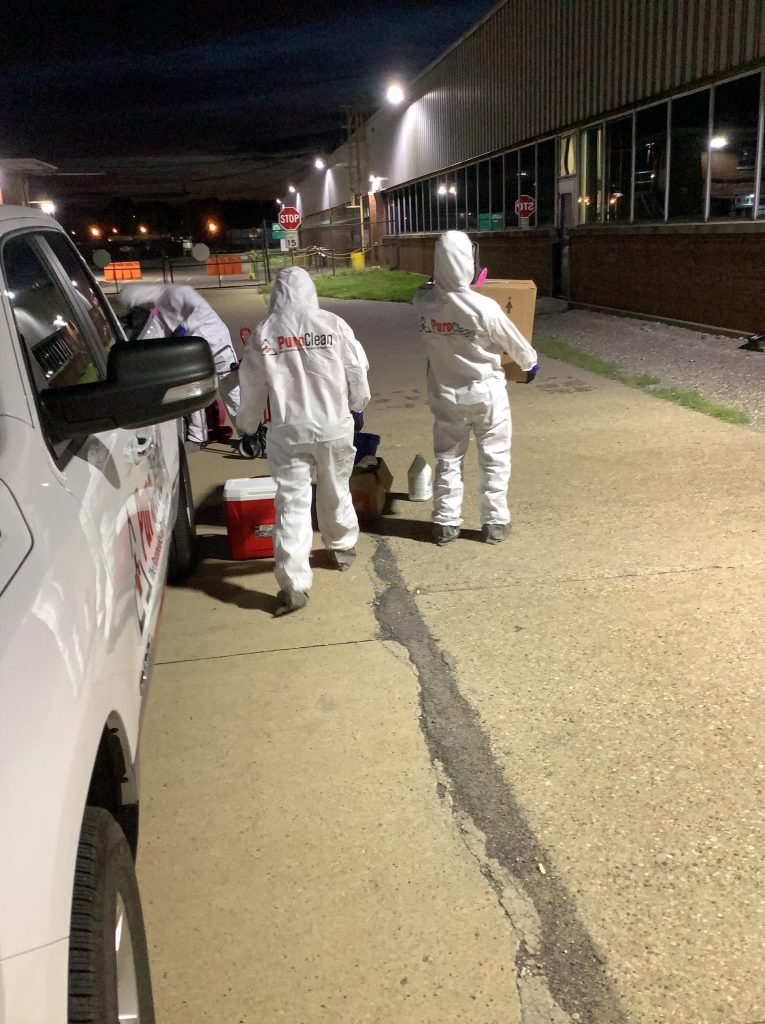
First, they help individuals identify genuinely meaningful items versus items kept from guilt or obligation. Not every inherited object or gift carries true sentimental value, but people who hoard often struggle to make these distinctions. Guided questioning helps clarify what truly matters.
For legitimately meaningful items, professionals might suggest photographing them before disposal if keeping the physical object isn’t feasible. The photograph preserves the memory while reducing physical clutter. Digital albums can hold thousands of memory triggers in the space of a single book.
Creating memory boxes with carefully curated special items provides a middle ground. Rather than keeping everything from a deceased parent, for example, someone might keep one box of the most meaningful items. This bounded approach honors memories while establishing limits.
Professionals also help people recognize that memories exist within them, not within objects. The love someone felt from a grandparent isn’t diminished by donating the grandparent’s belongings. This cognitive reframing reduces the felt necessity of keeping every item.
Finally, finding appropriate new homes for items can ease the emotional pain of parting. Knowing a grandchild will use a cherished tool or a charity will benefit from donated items makes letting go feel less like loss and more like generosity.
What Prevention Strategies Help Families Avoid Future Hoarding Situations?
Prevention begins with awareness of risk factors. Family history of hoarding, trauma experiences, significant losses, and certain mental health conditions all increase vulnerability. Recognizing these risk factors allows for earlier intervention if accumulation begins.
Teaching healthy relationship with possessions from childhood helps. This includes skills like regular decluttering, thoughtful purchasing decisions, and finding identity and comfort in experiences and relationships rather than things. Parents modeling these behaviors powerfully influences children.
Addressing mental health conditions promptly reduces the likelihood of hoarding developing as a coping mechanism. Depression, anxiety, trauma, and ADHD all warrant treatment not just for themselves but also to prevent secondary complications including hoarding.
Life transitions including death of loved ones, divorce, job loss, or major moves are high-risk periods for hoarding development or worsening. Extra support during these times helps people cope through healthy means rather than acquiring possessions for comfort.
Regular check-ins with vulnerable family members allow early detection. If you notice possessions accumulating or living spaces becoming less functional, gentle conversation and offers of support may prevent minor issues from becoming major crises.
Why Is Specialized Training Important for Hoarding Cleanup Teams?
General cleaning services lack the specific knowledge required for hoarding situations. Specialized training covers mental health aspects of hoarding disorder, including how to communicate respectfully, recognize distress signals, and adjust pace appropriately.
Teams learn about common comorbid conditions and how they impact the cleanup process. Someone with ADHD needs different support than someone primarily dealing with trauma or depression. Recognizing these nuances allows for individualized approaches.
Safety training is equally important. Hoarding environments present hazards including structural risks, biohazards, pest infestations, and more. Specialized teams know how to identify these dangers, protect themselves and others, and remediate problems according to industry standards.
Legal and ethical training helps teams navigate complex situations. They understand mandatory reporting requirements if they encounter abuse or neglect, privacy considerations, and how to work within legal frameworks when Adult Protective Services or courts are involved.
Companies investing in specialized training demonstrate commitment to doing this work properly rather than simply as another service offering. This expertise makes a measurable difference in outcomes for families.
Frequently Asked Questions
How long does hoarding cleanup typically take in Fort Wayne?
Timeline varies dramatically based on home size, severity of hoarding, and the individual’s emotional readiness to proceed. Some projects complete in days when health emergencies require rapid action. Others unfold over months when respecting psychological needs allows for slower pacing. Professional assessment provides realistic timeline estimates for specific situations.
What happens if someone is forced into cleanup against their will?
Forced cleanouts typically result in significant psychological trauma and high reaccumulation rates. The person feels violated and loses trust in family members who orchestrated the forced cleanup. However, in situations involving imminent danger, eviction proceedings, or Adult Protective Services intervention, forced action sometimes becomes necessary. Even then, involving mental health professionals minimizes harm.
Can hoarding disorder be cured completely?
Hoarding disorder is better understood as manageable rather than curable. With appropriate treatment including therapy, many people achieve and maintain significant improvement. They develop skills to manage acquiring urges and make better decisions about possessions. However, vulnerability typically remains, requiring ongoing attention and sometimes periodic professional support.
How much does professional hoarding cleanup cost in Fort Wayne?
Costs depend on multiple factors including home size, severity, specific services needed (like mold remediation or pest control), and disposal requirements. Most companies offer free assessments and detailed estimates. Investment typically ranges from several thousand dollars for moderate situations to tens of thousands for severe cases requiring extensive remediation.
What should I do if my family member refuses all help?
Continue expressing concern from a loving place while respecting their autonomy. You might involve their doctor, therapist, or trusted friend to encourage help acceptance. Establish your own boundaries about what you will or won’t tolerate. In extreme cases involving safety risks, Adult Protective Services can assess the situation and potentially mandate intervention.
Conclusion
The emotional and psychological impacts of hoarding cleanup extend far beyond the physical work of clearing possessions. For Fort Wayne families navigating these challenging situations, understanding the mental health components is as important as addressing safety hazards. Shame, anxiety, grief, and relationship strain all require attention alongside the practical work of restoration.
Professional services provide the comprehensive support that hoarding situations demand. They bring expertise in both the technical aspects of cleanup and the psychological needs of everyone involved. Their presence reduces family conflict, ensures safety, and increases the likelihood of lasting positive change.
Recovery from hoarding is a journey, not a destination. It requires patience, compassion, ongoing support, and recognition that setbacks are part of the process. With appropriate help, individuals and families can heal, rebuild relationships, and create safe, functional living environments.
If your Fort Wayne family is struggling with hoarding, PuroClean Disaster Restoration of West Fort Wayne offers compassionate, expert support for both the emotional and practical aspects of recovery. Call (260) 263-9788 for immediate assistance. Their specialized team understands the complex challenges you’re facing and will partner with you to create a path forward that respects everyone’s dignity while prioritizing safety and healing.

