 PuroClean Disaster Restoration of West Fort Wayne
 Water damage: You hear the drip-drip-drip echoing through your house at 2 AM. Racing to find the source, you discover a burst pipe flooding your utility room. After shutting off the water and spending hours with towels and a wet vacuum, everything looks back to normal. Case closed, right?
Wrong. What you can’t see could be setting the stage for thousands of dollars in damage and serious health risks for your family. Surface water is just the beginning of the story. The real problems start when moisture seeps into hidden spaces where your cleanup efforts can’t reach.
This guide reveals the critical difference between surface cleanup and comprehensive water damage restoration. We’ll explore 10 danger signals that indicate you need professional intervention, not just a DIY cleanup session. These warning signs often appear days or weeks after the initial incident, when homeowners think they’ve successfully handled the situation.
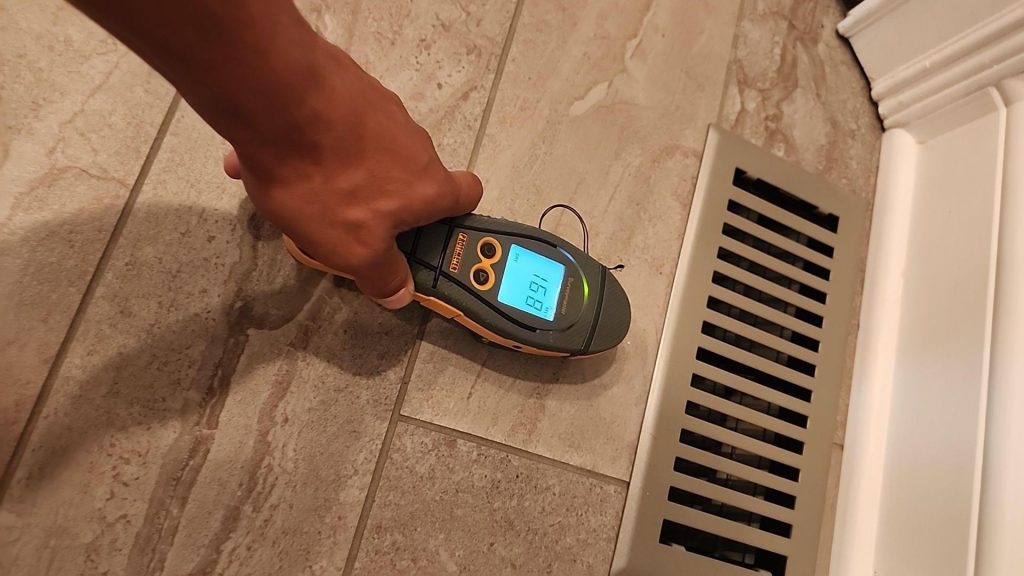
Professional water damage restoration involves sophisticated moisture detection, industrial-grade extraction equipment, and specialized drying techniques that address water in every affected material. Standard household cleanup tools like mops, towels, and shop vacuums only handle visible water, leaving moisture trapped where it continues wreaking havoc on your home’s structure and your family’s health.
Let’s start with a cautionary tale that demonstrates exactly why professional intervention matters when dealing with water damage.
Anna’s $20,000 Lesson: When DIY Goes Wrong
Anna Rodriguez thought she had dodged a bullet. The 45-year-old Fort Wayne resident discovered a failed water heater in her finished basement on a Saturday morning. Water had spread across the recreation room, soaking the carpet and reaching about halfway up the drywall.
Being handy with tools and wanting to save money, Anna rented a carpet cleaner and several fans from the local hardware store. She worked all weekend extracting water from the carpet, wiping down walls, and running fans constantly. By Monday, everything appeared dry and normal.
Anna felt proud of her quick thinking and thorough work. She had saved what she estimated would have been a $3,000 professional cleanup bill. Her basement looked exactly as it had before the water heater failure.
But two months later, Anna’s confidence evaporated. Her husband complained about a strange smell coming from the basement. Their teenage daughter mentioned feeling congested whenever she spent time in the rec room. Anna dismissed these concerns initially, attributing them to seasonal allergies and the usual basement mustiness.
The truth became undeniable when Anna noticed dark patches appearing along the baseboards. A professional inspection revealed extensive mold growth behind the walls and under the carpet padding. Moisture had wicked up into the wall cavities and remained trapped there despite Anna’s surface drying efforts.
The remediation required removing all the carpeting, cutting out the bottom two feet of drywall throughout the room, replacing insulation, treating structural lumber, and completely refinishing the space. The final bill exceeded $20,000, and Anna’s family had to avoid the basement for three weeks during the intensive cleanup process.
Anna’s story perfectly illustrates why water damage extends far beyond what meets the eye. Her thorough DIY cleanup had addressed only about 30% of the actual moisture problem. The remaining 70% continued causing damage in areas she couldn’t see or reach.
Now let’s examine the specific warning signs that indicate water damage requires professional attention.
What Should You Know About Strange Odors After Water Cleanup?
A persistent musty, earthy, or sour smell following your cleanup efforts represents one of the most reliable indicators that moisture remains trapped in hidden areas of your home. These odors develop when mold, mildew, and bacteria begin growing in damp materials behind walls, under flooring, or in ceiling cavities.
The smell becomes noticeable because these microorganisms release volatile organic compounds as they metabolize organic materials in your home. Wood, paper backing on drywall, insulation, and adhesives all provide food sources for microbial growth when moisture is present.
This situation demands immediate attention because airborne mold spores and bacterial contamination affect your home’s air quality. Extended exposure can trigger asthma attacks, cause persistent respiratory irritation, and create particular health risks for young children, elderly family members, and anyone with compromised immune systems.
Professional restoration addresses odor sources by locating hidden moisture using electronic detection equipment, then eliminating the moisture through controlled drying processes. Simple air fresheners or ozone generators only mask the problem temporarily while the underlying contamination continues growing.
Document any persistent odors by noting their location, intensity, and timing. If smells develop or intensify days after your cleanup, contact professionals immediately to prevent the situation from escalating.
How Serious Are Water Stains That Appear After Cleanup?
Discoloration on walls, ceilings, or other surfaces that appears days or weeks after your cleanup indicates that water has penetrated far deeper into building materials than your initial assessment suggested. These stains typically manifest as brown, yellow, orange, or rust-colored rings and patches.
Stain development signals that moisture has migrated through multiple layers of materials. In walls, this means water has likely reached wooden framing members, electrical components, and insulation. Ceiling stains often indicate ongoing moisture issues in the space above, whether from incomplete drying or continued leakage.
The urgency stems from both structural and health concerns. Prolonged moisture exposure causes wooden structural elements to weaken or rot, metal fasteners to corrode, and creates ideal environments for harmful mold and bacteria growth. What begins as a cosmetic stain can quickly evolve into major structural damage requiring extensive repairs.
Professional teams use thermal imaging technology to map moisture penetration without destructive exploratory work. This technology shows exactly where water has traveled and helps determine which materials can be saved through proper drying versus those requiring replacement.
If you notice new stains or existing stains that continue spreading after cleanup, photograph them for documentation and contact restoration professionals. Early detection often means the difference between minor repairs and major reconstruction.
Why Do Flooring Changes Signal Major Problems?
Hardwood floors that develop waves or cups, laminate planks that separate at joints, or vinyl flooring that bubbles and warps indicate that moisture has penetrated to the subfloor level. These changes prove that your surface cleanup didn’t address water in the structural layers beneath your finished flooring.
Subfloor moisture creates cascading problems throughout your home’s structure. Wooden subflooring begins to rot, compromising the structural integrity of your entire floor system. Metal fasteners corrode, leading to loose flooring and potential safety hazards. In extreme cases, moisture can affect floor joists and beams, threatening your home’s structural stability.
Flooring damage also creates ideal conditions for mold growth in locations that are extremely difficult to access and treat later. Once mold establishes itself in subflooring, remediation typically requires complete floor removal and replacement.
Professional restoration services address subfloor moisture using specialized injection drying systems and sub-surface extraction equipment designed to remove water from beneath finished surfaces. This approach often preserves flooring materials that would otherwise require complete replacement.
Test for subfloor problems by walking carefully across affected areas and listening for unusual sounds like creaking or hollow spots. If you detect soft spots or movement in flooring, avoid placing heavy loads on those areas and seek immediate professional assessment.
Are Electrical Issues After Water Damage Dangerous?
Any electrical irregularities following water damage represent serious safety hazards that extend far beyond cleanup concerns. Dimming lights, sparking outlets, tripping circuit breakers, or unusual electrical behavior indicates that moisture has reached your home’s electrical systems.
Water in electrical systems creates multiple dangers including fire hazards, equipment damage, and electrocution risks. Even small amounts of moisture can cause electrical shorts, and corrosion from water exposure continues damaging electrical components long after visible water disappears.
These situations require immediate professional intervention because electrical safety isn’t appropriate for homeowner DIY efforts. Working around electrical systems requires specialized training and equipment to ensure safety while addressing moisture problems.
Professional restoration teams coordinate with licensed electricians to safely extract water from areas containing electrical components. They understand proper procedures for working near electrical systems and can identify situations requiring power disconnection during the drying process.
If you experience any electrical problems after water damage, immediately shut off power to affected circuits at your main electrical panel. Don’t attempt to use any electrical devices in areas that have experienced water damage until qualified professionals have inspected and cleared the systems.
What Does Visible Mold Mean for Your Water Problem?
Discovering fuzzy patches of black, green, white, or orange growth on surfaces means you’re seeing evidence of a much larger contamination problem. Visible mold indicates that moisture levels have remained elevated long enough for established colonies to develop and spread.
The appearance of visible mold proves that your initial cleanup didn’t eliminate the underlying moisture sources feeding microbial growth. More critically, surface mold represents only a small fraction of the total contamination present. Extensive growth likely exists in wall cavities, ceiling spaces, and other hidden locations throughout the affected area.
Mold growth poses serious health risks through continuous spore release into your home’s air supply. Breathing mold-contaminated air can cause respiratory problems, trigger allergic reactions, worsen asthma symptoms, and create immune system stress. Certain mold species produce mycotoxins that represent significant health hazards with prolonged exposure.
Professional mold remediation involves containment procedures to prevent cross-contamination, specialized removal techniques using appropriate safety equipment, and treatment of affected materials with antimicrobial solutions. Professionals also identify and eliminate the moisture sources enabling mold growth.
If you discover mold growth, avoid disturbing it through attempted cleaning, which can release massive quantities of spores into the air. Document the extent of visible growth through photography, then contact certified mold remediation specialists immediately.
When Do Ceiling Problems Become Emergencies?
Ceilings that feel soft when touched, show visible sagging, or develop cracks and bulges have absorbed dangerous amounts of water and represent immediate collapse hazards. This type of damage indicates significant water accumulation in ceiling cavities from leaks, condensation, or inadequate drying after initial water exposure.
Ceiling damage signals extensive water penetration into structural components above the affected space. The weight of trapped water, combined with weakened ceiling materials, can result in sudden catastrophic failure that causes injuries and extensive property damage.
Beyond immediate safety concerns, compromised ceilings indicate water damage to insulation, electrical systems, HVAC components, and structural framing in ceiling and floor assemblies. This type of damage typically requires comprehensive professional assessment to determine the full extent of structural impact.
Professional restoration teams have equipment and expertise to safely remove water from ceiling cavities while assessing structural integrity. They coordinate with structural engineers when necessary to ensure your home remains safe during and after the restoration process.
If you notice any ceiling irregularities, immediately relocate people and valuable items away from the affected area. Place containers to catch dripping water, but don’t attempt to probe or repair ceiling damage yourself. Contact emergency restoration services for immediate assessment and stabilization.
What Do Paint and Wallpaper Problems Tell You?
Paint that bubbles and peels or wallpaper that lifts and separates from walls following water damage indicates that moisture has penetrated behind these protective surface materials and remains trapped in wall assemblies.
Surface material failure proves that water has reached the substrate materials underneath decorative finishes. This trapped moisture disrupts adhesion between materials while creating perfect conditions for mold growth in wall cavities where contamination is difficult to detect and treat.
Failed surface materials also expose underlying substrates to additional moisture intrusion and contamination. Once protective barriers fail, the rate of damage progression accelerates significantly as materials become increasingly saturated.
Professional restoration may require removal of damaged surface materials to access and treat underlying moisture problems. However, early professional intervention can sometimes preserve surface materials through specialized drying techniques that eliminate moisture without material removal.
If you notice surface material separation, gently test small areas to assess the extent of the problem, but avoid removing large sections independently. Document the damage through photography and contact professionals who can determine whether materials can be preserved or require replacement.
Why Should High Humidity Worry You?
Unusually humid conditions or increased condensation on windows and surfaces following water damage indicates that moisture continues evaporating from hidden sources throughout your home. This ongoing evaporation proves that your cleanup efforts didn’t eliminate all affected materials.
Elevated humidity creates problems that extend far beyond the original damage area. High moisture levels in air promote mold growth throughout your entire home, even in spaces not directly affected by the initial water intrusion. Excess humidity also damages electronics, artwork, musical instruments, and other moisture-sensitive belongings.
Humid conditions prevent building materials from drying completely, creating cycles where materials continuously absorb moisture from the air and never reach stable moisture content levels. This ongoing moisture exposure leads to progressive deterioration of structural and finish materials.
Professional restoration includes comprehensive humidity control using commercial dehumidification systems that remove moisture from both affected materials and ambient air. This process breaks the cycle of continuous moisture exposure and prevents cascade effects throughout your home.
Monitor indoor humidity using an inexpensive hygrometer available at hardware stores. If readings consistently exceed 50% following water damage, professional intervention is necessary to identify and eliminate ongoing moisture sources.
Do Health Symptoms Indicate Hidden Water Issues?
When family members develop unexplained respiratory symptoms, headaches, fatigue, or skin irritation following water damage, these health effects may indicate exposure to mold, bacteria, or chemical contaminants associated with hidden moisture problems.
Health symptoms serve as early warning indicators because biological contamination often affects air quality before visible signs of problems become apparent. Your family essentially acts as a sensitive detection system for indoor environmental quality issues.
These symptoms can worsen rapidly with continued exposure and may result in long-term health consequences if contamination sources aren’t eliminated. Young children, elderly individuals, and people with respiratory conditions or compromised immune systems face particular risks from water damage-related contaminants.
Professional restoration includes indoor air quality assessment and remediation to eliminate biological and chemical contaminants. Many restoration companies work with industrial hygienists to ensure thorough contamination removal and air quality restoration.
If family members develop health symptoms that correlate with water damage timing, document the symptom timeline and affected individuals, then consult healthcare providers while simultaneously addressing potential environmental causes through professional assessment.
What Do Plumbing and Fixture Changes Mean?
Rust development on pipes, corrosion on plumbing fixtures, or unusual discoloration on metal components indicates that elevated moisture levels continue affecting your home’s infrastructure systems. These changes prove that humidity and moisture problems persist despite surface cleanup efforts.
Fixture deterioration signals ongoing moisture exposure that will continue causing progressive damage until properly addressed. This deterioration also indicates potential water quality problems as corrosion products contaminate your water supply system.
Corroded plumbing components become increasingly prone to failure, potentially creating additional water damage incidents. What begins as minor surface corrosion can progress to pipe failures and fixture breakdowns that cause extensive flooding.
Professional assessment determines whether fixture problems result from ongoing moisture issues or indicate developing plumbing system failures. Early intervention prevents more extensive damage from component failures while addressing the underlying moisture conditions causing the deterioration.
If you notice rust, corrosion, or unusual discoloration on plumbing components, schedule water quality testing and contact restoration professionals to assess moisture conditions throughout the affected areas.
Essential Questions About Professional Water Restoration
How does professional water restoration differ from standard cleanup methods?
Professional restoration uses scientific moisture detection, industrial extraction equipment, and controlled drying processes to eliminate water from all affected materials. Standard cleanup only addresses visible surface water using household tools, leaving moisture in structural components where damage continues developing.
What timeline should I follow for professional water damage response?
Contact restoration professionals within 24 hours of water damage discovery. Mold growth begins within 48-72 hours in favorable conditions, and structural damage accelerates rapidly when moisture remains in building materials. Immediate response significantly reduces damage extent and restoration costs.
Can minor water incidents be handled without professional services?
Small spills involving clean water on non-porous surfaces can often be managed through immediate, thorough drying. However, if water contacts porous materials, reaches subflooring, involves contaminated sources, or covers significant areas, professional restoration prevents future complications that cost far more than initial professional intervention.
What investment should I expect for professional water restoration?
Restoration costs depend on damage extent, water contamination level, and affected materials, typically ranging from $2,000 to $12,000 for residential properties. Most homeowner insurance policies cover restoration costs when damage results from covered perils. Professional restoration companies typically work directly with insurance providers throughout the claims process.
How can I minimize future water damage risks in my home?
Implement preventive maintenance including quarterly plumbing inspections, annual roof assessments, regular gutter cleaning, and immediate attention to minor leaks. Install water detection devices near water heaters, washing machines, dishwashers, and in basements. Ensure all household members know your main water shutoff valve location and operation.
What health risks does untreated water damage create?
Untreated water damage creates ideal conditions for mold, bacteria, and other biological contaminants that affect indoor air quality. Health effects include respiratory irritation, allergic reactions, asthma aggravation, and potential immune system impacts. Children, elderly individuals, and people with existing health conditions face elevated risks from contaminated indoor environments.
What specialized equipment do restoration professionals use?
Professional restoration utilizes moisture meters for hidden water detection, industrial pumps and extractors for water removal, commercial dehumidifiers for humidity control, high-velocity air movers for accelerated drying, thermal imaging cameras for moisture mapping, air scrubbers for contamination control, and specialized injection systems for drying wall cavities without demolition.
Will water damage affect my property value if not properly addressed?
Unresolved water damage significantly impacts property value through ongoing deterioration, potential health hazards, and disclosure requirements during property sales. Professional restoration with proper documentation protects your investment and provides buyer confidence during future property transactions.
How long does comprehensive water restoration typically require?
Water extraction usually requires 1-2 days, followed by drying periods ranging from 3-7 days depending on affected materials and damage extent. Severe contamination or structural damage may require additional time for specialized treatment and reconstruction. Most restoration allows continued occupancy with limited access to affected areas.
When does water damage require temporary relocation during restoration?
Temporary relocation becomes necessary when extensive mold contamination poses health risks, sewage contamination creates hazardous conditions, or structural damage compromises building safety. Professional restoration teams assess habitability throughout the process and provide relocation recommendations based on safety considerations.
Protect Your Home and Family Through Professional Water Restoration
These 10 warning signs reveal when water damage extends beyond surface cleanup capabilities and requires professional intervention. Each indicator signals ongoing problems that worsen over time without proper treatment. Remember Tom’s expensive lesson and how his thorough DIY efforts addressed only a fraction of the actual moisture problem.
Water damage doesn’t resolve through time or wishful thinking. It spreads through building materials, creates new problems in adjacent areas, and establishes conditions for long-term health and structural issues. Professional restoration provides the only reliable solution for comprehensive moisture elimination and contamination prevention.
The investment in professional restoration pays dividends through prevented health problems, avoided structural damage, and preserved property value. Don’t risk your family’s health and your home’s integrity by assuming surface cleanup addresses the entire problem.
If you’re experiencing any of these warning signs, contact qualified restoration professionals immediately. Early intervention prevents minor problems from becoming major disasters and protects your most important investments.
Emergency Water Damage Restoration in Fort Wayne Indiana
Contact PuroClean Disaster Restoration of West Fort Wayne at (260) 263-9788 for immediate professional water damage restoration services.
Our certified restoration specialists have over 19 years of experience helping Fort Wayne Indiana homeowners and businesses recover from water damage quickly and completely. We use advanced moisture detection technology and industrial-grade restoration equipment to eliminate water damage at its source and prevent future complications.
With 100+ five-star Google reviews, Fort Wayne Indiana residents trust PuroClean for reliable, thorough, and professional water damage restoration services.
Visit our customer reviews to see why Fort Wayne Indiana chooses PuroClean for comprehensive water damage restoration and peace of mind protection.

 PuroClean Disaster Restoration of West Fort Wayne