


Executive Summary
Fort Wayne homeowners experience heightened basement flooding risks each spring when rapid snowmelt combines with frequent rainfall to saturate soil, overwhelm drainage systems, and create conditions for water intrusion. This comprehensive guide examines why Fort Wayne faces unique spring flooding challenges, identifies the primary causes of basement water damage, explains warning signs that indicate flooding risks, and provides actionable prevention strategies proven effective in northeast Indiana. Whether your home is in historic neighborhoods near downtown or newer developments in Aboite and southwest Fort Wayne, understanding your basement’s vulnerabilities and implementing protective measures can prevent thousands in water damage. When flooding occurs, rapid professional response is essential. PuroClean Disaster Restoration of West Fort Wayne provides emergency water damage restoration services 24/7 to protect your home and belongings.
Why Does Fort Wayne Experience Significant Spring Basement Flooding?
Fort Wayne’s location at the confluence of three rivers, combined with regional weather patterns and soil composition, creates perfect conditions for spring basement flooding. Understanding these contributing factors helps homeowners recognize their risks and prepare accordingly.
How Does Fort Wayne’s Geography Affect Flooding?
Fort Wayne sits where the St. Joseph, St. Marys, and Maumee Rivers converge. This low-lying terrain means many neighborhoods have high water tables that rise significantly during spring. Areas near the rivers and in floodplains face the greatest risks, but even homes miles from rivers experience flooding as groundwater levels peak during spring months.
What Makes Fort Wayne Spring Weather Problematic?
Northeast Indiana experiences dramatic temperature fluctuations during spring. Several feet of accumulated snow can melt within days during unseasonably warm spells, releasing massive water volumes into still-frozen ground that cannot absorb it. Fort Wayne averages over 3.5 inches of rainfall in April and May combined with snowmelt, creating prolonged soil saturation. When heavy rainstorms follow rapid snowmelt, flooding becomes almost inevitable for vulnerable homes.
Does Fort Wayne Soil Drain Poorly?
Much of Fort Wayne has heavy clay content in soil and subsoil layers. Clay prevents water from percolating downward, causing surface pooling and prolonged soil saturation near foundations. This poor drainage means water from each storm remains near your foundation for days rather than draining away, creating sustained pressure that exploits any foundation weakness.
How Do Municipal Systems Handle Spring Runoff?
Fort Wayne has invested significantly in stormwater infrastructure, but older neighborhoods still have combined sewer systems that handle both sanitary sewage and stormwater. During spring storms, these systems reach capacity and can back up into homes through basement drains. Even separated systems in newer neighborhoods can become overwhelmed when rapid snowmelt and rainfall occur simultaneously.
The Peterson Family’s $22,000 Lesson
Sarah Peterson loved her 1920s craftsman home in Fort Wayne’s West Central neighborhood. The character and charm made up for the occasional quirks of an older home. She had lived there for five years without any serious problems.
In March, an intense warm spell melted most of the winter’s snow accumulation over four days. The ground, still frozen beneath the surface, could not absorb the water. Sarah noticed the sump pump in her basement running constantly but assumed it was handling the situation.
On the fourth night, a spring thunderstorm dropped two inches of rain between midnight and 3 AM. Sarah woke to the sound of silence. The sump pump had stopped. She rushed downstairs to find eight inches of water covering her finished basement.
The sump pump motor had burned out from continuous operation. The battery backup had drained hours earlier. Water had destroyed her home office, including a computer with unbacked-up client files, her home gym equipment, family photos stored in the basement closet, and furniture.
Insurance covered structural repairs but not her business losses or irreplaceable photos. The total damage exceeded $22,000. Sarah had tested the sump pump the previous fall but had not checked it since. She did not know the battery backup needed monthly testing to ensure it held a charge.
Sarah learned several critical lessons: test both primary and backup sump pumps monthly during spring, never store irreplaceable items in basements even when you have never had flooding before, and continuous sump pump operation signals impending failure requiring immediate replacement rather than waiting for the pump to fail.
What Are the Main Causes of Spring Basement Flooding in Fort Wayne?
How Do Gutters and Downspouts Cause Flooding?
Gutters filled with leaves, pine needles, and winter debris cannot channel spring rainfall properly. Water overflows gutters and falls directly onto foundation plantings where it saturates soil against your basement walls. Downspouts discharging near foundations concentrate water from your entire roof area at the most vulnerable point. Even a modest storm on a typical Fort Wayne home can direct hundreds of gallons directly to your foundation within minutes.
Why Do Foundation Cracks Worsen Over Winter?
Fort Wayne winters subject foundations to dozens of freeze-thaw cycles. Water enters small cracks during above-freezing periods, then expands approximately 9 percent when temperatures drop below freezing overnight. This expansion acts as a wedge, progressively widening cracks with each cycle. Hairline cracks in fall become significant water intrusion pathways by spring.
What Happens When Sump Pumps Fail?
Sump pumps are your primary defense against groundwater intrusion in Fort Wayne’s high water table environment. Spring overwhelms these systems with continuous operation as groundwater accumulates faster than pumps can discharge it. Motors overheat, mechanical components wear out, and backup batteries drain. When pumps fail during peak spring flooding, basements can flood within hours.
How Does Rising Groundwater Create Flooding?
Fort Wayne’s water table fluctuates seasonally, rising significantly during spring as snow melts and rainfall accumulates underground. In low-lying neighborhoods, groundwater can rise to within a few feet of the surface. This elevated water creates hydrostatic pressure against basement floors and walls, forcing water through concrete even without visible cracks or defects.
Can Window Wells Flood Your Basement?
Window wells collect rain, melting snow, leaves, and debris throughout winter and spring. When drains at window well bottoms clog, water has nowhere to go during storms. Water levels rise until they reach basement windows. Aging window seals, improper installation, or window deterioration allows this accumulated water to leak into basements.
What Role Does Improper Grading Play?
Many Fort Wayne homes, particularly in established neighborhoods, have grading that has changed over time due to soil settling, landscaping additions, or improper maintenance. When yards slope toward foundations instead of away, every rain event funnels water directly at your basement rather than carrying it to street drains or natural drainage areas.
How Do Sewer Backups Occur?
During spring storms, Fort Wayne’s older sewer systems can become overwhelmed with combined stormwater and sewage. When treatment facilities reach capacity, sewage backs up through the system. Homes lacking backflow prevention devices experience sewage entering through basement floor drains, utility sinks, and toilets, creating severe damage and health hazards.
What Warning Signs Indicate Your Basement May Flood This Spring?
Should Musty Smells Concern You?
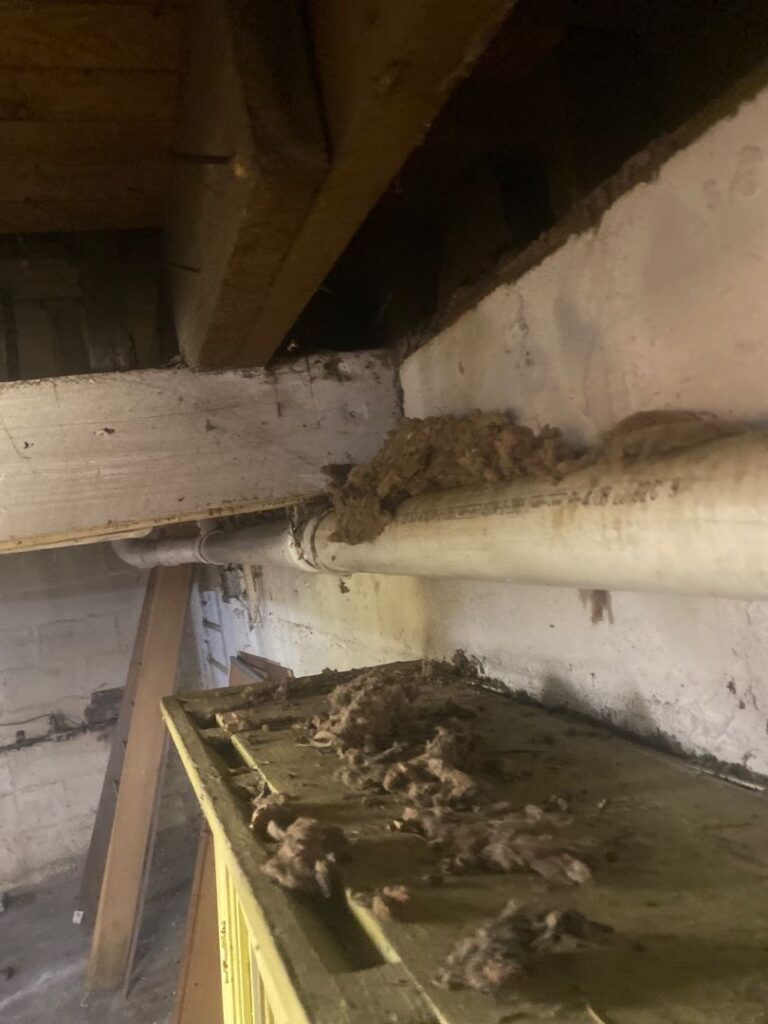
Persistent musty or earthy odors in your basement indicate existing moisture problems even without visible water or flooding. This smell comes from mold and mildew growing on concrete, wood framing, drywall, or stored materials. Chronic moisture makes spring flooding far more likely when additional water overwhelms already compromised conditions.
What Does Efflorescence Tell You?
White, chalky, or crystalline deposits on concrete walls and floors prove water is moving through your foundation. As water evaporates, it leaves behind dissolved minerals creating these deposits. Efflorescence indicates regular water intrusion that will worsen during spring when exterior water pressure peaks.
Is High Basement Humidity a Warning?
Relative humidity levels above 60 percent in basements promote mold growth and indicate moisture problems requiring attention. High humidity often results from water vapor transmitting through concrete from saturated soil outside. This vapor transmission frequently progresses to actual water intrusion during spring when soil saturation maximizes.
How Serious Are Foundation Cracks?
All foundation cracks deserve monitoring. Hairline cracks thinner than one-sixteenth inch may not cause immediate flooding but should be sealed preventatively. Cracks wider than one-eighth inch require professional evaluation. Horizontal cracks indicate serious structural problems and significant water intrusion risks. Water staining around any crack confirms active water penetration requiring immediate attention.
What Do Water Stains Reveal About Your Basement?
Discoloration, staining, or darkened areas on basement walls create a map of previous water intrusion. Staining near floor level indicates groundwater seepage or hydrostatic pressure forcing water through foundations. Staining higher on walls suggests surface water intrusion from failed gutters, poor drainage, or window well problems. Fresh stains appear dark while old stains fade to yellow or brown.
Are Floor Cracks Normal or Problematic?
Concrete basement floors naturally develop some cracks as concrete cures and houses settle. Most floor cracks are cosmetic and pose no flooding risk. However, cracks showing vertical displacement between sides, gaps wider than one-quarter inch, or moisture seepage around crack edges indicate problems. Rising groundwater can exploit these cracks when the water table peaks in spring.
Does Continuous Sump Pump Operation Mean Problems?
Sump pumps running frequently during wet weather is normal. However, pumps running continuously for hours or days signal either extremely high groundwater requiring pump upgrades or pump inefficiency indicating impending failure. Continuous operation stresses components and dramatically increases failure risk during peak spring flooding when you need reliable operation most.
How Can Fort Wayne Homeowners Prevent Spring Basement Flooding?
What Is the Most Critical Maintenance Task?
Gutter and downspout maintenance prevents more basement flooding than any other single action homeowners can take. Clean gutters at least twice during spring as trees bud and storms deposit debris. Ensure gutters slope properly toward downspouts without sagging sections that trap water. Install gutter guards to minimize debris accumulation. Most importantly, extend downspouts at least six feet from your foundation, farther if possible, using extensions or underground drain lines that carry water completely away from your home.
How Do You Properly Maintain Sump Pumps?
Test sump pumps monthly during spring by pouring several gallons of water into the sump pit until the float triggers. The pump should activate within seconds and discharge water freely through the outlet pipe. Listen for grinding, rattling, or unusual noises indicating bearing wear or impeller damage. Clean sump pits annually to remove sediment and debris that can jam float switches. Replace sump pumps proactively every 7 to 10 years before they fail during emergencies when replacement pumps may be unavailable.
Why Do You Need Battery Backup Systems?
Battery backup sump pumps operate when primary pumps fail or power outages occur during storms. Fort Wayne experiences numerous power outages during spring storms precisely when sump pumps are most critical. Battery systems provide several hours of operation depending on capacity and pumping frequency. Test backup systems monthly by unplugging primary pumps to verify battery condition. Replace backup batteries every 3 to 5 years as their capacity degrades even without heavy use.
Should You Consider Water-Powered Backup Pumps?
Water-powered backup pumps use municipal water pressure to create suction that pumps water from sump pits. These systems require no electricity or batteries, operating indefinitely during power outages as long as water pressure remains adequate. While less powerful than electric pumps, water-powered backups provide valuable redundancy for Fort Wayne homes where extended spring power outages occur.
How Do You Seal Foundation Cracks Effectively?
Small cracks narrower than one-quarter inch can be sealed using hydraulic cement or polyurethane crack injection products available at hardware stores. These materials expand as they cure, completely filling cracks and creating waterproof seals. For larger cracks, horizontal cracks, or cracks showing signs of structural movement or continued growth, consult foundation specialists before attempting repairs. Improper crack repair may mask serious structural problems requiring professional intervention.
What Grading Standards Should You Maintain?
Soil should slope away from your foundation at a minimum grade of 6 inches over the first 10 feet of distance. If current grading is flat or slopes toward your foundation, add soil to create proper slope. Use clay-rich fill soil near foundations as it sheds water better than sandy or loamy soil. Tamp added soil firmly to prevent settling that recreates poor grading over time. Maintain this grading by adding soil as needed every few years.
How Do French Drains Prevent Flooding?
French drains are gravel-filled trenches containing perforated pipes that collect and redirect groundwater away from foundations. Install French drains in areas where water consistently pools after storms, along the uphill side of your property if you have sloped terrain, or around the entire foundation perimeter for comprehensive protection. French drains work exceptionally well in Fort Wayne’s clay-heavy soil by providing permeable pathways for water that otherwise cannot drain through clay.
When Should You Consider Exterior Waterproofing?
Exterior waterproofing involves excavating around your foundation, applying waterproof membranes or coatings to foundation walls, and installing exterior drainage systems. While expensive and disruptive to landscaping, exterior waterproofing provides the most comprehensive protection for homes with chronic flooding problems. This approach stops water before it reaches your foundation rather than managing it after intrusion begins.
What Are Interior Perimeter Drainage Systems?
Interior perimeter drains install along the inside foundation perimeter at or below floor level. These systems capture water attempting to enter through basement floors and walls, channeling it to sump pumps before it enters your living space. While less comprehensive than exterior waterproofing, interior systems cost less and work well when exterior excavation is impractical due to landscaping, driveways, patios, or adjacent structures.
Do You Need a Backwater Valve?
Backwater valves install in your main sewer line and prevent sewage from flowing backward into your home when municipal systems become overwhelmed during storms. During spring flooding, Fort Wayne’s older combined sewer systems can back up, causing sewage to enter basements through floor drains and fixtures. Backwater valves automatically close when reverse flow begins. Installation costs $1,000 to $3,000 but prevents disasters costing tens of thousands to remediate.
Should You Install a Whole-House Generator?
Whole-house generators automatically start when power fails, keeping sump pumps, dehumidifiers, and other critical systems operating during spring storms. For Fort Wayne homes vulnerable to flooding, generator backup provides peace of mind during extended power outages. Natural gas generators offer unlimited runtime while propane models depend on tank capacity.
What Should You Do If Your Basement Floods?
Is It Safe to Enter Flooded Basements?
Never enter flooded basements if water reaches electrical outlets, appliances, the furnace, water heater, or electrical panel. Standing water conducts electricity and creates fatal electrocution hazards. Turn off power to your basement at the main electrical panel before entering. If your main panel is in the flooded area, contact your utility company to disconnect power at the meter before entering.
How Quickly Should You Remove Standing Water?
Remove standing water as rapidly as safety permits. Each hour water remains increases damage severity, promotes mold growth, saturates building materials deeper, and risks structural problems. Use sump pumps for deep water, wet/dry vacuums for shallow flooding, or buckets if no equipment is available. For flooding deeper than a few inches, professional extraction equipment removes water far more quickly and thoroughly than homeowner equipment.
What Should You Save First?
Prioritize removing electronics, computers, important documents, family photos, valuable items, and irreplaceable keepsakes. Move furniture to dry areas or elevate it on blocks. Remove wet carpet and padding within 24 hours as these materials cannot be salvaged and promote mold growth. Cut away wet drywall that cannot dry within 48 hours as it will require replacement regardless.
When Should You Call Professional Restoration Services?
Contact professional restoration immediately for flooding deeper than two inches, any sewage involvement, situations where you cannot quickly remove water yourself, flooding affecting finished living spaces, or when you lack equipment for thorough water extraction and structural drying. Professional restoration companies have industrial-grade dehumidifiers, air movers, and extraction equipment that remove water and dry structures far more effectively than consumer equipment.
PuroClean Disaster Restoration of West Fort Wayne serves Fort Wayne and Allen County with 24/7 emergency water damage restoration services. Their IICRC-certified technicians respond immediately to assess damage, extract standing water, dry your property thoroughly, and restore your home to pre-loss condition. Water damage worsens rapidly, making immediate professional response critical. Call (260) 263-9788 for immediate emergency assistance.
What Should You Ask Restoration Companies?
Do They Provide True 24/7 Emergency Response?
Verify the company maintains fully staffed emergency response capabilities around the clock every day, not answering services that schedule next-day appointments. Water damage progresses by the hour, making immediate response essential for limiting losses and preventing secondary damage like mold growth.
What Training and Certifications Do Technicians Have?
Look for companies employing IICRC-certified technicians specifically trained in water damage restoration. This certification ensures technicians follow industry-standard protocols for water extraction, structural drying, moisture monitoring, and mold prevention. Certification demonstrates commitment to professional standards and continuing education.
Will They Work With Your Insurance Company?
Experienced restoration companies work directly with insurance adjusters, thoroughly document damage with photographs and moisture readings, and provide detailed estimates following industry-standard pricing methodologies. This expertise helps you receive fair insurance settlements and removes complexity during already stressful situations.
What Equipment Do They Use?
Professional water damage restoration requires industrial dehumidifiers capable of removing hundreds of pints daily, high-velocity air movers that thoroughly dry structural cavities, truck-mounted extraction equipment for rapid water removal, thermal imaging cameras that detect hidden moisture, and moisture detection meters that verify complete drying. Ask about equipment inventory to ensure they can handle your situation comprehensively.
Do They Offer Mold Remediation?
Many basement floods lead to mold growth, especially in finished spaces with drywall, insulation, carpet, and wood framing. Choose restoration companies offering integrated mold remediation services so you have a single contractor handling all aspects of recovery rather than coordinating multiple companies.
How Can You Prepare for Future Spring Flooding?
What Should Emergency Kits Include?
Assemble emergency supplies including waterproof flashlights, fresh batteries, battery-powered weather radio, rubber boots, waterproof gloves, wet/dry vacuum, heavy-duty extension cords, plastic storage bins for emergency protection of valuables, and contact information for emergency services, utility companies, and restoration contractors. Store this kit in accessible locations outside your basement.
Should You Document Basement Contents?
Create visual inventories of basement contents using photos or videos. Document furniture, appliances, electronics, stored belongings, and approximate values. Store this documentation in cloud storage accessible from any device anywhere. Updated inventories make insurance claims faster, more accurate, and more successful.
What Maintenance Records Should You Keep?
Maintain detailed records of all basement-related maintenance including sump pump purchases and replacements, battery backup installations, foundation repairs, waterproofing work, drainage improvements, and gutter maintenance. These records demonstrate responsible homeownership to insurance companies and help identify patterns in recurring problems requiring different solutions.
How Often Should You Inspect Basements in Spring?
Inspect basements at least weekly during spring, specifically after major rainstorms or rapid snowmelts. Look for new cracks, moisture stains, musty odors, increased humidity, unusual sounds from sump pumps, or any changes from previous inspections. Walk your property after storms to identify pooling water, gutter overflows, or drainage problems requiring correction.
Should You Create Flood Response Plans?
Develop written plans documenting what to do if flooding occurs. Include steps for shutting off power, gas, and water, emergency contact numbers, locations of utility shut-off valves, and specific responsibilities for family members. Practice this plan so everyone knows their role during actual emergencies when stress and panic impair clear thinking.
What Common Mistakes Should Fort Wayne Homeowners Avoid?
Why Is Delaying Repairs Dangerous?
Minor foundation cracks and small drainage problems progressively worsen over time as freeze-thaw cycles, soil movement, and water intrusion continue. Problems manageable with affordable DIY repairs this spring become expensive emergency restorations requiring professional intervention next spring. Small investments in prevention save thousands in future damage.
Can You Rely Solely on Sump Pumps?
Sump pumps are critical components but should not be your only defense against flooding. Relying exclusively on mechanical systems ignores prevention opportunities. Proper grading, functioning gutters, sealed foundations, and effective drainage reduce water reaching your sump pit, extending pump life and providing backup protection when pumps inevitably fail.
Is All DIY Waterproofing Effective?
Simple maintenance tasks like gutter cleaning, downspout extensions, and minor crack sealing are appropriate DIY projects. However, foundation waterproofing, drainage system installation, structural repairs, and extensive crack repair require professional expertise, specialized equipment, and knowledge of building science. Improper DIY work wastes money and may worsen underlying problems.
Should You Ignore Small Amounts of Water?
Many homeowners dismiss slight dampness, small puddles, or minor seepage as normal basement conditions in Fort Wayne’s high water table environment. Any water in your basement indicates problems requiring attention. Minor seepage this spring becomes major flooding next spring as cracks widen, drainage worsens, and systems deteriorate further.
Is Choosing the Cheapest Restoration Worth It?
Water damage restoration requires specialized equipment, professional training, and thoroughness to prevent long-term problems like hidden mold growth, structural damage, and recurring flooding. Hiring unlicensed contractors or bargain providers risks incomplete drying, improper mold prevention, and recurring problems that cost far more to fix later than investing in quality service initially.
Frequently Asked Questions
How much does basement flooding damage cost in Fort Wayne?
Basement flooding costs vary significantly based on water depth, basement size, finish level, and contamination. Unfinished basement flooding averages $3,000 to $8,000 for professional water extraction, structural drying, and cleanup. Finished basement flooding ranges from $10,000 to $30,000 including drywall replacement, flooring, electrical repairs, trim, and repainting. Sewage backups requiring sanitization and material removal cost $8,000 to $25,000. These figures exclude contents replacement and temporary housing.
Does homeowners insurance cover basement flooding?
Standard homeowners insurance covers sudden, accidental water damage from burst pipes, water heater failures, appliance malfunctions, or sump pump mechanical failures but typically excludes groundwater seepage, surface water flooding, and gradual water intrusion. Sewer backup coverage requires separate endorsements costing $50 to $250 annually. Flood insurance through NFIP covers some flooding scenarios but has limitations, exclusions, and waiting periods before coverage begins.
How long does professional basement drying take?
Professional restoration using industrial dehumidifiers and air movers typically dries basements within 3 to 7 days depending on flooding severity, affected materials, and weather conditions. Concrete, wood framing, and insulation require longer drying times than finished surfaces. Moisture monitoring throughout the process ensures complete drying before reconstruction begins, preventing hidden mold growth and material deterioration.
Can you prevent mold after basement flooding?
Preventing mold requires removing standing water within 24 hours and thoroughly drying all affected materials within 48 hours. Professional restoration consistently achieves these timelines using industrial equipment. DIY drying efforts rarely meet these critical timelines, making mold growth highly likely. Once established, mold remediation adds $1,500 to $7,000 to total restoration costs.
What is hydrostatic pressure and why does it cause flooding?
Hydrostatic pressure is the force exerted by water-saturated soil against foundation walls and floors. This pressure increases with soil moisture content and groundwater level height. Sufficient pressure forces water through microscopic concrete pores, tiny cracks, and construction joints even in structurally sound foundations. Spring brings peak hydrostatic pressure in Fort Wayne as groundwater levels reach annual maximums from snowmelt and rainfall accumulation.
Should you finish a basement with previous flooding?
Finishing previously flooded basements without first solving underlying water intrusion problems is risky and potentially wasteful. Invest in comprehensive waterproofing, proper drainage systems, reliable sump pumps with battery backup, and foundation sealing before finishing. Use flood-resistant materials including vinyl plank flooring, mold-resistant drywall, PVC or composite trim, and moisture-resistant insulation. Keep valuable furniture, electronics, and belongings on upper floors.
How effective are interior drainage systems?
Properly designed and installed interior perimeter drainage systems effectively manage groundwater and foundation seepage. These systems capture water attempting to enter through basement floors and walls, directing it to sump pumps before reaching living spaces. Combined with reliable sump pumps, battery backup systems, and proper maintenance, interior drainage provides excellent protection for Fort Wayne homes with high water tables.
What should you do if sump pumps fail during storms?
If sump pumps fail during flooding, immediately begin manual water removal using wet/dry vacuums, portable pumps, or buckets depending on water depth and available equipment. Contact emergency restoration services for professional extraction equipment. If safe to access, install replacement sump pumps available at hardware stores. Many Fort Wayne stores stock emergency replacement pumps during spring specifically for this situation.
Conclusion
Spring basement flooding threatens Fort Wayne homeowners annually as rapid snowmelt combines with heavy rainfall to overwhelm drainage systems, saturate clay-heavy soil, and raise groundwater to peak levels. Understanding flooding causes specific to Fort Wayne including high water tables, poor soil drainage, aging infrastructure, and variable spring weather allows you to implement targeted prevention strategies that significantly reduce your risk.
Regular maintenance of gutters and downspouts, proper yard grading, functioning sump pumps with battery backup, sealed foundation cracks, and effective drainage systems create multiple layers of protection. When flooding occurs despite preventive measures, immediate professional response minimizes damage and prevents secondary problems like mold growth and structural deterioration.
PuroClean Disaster Restoration of West Fort Wayne provides expert water damage restoration services, immediate 24/7 emergency response, and comprehensive recovery for Fort Wayne and Allen County homeowners. Do not wait until you discover water in your basement. Implement prevention strategies now. If flooding strikes, call (260) 263-9788 immediately for emergency water damage restoration. Every minute of delay increases damage severity and restoration costs. Protect your home, your belongings, and your family by acting decisively when flooding occurs.

