Noticing a dark patch appearing along your bathroom baseboards, across ceiling drywall, or inside a laundry room closet can instantly cause concern.
Homeowners in Stonecrest, Georgia often wonder whether every dark mark indicates dangerous black mold or if it is simply surface mildew or dirt accumulation. Because Metro Atlanta experiences high humidity levels and frequent summer downpours, indoor fungal issues are a frequent reality for local property owners.
Understanding what causes dark mold patches, recognizing associated health symptoms, and taking immediate action to address root moisture sources is essential. This detailed guide covers everything you need to know about identifying black mold, assessing the potential risks, avoiding common cleanup mistakes, and executing safe remediation in your Stonecrest property.
What Is Black Mold?
The term black mold usually refers to Stachybotrys chartarum, a specific species of microfungus that produces a dark green or black slimy growth layer. Unlike common outdoor molds or light surface mildew, Stachybotrys chartarum produces mycotoxins, which are secondary metabolites capable of causing adverse reactions in humans and pets when inhaled or touched over extended periods.
Stachybotrys chartarum requires continuous, high levels of moisture to grow. It thrives on building materials rich in cellulose and low in nitrogen, such as gypsum drywall, fiberboard, paper backing, wallpaper, and wooden framing. When building materials remain wet for longer than 24 to 48 hours, dormant spores germinate and begin digesting the underlying structure.
How to Distinguish Black Mold from Mildew and Dirt
Not every dark spot on your wall is toxic black mold. Differentiating between harmless dirt buildup, simple surface mildew, and deep structural mold helps dictate the appropriate corrective measures:
Appearance and Texture
Mildew generally appears as a light grey, white, or powdery yellow film on non-porous surfaces like tile or glass. Active black mold presents as a dark green or jet-black growth that feels slimy or wet to the touch. When dried, it can look soot-like or velvety.
Location and Depth
Mildew rests exclusively on surface layers and washes away easily with standard household surface cleaner. True black mold roots deep into porous materials like drywall, carpet padding, or wood, meaning surface wiping leaves the hidden hyphae roots intact.
Odor Characteristics
Mildew carries a faint dampness smell that clears quickly with ventilation. Black mold releases a heavy, pungent, musty stench that smells similar to decaying leaves or wet cardboard, lingering even when windows are opened.
Common Causes of Black Mold in Stonecrest, Georgia Properties
Stonecrest residential and commercial properties face unique climate and structural pressures that encourage fungal propagation:
Sustained Summer Humidity
Georgia summer heat brings high relative humidity. When indoor humidity stays above 50 to 60 percent, air conditioning systems can struggle to remove moisture, creating microclimates where spores thrive.
Crawlspace and Basement Moisture Intrusion
Properties in DeKalb County constructed over dirt crawlspaces frequently experience rising ground moisture. Water vapor travels upward into subfloors and wall cavities, feeding fungal growth beneath living areas.
Roof Leaks and Storm Damage
High winds and falling tree branches during regional storms can dislodge shingles or damage flashing. Water penetrating the attic insulation feeds hidden mold colonies along ceiling joists long before stains appear below.
Plumbing Leaks and Condensation
Slow drips behind shower surrounds, leaking washing machine hoses, or uninsulated air conditioning drain lines generate constant moisture reservoirs necessary for Stachybotrys chartarum colonizations.
Recognizing Black Mold Exposure Symptoms and Health Risks
Exposure to indoor fungal contamination affects individuals differently depending on age, underlying immune status, and total exposure duration. Microscopic spores and mycotoxins can irritate the respiratory system and mucous membranes upon contact or inhalation.
Respiratory and Allergic Reactions
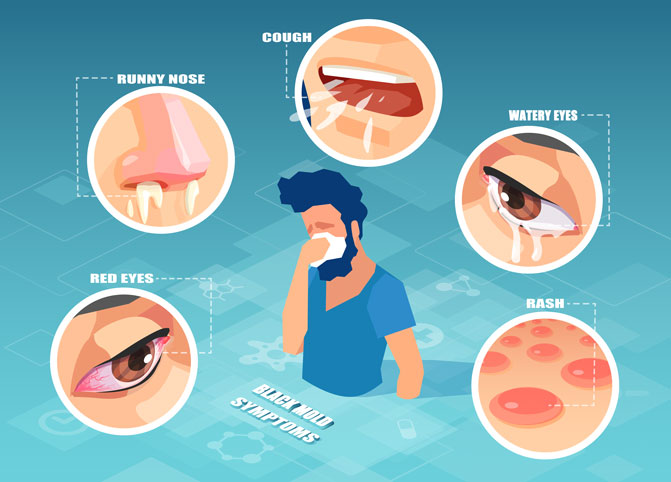
Common initial signs of exposure resemble persistent seasonal allergies or a lingering cold. Individuals may suffer from continuous sneezing, nasal congestion, runny nose, itchy throat, watery eyes, and localized skin rashes that improve when leaving the building.
Heightened Symptoms in Vulnerable Individuals
Children, elderly residents, pregnant women, and individuals with asthma, chronic obstructive pulmonary disease, or compromised immune systems are at a significantly higher risk. In severe cases, fungal exposure can trigger acute asthma attacks, wheezing, shortness of breath, or deep pulmonary inflammation.
Mycotoxin-Related Concerns
Prolonged exposure to heavy mycotoxin concentrations in poorly ventilated spaces can lead to systemic issues, including chronic fatigue, unexplained headaches, difficulty concentrating, and persistent sinus irritation. Addressing growth promptly eliminates these indoor health hazards.
Why DIY Removal of Black Mold Is Hazardous
Discovering dark patches often tempts property owners to grab household cleaners or bleach. However, attempting DIY cleanup without specialized training or equipment carries significant risks:
- Bleach Is Ineffective on Porous Materials: Applying bleach to drywall, wood, or grout removes surface pigment temporarily, but fails to kill deep root structures. The high water content in bleach actually feeds the roots, causing the colony to return stronger within days.
- Scrubbing Spreads Millions of Spores: Scrubbing or disturbing dry fungal growth releases massive clouds of microscopic spores into the surrounding room. Your HVAC system can then distribute these spores throughout your entire home.
- Lack of Containment and Personal Safety: Cleaning active colonies without proper respirators, full body suits, and negative air containment exposes occupants to high concentrations of mycotoxins and airborne contaminants.
The Professional Mold Remediation Process in Stonecrest
PuroClean provides systematic, certified remediation protocols designed to safely contain, remove, and prevent fungal contamination in accordance with industry S520 standards:
1. Comprehensive Inspection and Moisture Assessment
Technicians use moisture meters and thermal imaging cameras to identify hidden moisture pockets behind walls, under flooring, and inside ceiling cavities.
2. HEPA Negative Air Containment
Heavy-duty plastic barriers and negative air pressure machines fitted with HEPA filtration prevent cross-contamination during removal.
3. HEPA Air Scrubbing
High-capacity air scrubbers run continuously throughout the project to filter airborne spores, fine dust particles, and organic compounds.
4. Controlled Removal of Unsalvageable Materials
Deeply affected porous materials, such as water-logged drywall, insulation, or carpet, are safely cut out, sealed in bags, and removed.
5. Detailed Cleaning and Antimicrobial Wash
Semi-porous structural framing and non-porous surfaces are detailed using wire brushes, HEPA vacuums, and EPA-registered botanical or antimicrobial agents.
6. Advanced Structural Drying
Industrial dehumidifiers and high-velocity air movers dry structural framing below critical moisture levels to eliminate future growth potential.
Effective Steps to Prevent Black Mold in Stonecrest Homes
Preventing indoor mold requires diligent moisture management throughout your property:
- Control Indoor Humidity: Keep relative humidity levels below 50 percent year-round by using air conditioning and running dedicated dehumidifiers in basements or crawlspaces.
- Fix Plumbing Leaks Instantly: Address minor plumbing drips, running toilets, and sink leaks immediately to prevent continuous moisture accumulation inside cabinetry and subfloors.
- Ensure Proper Exhaust Ventilation: Always operate bathroom exhaust fans during showers and keep them running for 20 minutes after finishing. Verify kitchen range hoods vent directly outside.
- Maintain Roof and Gutters: Clean gutters regularly to ensure rainwater drains away from your foundation. Repair damaged roof shingles immediately following major storm events.
Contact PuroClean for Safe Black Mold Removal in Stonecrest, GA
If you suspect dark spots on your walls or ceilings are active black mold, do not risk your health or property value with improper removal. PuroClean offers professional, prompt, and certified remediation services tailored to Stonecrest property owners.
| PuroClean: Certified Black Mold Remediation in Stonecrest, GA |
| Call 24/7 for Inspection & Restoration Support: (770) 290-3200 |
| IICRC Certified Technicians | HEPA Air Containment | Advanced Thermal Inspection | Serving Stonecrest & DeKalb County |