


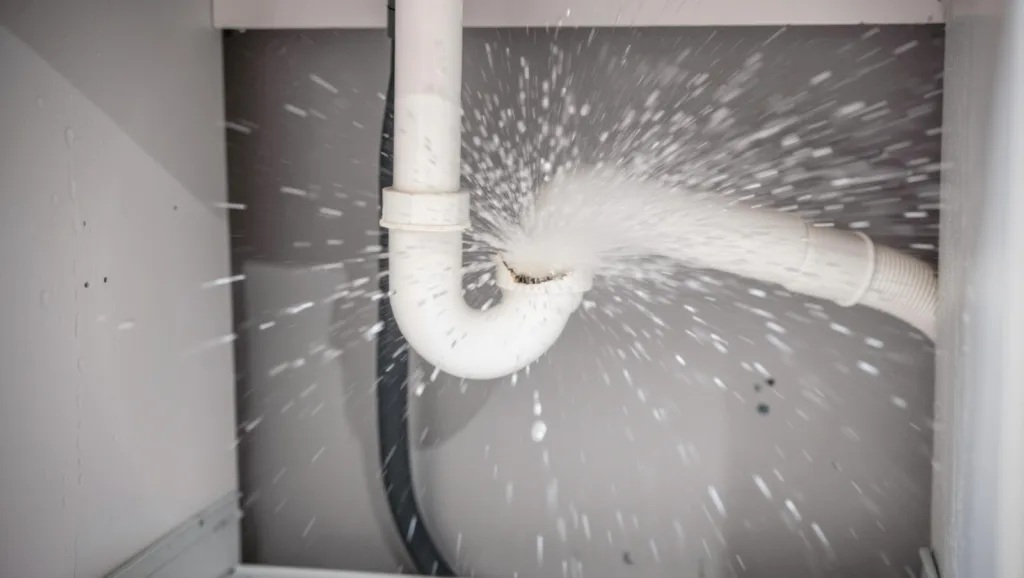
Every few winters, Metro Atlanta experiences an abrupt meteorological shift. A mild December or January afternoon in the high fifties can plunge below freezing overnight as an Arctic air mass sweeps across North Georgia. Within 24 to 48 hours of these sudden winter freezes, emergency restoration crews across Stonecrest, Chamblee, Lithonia, Decatur, and wider DeKalb County are inundated with urgent calls from homeowners facing flooded ceilings, soaked hardwood floors, and ruptured plumbing lines.
It often surprises residents that cities like Atlanta suffer disproportionately high rates of burst pipes during brief cold snaps compared to northern cities where sub-zero temperatures persist for months. The reason has less to do with the severity of the cold and everything to do with how Georgia homes are designed, insulated, and maintained. Because prolonged freezes are historically uncommon in the Piedmont region, residential construction standards and homeowner habits leave plumbing systems uniquely exposed when flash freezes arrive.
Understanding the architectural vulnerabilities of Metro Atlanta homes, the physics behind how ice ruptures metal and plastic pipes, and the exact steps required to winterize vulnerable lines empowers property owners to prevent catastrophic water damage before the next cold front arrives.
Architectural and Regional Factors Leaving Georgia Homes Vulnerable
Residential construction practices in DeKalb County and surrounding Metro Atlanta communities reflect our warm, humid subtropical climate. Builders optimize homes to shed summer heat rather than retain winter warmth around exterior plumbing chases.
Plumbing Routed Through Unconditioned Spaces
In northern states, building codes mandate that water supply lines run strictly within the heated thermal envelope of the home, buried deep below a four-foot frost line. In Metro Atlanta, where the frost line is shallow, builders routinely route copper, CPVC, and PEX water pipes through unconditioned spaces to save construction costs and simplify floor plans.
Attic Spaces and Roof Eaves
Many split-level homes, ranch houses, and modern townhomes in Stonecrest and Chamblee have domestic water lines running directly across unheated attic joists to reach upstairs bathrooms or laundry rooms. When attic temperatures drop into the teens, exposed pipes lose heat rapidly.
Vented Crawl Spaces and Pier-and-Beam Foundations
Older neighborhoods across Decatur, Avondale Estates, and unincorporated DeKalb County feature vented crawl spaces beneath first-floor living areas. Foundation vents allow freezing winter winds to sweep directly over bare water supply lines and main shutoff valves.
Exterior Walls and Unheated Garages
Kitchen sinks located beneath windows on exterior walls and water heaters installed inside uninsulated garages place plumbing within inches of outdoor air. Even standard fiberglass batt insulation loses effectiveness when cold drafts penetrate exterior siding.
Rapid Temperature Swings and Lack of Homeowner Preparation
Because Metro Atlanta enjoys mild weather for most of the winter, homeowners rarely maintain seasonal winterization routines. Garden hoses remain attached to exterior spigots, crawl space vents stay open year-round, and thermostats are turned down at night or during holiday travel. When temperatures plummet 35 degrees in a single night, plumbing systems lack the thermal buffer needed to resist freezing.
The Physics of a Pipe Burst: Why Ice Breaks Strong Pipes
A common misconception among homeowners is that expanding ice pushes outward against the walls of a pipe until the metal or plastic splits open at the exact location of the freeze. In reality, pipe bursts are caused by extreme hydraulic pressure buildup.
How Ice Blockages Trap and Pressurize Water
Water is one of the few substances that expands when it freezes, increasing in volume by roughly nine percent. When water inside an exposed pipe drops to 32 degrees Fahrenheit, ice crystals begin forming along the inner pipe wall, eventually creating a solid ice plug that completely blocks water flow.
As the ice plug continues to grow and expand lengthwise along the pipe, it acts like a piston pushing against the remaining liquid water trapped between the ice blockage and a closed faucet downstream. Because liquid water cannot be compressed, internal pressure skyrockets from a normal household level of 50 to 70 pounds per square inch (psi) to over 2,500 psi. No residential copper, PVC, or PEX fitting can withstand that immense hydraulic force, causing the pipe to rupture violently at its weakest joint or seam.
Why Flooding Happens During the Thaw, Not the Freeze
Homeowners frequently discover water damage the morning after a freeze, just as outdoor temperatures climb back above 32 degrees. While the pipe remains frozen, the solid ice plug acts as a temporary cork holding back the municipal water supply. Once the ice melts, pressurized water immediately gushes through the split pipe wall, releasing hundreds of gallons of water per hour into ceilings, walls, and subfloors.
High-Risk Plumbing Zones in Stonecrest and DeKalb County Homes
To protect your property effectively, inspect the five plumbing locations most prone to freezing during Metro Atlanta cold snaps:
- Exterior Hose Bibs and Frost-Free Spigots: Leaving a garden hose connected traps water inside the exterior faucet stem, preventing it from draining and causing the pipe to split inside your exterior wall.
- Tankless Water Heaters Mounted on Exterior Walls: Outdoor tankless units and exposed copper intake lines freeze quickly during windy nights if power is interrupted or internal freeze-protection heaters fail.
- Bonus Rooms Above Garages: Plumbing feeding bathrooms or wet bars built over unheated garages passes through floor cavities exposed to freezing air from below.
- Pool Equipment and Irrigation Backflow Preventers: Above-ground PVC sprinkler valves and pool pump manifolds are among the first components to crack when temperatures dip below freezing.
- Vacant Homes and Vacation Properties: Turning off the HVAC system entirely while traveling for winter holidays allows indoor wall cavities to drop below freezing within hours.
Proactive Freeze Prevention Checklist for Metro Atlanta Homeowners
Taking a few straightforward preventative measures whenever the National Weather Service issues a Freeze Warning for DeKalb County dramatically reduces your risk of water damage:
- Disconnect and Drain All Garden Hoses: Unhook outdoor hoses before the first freeze, drain residual water, and install inexpensive foam insulated faucet covers over every exterior spigot.
- Let Vulnerable Faucets Drip Slowly: During sub-freezing nights, open both hot and cold handles slightly on faucets served by exposed pipes to maintain a slow, steady drip. Moving water resists freezing and relieves hydraulic pressure if ice begins forming.
- Open Kitchen and Bathroom Cabinet Doors: Opening vanity and sink base cabinets allows warm indoor air to circulate around drain traps and water supply lines positioned against exterior walls.
- Seal Crawl Space Vents and Air Leaks: Close foundation vents tightly for the winter and seal gaps around cable penetrations, dryer vents, and rim joists using expanding foam or caulk.
- Insulate Exposed Pipes with Foam Sleeves: Wrap accessible copper and CPVC pipes in crawl spaces, basements, attics, and garages with pre-slit polyethylene foam pipe insulation or UL-listed heat tape.
- Keep Your Thermostat Set Consistently: Maintain your indoor thermostat at 55 degrees Fahrenheit or higher around the clock during winter cold snaps, even when traveling away from home.
What to Do If You Discover a Frozen or Burst Pipe
Knowing how to respond the moment you notice reduced water pressure or active water intrusion minimizes structural damage and protects your insurance coverage.
If a Pipe Is Frozen But Has Not Burst
If you turn on a faucet and only a trickle comes out during freezing weather, suspect a frozen pipe. Keep the faucet open so melting water can escape. Never use a blowtorch, kerosene heater, or open flame to thaw a pipe, as this creates severe fire hazards and can boil trapped water until the pipe explodes. Instead, apply gentle heat using an electric hair dryer, a portable space heater kept well clear of flammable items, or towels soaked in hot water, working from the faucet back toward the frozen section.
If a Pipe Has Already Burst
If water is actively spraying or leaking into your home, immediately shut off your home main water shutoff valve to stop incoming water flow. Turn off electrical breakers supplying flooded rooms if you can reach the panel safely without stepping in standing water. Open faucets to drain remaining line pressure, document the damage with photographs, and contact certified emergency restoration specialists immediately.
Trust PuroClean of Stonecrest for 24/7 Frozen and Burst Pipe Restoration
Sudden winter freezes across Metro Atlanta leave little time to react once a thawed pipe begins flooding your home. Acting within the first hours is essential to extract standing water, dry saturated structural framing, and prevent mold growth before secondary damage sets in.
When winter weather causes a burst pipe in your Stonecrest, Chamblee, Lithonia, Decatur, or DeKalb County property, trust the Paramedics of Property Damage® at PuroClean of Stonecrest. Our IICRC-certified technicians respond 24/7 with truck-mounted water extraction equipment, infrared moisture mapping cameras, and industrial dehumidifiers, working directly with your insurance carrier to restore your home quickly and safely.
| PuroClean of Stonecrest: 24/7 Emergency Burst Pipe Restoration |
|---|
| Call Immediately for Emergency Water Extraction: (770) 290-3200 |
| Frozen Pipe Cleanup | Structural Drying | Direct Insurance Billing | Serving Stonecrest, Chamblee & DeKalb County |