


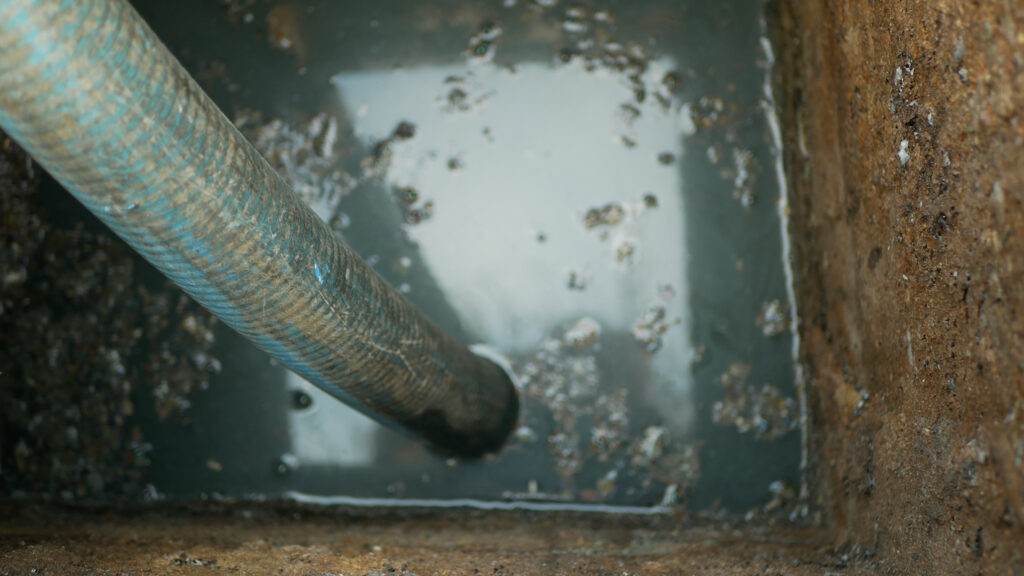
A sewage backup inside a residential home or commercial property is far more than an unpleasant plumbing inconvenience. Unlike clean water from a burst supply pipe, raw sewage and municipal sewer overflows carry a concentrated cocktail of human waste, decomposing organic matter, industrial chemicals, and infectious microorganisms. For property owners in Stonecrest, Chamblee, Lithonia, Decatur, and across DeKalb County, understanding the invisible biological threats inside sewage floodwater is critical to protecting family health and avoiding improper DIY cleanup.
Under the IICRC S500 Standard for Professional Water Damage Restoration, sewage backup flooding is classified as Category 3 water, commonly referred to as black water. Category 3 water is grossly unsanitary and contains pathogenic agents capable of causing severe illness or death if ingested, inhaled as aerosolized droplets, or absorbed through broken skin and mucous membranes.
Whether triggered by tree root intrusion into aging DeKalb County sewer laterals, heavy storm runoff overwhelming municipal lift stations, or a backed-up septic tank, sewage flooding saturates floors, drywall, and HVAC ductwork with active pathogens. This guide details the specific bacteria, viruses, parasites, and fungi found in Stonecrest sewage backups and outlines the strict remediation protocols required to make your home safe again.
Dangerous Bacteria Found in Raw Sewage Flooding
Raw sewage provides a nutrient-rich breeding ground for enteric bacteria that naturally inhabit the human digestive tract as well as opportunistic environmental bacteria.
Escherichia coli (E. coli)
While harmless strains of E. coli live in healthy human intestines, pathogenic strains such as E. coli O157:H7 thrive in raw sewage. Exposure causes severe abdominal cramping, bloody diarrhea, vomiting, and fever. In young children, older adults, and immunocompromised individuals, E. coli infection can progress to hemolytic uremic syndrome (HUS), a life-threatening kidney complication.
Salmonella and Shigella
Both Salmonella and Shigella bacteria are frequently isolated from municipal wastewater backups. Salmonella triggers salmonellosis, marked by acute gastroenteritis, dehydration, and high fever within 12 to 72 hours of exposure. Shigella requires only a tiny infectious dose to cause shigellosis, resulting in painful dysentery and intestinal inflammation.
Campylobacter jejuni
Campylobacter is one of the leading bacterial causes of diarrheal illness worldwide and survives readily in cool, damp sewage-contaminated carpets and subfloors. Beyond acute gastrointestinal distress, Campylobacter infection is a recognized trigger for Guillain-Barre syndrome, a rare autoimmune disorder affecting the peripheral nervous system.
Leptospira (Leptospirosis)
Municipal sewer lines and stormwater drains in Metro Atlanta frequently harbor rodent populations. Rodent urine mixes with sewage water and introduces Leptospira spiral bacteria. Unlike intestinal bacteria that require ingestion, Leptospira can enter the human body directly through minor cuts, scrapes, or waterlogged skin during cleanup, causing fever, jaundice, liver damage, and kidney failure.
Viruses, Parasites, and Fungal Spores in Category 3 Black Water
Bacteria represent only one fraction of the microbial threat inside sewage backups. Viruses and protozoan parasites often resist common household bleach solutions, making professional hospital-grade disinfection essential.
Enteric Viruses
Human waste carries millions of viral particles per milliliter when household members are ill or asymptomatic carriers:
Hepatitis A Virus (HAV)
Hepatitis A is a hardy, non-enveloped virus capable of surviving on contaminated surfaces and dried sewage residue for weeks. It attacks the liver, causing fatigue, nausea, abdominal pain, dark urine, and jaundice.
Norovirus and Rotavirus
Norovirus is notorious for extreme environmental stability and rapid transmission. Even microscopic aerosolized droplets generated when walking across wet carpets or running standard household fans can spread acute viral gastroenteritis throughout an entire household.
Protozoan Parasites and Helminths
Sewage floodwater commonly transports encysted parasites protected by tough outer shells:
Giardia lamblia and Cryptosporidium
Both Giardia and Cryptosporidium form chlorine-resistant cysts that cause prolonged watery diarrhea, severe malabsorption, and weight loss. Standard consumer cleaning sprays fail to destroy Cryptosporidium oocysts, requiring specialized EPA-registered broad-spectrum disinfectants.
Opportunistic Mold and Endotoxins
Sewage water saturates porous drywall, wood framing, and carpet padding with both moisture and organic nutrients. Within 24 to 48 hours in Georgia’s warm climate, toxic and allergenic mold species such as Stachybotrys chartarum, Aspergillus, and Penicillium germinate rapidly, releasing mycotoxins and microbial volatile organic compounds (mVOCs) into indoor air.
Quick Reference: Common Sewage Pathogens and Health Risks
The table below summarizes primary biological hazards present in Stonecrest sewage backup incidents and their primary routes of human exposure:
| Pathogen | Category | Primary Exposure Route | Associated Health Risks |
|---|---|---|---|
| E. coli O157:H7 | Bacterium | Hand-to-mouth contact, contaminated surfaces. | Severe cramping, bloody diarrhea, kidney failure. |
| Leptospira | Bacterium | Cuts, abrasions, mucous membranes. | High fever, jaundice, liver and kidney damage. |
| Hepatitis A | Virus | Ingestion of trace particles, cross-contamination. | Acute liver inflammation, fatigue, jaundice. |
| Norovirus | Virus | Aerosolized droplets, contaminated surfaces. | Sudden severe vomiting, diarrhea, dehydration. |
| Cryptosporidium | Parasite | Accidental ingestion of chlorine-resistant cysts. | Prolonged gastrointestinal illness, dehydration. |
Why DIY Sewage Cleanup Puts Your Family at Serious Risk
Attempting to mop up a sewage backup with household bleach, shop vacuums, and box fans creates severe health and structural hazards:
- Aerosolization of Pathogens: Turning on standard household fans or non-HEPA vacuums blasts dried fecal bacteria, viral particles, and fungal spores directly into your breathing zone and HVAC return vents.
- Inability to Sanitize Porous Materials: Porous materials like carpet, carpet padding, drywall, insulation, and particleboard cabinetry absorb liquid sewage deep into their fibers. No topical spray can sanitize saturated porous materials; IICRC protocols mandate their safe removal and biohazard disposal.
- Hidden Subfloor Contamination: Sewage seeps beneath vinyl plank flooring, baseboards, and wall sill plates. Leaving hidden organic waste trapped inside wall cavities leads to persistent sewer odors, structural rot, and chronic respiratory irritation.
- Chemical Hazards: Mixing household bleach with ammonia present in urine and sewage creates toxic chloramine gas inside enclosed basements and bathrooms.
Immediate Safety Steps Before Biohazard Crews Arrive
If a toilet, floor drain, or basement sewer line backs up in your Stonecrest or DeKalb County home, take these immediate protective steps while awaiting emergency restoration professionals:
- 1. Evacuate Vulnerable Individuals and Pets: Keep children, elderly family members, pregnant individuals, and household pets completely out of affected rooms.
- 2. Avoid Direct Contact with Standing Water: Never wade through sewage water without waterproof boots and heavy-duty nitrile gloves. Wash hands thoroughly with soap and hot water if any incidental contact occurs.
- 3. Shut Off Your HVAC System: Turn off central heating and air conditioning immediately so return vents do not pull contaminated air and sewage odors into unaffected bedrooms.
- 4. Stop Using Household Water and Toilets: Do not flush toilets, run washing machines, or drain sinks, as additional wastewater will back up directly through the lowest drain in your home.
- 5. Call Certified Biohazard Remediation Specialists: Contact PuroClean of Stonecrest immediately at (770) 290-3200 for rapid Category 3 sewage extraction, containment, and hospital-grade disinfection.
How Certified Category 3 Sewage Remediation Restores Safe Living Conditions
Professional sewage remediation follows strict OSHA bloodborne pathogen standards and IICRC S500 biohazard protocols to eliminate every trace of microbial contamination:
Technicians begin by wearing full personal protective equipment (PPE), including Tyvek suits, eye protection, and P100 respirators, and sealing off affected zones with negative-air containment barriers equipped with HEPA air scrubbers. After extracting all liquid waste using dedicated biohazard pumps, crews remove contaminated carpet, pad, baseboards, and saturated drywall at least 12 to 24 inches above the watermark.
All remaining structural framing and concrete subfloors are scrubbed with antimicrobial detergents, treated with EPA-registered hospital-grade disinfectants proven effective against bacteria, viruses, and fungal spores, and dried using commercial Low-Grain Refrigerant (LGR) dehumidifiers. Finally, technicians verify structural dryness and surface cleanliness before reconstruction begins.
Understanding Local Causes of Sewage Backups in Stonecrest and DeKalb County
Many residential neighborhoods across Stonecrest, Lithonia, and central DeKalb County rely on aging clay or cast-iron sewer laterals surrounded by mature pine and hardwood trees. Aggressive tree roots seek out moisture inside hairline pipe joints, eventually forming dense root masses that trap grease, wipes, and household waste until raw sewage backs up into ground-floor drains.
Heavy Metro Atlanta rainstorms also infiltrate damaged municipal sewer mains, surcharging neighborhood lines and pushing untreated wastewater back through basement floor drains and downstairs toilets when homes lack functional backwater check valves.
Trust PuroClean of Stonecrest for 24/7 Emergency Sewage Backup Cleanup
Sewage backup flooding demands immediate, certified biohazard intervention to protect your family’s health and preserve your property’s structural integrity. Never risk exposure to E. coli, Hepatitis A, or toxic mold by attempting cleanup alone.
When a sewer backup strikes your Stonecrest, Chamblee, Lithonia, Decatur, or DeKalb County home, call the Paramedics of Property Damage® at PuroClean of Stonecrest. Our IICRC-certified biohazard technicians respond 24/7 with full containment, hospital-grade sanitization, structural drying, and direct insurance billing.
| PuroClean of Stonecrest: Certified Category 3 Sewage Remediation |
|---|
| Call 24/7 for Emergency Biohazard Cleanup: (770) 290-3200 |
| Sewage Extraction | HEPA Air Scrubbing | Hospital-Grade Disinfection | Direct Insurance Billing | Serving Stonecrest & DeKalb County |