


When fire, smoke, or water damage strikes a home in Stonecrest, structural elements like drywall and hardwood flooring often receive immediate attention. However, soft contents, including wall-to-wall carpeting, area rugs, sofa upholstery, and draperies, are frequently the most severely impacted assets in the structure.
Textile fibers act as high-efficiency filters during property disasters. Smoke particulates, acidic soot, chemical residues, and contaminated moisture sink deep into underlying carpet padding, webbing, and cushion foam. Attempting standard retail carpet cleaning or relying on consumer-grade spot removers after a disaster frequently compounds the damage, spreading toxic residue deeper into the weave or setting permanent stains.
Professional restoration requires specialized chemistry, advanced extraction machinery, and strict adherence to textile restoration standards. This comprehensive guide details the technical challenges of soft surface restoration and explains how professional deep carpet and upholstery cleaning in Stonecrest restores damaged textiles to pre-loss condition.
1. How Property Disasters Compromise Carpet and Upholstery Fibers
Different types of property contamination affect synthetic and natural textiles through distinct chemical mechanisms:
Acidic Soot Impregnation and Discoloration
Smoke from synthetic materials, burning plastics, or kitchen grease generates acidic soot particles. When these particles settle into carpet pile and furniture fabric, they immediately begin breaking down fabric dyes and destabilizing synthetic fibers. Left untreated, acidic soot causes permanent yellowing, graying, and chemical bleaching.
Deep Padding and Foam Contamination
Carpet backing, underlying polyurethane padding, and furniture seat cushions possess loose, cellular structures that readily absorb airborne particulates and dirty water. While the surface fiber may look reasonably clean after a surface vacuum, footsteps or body weight exert pressure on cushions and padding, forcing trapped soot particles and foul odors back up to the surface.
Microbial Risks in Water-Damaged Textiles
Water intrusion from burst pipes, fire suppression efforts, or roof leaks creates an ideal environment for mold and bacterial proliferation within soft surfaces. Dark, wet carpet padding can develop active mold growth within 24 to 48 hours in warm Georgia weather, creating severe health hazards and structural decay.
2. Why Standard Household Cleaners and Rental Units Fail
Homeowners facing disaster recovery often attempt to clean carpets and furniture using rental steam cleaners or store-bought spot sprays. These approaches present serious drawbacks:
Insufficient Vacuum Extraction Power
Rental units lack the massive cubic feet per minute (CFM) air velocity and lift capacity required to extract heavy moisture and soot from deep padding. Excess water left behind saturates carpet backing, leading to backing delamination, dry rot, and widespread mold growth.
High-pH Soap Residue Attraction
Over-the-counter carpet shampoos rely on high-pH detergents that leave behind sticky alkaline residues. Once dried, these residues act like magnet adhesives, pulling ambient dirt and remaining airborne soot straight back into the carpet pile.
Fixing Smoke Stains Permanently
Applying unheated water or improper chemical agents to soot-covered upholstery can permanently set heavy carbon stains into delicate cotton, linen, or synthetic weaves, rendering the item un-restorable.
3. The IICRC-Certified Carpet and Upholstery Restoration Protocol
Restoring soft surfaces after fire, smoke, or water events requires a meticulous, multi-phase technical protocol:
Step 1: Dry Particulate Removal (HEPA Vacuuming)
Before any liquid cleaning agents are introduced, technicians perform high-efficiency particulate air (HEPA) dry vacuuming. Removing dry soot and loose soil prevents cross-contamination and stops soot from turning into liquid sludge during the washing phase.
Step 2: Specialized Pre-Conditioning and Agitation
Technicians apply chemical pre-treatments formulated specifically for the type of soot or soil present (such as dry soot vs. greasy protein soot). Counter-rotating brush (CRB) machines gently agitate carpet pile, breaking chemical bonds between oily soot film and individual textile fibers.
Step 3: High-Temperature Truck-Mounted Extraction
Industrial truck-mounted extraction units inject heated water and neutralizing conditioning rinses at controlled pressures while simultaneously applying powerful vacuum suction. This process flushes out dissolved soot, contaminants, and cleaning chemistry without overwetting underlying structural subfloors.
Step 4: Sub-Surface Spot Treatment and Odor Counteractants
For stubborn localized contamination, technicians utilize specialized sub-surface extraction tools (such as water claws) combined with enzymatic and botanical odor counteractants to neutralize deeply embedded smells inside carpet padding and upholstery foam.
Step 5: Rapid Controlled Drying
To prevent fiber shrinkage, dye bleeding, or microbial growth, high-velocity axial air movers and commercial dehumidifiers are strategically positioned across treated rooms, drying carpets and furniture within hours.
4. Restoration vs. Replacement: Making Smart Economic Decisions
Not all soft surfaces can or should be restored after a property disaster. Professional restoration technicians help property owners evaluate cost-efficiency:
- Candidate for Restoration: High-quality carpets, wool area rugs, expensive leather seating, and custom upholstered furniture are prime candidates for professional restoration, saving thousands of dollars compared to complete replacement.
- Candidate for Replacement: Low-grade synthetic carpeting affected by Category 3 water (sewage contamination) or severe prolonged fire burning should be safely removed and disposed of according to health standards.
Conclusion: Restore Your Soft Furnishings with Professional Precision
Soft surface damage does not automatically mean expensive full replacement. With prompt action and advanced restoration technology, carpets, rugs, and upholstery affected by smoke or water contamination can be completely renewed, safe, and odor-free.
If your property in Stonecrest has experienced water damage, fire soot, or persistent smoke contamination, contact PuroClean of Stonecrest today. Our certified technicians provide expert carpet and upholstery cleaning to restore your home safely and efficiently.
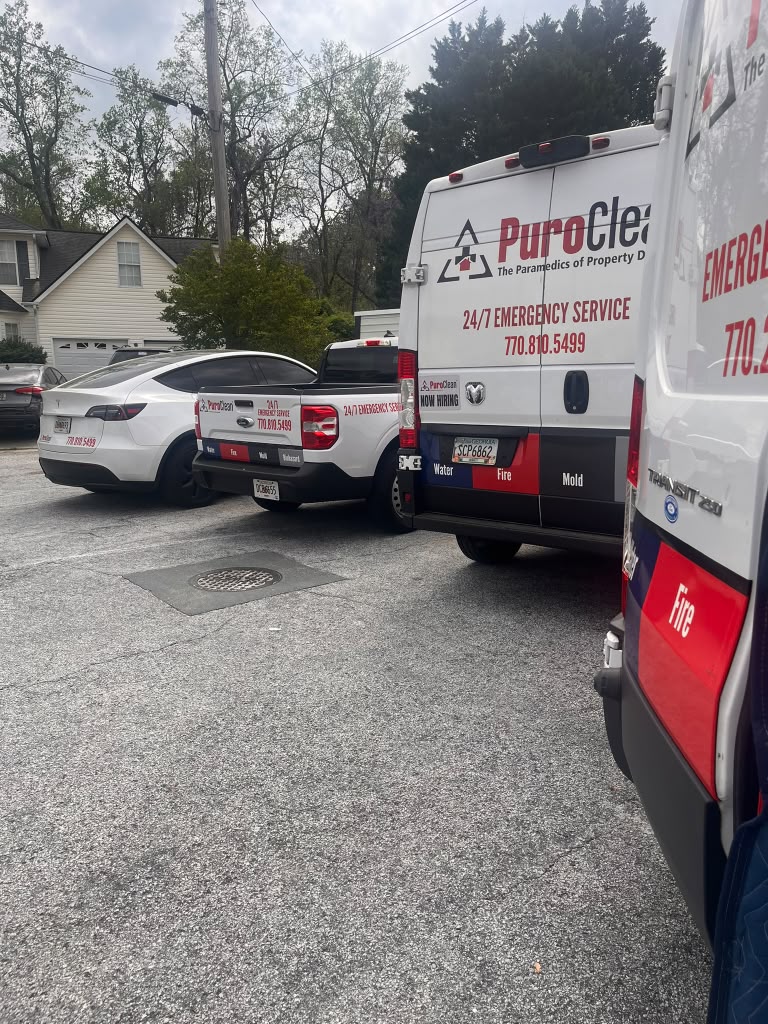
NEED PROFESSIONAL CARPET AND UPHOLSTERY RESTORATION IN STONECREST?
Don’t let soot, dirty water, or persistent smoke odor ruin your carpets and furniture. Restore your soft contents with certified, deep extraction cleaning.
Call PuroClean of Stonecrest today at (470) 322-3300 or visit our website to request an emergency inspection. We serve homeowners, business owners, and property managers throughout DeKalb County with fast, reliable restoration services.
PuroClean of Stonecrest | The Paramedics of Property Damage | Certified Textile Restoration Experts