


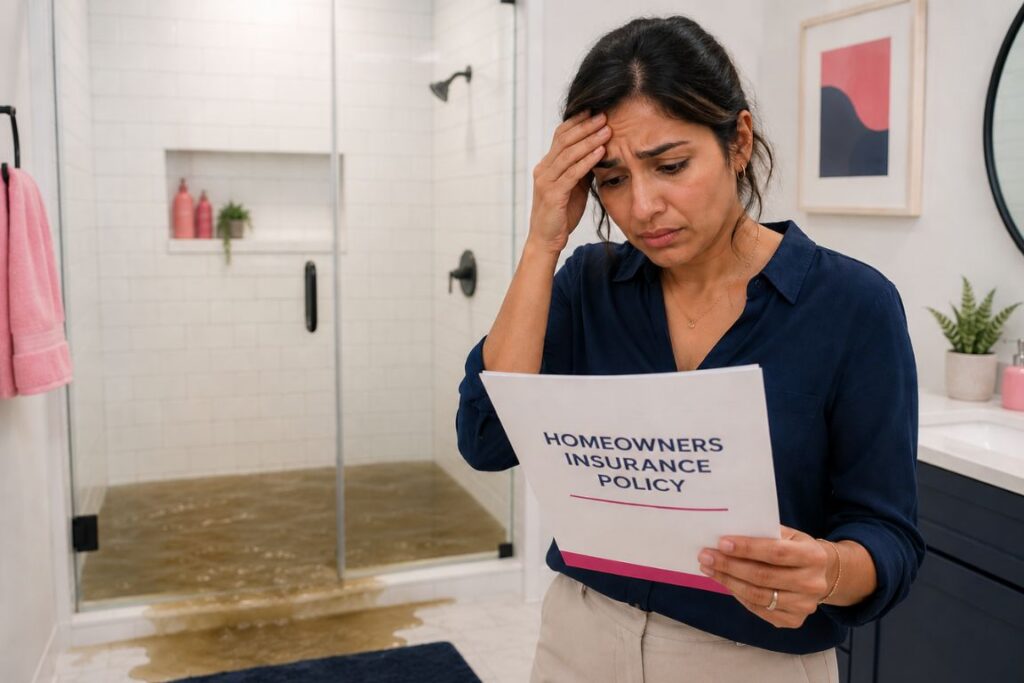
Discovering standing black water flowing backward out of your floor drains, toilets, or shower basins is every homeowner’s worst nightmare. In Stonecrest, Georgia, local municipal infrastructure, aging residential sewer lateral pipes, heavy seasonal rainfall storms, and tree root intrusions frequently converge to cause severe drain line and sewer main backups. Beyond the immediate structural property damage and overwhelming foul odors, sewage backups present acute biological hazards that require emergency intervention.
When facing a sewage flood, property owners in DeKalb County are almost immediately confronted with two overwhelming questions: ‘How do I safely clean up this toxic spill?’ and ‘Will my homeowners insurance policy cover these massive restoration costs?’ This local guide breaks down everything Stonecrest homeowners need to know about Class 3 biohazard contamination, Georgia homeowners insurance policy endorsements, step-by-step claims documentation, and certified professional mitigation.
Navigating property restoration without adequate preparation can cost thousands of dollars in out-of-pocket expenses. By understanding how insurance carriers evaluate water intrusion claims in DeKalb County and taking rapid, recorded mitigation action, you can protect both your family’s health and your property investment.
2. Understanding Class 3 (Category 3) Black Water Contamination Risks
In the professional water restoration industry, water contamination is categorized into three distinct levels based on safety risks according to the Institute of Inspection, Cleaning and Restoration Certification (IICRC) S500 standards. Sewage line backups fall strictly into Category 3, universally designated as ‘Black Water’.
What Makes Category 3 Black Water Extremely Dangerous?
Category 3 water is defined as grossly contaminated water containing dangerous pathogenic agents, raw human waste, heavy industrial/chemical toxins, and harmful biological contaminants. Unlike Category 1 clean water (from a broken supply line) or Category 2 grey water (from a washing machine or dishwasher overflow), Category 3 sewage water contains active, disease-causing organisms.
- Bacterial Pathogens: High levels of Escherichia coli (E. coli), Salmonella, Shigella, and Campylobacter, which cause severe gastrointestinal illness, high fevers, and blood infections upon exposure or accidental ingestion.
- Viral Agents: Norovirus, Hepatitis A, Rotavirus, and Enteroviruses that can linger on indoor surfaces and contaminate indoor air through microscopic aerosolized droplets.
- Parasites & Protozoa: Giardia lamblia and Cryptosporidium organisms, which form protective outer shells allowing them to survive on moist porous subflooring for long periods.
- Toxic Mold & Fungal Microtoxins: Rapid fungal colonization that develops within 24 to 48 hours of saturation, deteriorating indoor air quality throughout the entire home.
When raw sewage backs up into a Stonecrest residence, every porous building material it contacts—including drywall sheetrock, carpets, underlayment padding, structural wood framing, insulation, and baseboards—instantly becomes saturated with biological hazards. Simple surface cleaning or standard household chemical application is completely inadequate for Category 3 decontamination. Immediate physical isolation, professional extraction, controlled demolition of unsalvageable porous items, and EPA-registered medical-grade sanitization are mandatory.
3. Standard Homeowners Policies vs. Water Backup Endorsements in Georgia
A frequent and heartbreaking realization for homeowners in Stonecrest occurs after filing a claim, only to learn their standard policy does not cover sewage backups. Understanding how insurance contracts treat water intrusion in Georgia is vital for every policyholder.
The Standard HO-3 Homeowners Policy Exclusion
A standard Georgia Homeowners Insurance Policy (HO-3 form) provides coverage for sudden and accidental discharge of clean water from internal plumbing fixtures—such as a burst clean water supply pipe or an overflowing water heater tank. However, standard HO-3 policies explicitly exclude loss caused by water or sewage that backs up through sewers, lateral drain lines, or municipal water mains, or overflows from a sump pump well.
The Solution: Water Backup and Sump Overflow Endorsement
To obtain financial protection against sewer and drain line backups, Georgia property owners must purchase an optional policy rider known as a Water Backup and Sump Pump Overflow Endorsement. This rider modifies your base policy to provide explicit coverage for emergency extraction, structural drying, biohazard sanitization, and property repairs resulting from backed-up drains.
| Policy / Rider Type | Coverage Status for Sewage | Key Features & Financial Limits |
| Standard HO-3 Policy | NOT Covered (Excluded) | Excludes sewer line backups, main drain blockages, and external sump failures. |
| Water Backup Endorsement | COVERED (Up to Rider Limit) | Optional policy rider providing $5,000 to $25,000+ for extraction, remediation, and repairs. |
| National Flood Insurance (NFIP) | Conditional Coverage | Covers backups only if caused directly by regional surface flooding, not isolated lateral line clogs. |
When selecting your endorsement limits in Stonecrest, remember that Category 3 biohazard mitigation costs significantly more than clean water drying due to required safety protocols, hazardous waste disposal, and controlled demolition. Restoration professionals strongly recommend carrying at least a $10,000 to $25,000 Water Backup Endorsement limit on residential homes.
4. Step-by-Step Claims Filing Guide: What Insurance Adjusters Look For
Filing a successful water damage restoration insurance claim in Georgia requires meticulous documentation, speed, and strict adherence to policy conditions. Insurance adjusters are trained to inspect claims carefully to verify coverage eligibility and determine the precise cause of loss.
Step 1: Fulfill Your Policy Duty to Mitigate Loss
Insurance contracts strictly mandate that policyholders take immediate steps to prevent secondary loss (such as widespread mold infestation or structural weakening). Failing to call a certified mitigation team promptly can give carriers grounds to deny portions of a claim based on unmitigated neglect.
Step 2: Capture Thorough Pre-Mitigation Photos & Video Evidence
Before any water extraction or demolition begins, document the entire loss area. Take comprehensive high-resolution photographs and videos showing:
- Standing Water & Source Origin: Document water pooling around floor drains, toilets, or sinks to prove the backup mechanism.
- Water Line Height: Photograph high-water marks on walls, door frames, and built-in cabinetry.
- Damaged Personal Property: Capture clear images of affected furniture, electronics, clothing, and stored goods before removal.
Step 3: Notify Your Carrier and Secure a Claim Number
Call your insurance company’s 24/7 claims reporting line immediately. Inform them that a drain backup has occurred and that you have dispatched a certified emergency restoration team. Obtain your official claim number and the contact details of the assigned field adjuster.
Step 4: Provide Line-Item Psychrometric Logs and Reports
Adjusters require concrete scientific proof of drying progress. Professional mitigation teams perform daily moisture readings using thermal imaging cameras, pinless moisture meters, and psychrometric atmospheric logs. These detailed logs prove to the adjuster that equipment was deployed necessary for thorough structural restoration.
5. Why DIY Sewage Cleanup is Extremely Hazardous to Human Health
Faced with an unexpected basement flood or drain backup, some homeowners consider attempting a DIY cleanup using household vacuums, mop buckets, and retail bleach. With Category 3 black water, DIY cleanup is extraordinarily hazardous and ineffective.
| ⚠️ Severe Hazards of DIY Sewage Cleanup: • Pathogen Aerosolization: Standard wet-vacs, fans, or pressure washers disperse airborne bacterial spores, viruses, and toxins directly into your home’s HVAC system and living areas. • Incomplete Subfloor Sanitization: Household bleach breaks down in the presence of organic waste and cannot penetrate porous subflooring or wall cavities. Trapped raw sewage beneath carpet pads or hardwood floorboards leads to severe toxic mold growth within 24 to 48 hours. • Lack of Professional Personal Protective Equipment (PPE): Proper biohazard containment requires full-body impervious Tyvek suits, respirator masks equipped with P100 HEPA filters, sealed eye protection, and heavy nitrile gloves. |
6. How PuroClean Handles Direct Insurance Billing & Detailed Xactimate Reporting
Managing a sewage disaster is physically and emotionally exhausting. Homeowners should not have to spend hours debating line items with insurance adjusters. PuroClean works directly with all major insurance carriers, acting as your professional technical partner throughout the entire mitigation and billing cycle.
The Power of Xactimate® Line-Item Estimating
Insurance adjusters across North America rely on Xactimate®—the premier software platform for property claims estimating. PuroClean writes every estimate using standard Xactimate pricing codes, ensuring every square foot of extraction, antimicrobial application, containment barrier installation, and structural drying equipment usage matches the exact language and regional cost database used by your insurance carrier. This seamless alignment minimizes claim friction, prevents pricing disputes, and accelerates payout approvals.
Our Complete Category 3 Sewage Remediation Process
- 1. Immediate Emergency Dispatch & Containment: Our IICRC-certified team arrives rapidly, establishes negative air pressure containment chambers with HEPA filtration, and halts the spread of cross-contamination.
- 2. High-Capacity Black Water Extraction: Utilizing commercial truck-mounted extraction power, standing liquid and heavy particulate contaminants are removed immediately.
- 3. Controlled Demolition of Unsaniatizable Porous Materials: Saturated carpet padding, drywalls, insulation, and trim are carefully removed, double-bagged, and disposed of following state environmental regulations.
- 4. Medical-Grade Decontamination & Antimicrobial Washing: All exposed structural elements, concrete foundations, and framing are scrubbed and treated with EPA-registered hospital-grade disinfectants and odor counteracting agents.
- 5. Industrial Drying & Moisture Monitoring: Deploying commercial Low-Grain Dehumidifiers (LGRs) and high-velocity air movers to bring structural wood moisture levels back to dry standard baselines.
- 6. Direct Insurance Documentation & Billing: We submit complete digital documentation, moisture maps, photo logs, and final Xactimate invoices directly to your insurance adjuster for direct claim settlement.
7. Conclusion & Emergency Action Plan for Stonecrest Property Owners
Sewer and drain backups are severe property emergencies that require immediate, certified biohazard intervention. Understanding your Georgia homeowners policy, verifying that you have an active Water Backup Endorsement, and partnering with an experienced restoration contractor ensures your property is safely restored to a clean, healthy state without unexpected financial loss.
Need Emergency Sewage Backup Remediation in Stonecrest, GA?
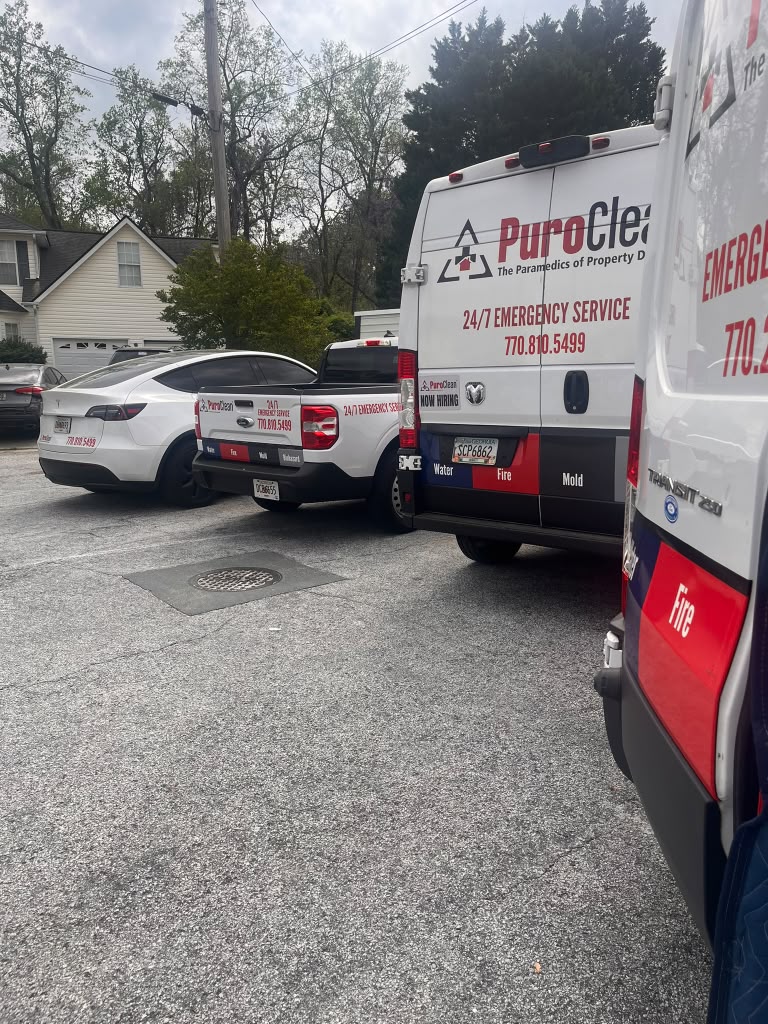
If you are currently experiencing a sewer line backup, drain overflow, or emergency water contamination in Stonecrest or surrounding DeKalb County areas, do not wait. Contact our 24/7 emergency response team today for certified Category 3 sewage extraction, medical-grade sanitization, and seamless direct insurance billing.