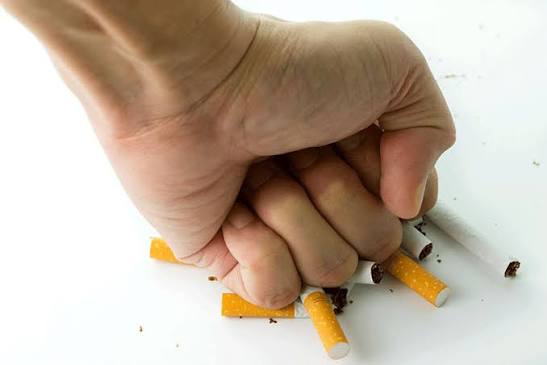
First impressions dictate success in the competitive DeKalb County real estate market. When prospective buyers step across the threshold of a home in Stonecrest, their evaluation begins immediately. While stunning granite countertops, freshly updated landscaping, and spacious floor plans attract buyers, a lingering smell of cigarette smoke or past fire damage turns them away faster than almost any visual defect.
Real estate valuation studies consistently reveal that severe tobacco or fire smoke odor can reduce a home’s market value by 10 to 29 percent. Many buyers immediately walk away from homes with noticeable smoke smells, while others submit aggressive lowball offers to account for estimated remediation expenses. Attempting to mask these odors with scented candles, plug-in air fresheners, or a quick coat of standard interior paint rarely works. Over time, heat and humidity pull trapped tar and soot back out of porous drywall and subflooring.
To protect your property equity and secure a fast, top-dollar sale, you must neutralize smoke residue at a molecular level. This guide explores the science of thirdhand smoke, explains why traditional cleaning fails, and outlines how professional smoke odor removal in Stonecrest permanently restores your home before hitting the market.
1. The Science of Smoke: Why Cigarette Tar and Soot Cling to Homes
Understanding why smoke odor is so difficult to eradicate requires examining the microscopic behavior of tobacco tar and fire soot particles:
Microscopic Particle Penetration
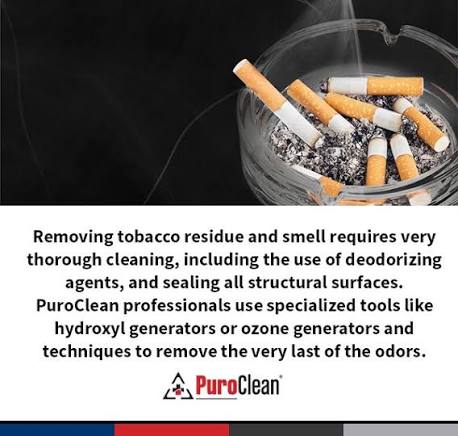
Smoke is not merely a gas; it is a dense suspension of microscopic solid particles, liquid droplets, and volatile organic compounds (VOCs). When tobacco burns or a structural fire occurs, superheated air expands, forcing these microscopic particles deep into porous materials including drywall, wooden framing, subflooring, concrete, insulation, and HVAC ductwork.
The Sticky Residue of Thirdhand Smoke
Cigarette smoke leaves behind a heavy, sticky yellow-brown residue composed of nicotine, heavy metals, and toxic chemical compounds known as thirdhand smoke. This oily residue coats every surface in the home. Over months and years, it hardens into a stubborn varnish layer that continually off-gasses toxic smells whenever room temperatures or humidity levels fluctuate.
Protein Soot and Chemical Off-Gassing
Past kitchen or electrical fires leave behind protein soot or synthetic chemical residues. Unlike wood smoke soot, protein soot creates an almost invisible, highly viscous film that carries a pungent, foul odor. Without professional chemical degreasing and molecular neutralization, these residues off-gas indefinitely inside structural wall cavities.
2. Common DIY Mistakes That Fail to Remove Smoke Odors
When preparing a home for listing, sellers and real estate agents often try quick fixes to save time and money. Unfortunately, these common DIY methods usually backfire:
Masking Sprays and Scented Candles
Air fresheners, essential oil diffusers, and ozone-free room sprays do not destroy odor molecules; they temporarily overload human olfactory sensors. Within hours of the spray dissipating, the underlying smoke odor returns, often blending with the perfume to create an unpleasant smell that alerts buyers to hidden damage.
Painting Over Smoke Residue with Standard Latex Paint
Applying standard latex paint over tobacco tar or soot-covered drywall is a temporary fix. Nicotine and acidic soot bleed through water-based latex paint layers within weeks, creating yellow stains on fresh walls and allowing pungent odors to escape back into living spaces.
Renting Consumer Ozone Machines Without Proper Safety Precautions
Small consumer-grade ozone generators available for rent rarely generate the gas concentration needed to penetrate deep structural framing. Furthermore, improper ozone use can degrade synthetic carpet fibers, damage rubber electrical wiring, and present serious health risks to pets and humans if operated without professional monitoring.
3. The Professional 4-Step Smoke Odor Elimination Process
Permanently removing cigarette tar and fire smoke odor requires a structured, multi-stage restoration strategy backed by IICRC protocols:
Step 1: Deep Thermal Surface Washing & Degreasing
Before applying molecular neutralization equipment, technicians remove the heavy physical residue coating ceilings, walls, trim, and light fixtures. Industrial degreasing agents and specialized chemical sponges lift sticky tobacco tar and acidic soot off surfaces without smearing or damaging underlying building materials.
Step 2: HVAC System Decontamination and Air Duct Cleaning
HVAC systems act as distribution centers for smoke odor, pulling soot and nicotine into return vents and blowing contaminated particles throughout every room. Professional teams clean furnace coils, blowers, and ductwork, replacing standard air filters with HEPA and activated carbon filtration media.
Step 3: Advanced Molecular Odor Destruction (Hydroxyls & Thermal Fogging)
To destroy embedded odor molecules inside porous framing, drywall, and subflooring, restoration teams deploy advanced deodorization equipment:
- Hydroxyl Radical Technology: Hydroxyl generators utilize safe ultraviolet light frequencies to reproduce natural atmospheric hydroxyl radicals. These radicals break down volatile organic compounds (VOCs) and nicotine molecules at a molecular level without damaging sensitive electronics.
- Thermal Fogging Oxidation: Thermal foggers heat specialized deodorizing agents into a fine microscopic fog that mimics the behavior of hot smoke. The fog penetrates deep into wall cavities, ceiling trusses, and concrete pores to neutralize trapped odor molecules.
Step 4: Specialized Odor-Blocking Thermal Sealers
Once deep deodorization is complete, technicians apply specialized shellac or solvent-based stain-and-odor-blocking primers to subfloors, framing, and drywall. This permanent barrier locks in any remaining microscopic trace elements, ensuring zero odor resurgence even during humid Georgia summers.
4. Protecting Your Equity: Real Estate ROI on Professional Deodorization
Investing in professional smoke odor removal before listing your Stonecrest property delivers measurable financial returns:
- Faster Closing Times: Homes free of offensive smells sell significantly faster, reducing active days on market (DOM) and minimizing ongoing mortgage, tax, and utility carrying costs.
- Preserved Asking Price: Eliminating smoke odor removes a primary buyer negotiation tool, allowing sellers to maintain firm asking prices and avoid $10,000 to $30,000 price concessions.
- Smooth Home Inspections: Removing toxic thirdhand smoke residue creates a clean, safe environment for buyer home inspections and appraisal walk-throughs.
Conclusion: List Your Home with Complete Confidence
Do not let stubborn cigarette or fire smoke odors compromise your home sale in Stonecrest. Masking agents and standard cosmetic fixes cannot replace scientific molecular deodorization. By investing in professional smoke odor removal, you protect your home equity, attract serious buyers, and ensure a smooth, successful closing.
If you are preparing to list a home affected by tobacco or fire smoke odor, contact PuroClean of Stonecrest today. Our certified restoration experts provide comprehensive deodorization solutions that permanently eliminate stubborn smells.
READY TO ELIMINATE SMOKE ODORS AND MAXIMIZE YOUR HOME SALE VALUE?
Planning to sell a property in Stonecrest with lingering cigarette or fire smoke smells? Let our certified team permanently eliminate odors before your first open house.
Contact PuroClean of Stonecrest today at (470) 322-3300 or visit our website to schedule a professional odor assessment. We provide advanced thermal fogging, hydroxyl oxidation, deep surface washing, and total smoke odor removal across DeKalb County.
PuroClean of Stonecrest | The Paramedics of Property Damage | Restoring Property Value Safely & Quickly